
![FanDuel Sportsbook promotional email: Super Bowl LX Is THIS Weekend, [NAME]! 🔥](/email-examples/img/19c3512aea84a58b-t.webp)
What a gaming email is
A gaming email is a message a game publisher, game platform or betting brand sends to its players: launches and sales, account and security notices, newsletters, and nudges to come back and play.
We collected 101 from 44 brands in two ordinary inboxes, sent between 2016 and 2026, and show 22 of them here. The percentages describe all 101. 29 of the 101 come from sports betting and fantasy sports brands such as FanDuel Sportsbook, and the rest from video game, tabletop and game platform brands.
Browse 22 gaming emails
Filter by type, or search a brand or subject line. Open any email to see it full length, with its subject line, notes on what it is doing, and a prompt that rebuilds it.
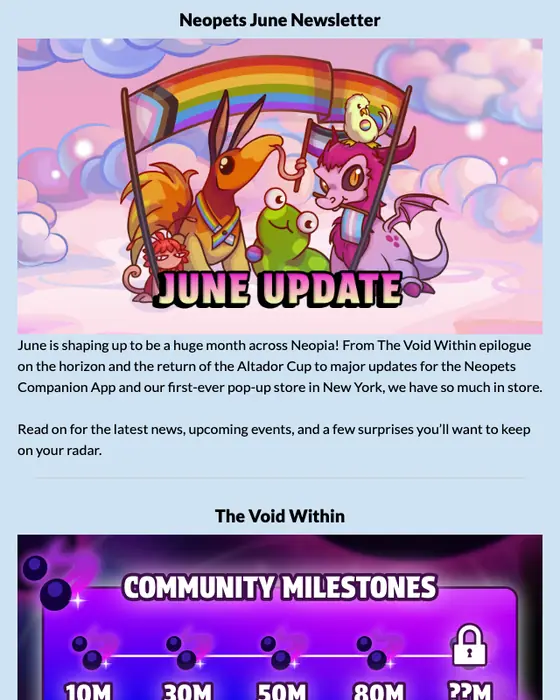
Neopets
This Could Be Neopia’s Biggest Summer Yet...
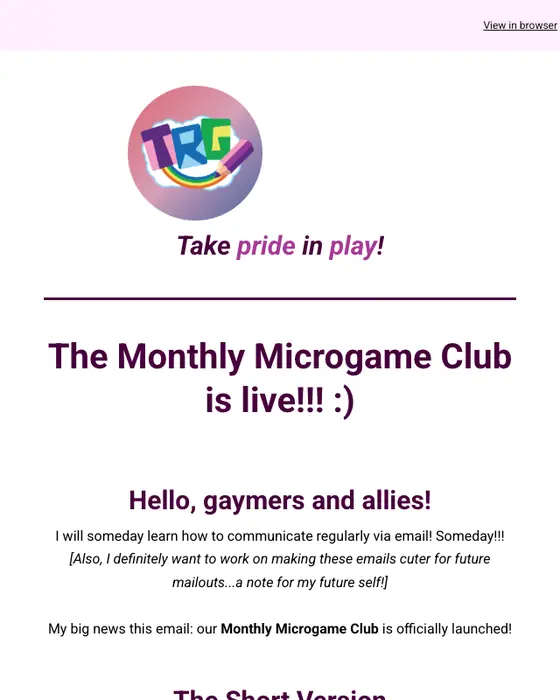
Triple Rainbow Games
New @ TRG: The Monthly Microgame Club!
FanDuel Sportsbook
Super Bowl LX Is THIS Weekend, [NAME]! 🔥
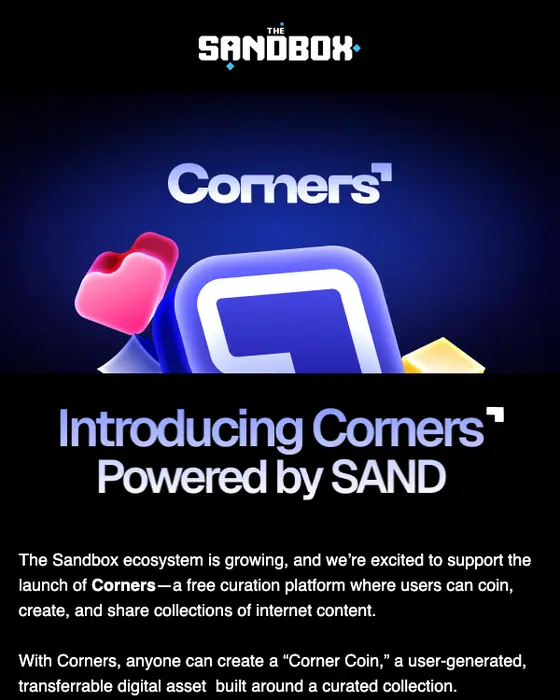
The Sandbox
NOW LIVE! Corners Let’s You Coin and Trade Corners of the Internet
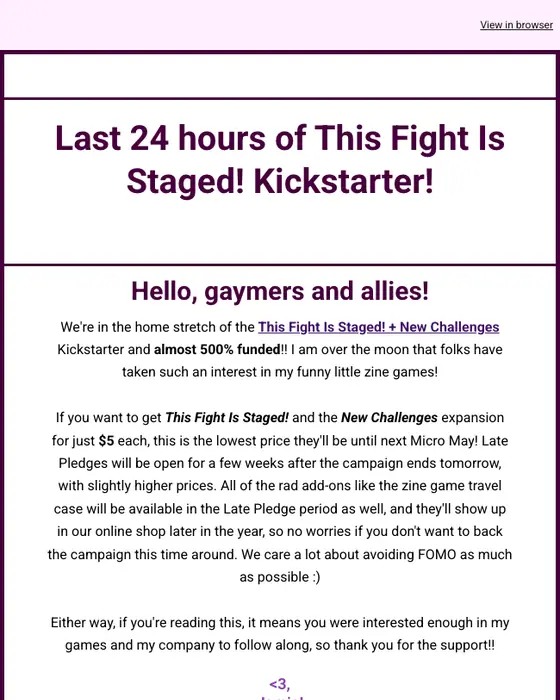
Triple Rainbow Games
Last 24 hours of This Fight Is Staged! Kickstarter!
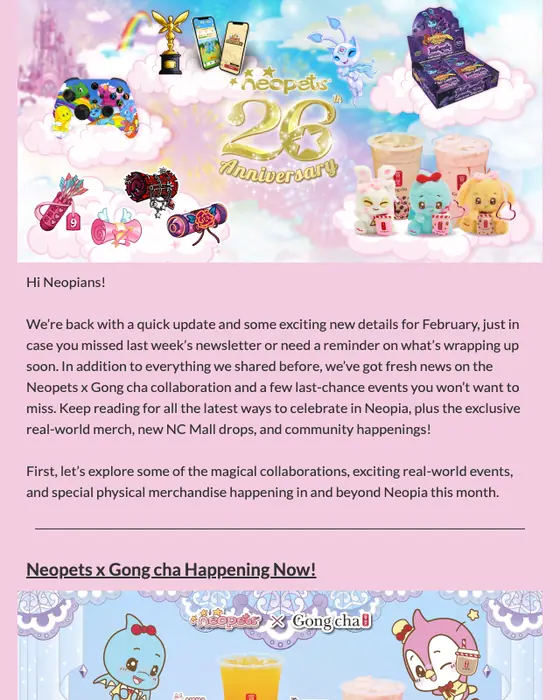
Neopets
Gong cha collab is here now!
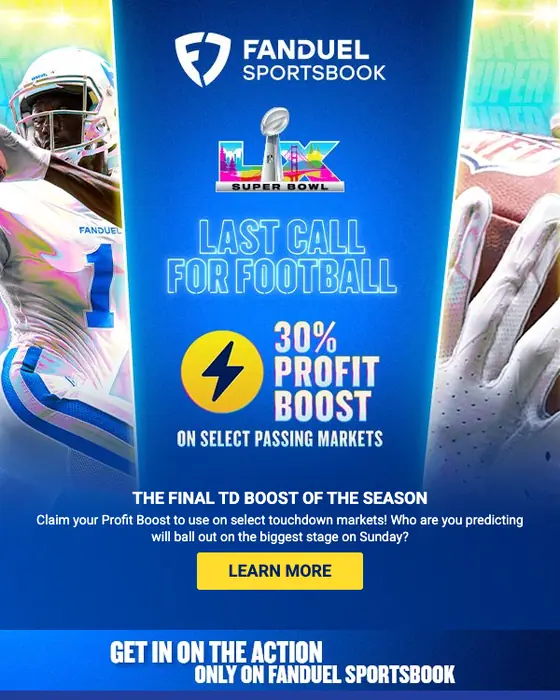
FanDuel Sportsbook
Boost Your Touchdown Odds TODAY ONLY! 🏈
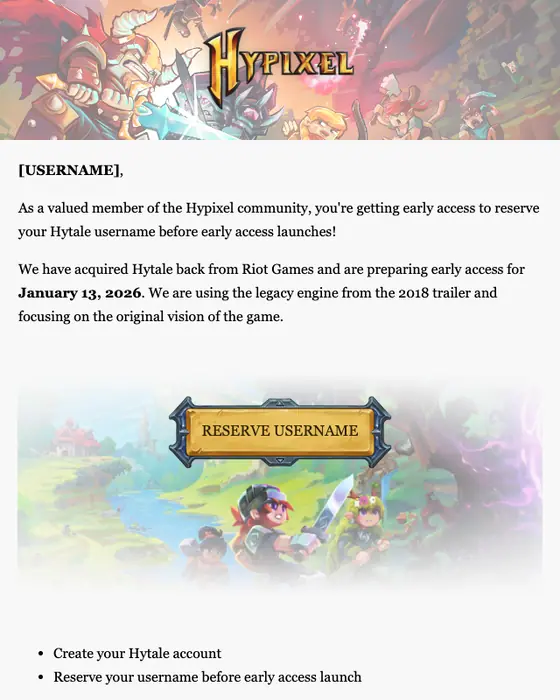
Hypixel Newsletter
Reserve your Hytale username today
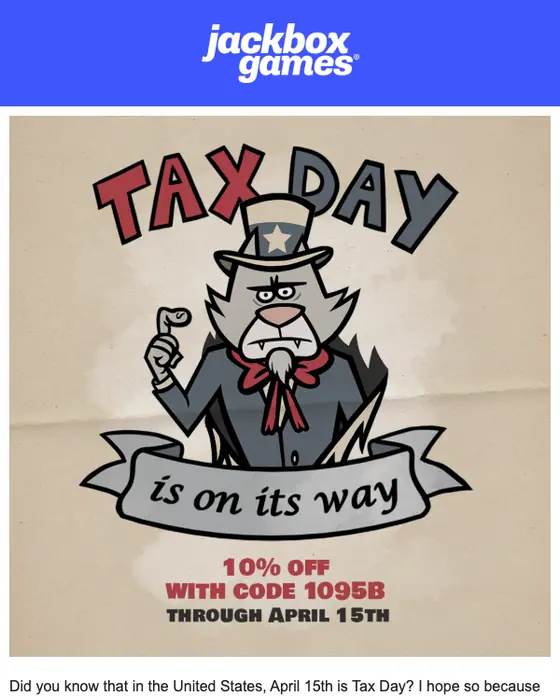
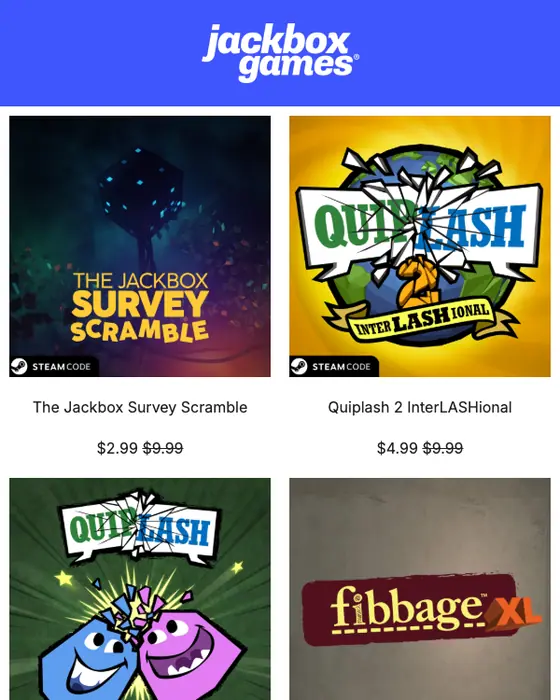
Jackbox Games
A Tax Day Guide By Jackbox Games
Jackbox Games
GIMME 5 🖐️
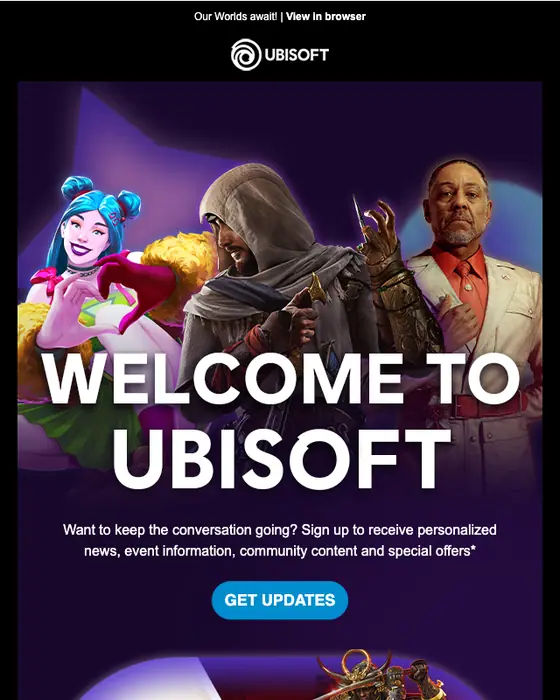
Ubisoft
Welcome to Ubisoft
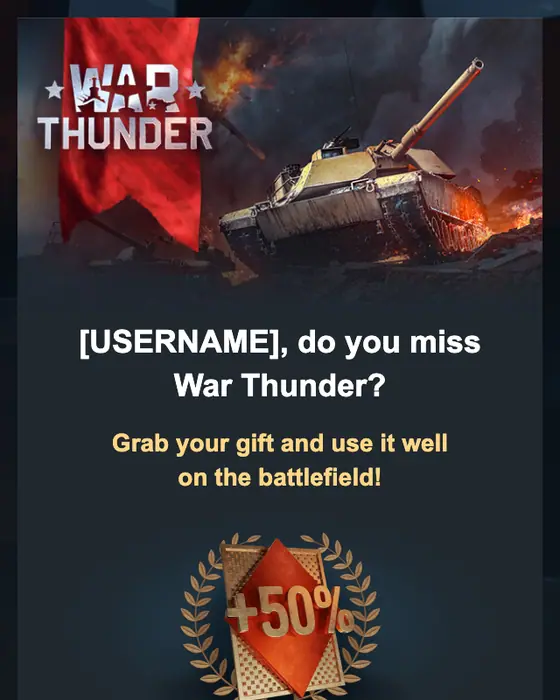
War Thunder
[USERNAME], War Thunder is waiting for you! Grab your bonus and join other players!
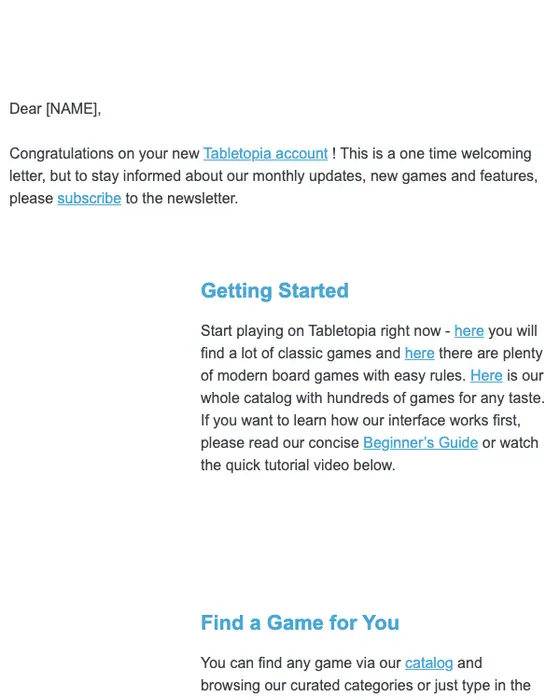
Tabletopia
Welcome to Tabletopia!
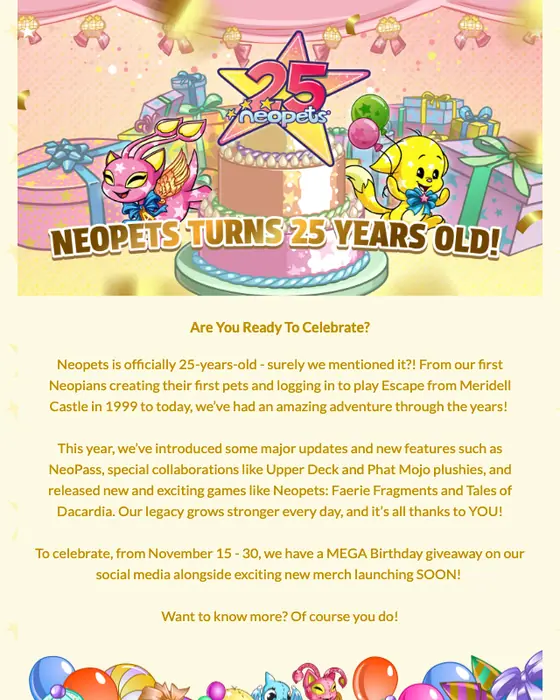
Neopets
🎈 Jumbo Plushie GIVEAWAY to kick off Neopets 25th Birthday celebration!
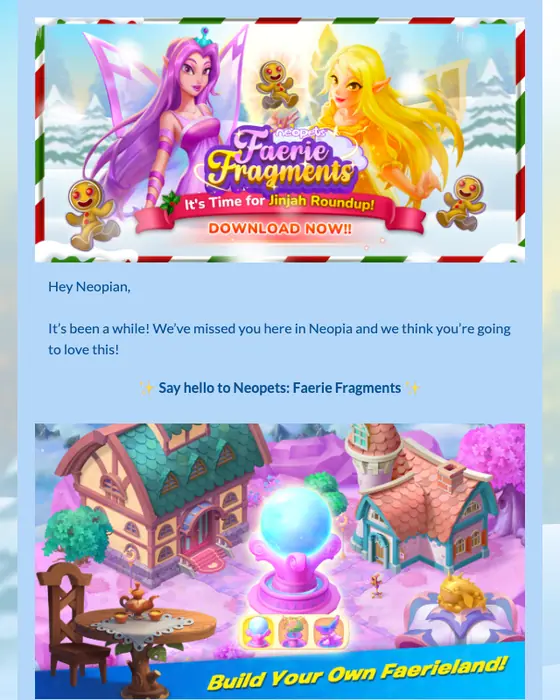
Neopets
❄️ Winter Comes to Faerie Fragments for the First Time! ❄️

Zombies, Run!
The Season of the Hunter Begins!
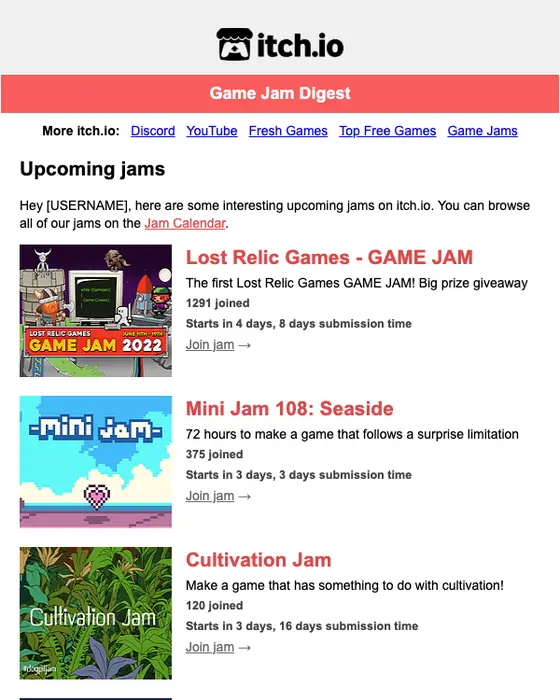
itch.io
🏆 Jam Digest: Lost Relic Games Jam, Cultivation Jam, Mini Jam 108: Seaside & more
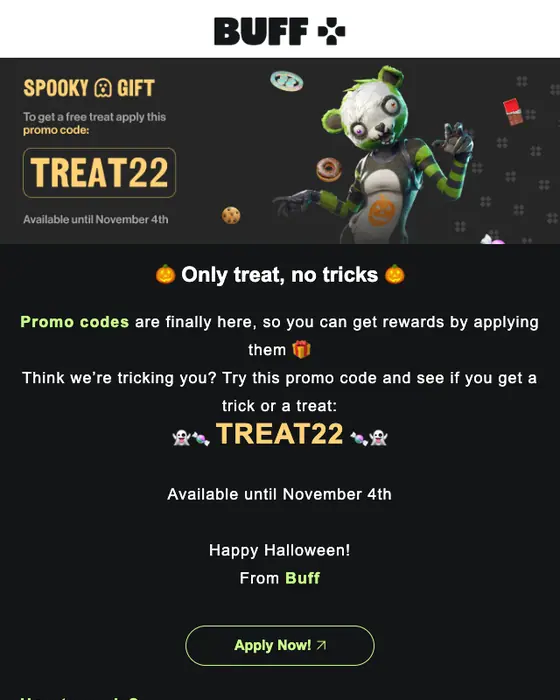
Buff Game
A Spooky Gift is waiting for You 👻🎁
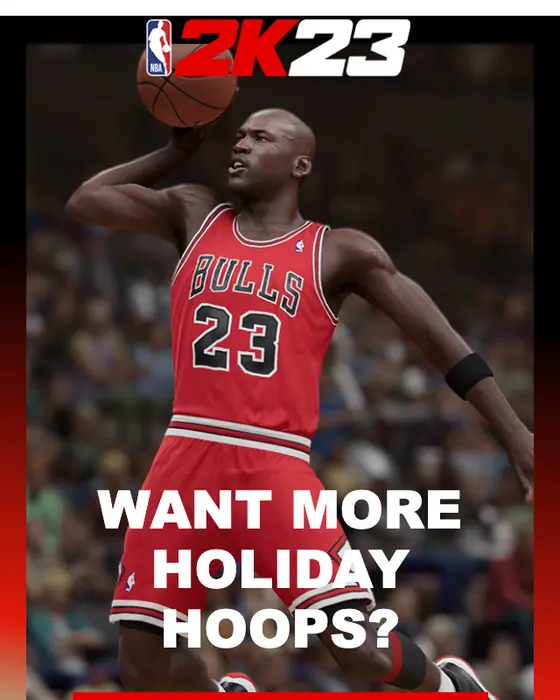
NBA 2K
Save 50-60% on NBA 2K23 🎮
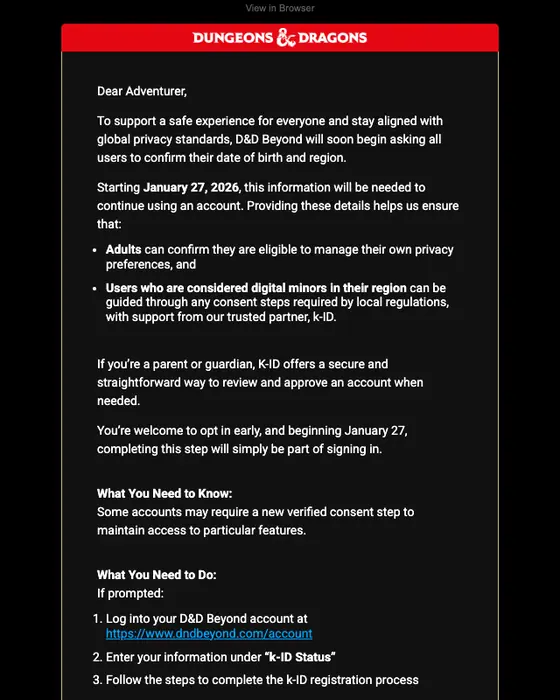
D&D Beyond
Upcoming Update to Account Consent Process
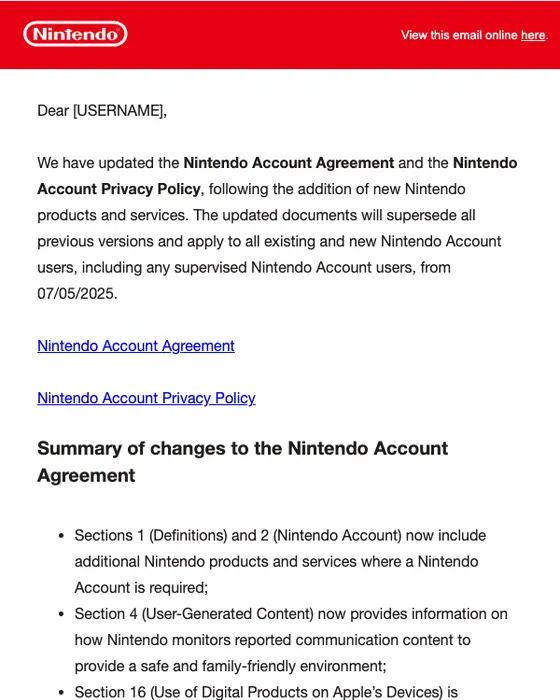
Nintendo Australia & New Zealand
Updates to the Account Agreement and the Privacy Policy
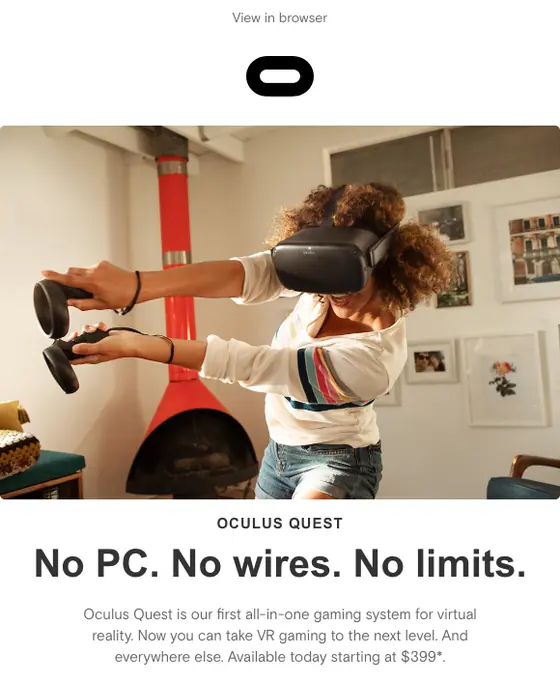
Oculus
Oculus Quest and Oculus Rift S are shipping.
How gaming email differs from everything else in the same inboxes
Gaming email against every other email
101 gaming and 12,610 other emails| What we measured | Gaming | Everything else |
|---|---|---|
| Promotional emails | 35% | 22% |
| Playful design style | 12% | 2% |
| Playful tone | 14% | 3% |
| An emoji in the subject line | 22% | 15% |
| Includes the reader's name | 17% | 44% |
| Includes the player's username | 17% | 2% |
| Includes neither | 68% | 55% |
| Text heavy | 72% | 60% |
| Plain-text layout | 38% | 32% |
| Exactly one call to action | 42% | 30% |
| Opens with a hero image | 12% | 12% |
| Median calls to action | 2 | 2 |
Gaming email sells harder and plays louder than the rest of the inbox. 35% of it is promotional, against 22% of everything else, and 12% uses a playful design, against 2%. Neopets and Jackbox Games send five of the six playful designs shown here. 22% put an emoji in the subject line, against 15%.
Personalization runs the other way. 17% of gaming emails include the reader's name, against 44% of other email, and 68% include neither a name nor a username, against 55%. 17% use the player's username, which only 2% of other emails do. Hero images are no rarer here: 12% in both sets.
What is in the collected set
By type
all 101 gaming emails collected| Type | Emails | Share of the set |
|---|---|---|
| Promotional | 35 emails | 35% of the set |
| Account notice | 10 emails | 10% of the set |
| Newsletter | 7 emails | 7% of the set |
| Re-engagement | 7 emails | 7% of the set |
| Product launch | 6 emails | 6% of the set |
| Welcome | 6 emails | 6% of the set |
| 15 other types | 30 emails | 30% of the set |
48% of the 101 are retention emails, sent to people who already play, against 38% of other email. In the grid, 18 of the 22 were sent in 2023 or later, and 2 use a plain-text layout, against 38% across all 101, so the grid leans further to designed emails than the collection does.
Next to this one
The same library, cut a different way: entertainment emails, sports emails and media and publishing emails by industry, or by the job the email does: promotional emails, re-engagement emails and newsletters.
Questions about the collection
Mostly promotions. Of the 101 gaming emails we collected, 35% are promotional, against 22% of every other email in the same two inboxes. Account notices come next at 10%, then newsletters and re-engagement emails at 7% each, and product launches and welcome emails at 6% each.
They are more playful and more text heavy. 12% of gaming emails use a playful design, against 2% of other email, 22% put an emoji in the subject line, against 15%, and 72% are text heavy, against 60%. The median email has two calls to action in both sets.
Less often than other email. 17% of the 101 gaming emails include the reader's name, against 44% of everything else we collected, and 68% include neither a name nor a username. 17% use the player's username, against 2% of other emails.
34 of the 101 have been rendered full length for the library so far. We kept 22 of those, from 16 brands, and left out template repeats, clipped or broken renders, a receipt, and alerts that showed a sign-in location or a one-time code. The other 79 count in every percentage here but are not shown.