
What a promotional email is
A promotional email is a marketing email that asks the reader to act on something specific: an offer, a new product, an event, a competition or a reason to sign up.
We collected 2,799 of them from 1,330 brands in two ordinary inboxes, sent between 2016 and 2026, and show 544 here, from 370 brands. We left out repeats of a template already shown, emails whose images did not render and any that carry personal details. The percentages on this page describe all 2,799.
Browse 544 promotional emails
Filter by industry, or search a brand or subject line. Open any email to see it full length, with its subject line, notes on what it is doing, and a prompt that rebuilds it.
By job: sale, discount offer, product launch, seasonal, newsletter, re-engagement.
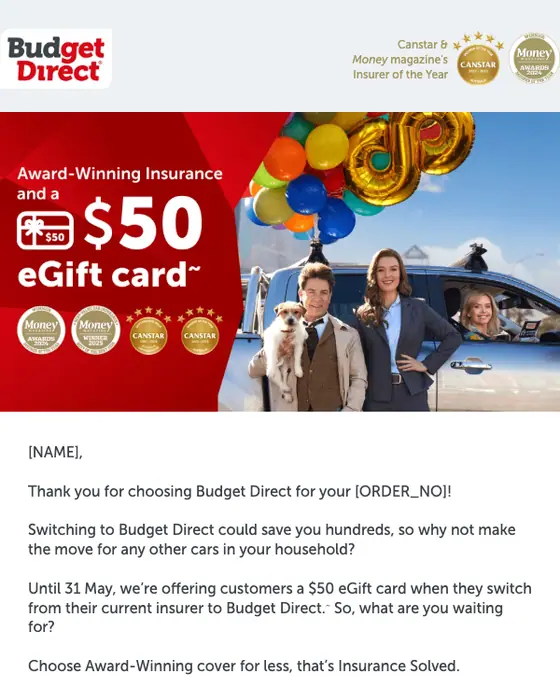
Budget Direct
Score a $50 eGift card~
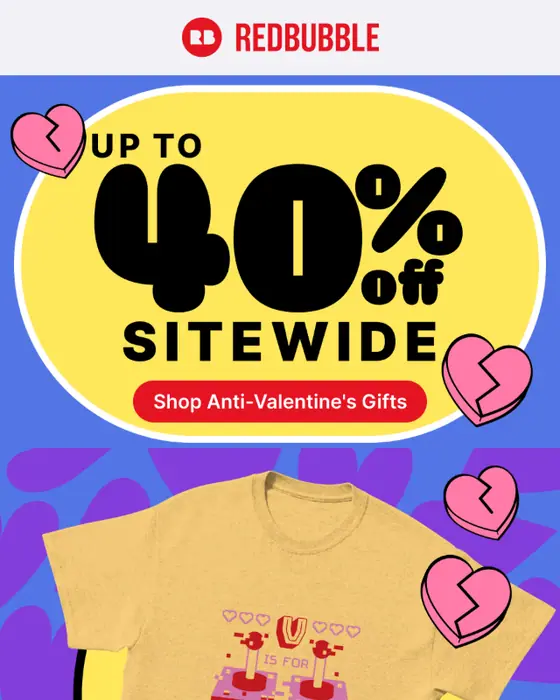
Redbubble
Up To 40% Off Valentine's Gifts For Him
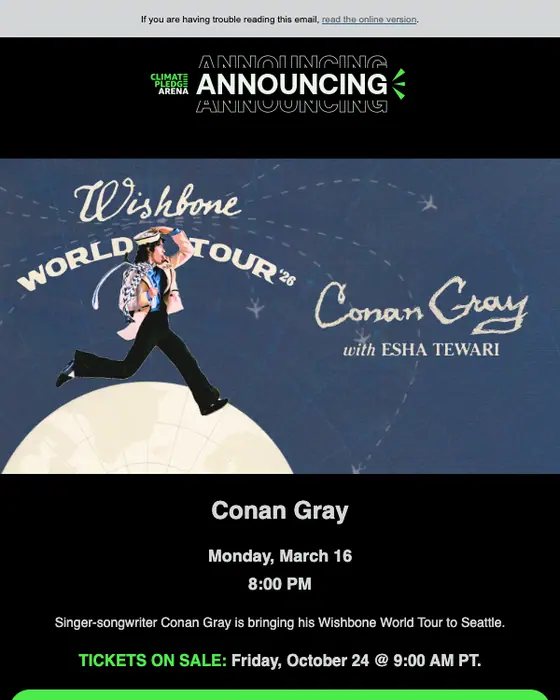
Climate Pledge Arena
Just Announced: Conan Gray, Zakir Khan, Rush in Seattle 🎫 Sign up for tickets
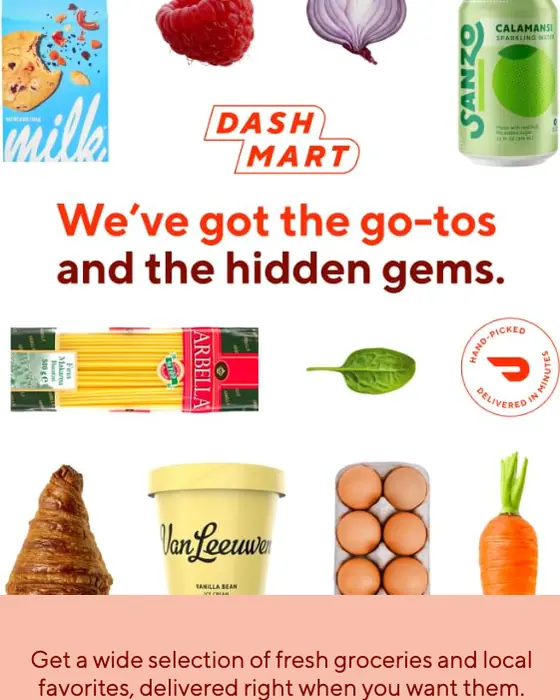
DoorDash
Meet DashMart: Your personal superstore.
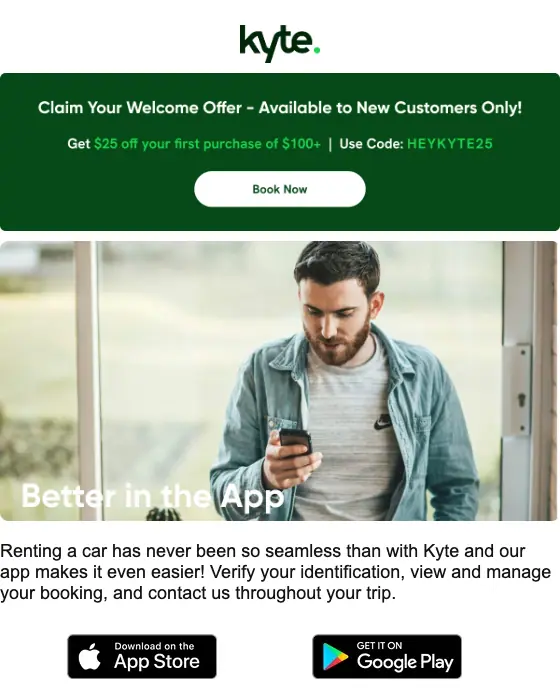
Kyte
All Your Rental Needs
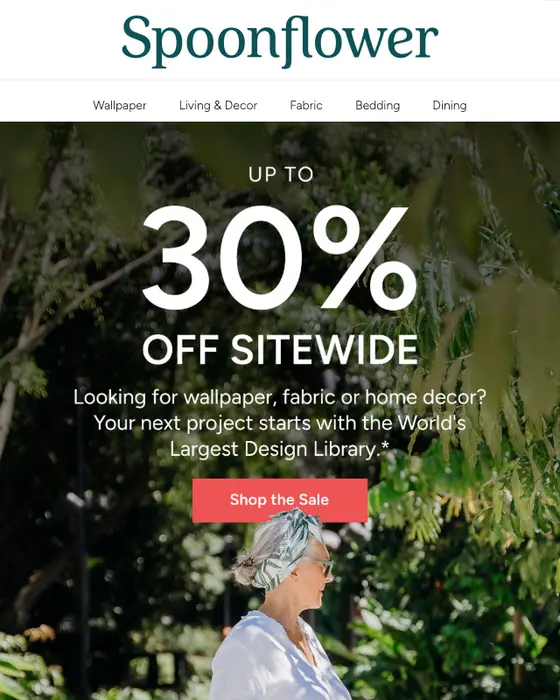
Spoonflower
Get up to 30% off everything
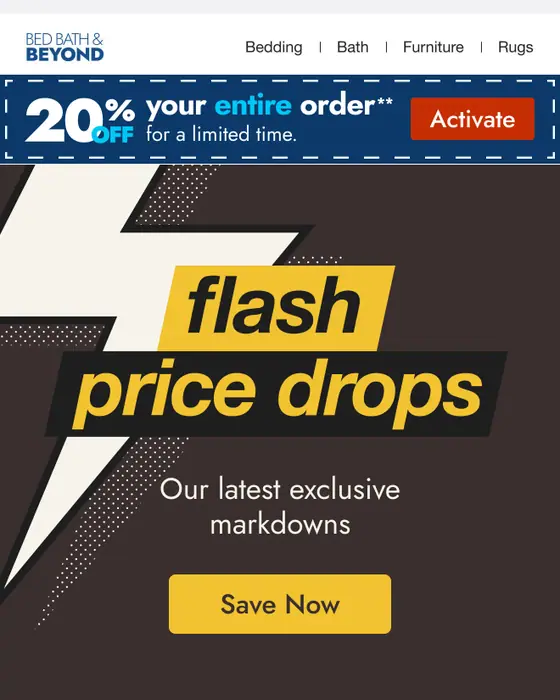
Bed Bath & Beyond
Flash Price Drops: Your Outdoor Oasis 🏝️
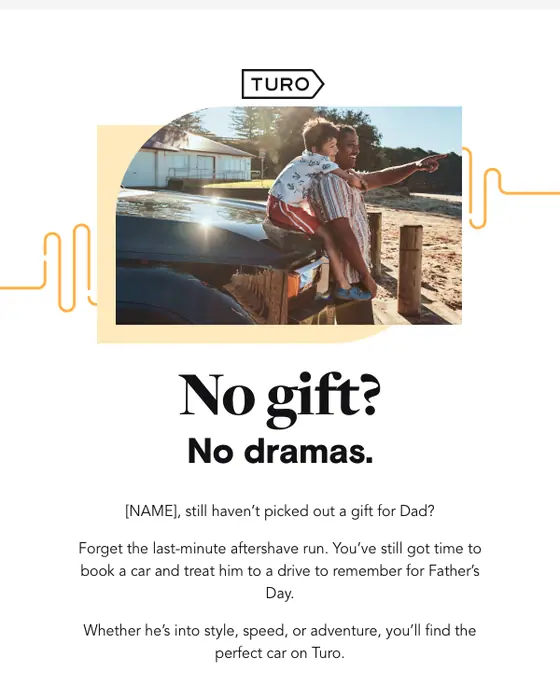
Turo
Oops, did you forget a gift?
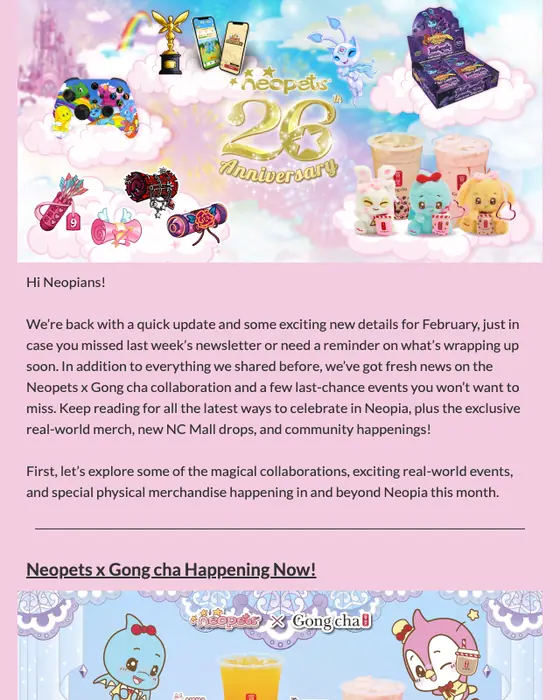
Neopets
Gong cha collab is here now!
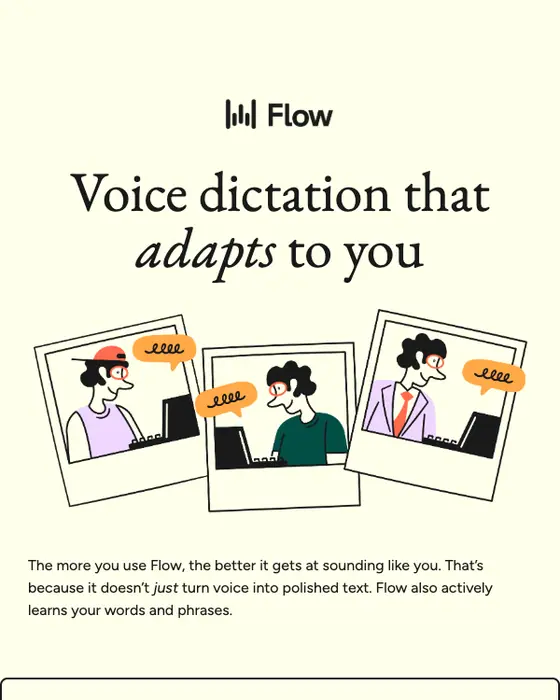
Wispr Flow
Voice-to-text that actually sounds like you!
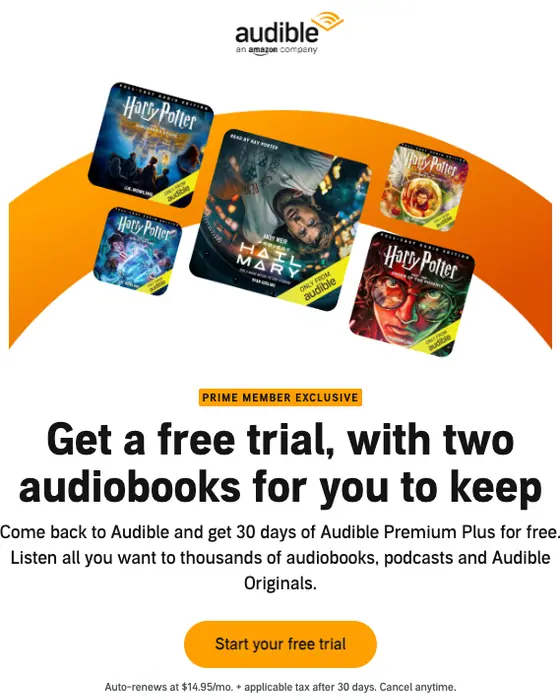
Audible.com
Get 2 free audiobooks with your 30-day trial
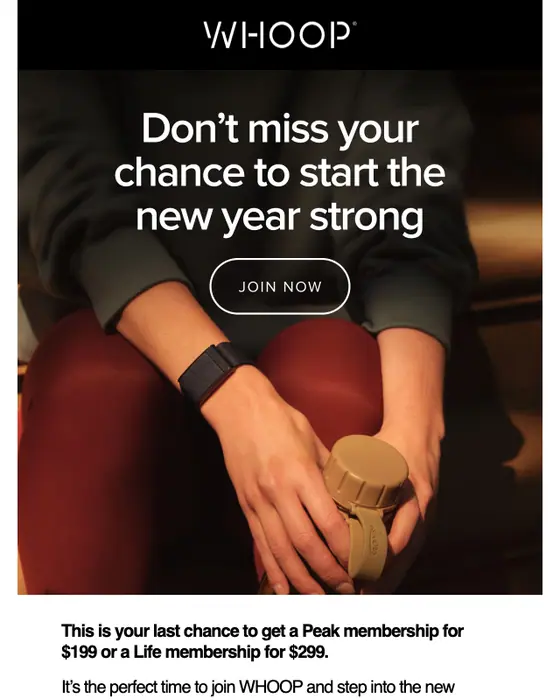
WHOOP
$199 for a limited time. HSA/FSA eligible.
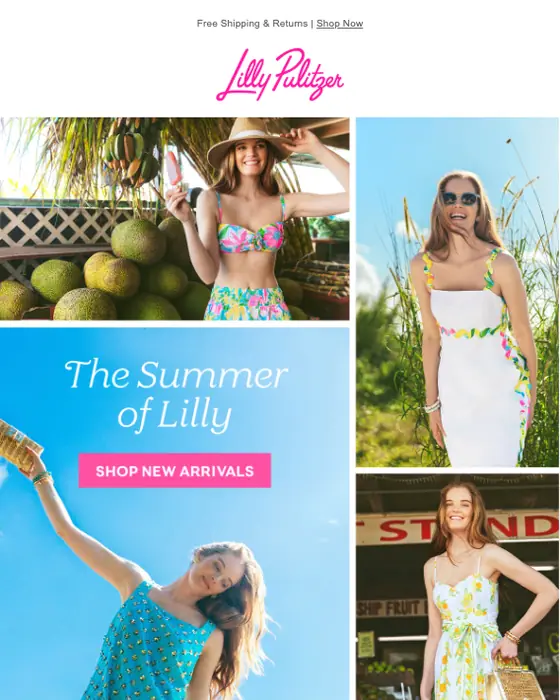
Lilly Pulitzer
New Arrivals + Citrus & Veggie Prints 🍋🟩🍊🍌
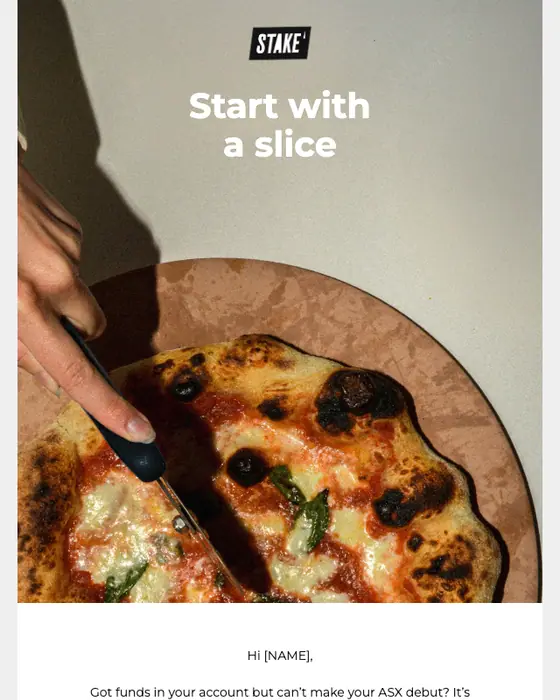
Stake
Get invested from only US$10 💰
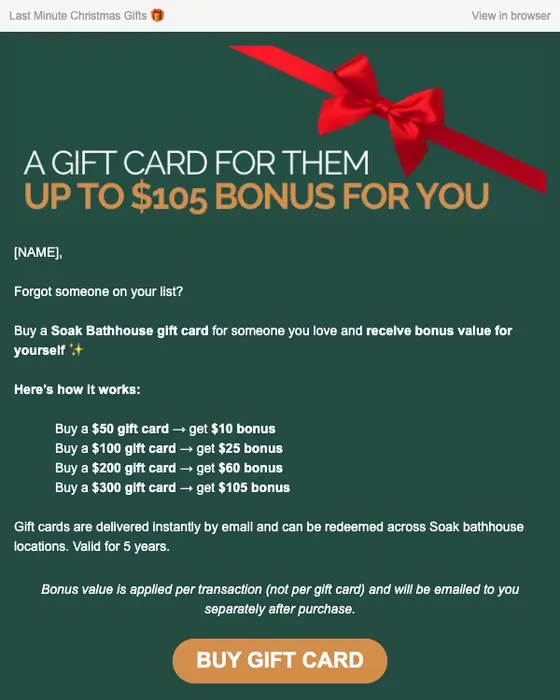
Soak Bathhouse
Buy a gift. We'll give you one too 🎁
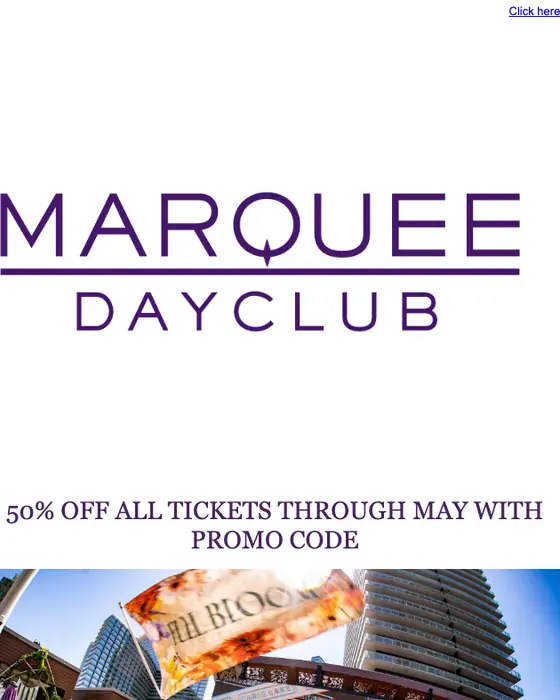
Marquee Dayclub
Tickets on Sale Now! 50% Off All Tickets Through MDW
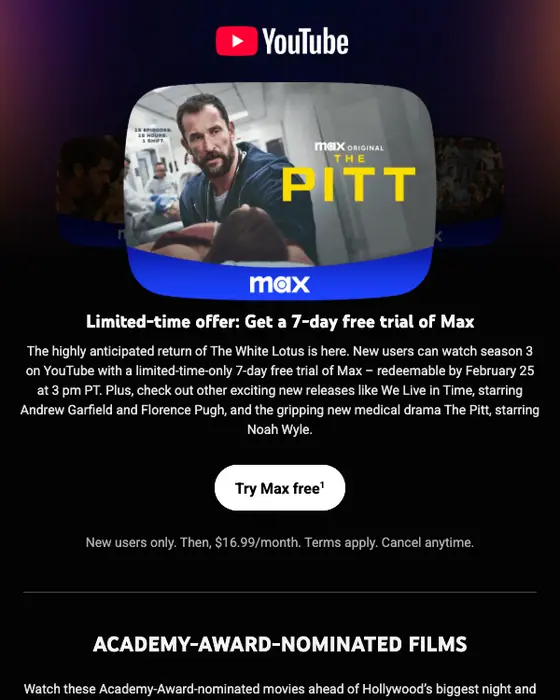
YouTube Primetime
Watch The White Lotus on YouTube with a 7-day limited-time free trial of Max
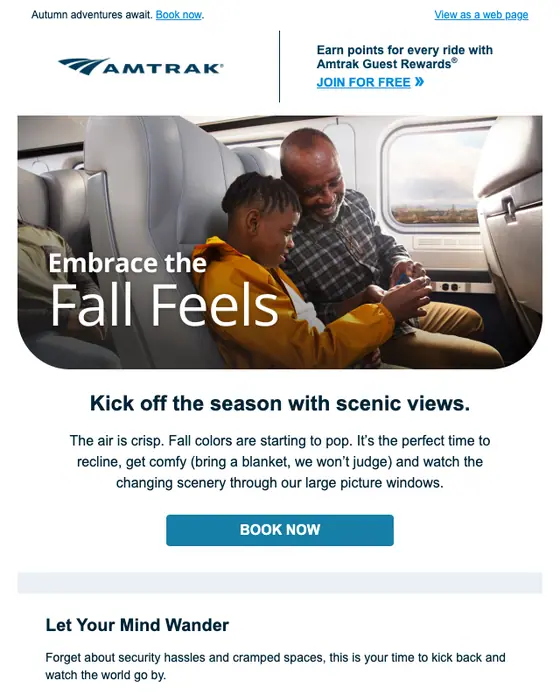
Amtrak
Stay Cozy While Traveling This Fall
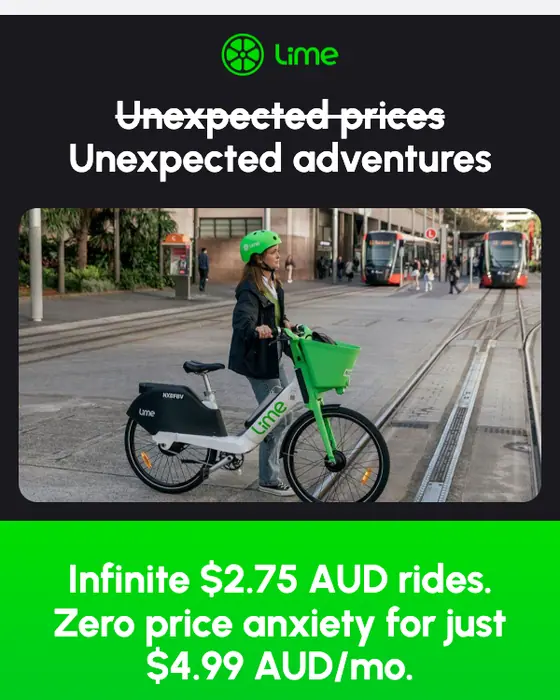
Lime
You're missing $2.75 AUD flat-rate rides with LimePrime
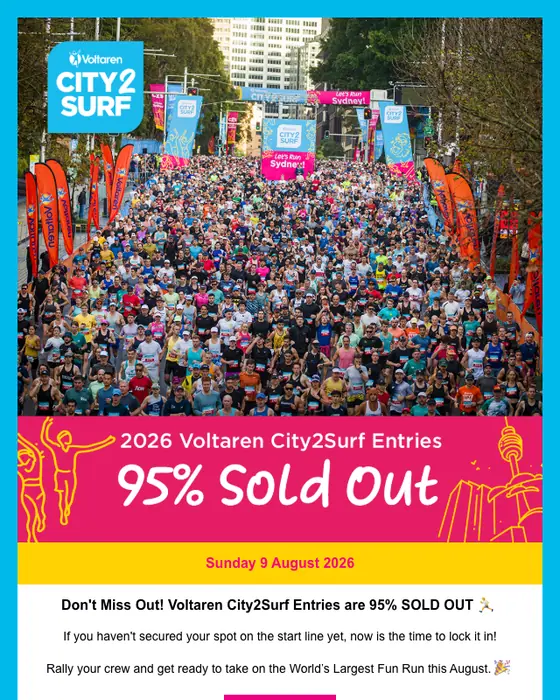
City2Surf
2026 Voltaren City2Surf Entries 95% SOLD OUT 🚨
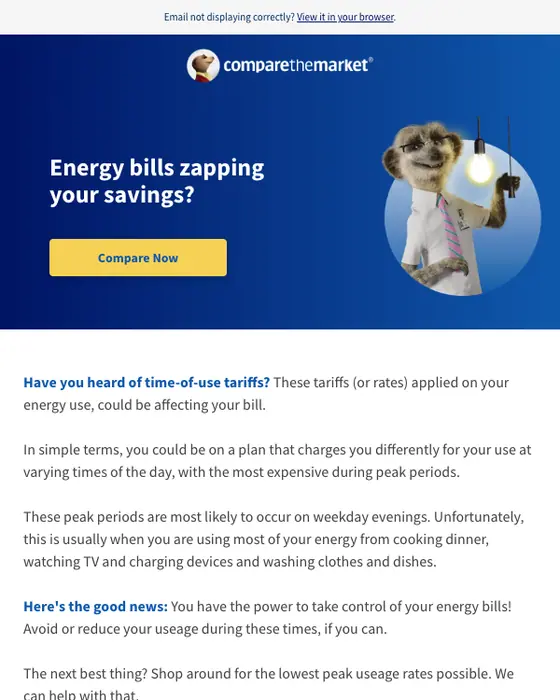
Compare the Market
⚡️ We’re zapping your energy bills
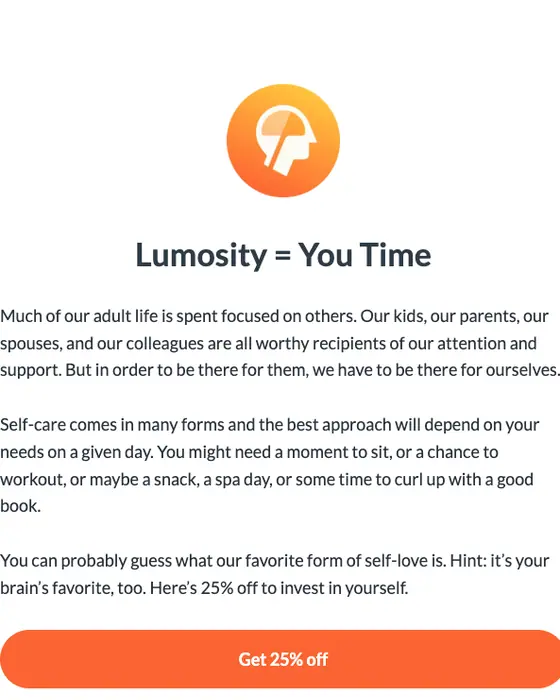
Lumosity
💡🧠 Take time for you
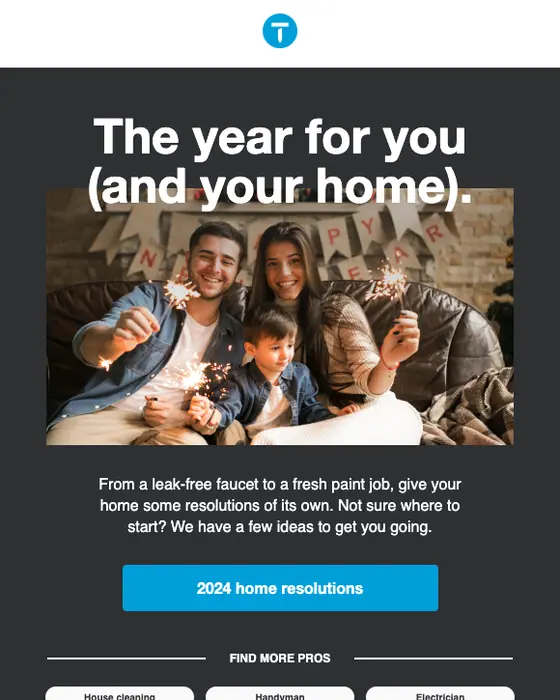
Thumbtack
13 New Year's resolutions for your home
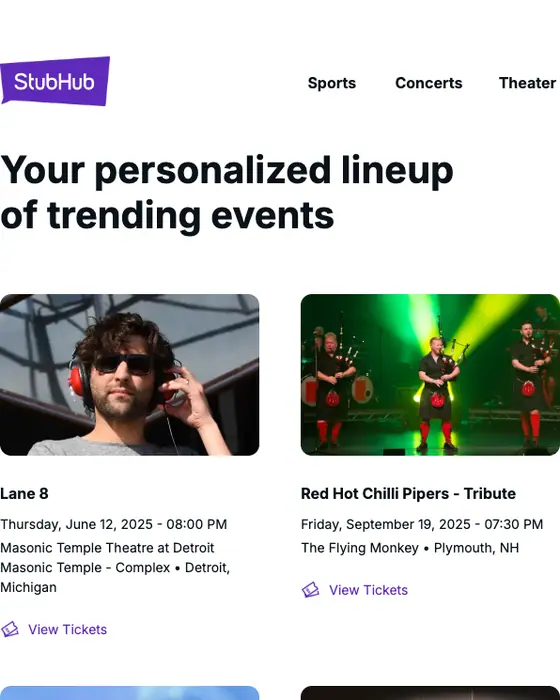
StubHub
Your event lineup: Lane 8, Red Hot Chilli Pipers, and more!
Promotional email in numbers
Promotional is the largest type in the library, 22% of the 12,711 emails collected. 41% of these come from Australian senders, which says more about whose inboxes these are than about the type.
Nitrosend's Brand Kit generates a promotional email like these on-brand, composed and sent by an AI agent.
How promotional email differs from sale emails and newsletters
Promotional email against the other marketing types
2,799 promotional emails, 802 sale and discount-offer emails and 1,532 newsletters from the same two inboxes| What we measured | Promotional | Sale or discount offer | Newsletter |
|---|---|---|---|
| Discount named in the subject line | 22% | 69% | 1% |
| Urgent tone | 19% | 62% | 1% |
| Classed as acquisition email | 39% | 12% | 3% |
| Opens with a hero image | 24% | 30% | 5% |
| Has a product grid | 6% | 14% | 2% |
| Image heavy | 12% | 15% | 3% |
| Text heavy | 48% | 37% | 64% |
| Single-column layout | 69% | 78% | 78% |
| Plain-text layout | 25% | 16% | 19% |
| Bold graphic design style | 14% | 20% | 2% |
| Greets the reader by first name | 29% | 22% | 24% |
| Exactly one call to action | 30% | 42% | 15% |
| Median calls to action | 2 | 2 | 5 |
Advice says to use one call to action. 1,882 of the 2,799 promotional emails (67%) carry two or more, 848 (30%) carry exactly one and 69 have none. The median is 2.
Most promotional email does not lead with a discount. 22% name a discount in the subject line, against 69% of sale and discount-offer emails, and 19% use an urgent tone, against 62%.
What sets the type apart is who it is for. 39% is classed as acquisition email, written for people who are not customers yet, against 12% of sale and discount-offer emails and 3% of newsletters.
It sits between the other two in how it looks. 24% open with a hero image, against 30% of sale and discount-offer emails and 5% of newsletters. A quarter use a plain-text layout, more than either, and most of those are letters from software and services firms: 370 of the 701 come from SaaS and professional services senders.
What is in the collected set
By industry
all 2,799 promotional emails collected| Industry | Emails | Share of the set |
|---|---|---|
| SaaS | 515 emails | 18% of the set |
| Professional services | 232 emails | 8% of the set |
| Health and fitness | 206 emails | 7% of the set |
| Ecommerce | 198 emails | 7% of the set |
| Entertainment | 193 emails | 7% of the set |
| Education | 192 emails | 7% of the set |
| Media and publishing | 145 emails | 5% of the set |
| Retail and fashion | 138 emails | 5% of the set |
| Travel | 128 emails | 5% of the set |
| All other industries | 852 emails | 30% of the set |
Eight of these industries have their own page, linked in the table. In the grid, 492 of the 544 were sent in 2023 or later. The grid leans to designed email more than the collection does: 23 of the 544 use a plain-text layout, against 25% of all 2,799, and 29 come from SaaS brands, against 18% of the collection. Pick Plain text under Layout to see the letters.
Next to this one
The same library, cut by the job the email does: sale emails, discount offers, product launches, seasonal emails and newsletters, or by stage: acquisition emails and re-engagement emails.
Questions about promotional emails
A promotional email is a marketing email that asks the reader to act on something specific: an offer, a new product, an event, a competition or a reason to sign up. It is the largest type in our library: 2,799 of the 12,711 emails we collected from two inboxes, or 22%.
This page shows 544. From the top of the grid: Budget Direct's $50 eGift card offer, Redbubble's "Up To 40% Off Valentine's Gifts For Him", DoorDash introducing DashMart, its personal superstore, and Climate Pledge Arena announcing Conan Gray, Zakir Khan and Rush in Seattle. Filter by industry to find ones like yours.
Most senders keep it simple. Of the 2,799 promotional emails we collected, 69% use a single-column layout, 24% open with a hero image and 6% use a product grid. The median email has 2 calls to action, and 30% have exactly one. Our promotional email guide covers each part.
696 have been rendered full length so far, and we took 152 of those off this page: 32 repeats of a template already shown, 62 flagged for broken or cut-off images, 53 flagged for personal details, 4 long plain-text letters and one political fundraising email. The other 2,103 count in every percentage but are not shown yet.