
![Netflix digest email: [NAME], what are people watching in your area?](/email-examples/img/19bd559f5351c23a-t.webp)
What a media and publishing email is
A media and publishing email is one that a news site, magazine, newsletter writer, streaming service, book or audio app, music act or label, or image library sends to the people who read, watch or listen to it: the regular edition, subscription offers, welcome emails, and reminders to come back.
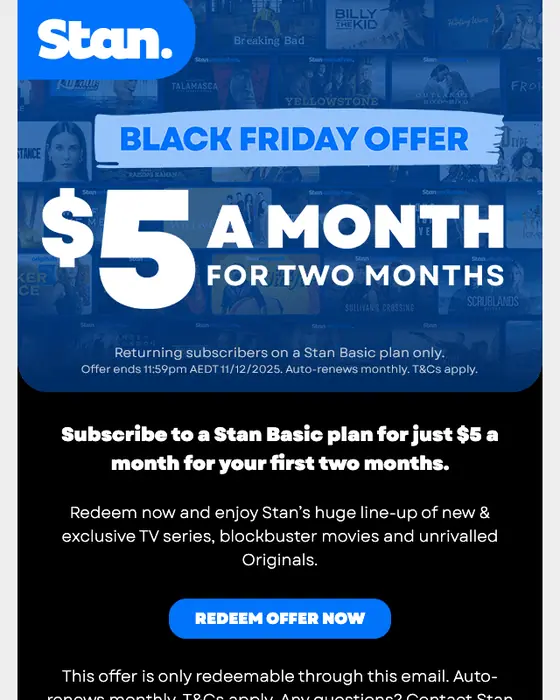
We collected 816 of them from 274 brands in two ordinary inboxes, sent between 2016 and 2026, and show 129 here. The percentages describe all 816. The group is broad: news brands such as The New York Times and The Guardian sit beside streaming services such as Netflix, book and audio apps such as Kobo and Audible, and Pinterest, which with 53 emails is the largest single sender in the set. The formats to look for in the grid are the regular edition (IMDb, The Guardian, Tangle), the roundup of what is popular (Netflix, Pinterest), the subscription offer (The Wall Street Journal, Stan, Crunchyroll) and the nudge to come back (The New York Times, National Geographic).
Browse 129 media and publishing emails
Filter by type, or search a brand or subject line. Open any email to see it full length, with its subject line, notes on what it is doing, and a prompt that rebuilds it.
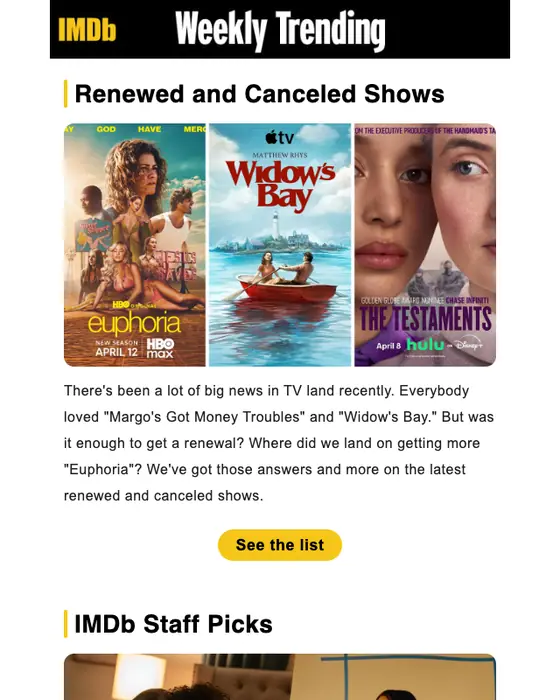
IMDb
The latest renewed and canceled shows
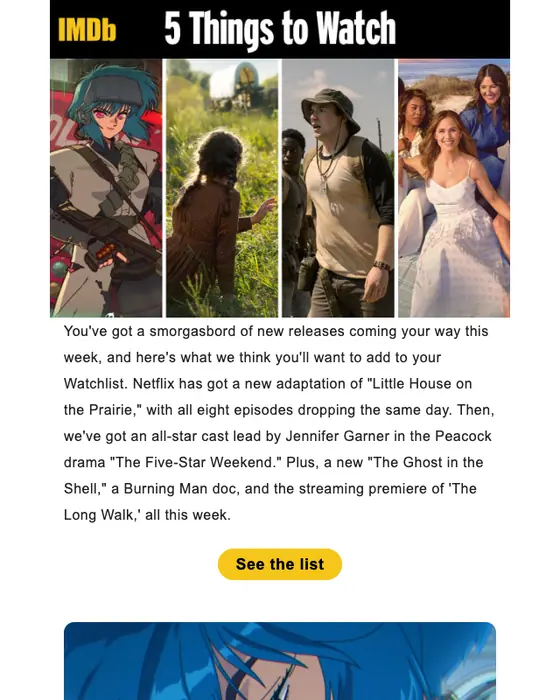
IMDb
5 new shows and movies to watch this week
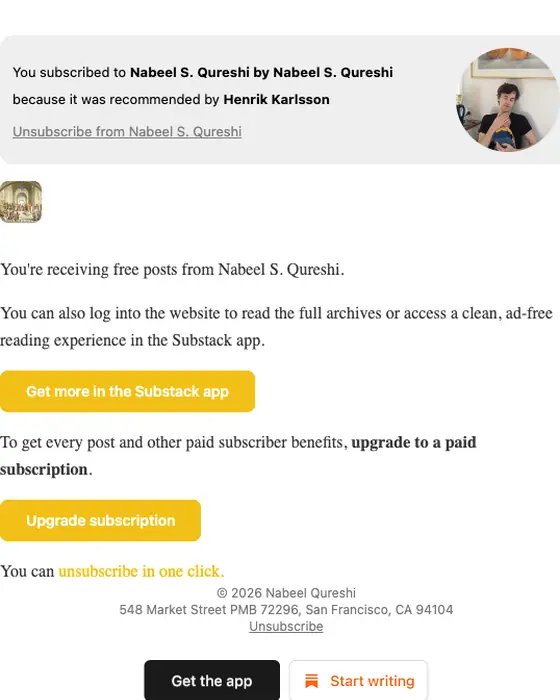
Nabeel S. Qureshi (via Substack)
Welcome to Nabeel S. Qureshi
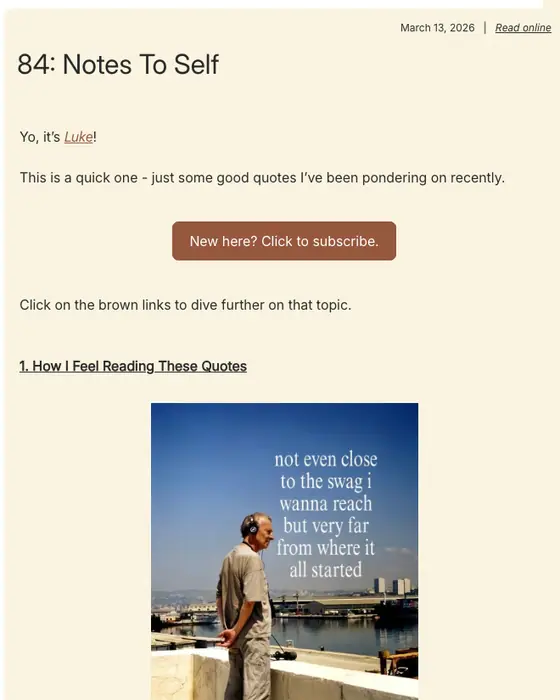
Notes To Self
84: Notes To Self
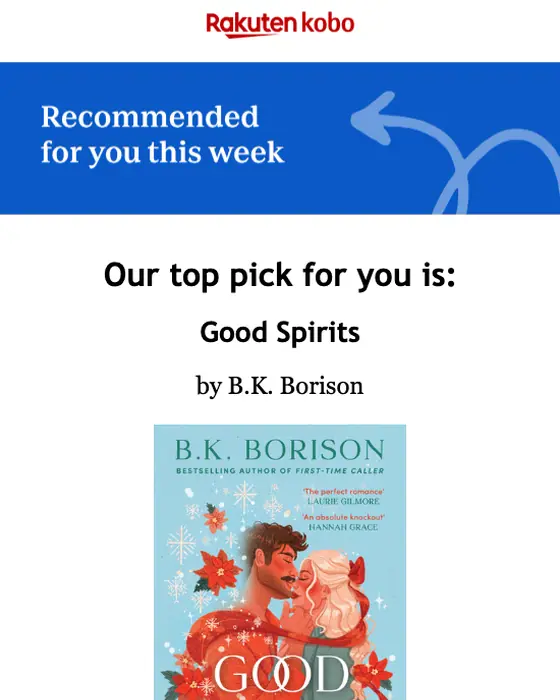
Kobo
Our top recommendations for you this week
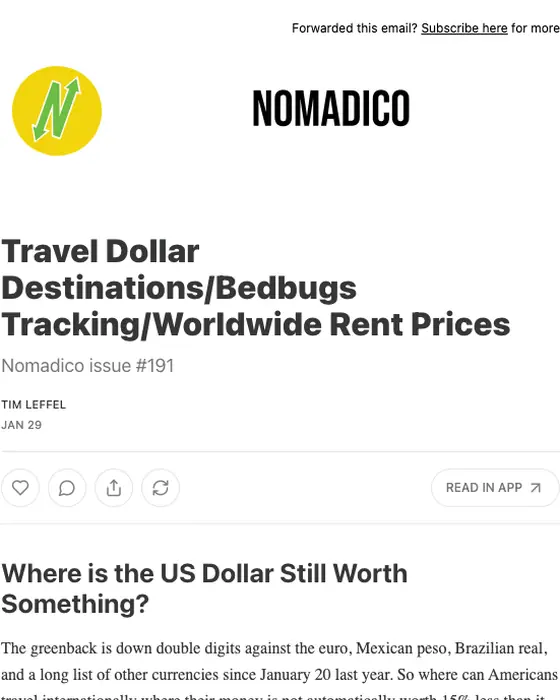
Nomadico
Travel Dollar Destinations/Bedbugs Tracking/Worldwide Rent Prices
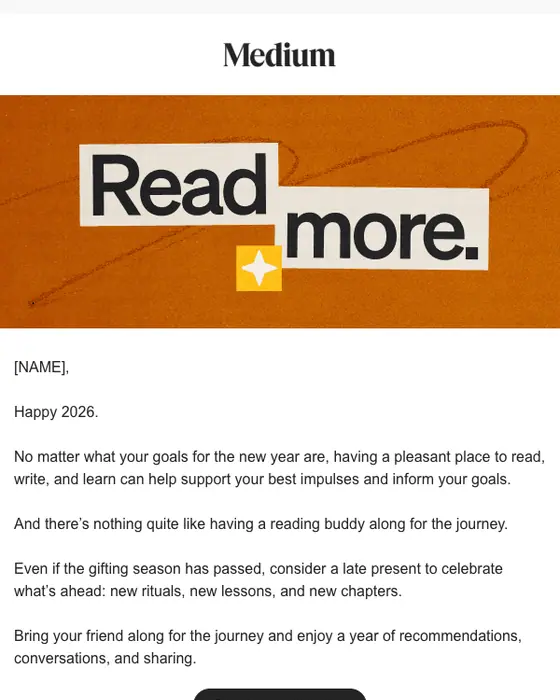
Medium
New year, new ritual. Bring a friend.
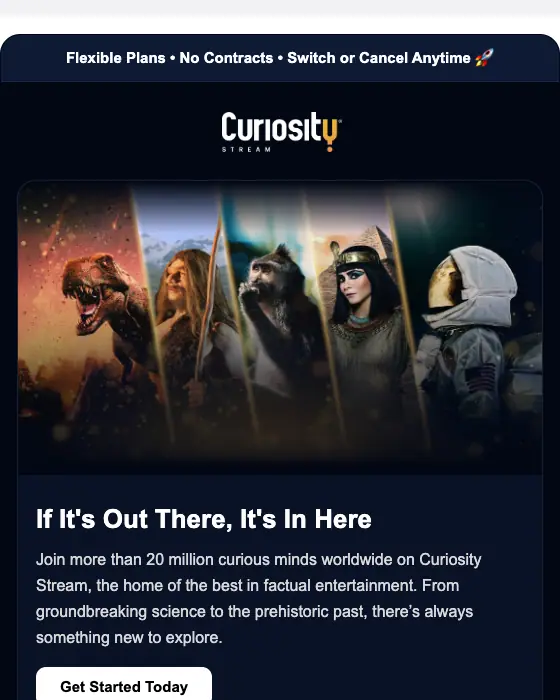
CuriosityStream
Start watching the best in factual entertainment 📺
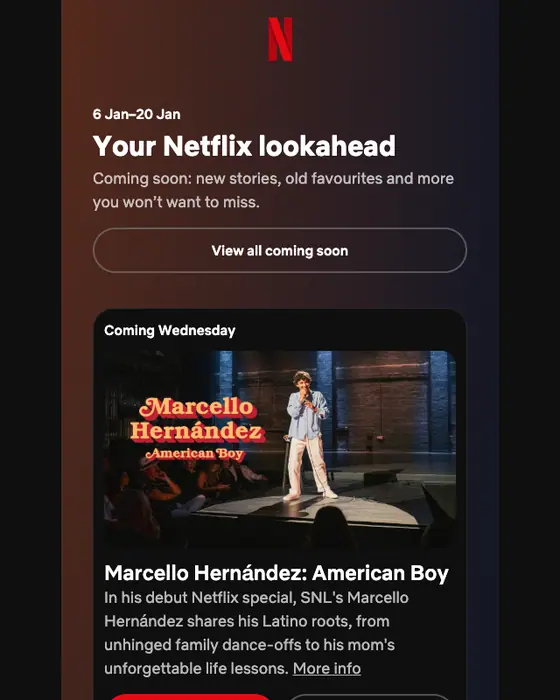
Netflix
[NAME], here's what's coming soon to Netflix
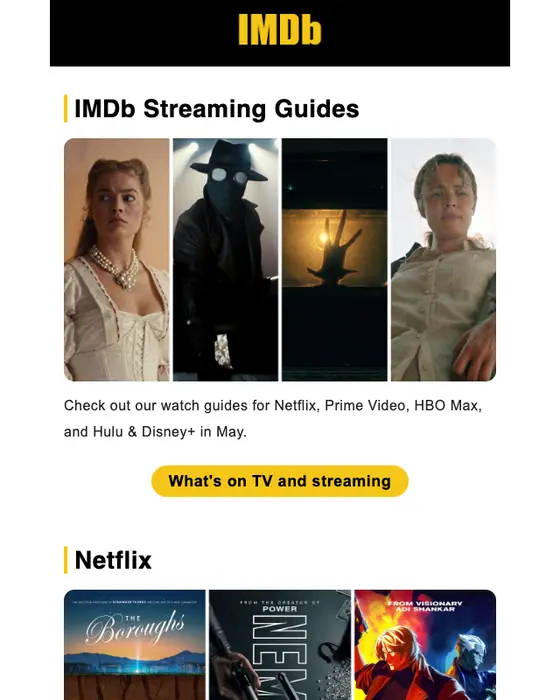
IMDb
See what's streaming in May
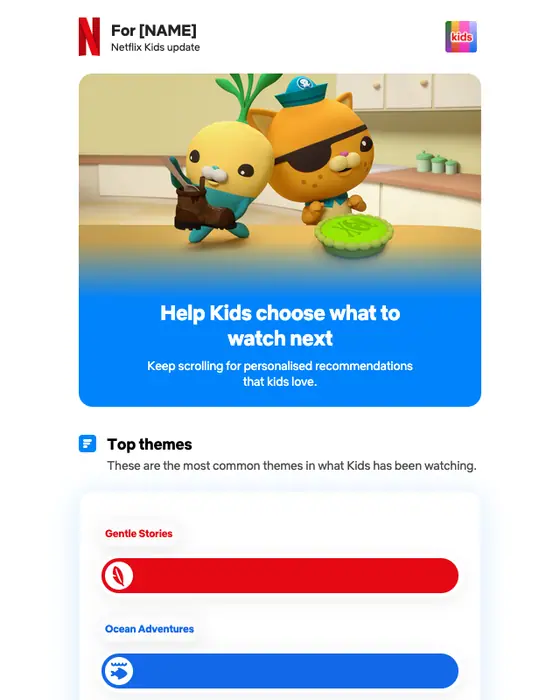
Netflix
Kids update: recap for Kids
Netflix
[NAME], what are people watching in your area?
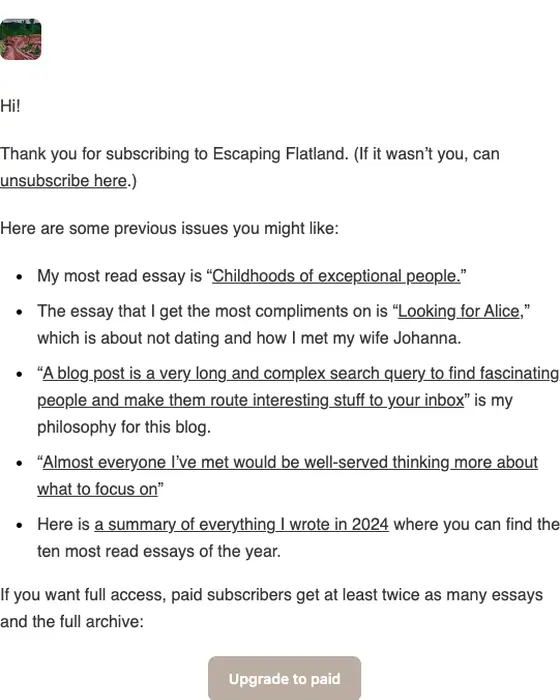
Escaping Flatland
Welcome to Escaping Flatland
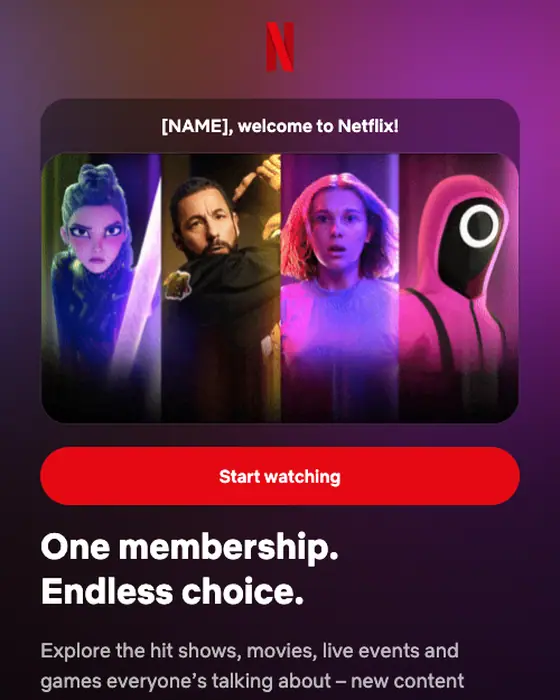
Netflix
Welcome to Netflix! Ready to dive in?
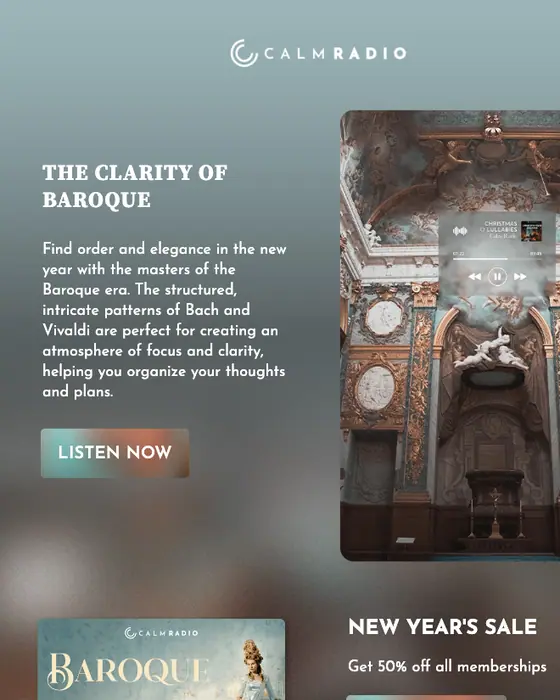
Calm Radio
Your focus soundtrack: Baroque
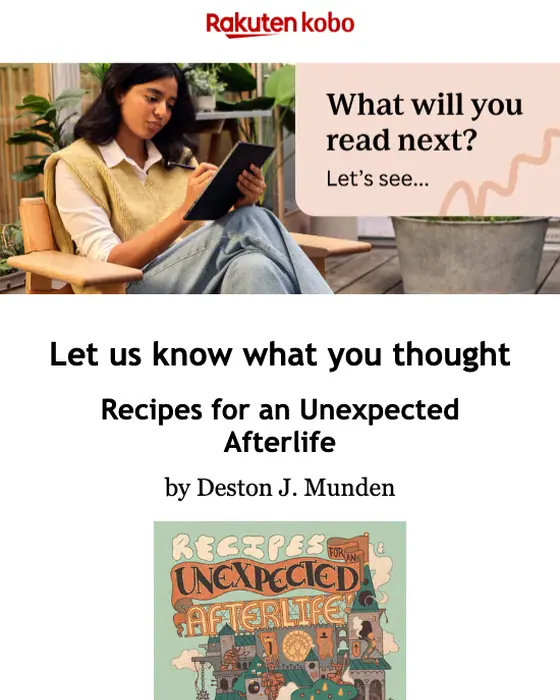
Kobo
Congrats on finishing Recipes for an Unexpected Afterlife
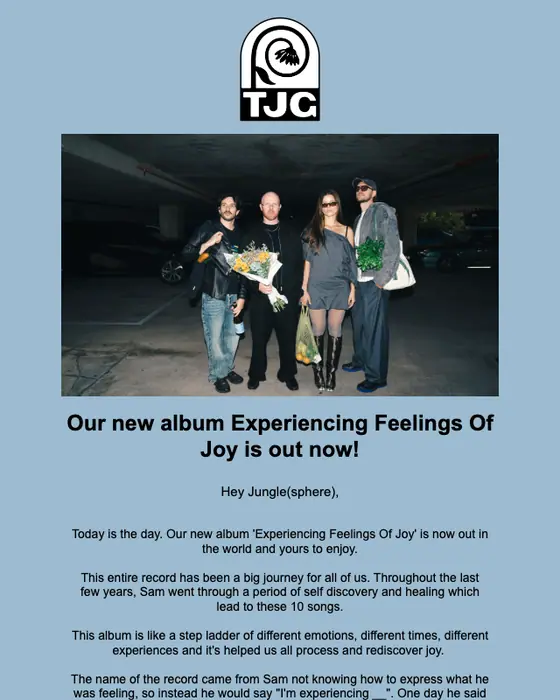
The Jungle Giants
'Experiencing Feelings Of Joy' is now yours x
New York Magazine
Read Our Most Scandalous Stories for Free
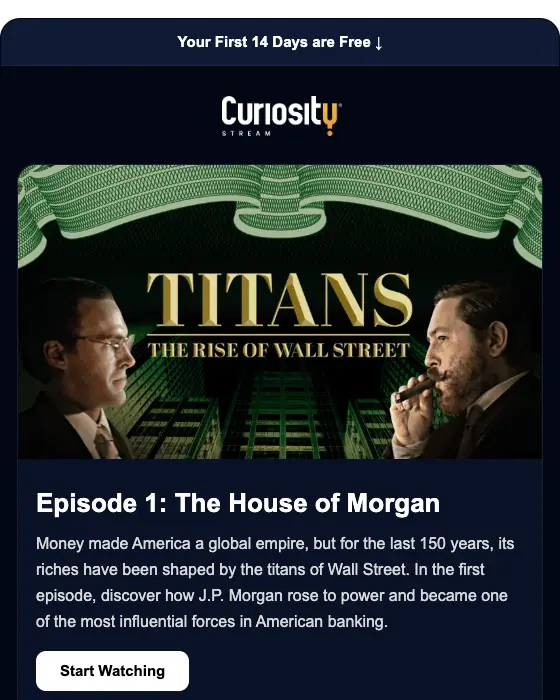
Curiosity Stream
Your free trial awaits 🍿
YouTube
Welcome to HBO Max
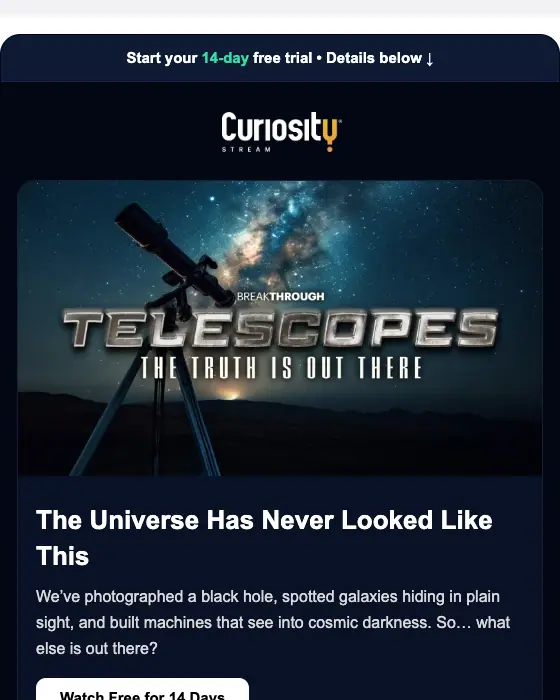
Curiosity Stream
🔭 Space has been keeping secrets
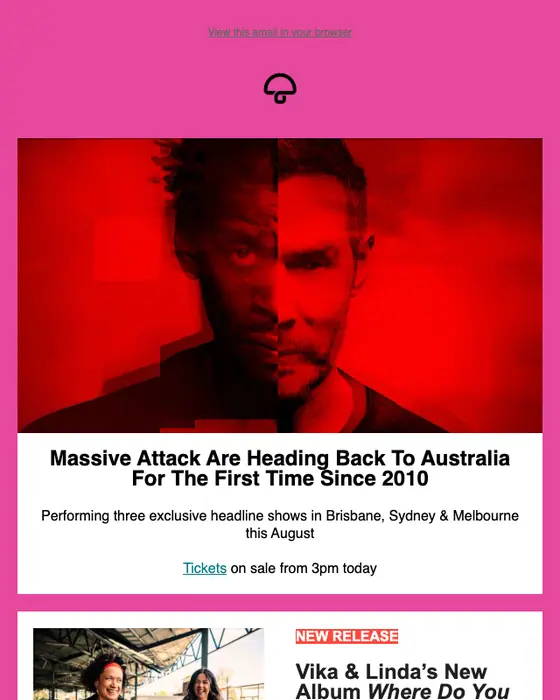
Mushroom Group
Massive news 🎧
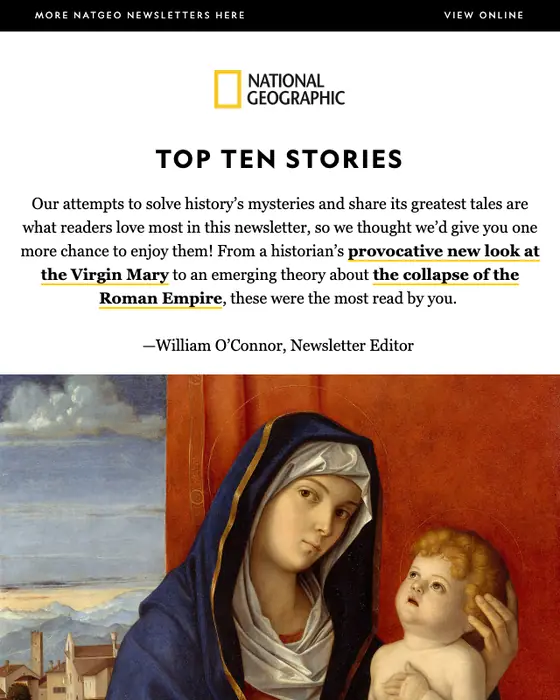
National Geographic
Who was the real Virgin Mary?; a new fall of the Roman Empire theory; Queen Victoria’s secret marriage
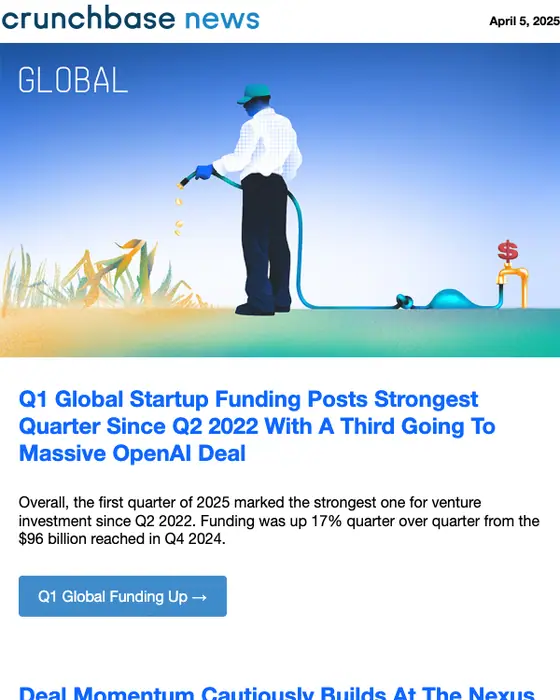
Crunchbase News
Global Startup Funding Sees Strongest Quarter Since 2022, And Deal Momentum At The Nexus Of AI And Real Estate
How media and publishing email differs from everything else in the same inboxes
Media and publishing email against every other email
816 media and publishing and 11,895 other emails| What we measured | Media and publishing | Everything else |
|---|---|---|
| Newsletters | 32% | 11% |
| Digests and roundups | 5% | under 1% |
| Re-engagement emails | 8% | 3% |
| Promotional emails | 18% | 22% |
| Sent to existing readers and subscribers | 60% | 37% |
| Editorial design style | 13% | 2% |
| Image heavy | 14% | 5% |
| Text heavy | 59% | 61% |
| Subject line says what is inside | 52% | 30% |
| Greets the reader by first name | 20% | 42% |
| No personal detail at all | 73% | 48% |
| Opens with a hero image | 14% | 12% |
| Median calls to action | 3 | 2 |
Publishers send far more of the product itself. 32% of their email is a newsletter, against 11% of everything else, and 18% is promotional, against 22%. 60% goes to people who already read, watch or subscribe, against 37% of other email, and about half their subject lines name what is inside (52%, against 30%).
They look different too. 13% use an editorial design, against 2% of other email, and 14% are image heavy, against 5%. The median email carries three calls to action, one more than the rest of the inbox. Personal touches are rarer: 20% greet the reader by first name, against 42% of other email, and 73% carry no personal detail at all.
What is in the collected set
By type
all 816 media and publishing emails collected| Type | Emails | Share of the set |
|---|---|---|
| Newsletter | 263 emails | 32% of the set |
| Promotional | 145 emails | 18% of the set |
| Re-engagement | 66 emails | 8% of the set |
| Welcome | 53 emails | 6% of the set |
| Digest | 38 emails | 5% of the set |
| Account notice | 38 emails | 5% of the set |
| Product launch | 37 emails | 5% of the set |
| Discount offer | 28 emails | 3% of the set |
| 22 other types | 148 emails | 18% of the set |
Of the 129 in the grid, 101 were sent in 2023 or later, 36 are newsletters or digests, and 16 use a plain-text layout (12%), against 27% of all 816. We left 86 rendered emails off this page, mostly sign-in alerts and password or verification codes, which every app sends and which show nothing about publishing, renders with broken images, and repeat sends of one brand's template.
Next to this one
The same library, cut a different way: entertainment emails by industry, or by the job the email does: newsletters, digest emails, welcome emails, re-engagement emails and subscription emails.
Questions about the collection
Newsletters, more than any other type. Of the 816 media and publishing emails we collected, 263 are newsletters (32%), 145 are promotions (18%) and 66 try to win back a lapsed reader or viewer. Welcome emails, digests and account notices follow, at 5% to 6% each.
It is a rule of thumb: about 80% of what you send should be worth reading for its own sake, and about 20% should sell. Media and publishing brands sit close to it. Of the 816 emails we collected from them, 145 are tagged promotional (18%), against 22% of the other email in the same inboxes.
It sells less and links more. 18% of media and publishing email is promotional, against 22% of other email, while the median email carries three calls to action, against two. 13% use an editorial design, against 2%, and only 20% greet the reader by first name.
215 of the 816 have been rendered full length for the library so far. We left 86 of those off, mostly sign-in alerts, password codes, renders with broken images and repeat templates. The other 601 count in every percentage here, so use the grid for the look of publisher email and the tables for the whole set.