

What a sale email is
A sale email is the one a shop or a brand sends its list to say prices are down for a limited time: a Black Friday sale, a flash sale, an end of financial year (EOFY) sale or a clearance. It is not the one-to-one sales email a rep writes to a prospect.
We collected 391 sale emails from 240 brands in two ordinary inboxes, sent between 2016 and 2026, and show 100 here from 93 brands. The percentages on this page describe the 391. Why the rest are not shown is in the last question below.
Browse all 100 sale emails
Filter by industry, or search a brand or a subject line such as Black Friday, EOFY or flash. Open any email to see it full length, with its subject line, notes on what it is doing, and a prompt that rebuilds it. The first 12 are Black Friday emails from 2025 and 2024, one per brand. Then come nine sales from 2026, then EOFY, flash, last-chance and extended sends.
EB Games
🔒 Our black Friday prices are unlocked! Deals go live from 19 Nov 12.01AM AEST
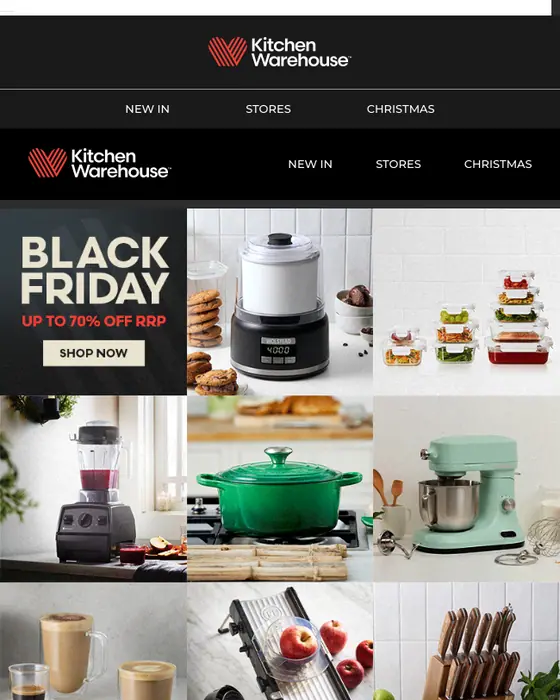
Kitchen Warehouse
Black Friday: Up to 70% off RRP
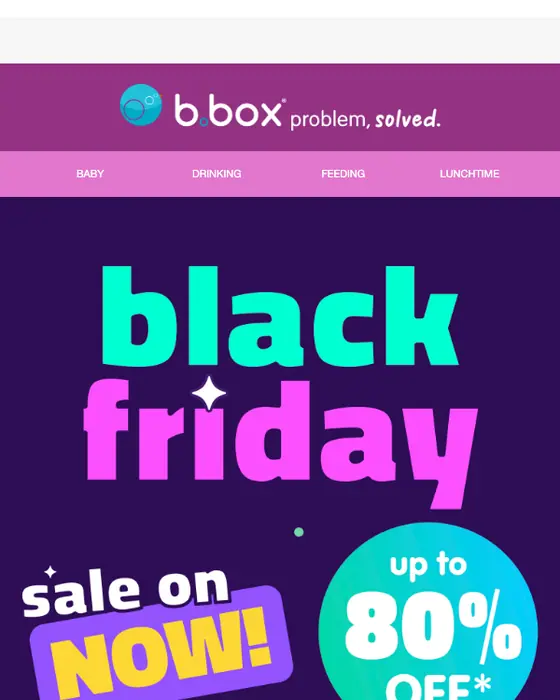
b.box for kids
Black Friday is LIVE! Up to 80% off* starts now 🖤
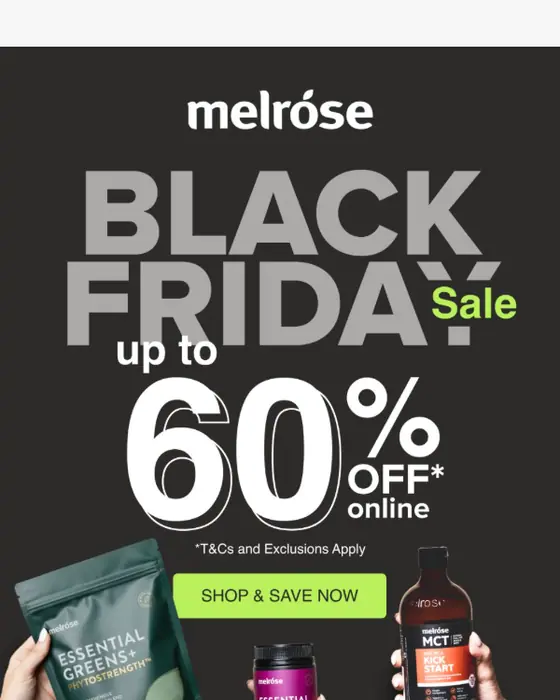
Melrose Health
Black Friday Is LIVE: Up To 60% Off 💥
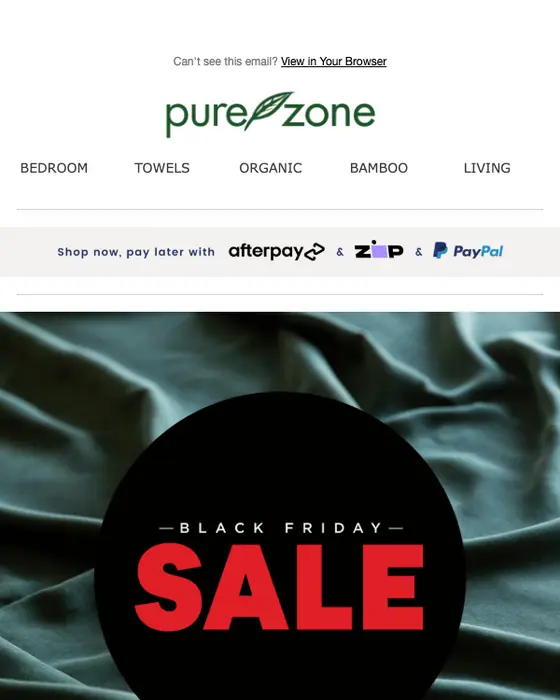
Pure Zone
Over 60% OFF Storewide with Black Friday Sale
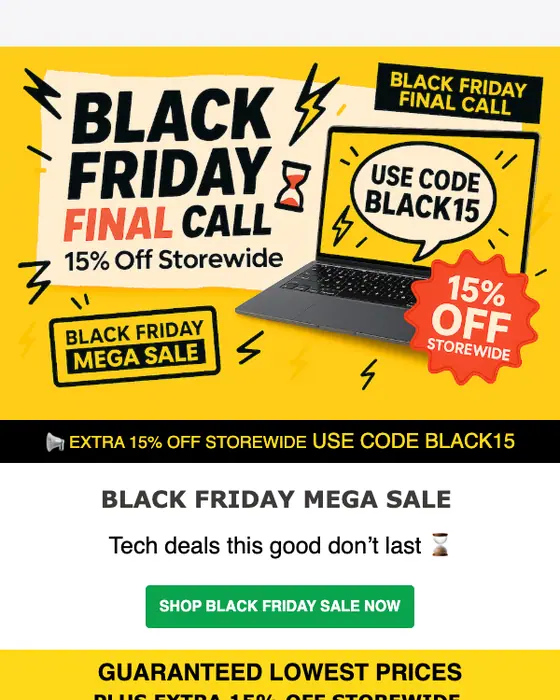
ManlyLaptops.Com.Au
Black Friday Final Call ⏳15% OFF Storewide
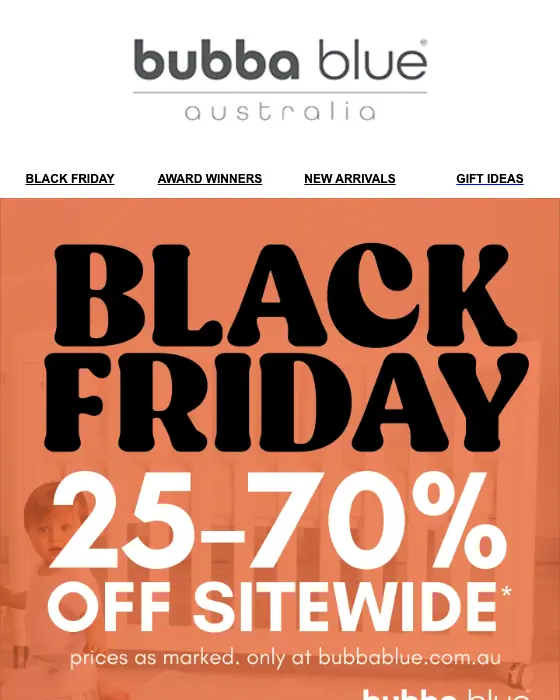
Bubba Blue Australia
MEGA SAVINGS ALERT: 25-70% Off Baby Best Sellers Black Friday SALE!
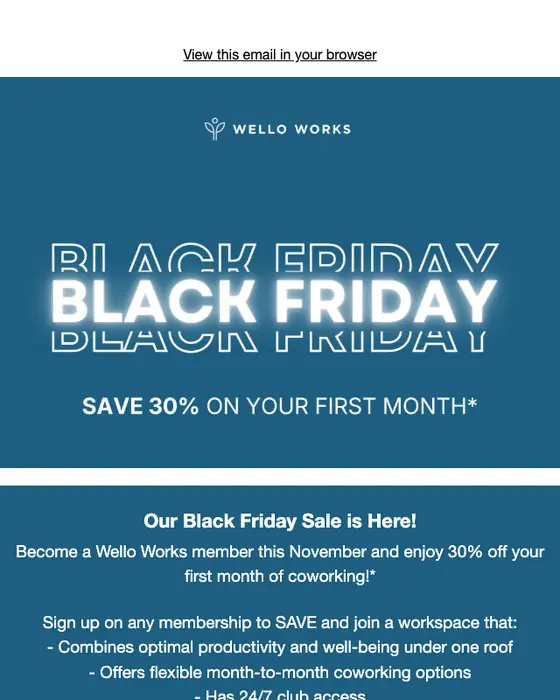
Wello Works
OUR BLACK FRIDAY SALE IS HERE | WELLO WORKS
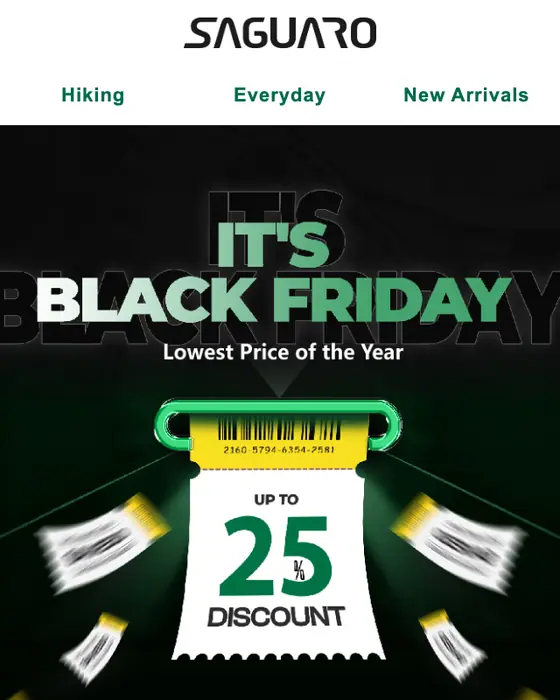
Saguaro
It’s Here: Black Friday Deals Start Now!
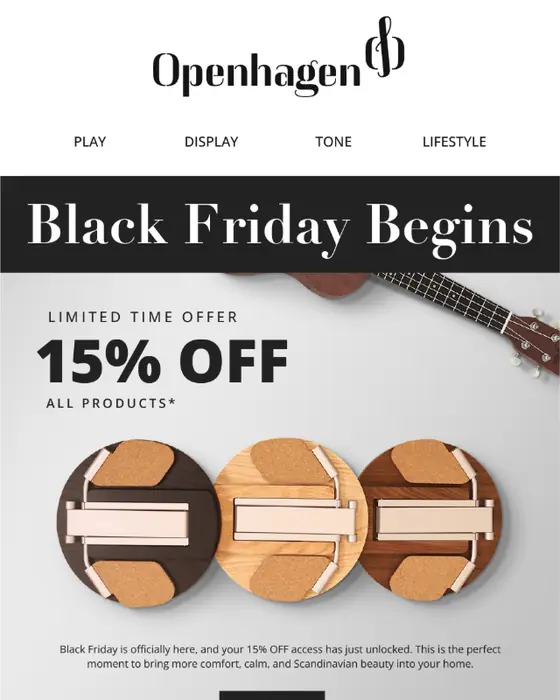
Openhagen
🎸This Black Friday choose décor designed for your guitar
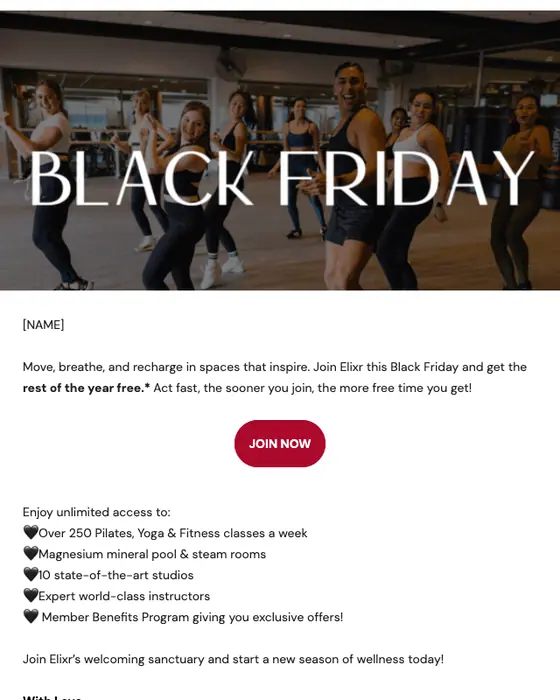
Elixr Health Club
🖤 Black Friday Sale - Rest of the Year FREE!
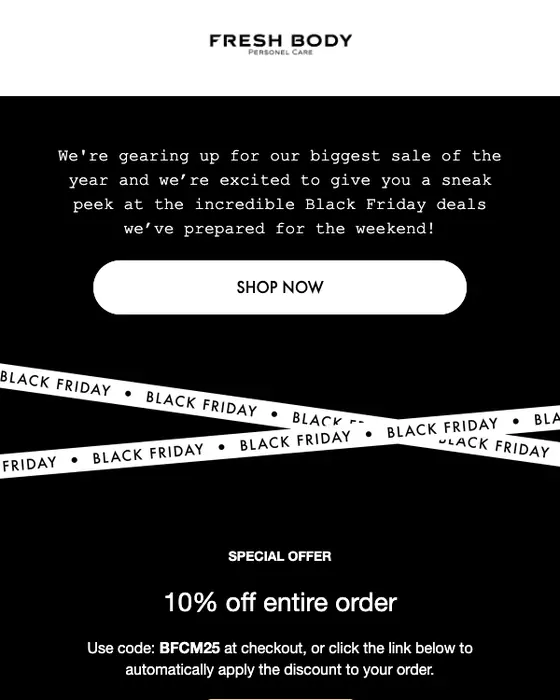
Fresh Body
Final Hours of Our Black Friday Sale
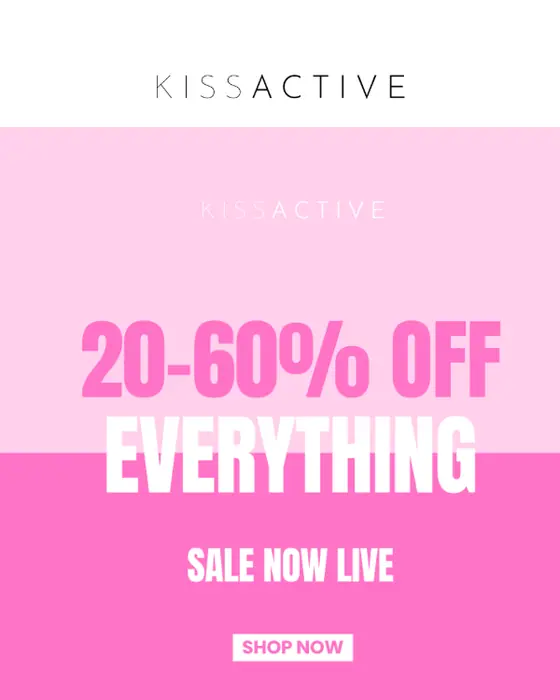
KISS ACTIVE
🔥 20-60% Off Everything Is LIVE
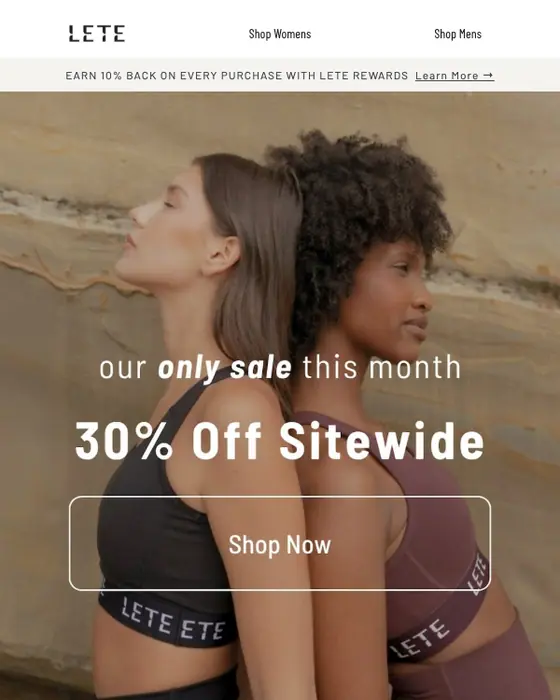
LETE ACTIVE
Flash Sale: 30% Off Ends Tomorrow 🍃
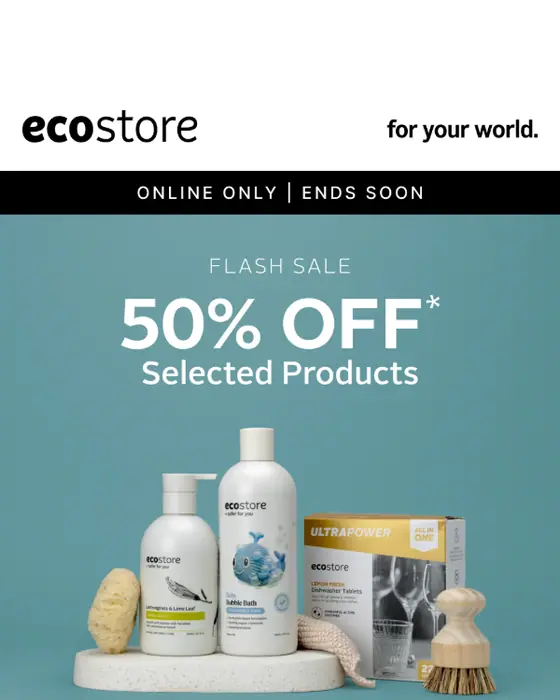
ecostore
Flash sale starts now!
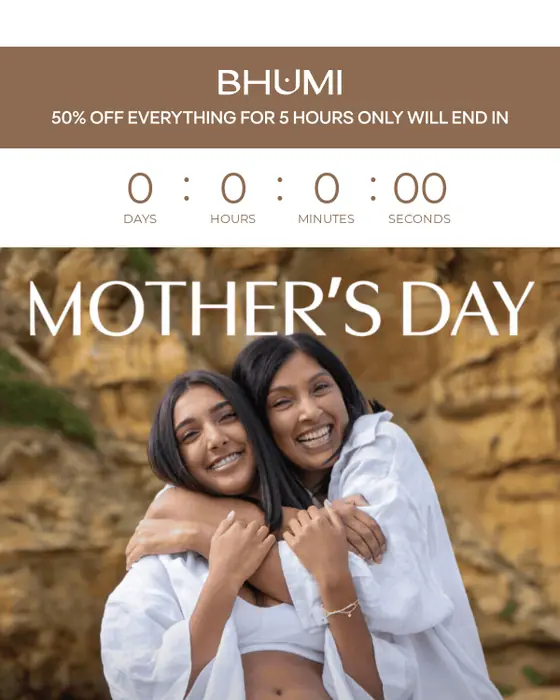
Bhumi Organic Cotton
50% OFF EVERYTHING IS ON. 5 Hours Only ⏳
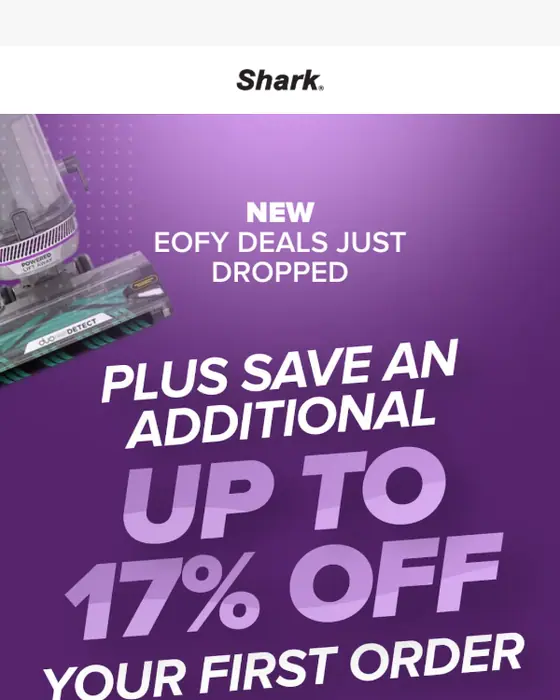
Shark Australia
New EOFY deals + 17% off your first order 👀
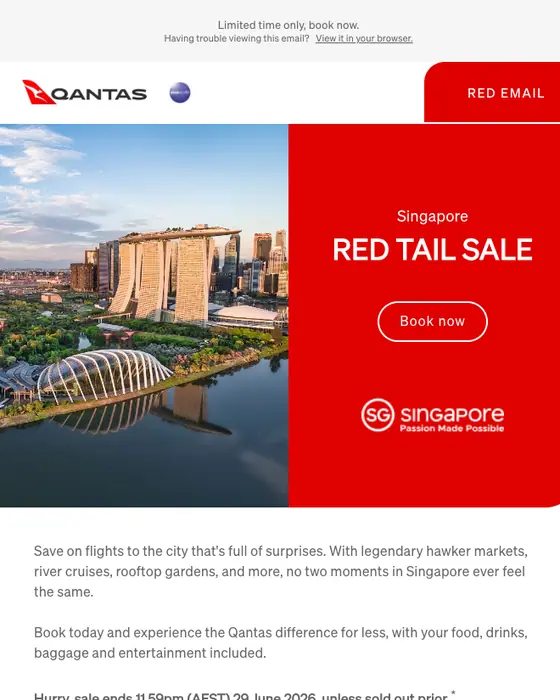
Qantas Red Email
The Singapore Red Tail Sale is on now ✈
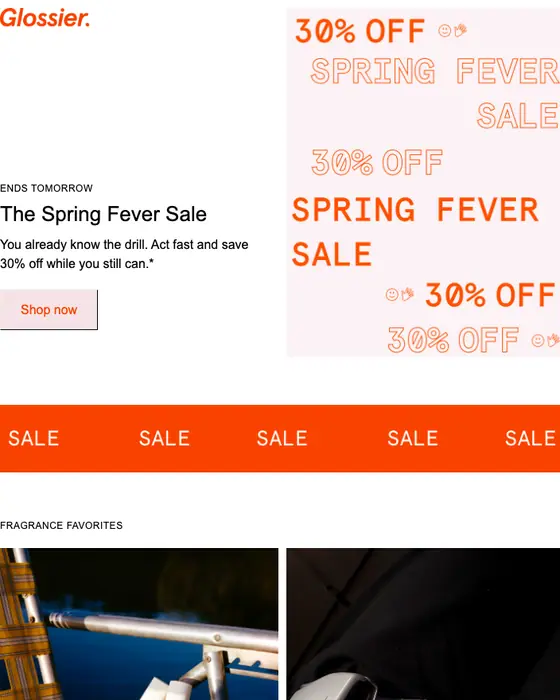
Glossier
🚨 The Spring Fever Sale ends tomorrow 🚨
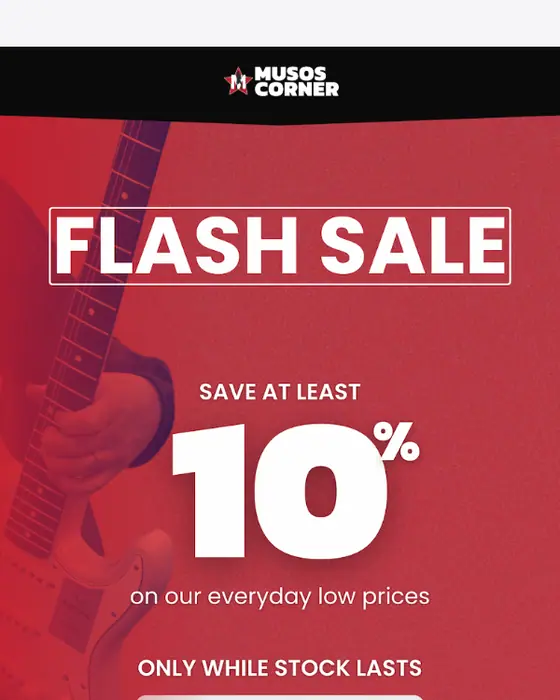
Musos Corner
Flash Sale Is Live 🎸 Save At Least 10% on Everyday Low Pricing!
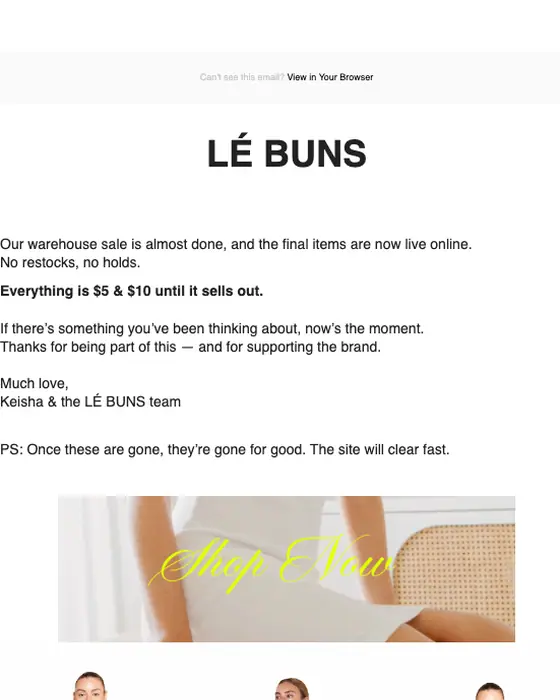
LÉ BUNS
Everything $10 : Warehouse Sale Final Hours
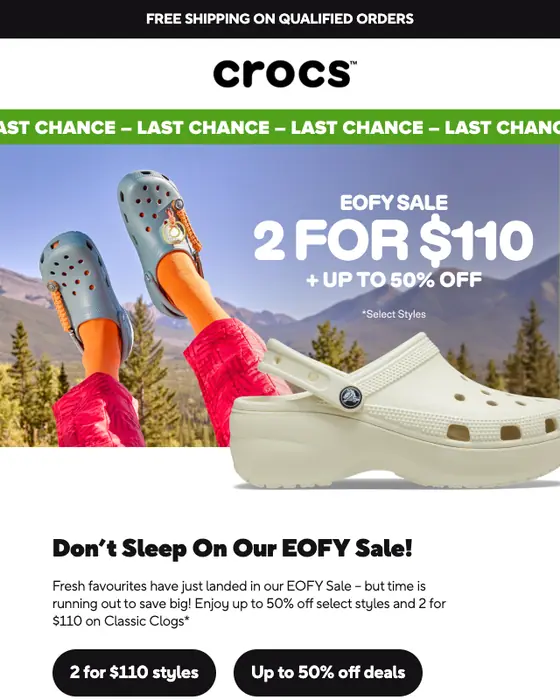
Crocs Australia
EOFY Deals End Soon ⏳
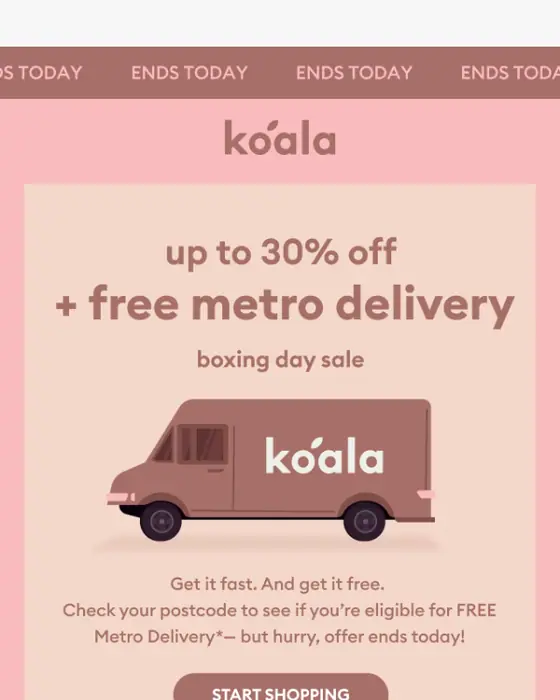
Koala
Sale ends at MIDNIGHT! ⏰
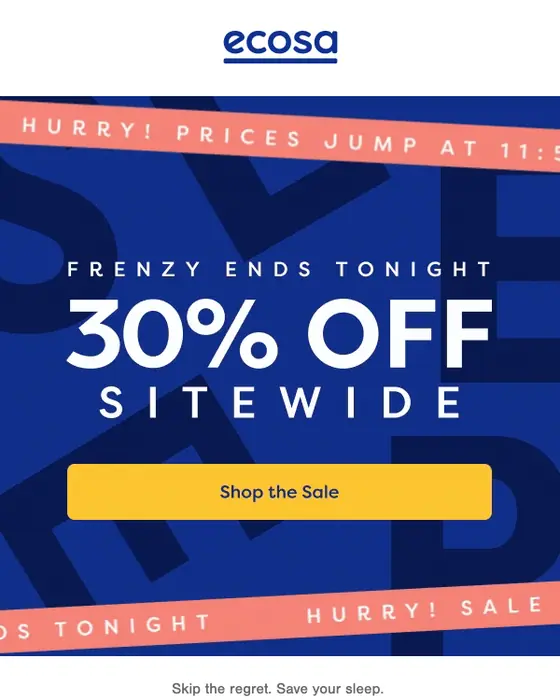
Ecosa
It’s Not Over... until 11.59PM! Hurry!
Black Friday email examples, and EOFY, flash and clearance sales
Which sale the 391 emails are for
counted once each, by what the subject line names| Occasion | How we counted it | Emails | Of 391 | One to open |
|---|---|---|---|---|
| Black Friday and Cyber Monday | Subject line names Black Friday, BFCM, Cyber Monday or Cyber Week, or plays on them | 81 | 21% | Kitchen Warehouse, 2025: “Black Friday: Up to 70% off RRP” |
| EOFY and mid-year | Names EOFY, the financial year, a mid-year or a half-yearly sale | 36 | 9% | Crocs Australia, 2025: “EOFY Deals End Soon ⏳” |
| Another named day or season | Names Boxing Day, Christmas, Easter, Mother's Day, Afterpay Day, a birthday or another named day, holiday or season | 61 | 16% | Pure Zone, 2025: “Boxing Day SALE // Up to 70% OFF RRP Today” |
| Flash sale | Says flash, or counts the sale in hours or days | 33 | 8% | ecostore, 2026: “Flash sale starts now!” |
| Clearance | Says clearance, warehouse sale, closing down, past season or while stocks last | 8 | 2% | LÉ BUNS, 2026: “Everything $10 : Warehouse Sale Final Hours” |
| No occasion named | None of the above | 172 | 44% | Koala, 2025: “Sale ends at MIDNIGHT! ⏰” |
Each email is counted once, in the first row its subject line fits, reading the table from the top. The 81 Black Friday and Cyber Monday emails came from 58 brands, and 69 of them arrived in November. 13 refer to Cyber Monday or Cyber Week, and the grid has one of those, from Booktopia in 2020.
A classic mistake an email platform sees in October and November is a sender with a list nobody has emailed in years, planning five sale emails before Black Friday. People who do not remember signing up mark those emails as spam, and the complaints damage deliverability.
EOFY is the Australian end of financial year sale, and the Australian financial year ends on June 30. All 36 came from Australian brands and 28 arrived in June. 252 of the 391 emails (64%) are from Australian brands and 97 are from US brands, so the grid leans Australian: 77 of the 100 shown.
One sale can be three emails. Bhumi Organic Cotton sent “Set Your Alarm ⏰ 50% OFF Everything Starts Tomorrow” on April 18, 2026, “50% OFF EVERYTHING IS ON. 5 Hours Only ⏳” on April 19 and “🚨 Final Hours. 50% OFF Everything.” on April 20, and all three are in the grid. Across the 391, 17 subject lines tease a sale or open it early to the list before everyone else, 113 (29%) say it is ending, in its last hours or extended, and 14 of those say extended or still on.
How sale emails differ from other promotional emails
Sale emails against promotional emails and every other email
391 sale, 2,781 promotional and 11,911 other emails| What we measured | Sale | Promotional | Every other email |
|---|---|---|---|
| A percentage in the subject line | 32% | 6% | 4% |
| Subject line says the sale is ending, in its last hours or extended | 29% | 4% | 3% |
| Urgent tone | 68% | 19% | 10% |
| Sent in November | 29% | 11% | 10% |
| Sent in June | 15% | 11% | 10% |
| Sent by an Australian brand | 64% | 41% | 46% |
| Sent to existing customers | 86% | 51% | 38% |
| Hero image | 44% | 24% | 11% |
| Product grid | 22% | 6% | 4% |
| Exactly one call to action | 37% | 30% | 30% |
| Plain text layout | 10% | 25% | 33% |
| Median calls to action | 2 | 2 | 2 |
A sale runs on the calendar. 29% of the 391 arrived in November and 15% in June, against 10% of every other email in each of those months.
The deadline is often in the subject line: 29% say the sale is ending, in its last hours or extended, against 4% of promotional emails, and 32% contain a percentage. Inside, 44% have a hero image and 22% a product grid, against 24% and 6% of promotional emails. The “Every other email” column includes the promotional emails.
Next to this one
This page holds sales with an end date. Offers of any kind are in promotional email examples, a code or a percentage for one reader is in discount offer emails, and holiday sends with no price cut are in seasonal emails. Other offers from fashion brands are in fashion promotional emails, every kind of email from online shops is in ecommerce emails, and the emails the library tags as promotional by lifecycle stage are in promotional stage emails.
Questions about sale emails
Three from the grid, all sent in 2026: ecostore's “Flash sale starts now!”, LETE ACTIVE's “Flash Sale: 30% Off Ends Tomorrow 🍃” and Bhumi Organic Cotton's “50% OFF EVERYTHING IS ON. 5 Hours Only ⏳”. 33 of the 391 sale emails we collected say flash or count the sale in hours or days, without naming a bigger event.
In our inboxes, 81 of the 391 sale emails name Black Friday or Cyber Monday in the subject line, from 58 brands. 69 of those arrived in November and 22 also put a percentage in the subject line. Kitchen Warehouse wrote “Black Friday: Up to 70% off RRP”, and EB Games told readers the date its deals went live.
Real subject lines from the grid: “Black Friday is LIVE! Up to 80% off* starts now 🖤” from b.box for kids, “Black Friday Final Call ⏳15% OFF Storewide” from ManlyLaptops.Com.Au, and “Better than Black Friday: all plans and seats are 35% OFF!” from UptimeRobot, which arrived in July. 81 of the 391 sale emails name Black Friday or Cyber Monday.
In our inboxes the subject line often does the announcing: 32% of the 391 sale emails put a percentage there, and 15% use words like starts now, live, is here or on now. Bhumi Organic Cotton sent a starts-tomorrow email the day before its 50% off sale opened. Other kinds of offer are in the promotional email examples.
257 of the 391 are not rendered full length yet. Of the 134 that are, we left out 39: 23 repeat sends from brands already shown, 7 with broken or clipped images, 4 walls of text and 5 showing a name, a handle or a placeholder. We added five sends the library files under neighboring types.