
What a seasonal email is
A seasonal email is one a brand sends because of the date: a holiday, a gift-giving day, a sale tied to the calendar, or a change of season. Most are Christmas emails.
We collected 114 seasonal emails from 98 brands in two ordinary inboxes. The oldest is from 2016.
This page shows 53 of them, from 51 brands. The percentages describe all 114.
48 of the rest have not been rendered full length for the library yet, and four were removed from the whole library for a broken render or personal data.
We also left out nine that were rendered: three birthday emails (a birthday is not a season), one in Korean, and five repeat sends of a template from a brand already in the grid.
Browse all 53 seasonal emails
Filter by where the sender is, or search a brand or subject. Open any email to see it full length, with its subject line, notes on what it is doing, and a prompt that rebuilds it. The grid opens with recent emails from across the occasions below. To use one as a template, open it and copy the prompt that rebuilds it in your own brand.
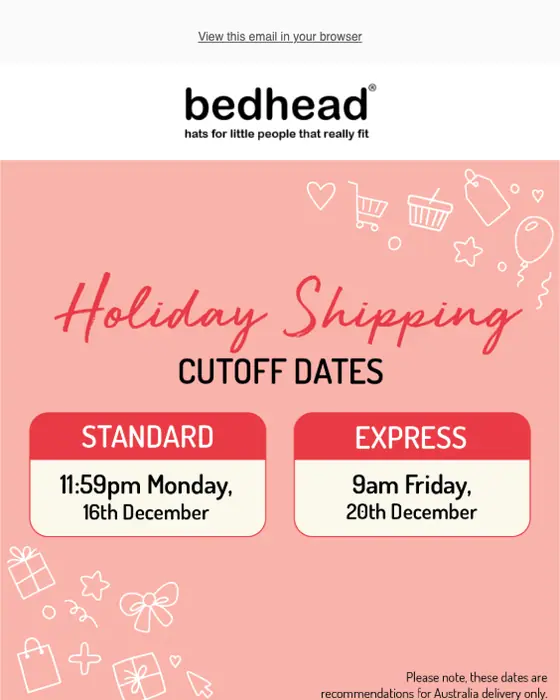
Bedhead Hats
🎄 Important: Christmas Closure & Shipping Cut-Off Dates!
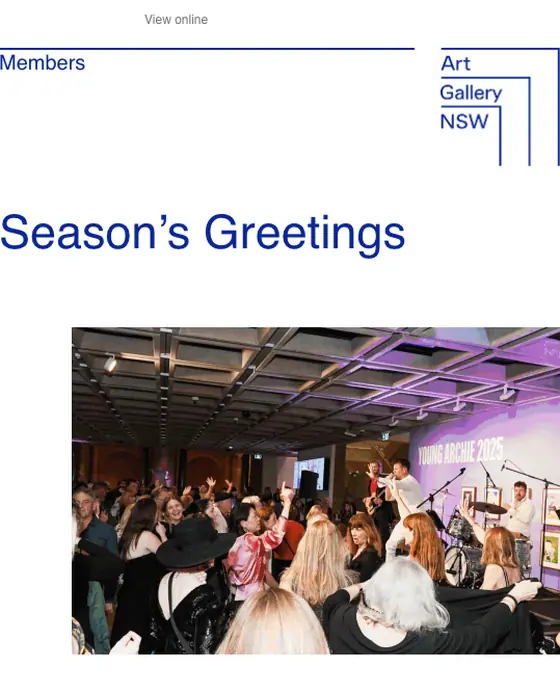
Art Gallery of NSW Members
Season’s Greetings and our sincere gratitude for your support
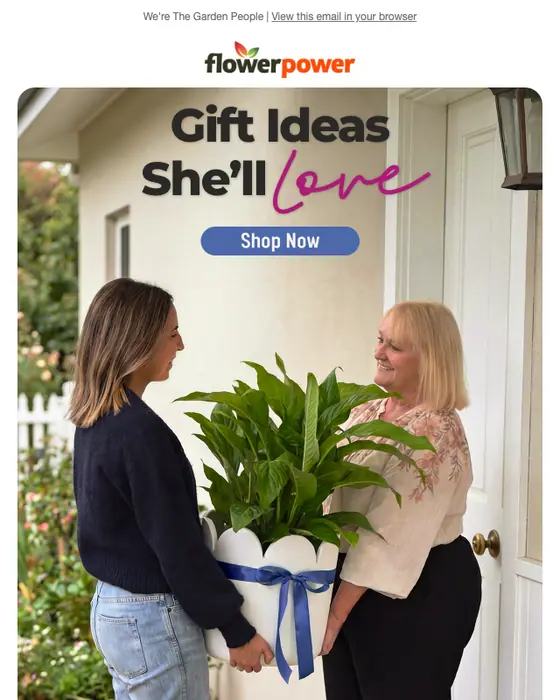
Flower Power
Mother's Day Gift Ideas She'll Love
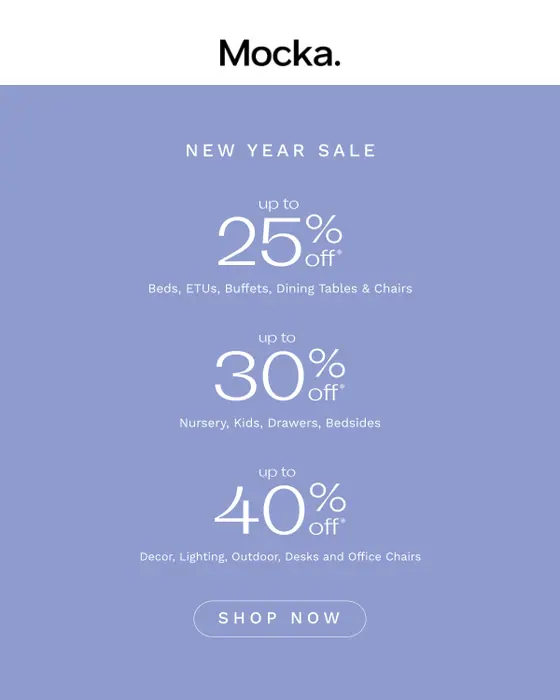
Mocka
New Year, New Deals: Up to 40% Off* Starts Now
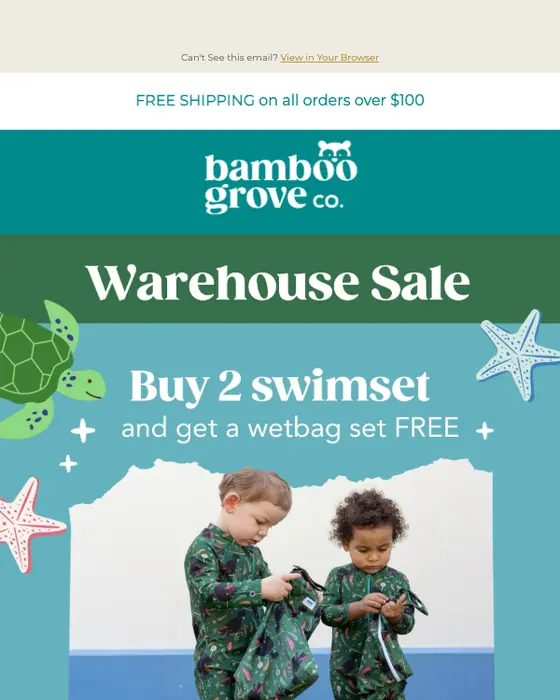
Bamboo Grove Co
Splash into Easter with a Free Gift 🐣
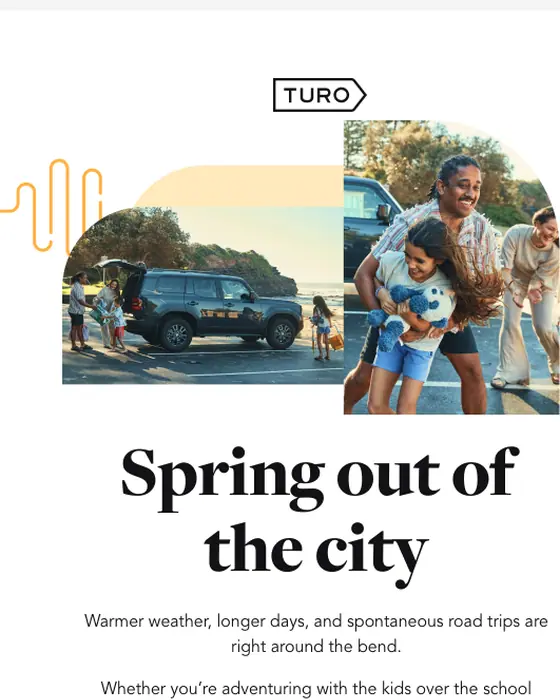
Turo
Spring into holiday mode
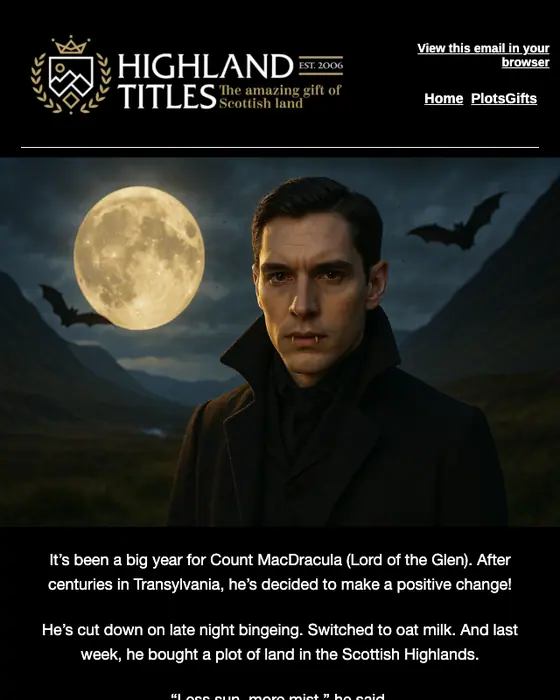
Highland Titles
A Fang-Tastic Highland Offer Awaits
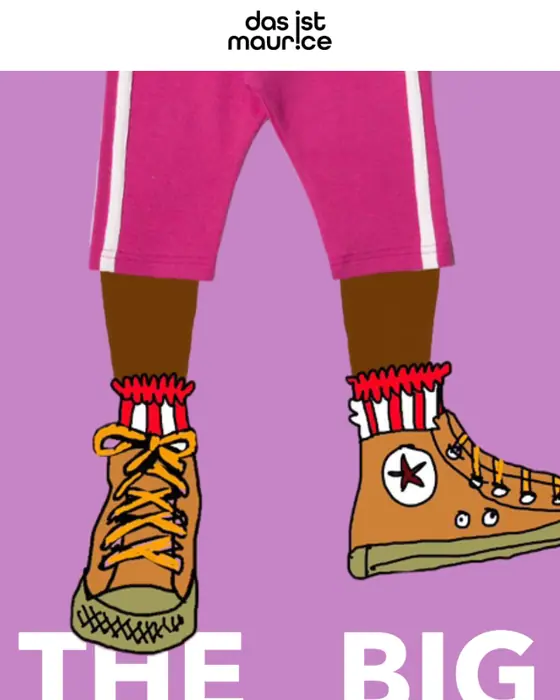
Das Ist Maurice
Last Chance for Christmas Delivery Tonight 🚚
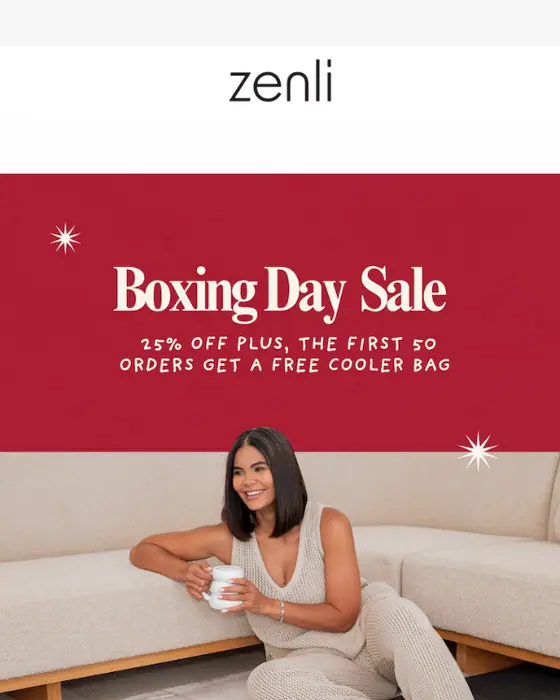
Zenli
25% Off + Free Gift This Boxing Day

Ecosa
We prefer Back Friday (not a typo).
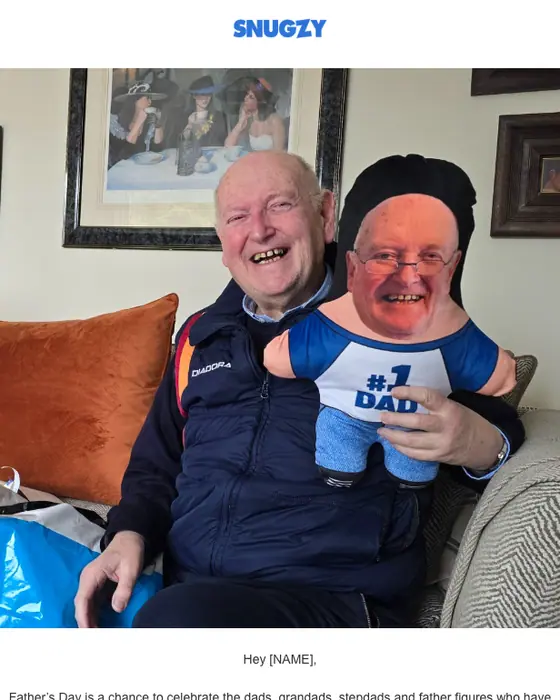
Snugzy
A little love for Father's Day 💙
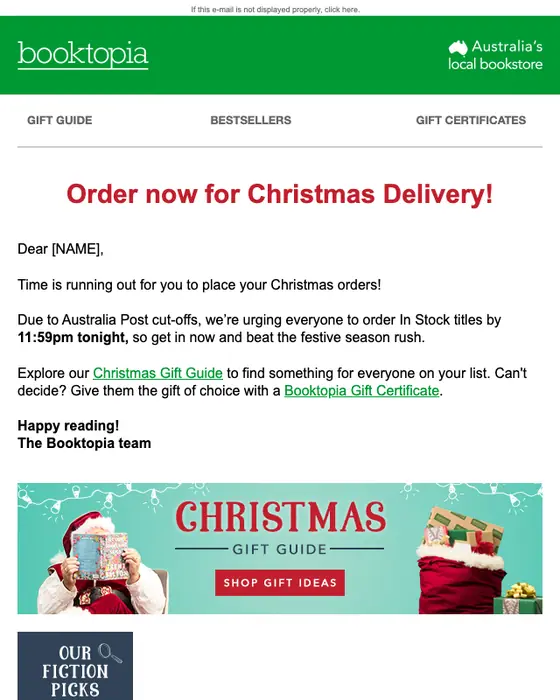
Booktopia Bookstore
⏰ FINAL CALL: Order by 11.59pm tonight for Christmas delivery.
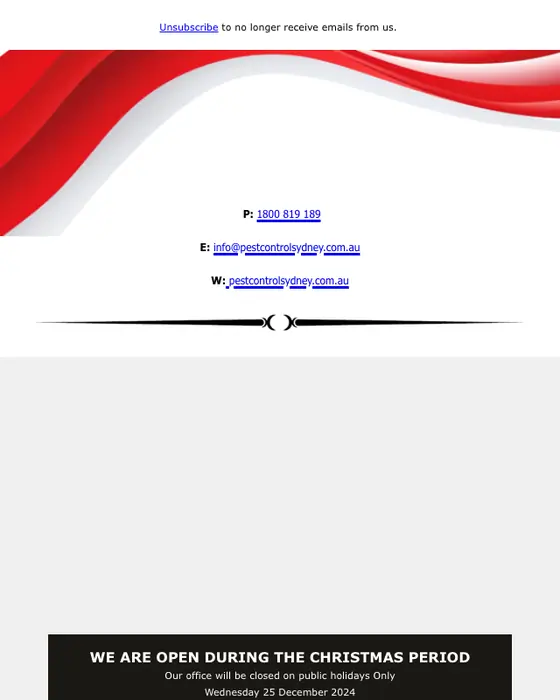
Sydney’s Best Pest Control
Not All Holiday Guests Are Welcome Find out Why?
The Indigo Project
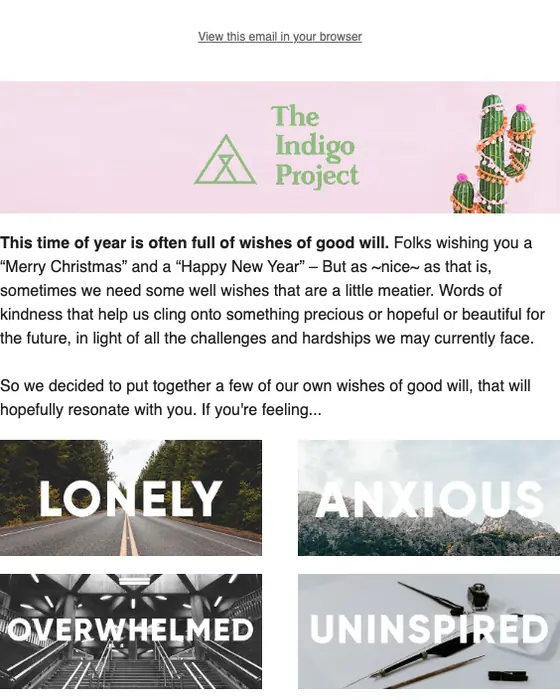
Our honest wishes for you, for Christmas and beyond... 💗
BOOST LAB
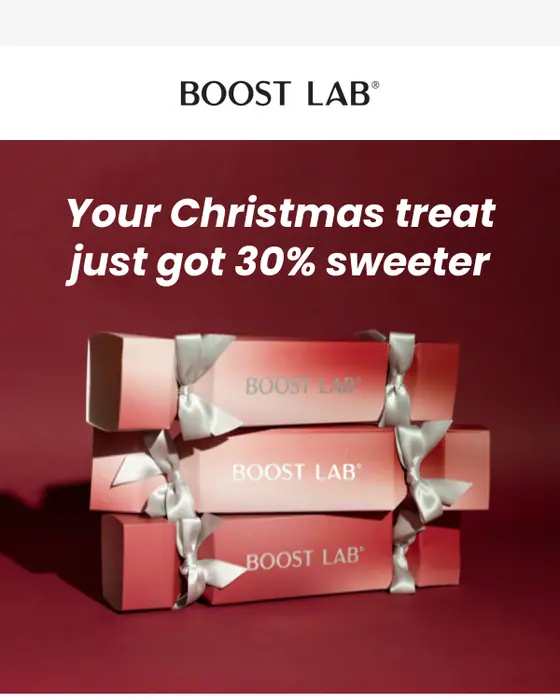
30% off Christmas Bon Bons!

YETI
Get Ready To Head Back To School
ResellersPanel
Happy Holidays from ResellersPanel!
KlientBoost
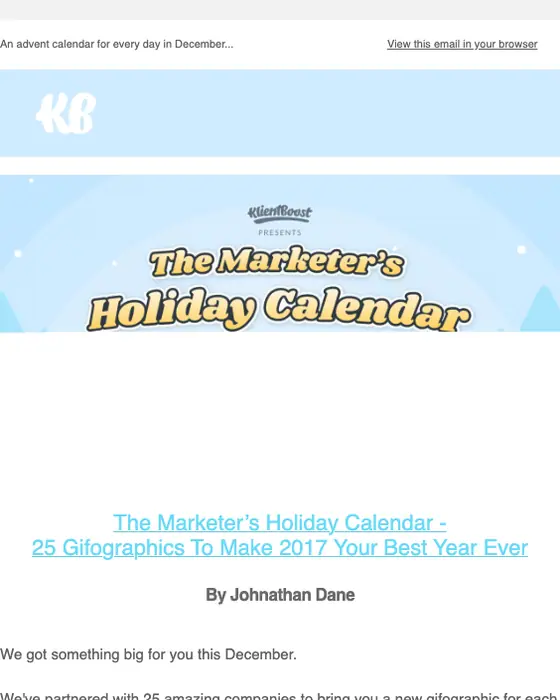
We're going all out for the holidays, you're gonna like this 🎅🎄🎁
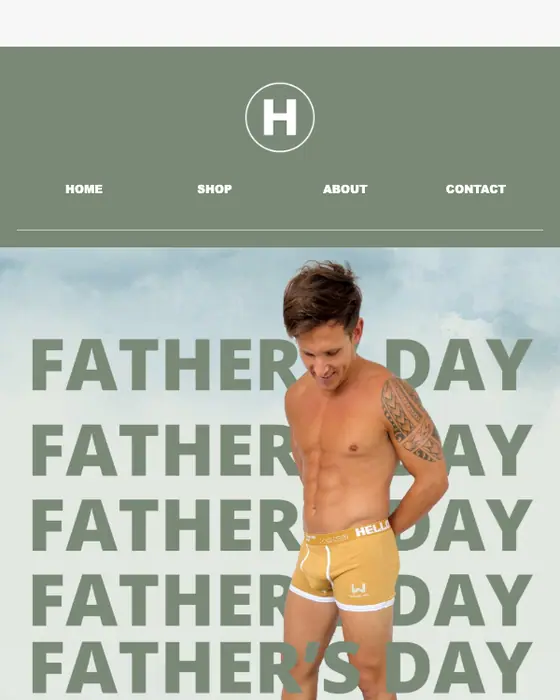
HELLO
20% Off | Father's Day Sale
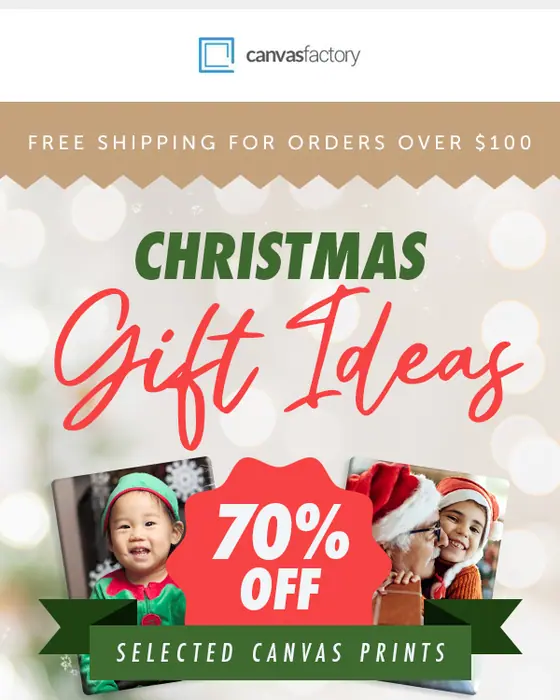
Canvas Factory
[70% OFF] Christmas Gift Ideas 🎁
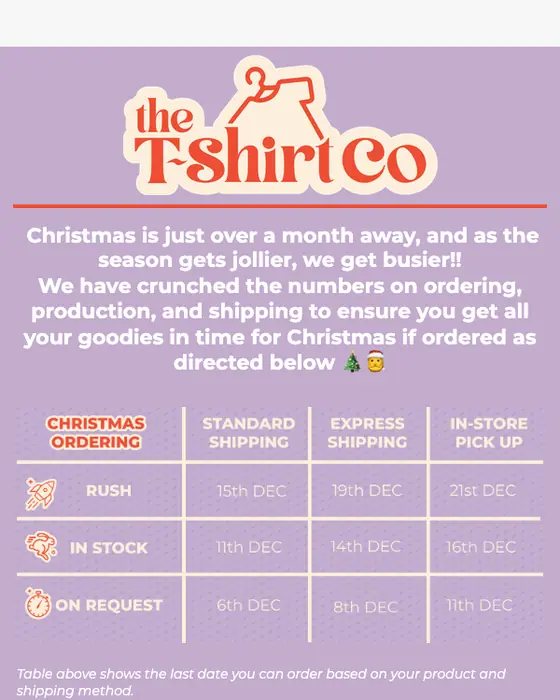
The T-Shirt Co
Christmas is approaching - order now! 📦🎄
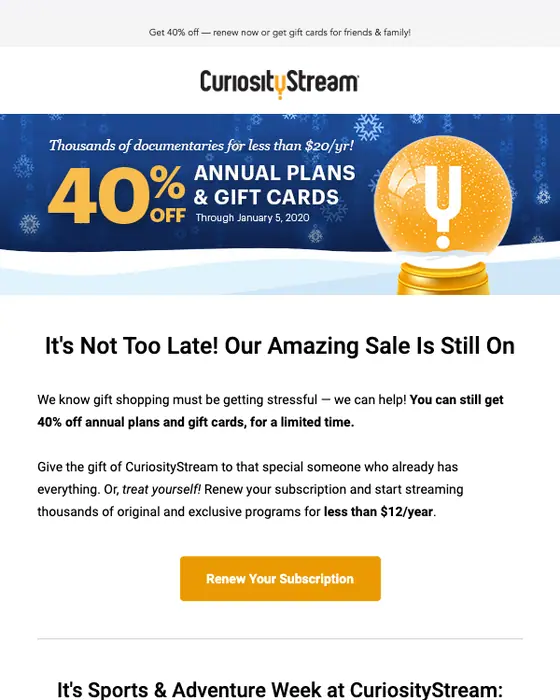
CuriosityStream
Still holiday shopping, [NAME]? 🎁
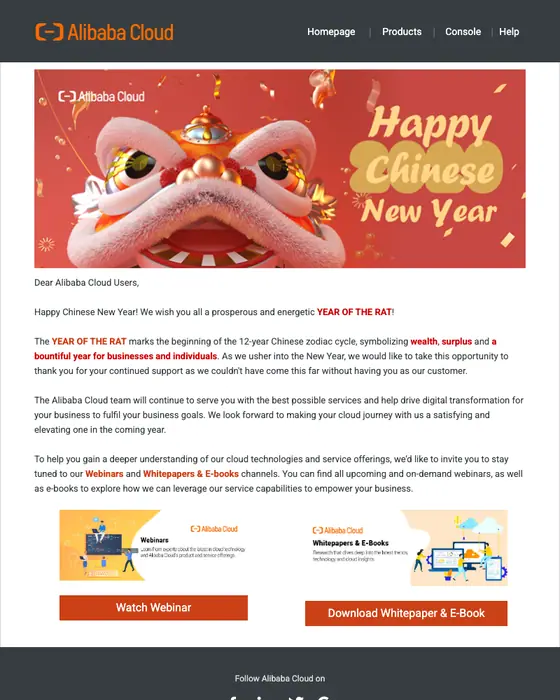
Alibaba Cloud
Happy Chinese New Year! Wishing You a Prosperous and Successful Year Ahead!
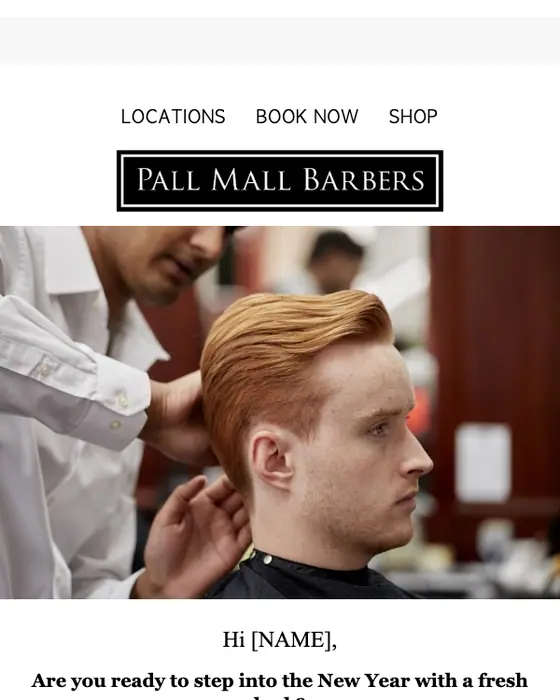
Pall Mall Barbers
🔵Pall Mall Barbers: Last Minute Haircut? Book Now! We've Got You Covered Between Christmas and New Year!
Seasonal emails by occasion
What the 114 seasonal emails are for
sorted by hand from the subject line, send date and the email itself| Occasion | Emails | One to open |
|---|---|---|
| Christmas and the December holidays | 70 | Bedhead Hats, 2024: "🎄 Important: Christmas Closure & Shipping Cut-Off Dates!" |
| New Year and Lunar New Year | 8 | Mocka, 2026: "New Year, New Deals: Up to 40% Off* Starts Now" |
| Mother's Day and Father's Day | 9 | Flower Power, 2026: "Mother's Day Gift Ideas She'll Love" |
| Easter | 4 | Bamboo Grove Co, 2025: "Splash into Easter with a Free Gift 🐣" |
| A season of the year | 8 | Turo, 2025: "Spring into holiday mode" |
| Black Friday and Boxing Day sales | 2 | Zenli, 2025: "25% Off + Free Gift This Boxing Day" |
| Other days | 10 | Highland Titles, 2025: "A Fang-Tastic Highland Offer Awaits" |
| Birthday | 3 | None shown: a birthday is not a season |
Christmas email examples
Christmas is most of the set. Bedhead Hats' Christmas email is almost all deadline: two cut-off boxes for standard and express shipping within Australia, then the dates the warehouse closes and reopens.
The Indigo Project's Christmas email sends good wishes, then lists Australian support helplines for anyone struggling over the holidays, and gives its Christmas opening hours further down.
Mother's Day, New Year and spring email examples
Away from December the email is usually a gift guide or a sale. Flower Power's Mother's Day email is four gift categories under one headline. Mocka's New Year sale stacks three discount tiers, each for a different part of the range.
Turo's spring email has one headline, three short paragraphs and one button. Also here: Das Ist Maurice's last Christmas delivery, Ecosa's Black Friday, and Easter from Bamboo Grove Co.
How seasonal emails differ from other promotional emails
Seasonal emails against promotional emails and every other email
114 seasonal, 2,799 promotional and 12,597 other emails| What we measured | Seasonal | Promotional | Every other email |
|---|---|---|---|
| Warm tone | 54% | 17% | 15% |
| Sent to existing customers | 84% | 50% | 38% |
| An emoji in the subject line | 36% | 23% | 15% |
| Hero image | 38% | 24% | 12% |
| Product grid | 18% | 6% | 4% |
| A percentage in the subject line | 6% | 6% | 5% |
| Urgent tone | 12% | 19% | 12% |
| Exactly one call to action | 28% | 30% | 30% |
| Plain text layout | 13% | 25% | 32% |
| Single column layout | 80% | 69% | 65% |
| Median calls to action | 2 | 2 | 2 |
Seasonal emails talk to people the brand already has. 84% went to existing customers, against 50% of promotional emails.
They are warmer. 54% are written in a warm tone, against 17% of promotional emails.
They are also less urgent: 12% are written in an urgent tone, against 19% of promotional emails.
They lead with the occasion, not the price. 36% put an emoji in the subject line, against 23% of promotional emails. Only 6% put a percentage there, about the same as promotional emails.
The "Every other email" column includes the promotional emails.
Next to this one
The same library, cut by the job the email does: promotional emails, sale emails, discount offer emails and newsletters.
Questions about seasonal emails
Bedhead Hats sent one before Christmas that is almost all deadline: standard and express shipping cut-off dates, then when the warehouse closes and reopens. Of the 114 seasonal emails we collected, 70 are about Christmas or the December holidays. Open any of them in the grid above to see it full length.
A short, warm one that is useful. 54% of the 114 seasonal emails we collected are written in a warm tone, against 17% of promotional emails. Useful can mean a date, such as the last day to order or when the business closes and reopens. The Indigo Project added support helplines.
Put it in the subject line and name the company. 16 of the 114 seasonal subject lines we collected say Happy Holidays, Season's Greetings or Holiday Greetings, and 11 of those add "from" and the company's name, so the reader knows who is writing before opening it. ResellersPanel does this.
Mostly at the end of the year: 78 of the 114 we collected, 68%, arrived in November or December. The rest follow the calendar: New Year and Lunar New Year, Easter, Mother's Day and Father's Day, the change of season, and days like Halloween and the Fourth of July.
Of the 114 we collected, 53 are shown. Of the rest, 48 have not been rendered full length for the library yet, four were removed for a broken render or personal data, and nine were left out: three birthday emails, one in Korean, and five repeat sends of a template from a brand already in the grid.