
What is on this page
A promo email is a marketing email that pushes one offer or occasion to buy, book or attend: a ticket on-sale, a seasonal gift range, a sale or a new product.
We collected 76 of them, from 66 brands, in two ordinary inboxes between 2016 and 2026, and show 26 here. All 76 count in the numbers below. Most promotional email in the library sits elsewhere, on all promotional email examples.
Browse 26 promo emails
Filter by type, or search a brand or subject line. Open any email to see it full length, with its subject line, notes on what it is doing, and a prompt that rebuilds it.
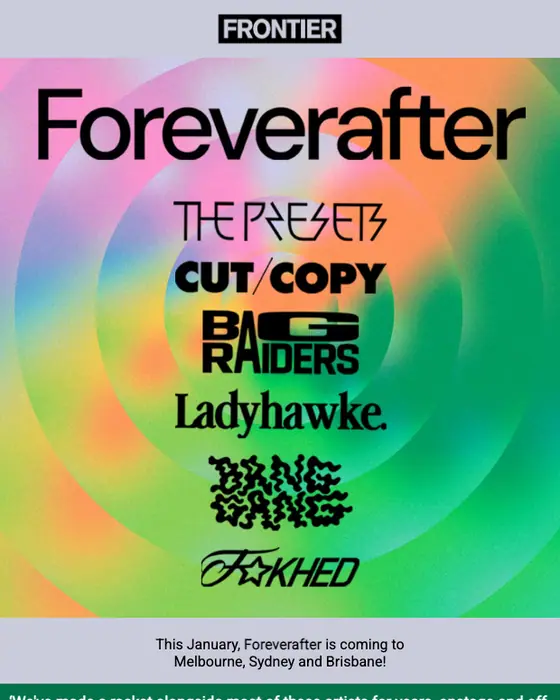
Frontier Touring
🌀 Foreverafter: The Presets, Cut Copy, Bag Raiders, Ladyhawke + more!
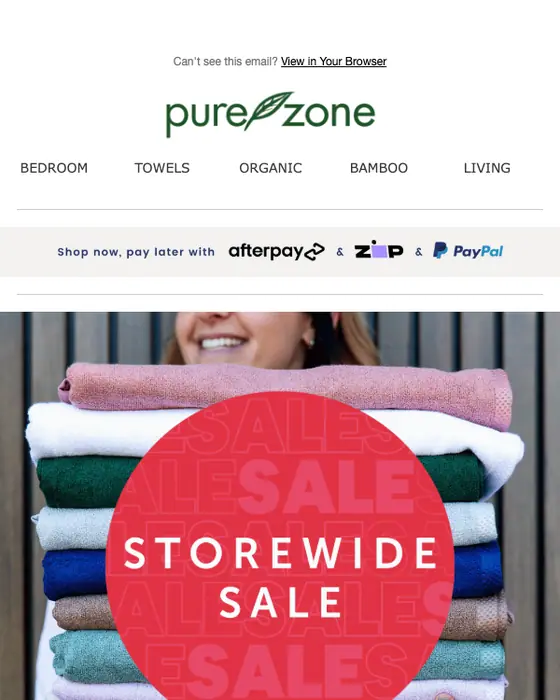
Pure Zone
Boxing Day SALE // Up to 70% OFF RRP Today
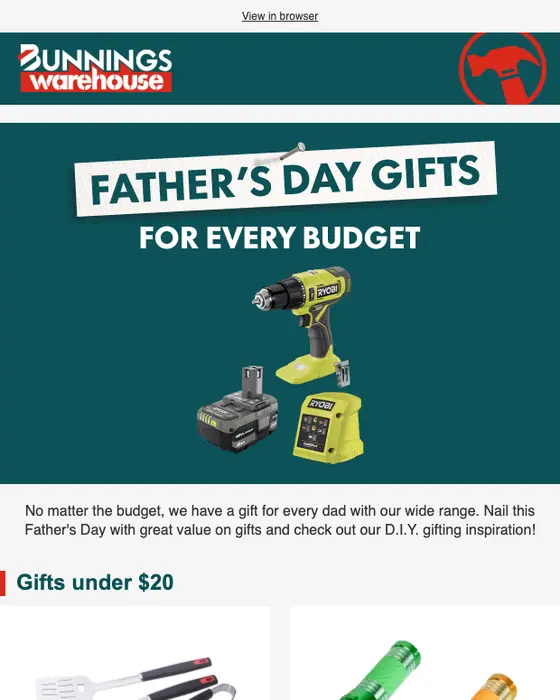
Bunnings
Father's Day gifts for every budget
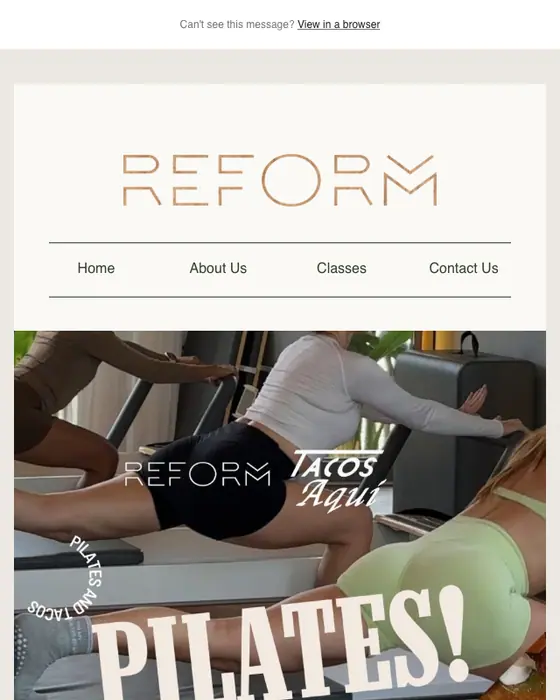
Reform Pilates Bali
Pilates + Tacos + Margaritas = Your Perfect Wednesday Evening!
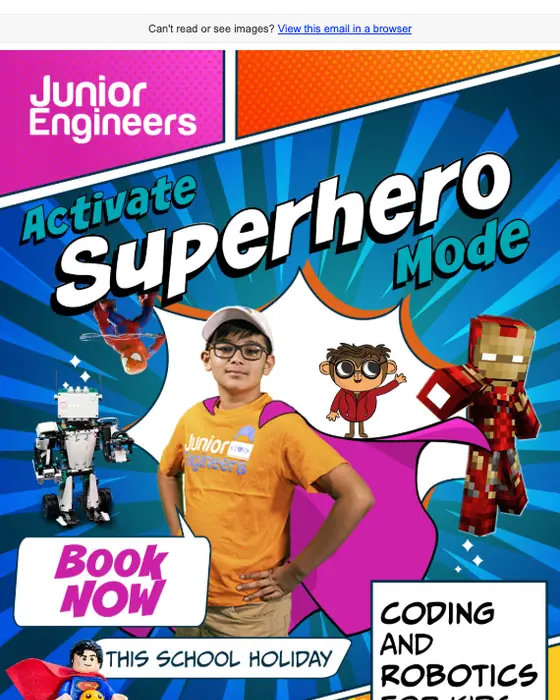
Junior Engineers
These holidays are long , but so is our list of coding and robotics classes!
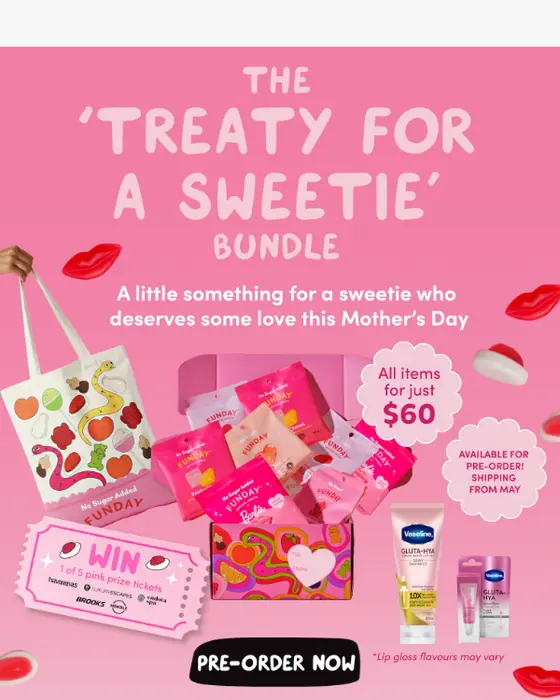
FUNDAY Natural Sweets
Mother’s Day sorted 💕 Plus 5 chances to win BIG
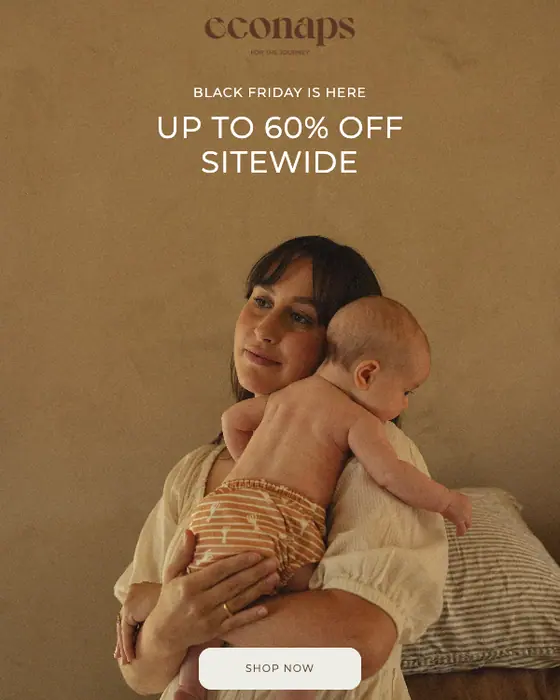
Ecoriginals
EcoNaps Black Friday Sale - Live Now 💚
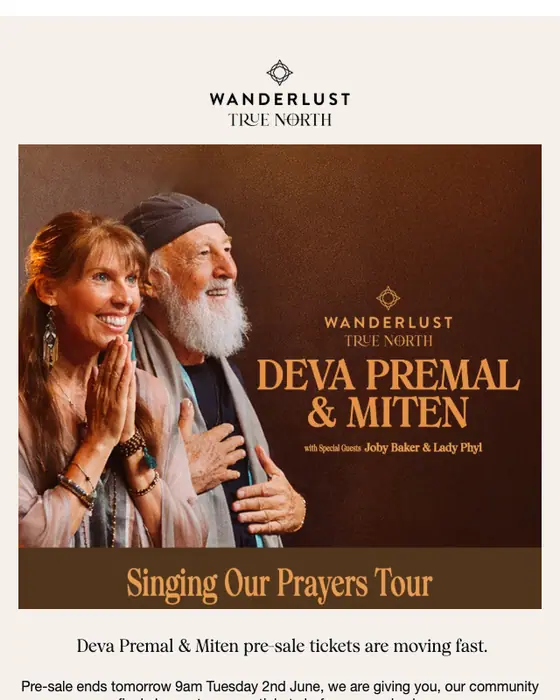
Wanderlust
Have you got your Deva Premal ticket yet?✨
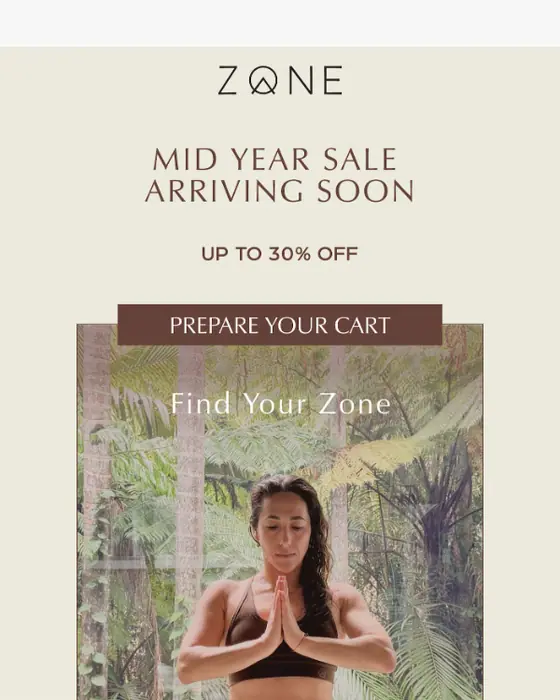
ZONE By Lydia
Our Biggest Sale Opens Wednesday
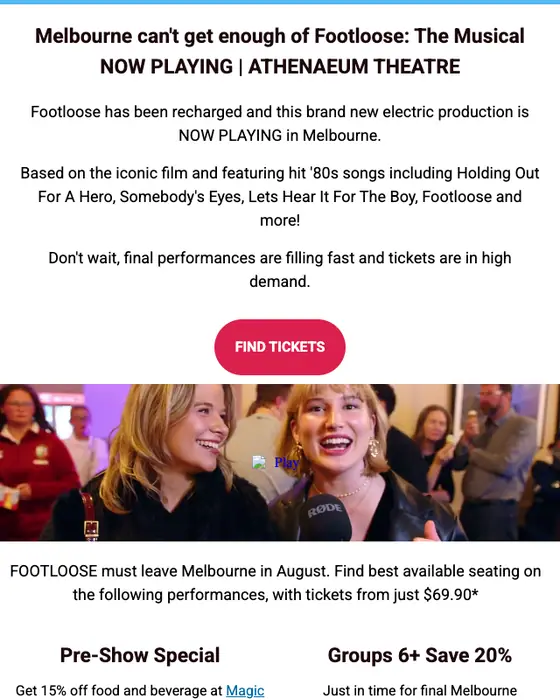
Athenaeum Theatre
FOOTLOOSE - THE MUSICAL
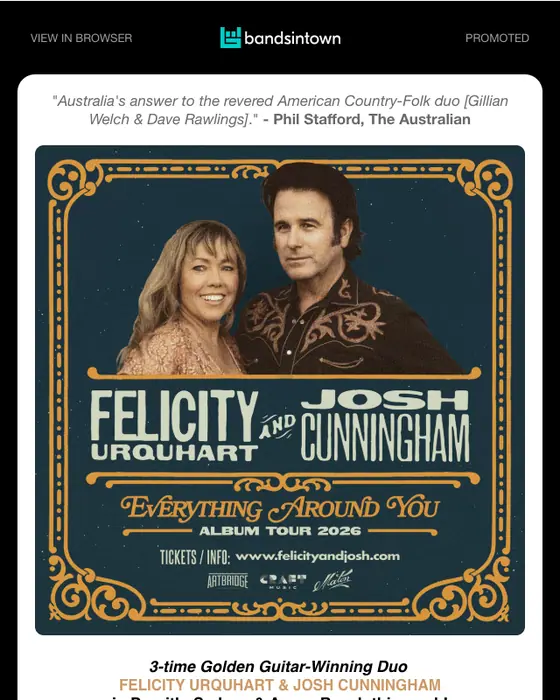
Bandsintown
The Waifs' Josh Cunningham & Felicity Urquhart THIS WEEK in NSW!
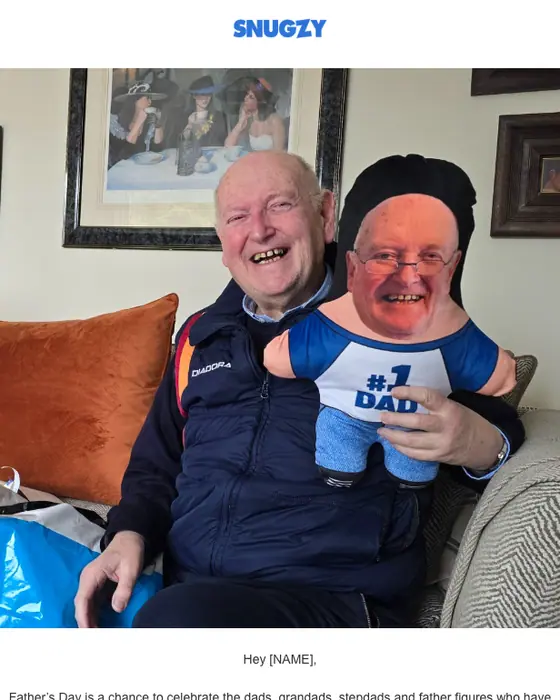
Snugzy
A little love for Father's Day 💙
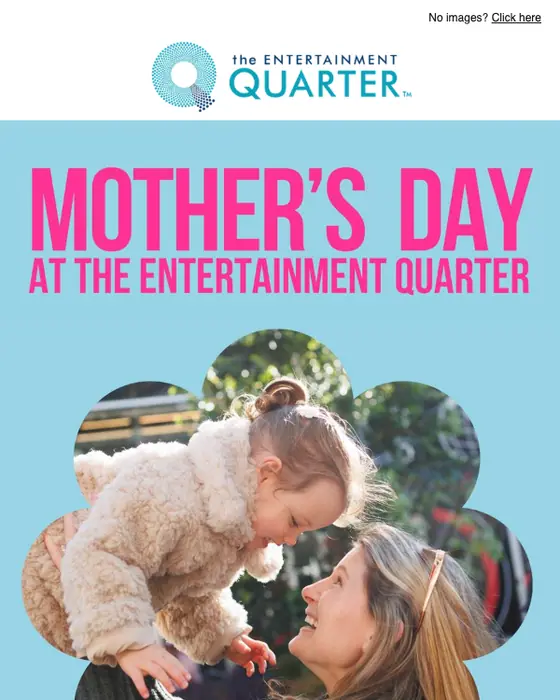
The Entertainment Quarter
A better kind of Mother’s Day gift
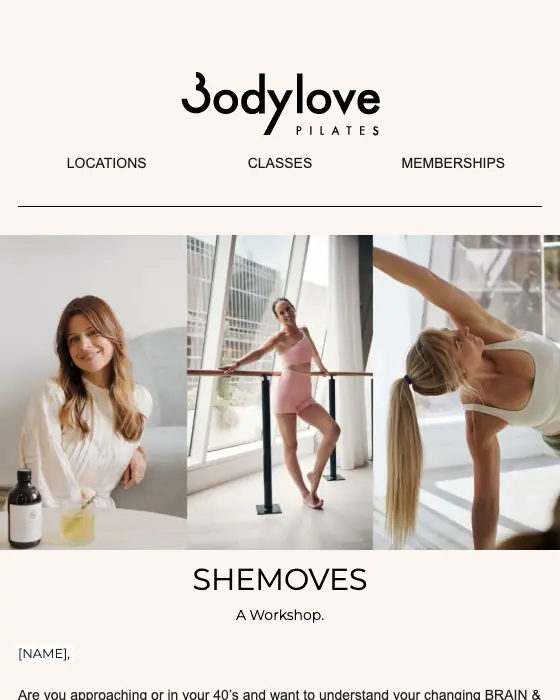
Bodylove Pilates
SHEMOVES: A Workshop
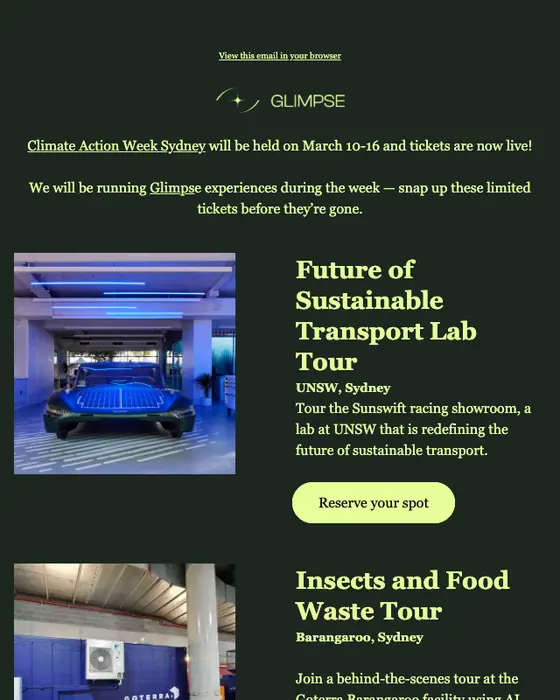
Glimpse
Climate Action Week Sydney tickets now live - join these Glimpse tours!
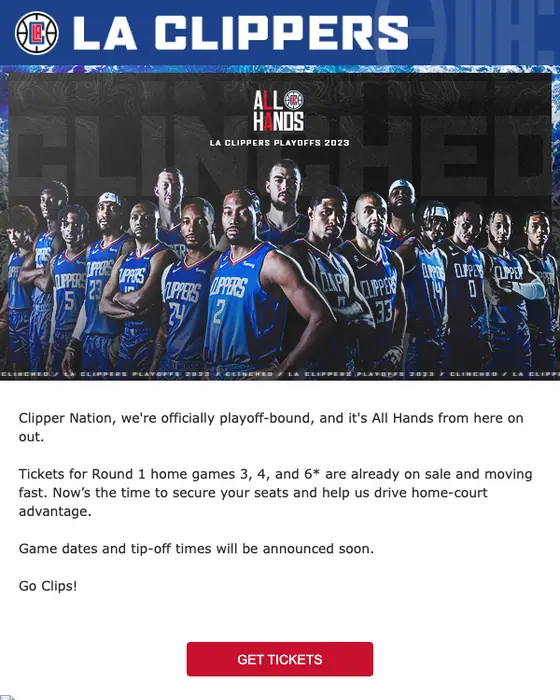
LA Clippers
Clinched! Secure Your Playoff Tickets Now
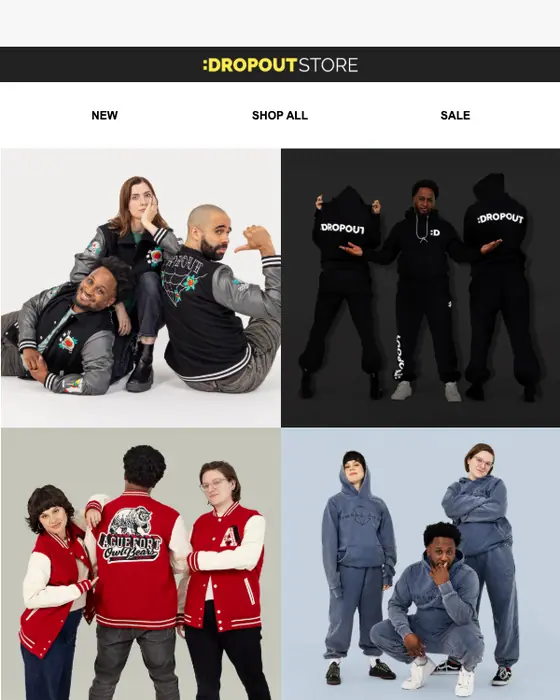
Dropout Merch
Make Some Noise for these PJs and new Jogger Sets in the Holiday Drop
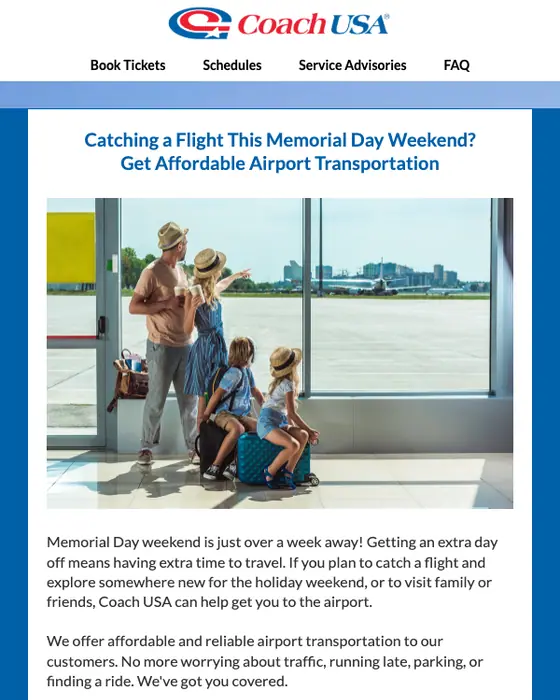
Coach USA
Catching a Flight this Memorial Day Weekend?
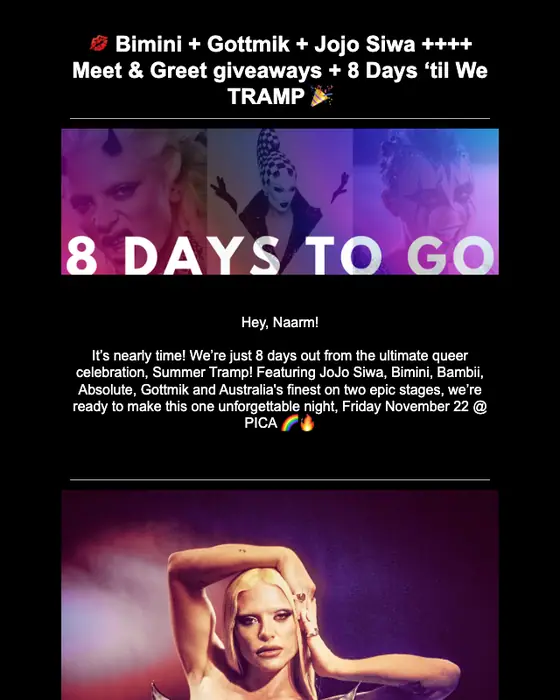
Tramp
Meet & Greet Giveaway + 8 Days ‘til We TRAMP + 🎉
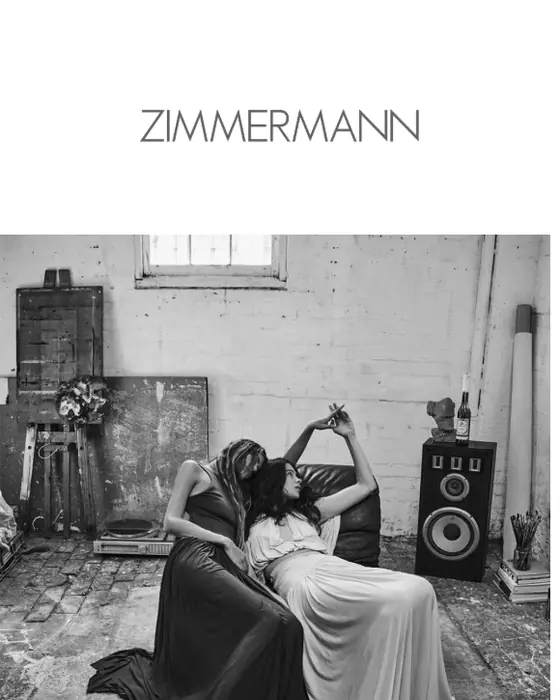
Zimmermann
Save The Date: Zimmermann Spring 2026 Show
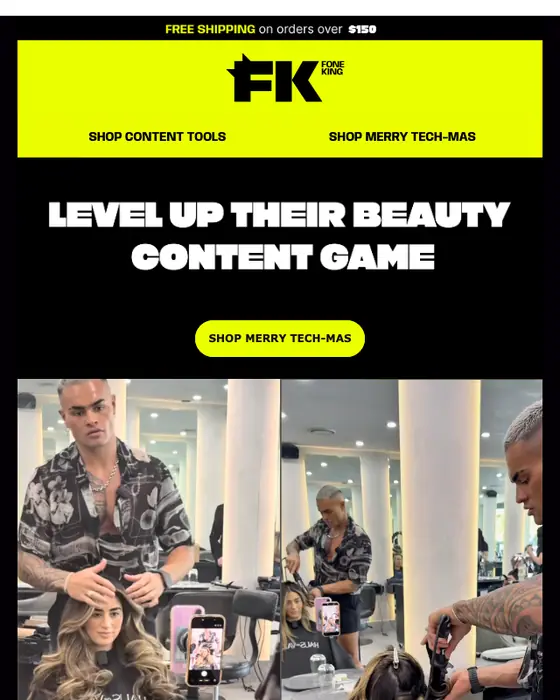
Fone King
The Xmas Gifts Every Beauty Pro Actually Wants 📷
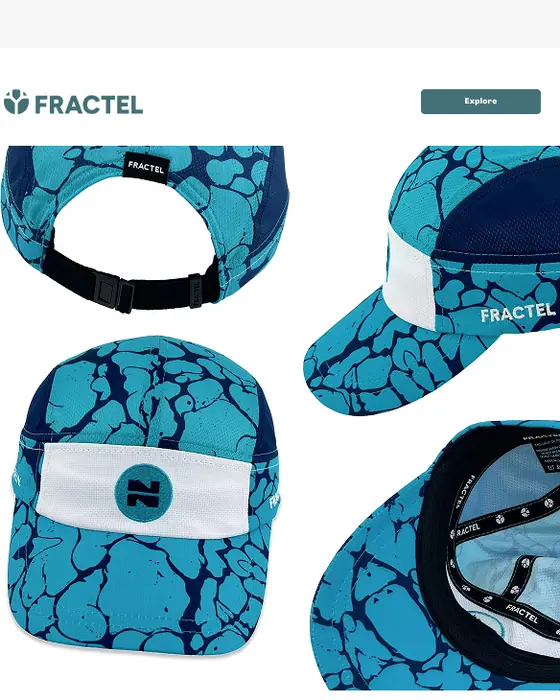
FRACTEL
Catch Us at Noosa Tri!
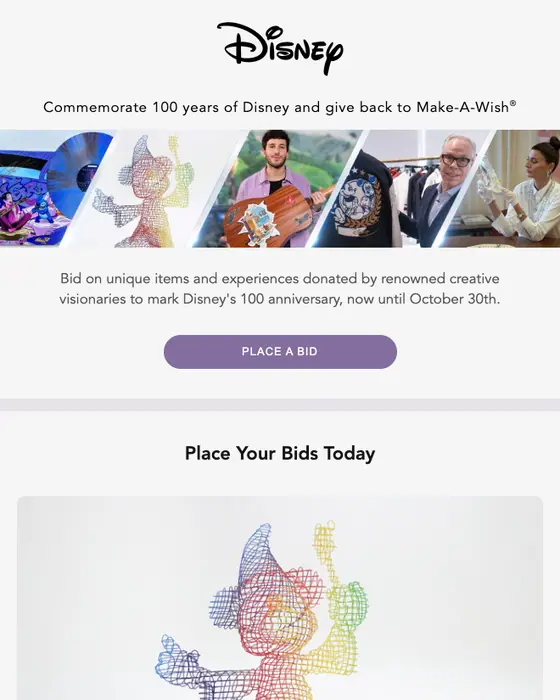
Disney Merchandise
Disney Create 100 Auction Live Now
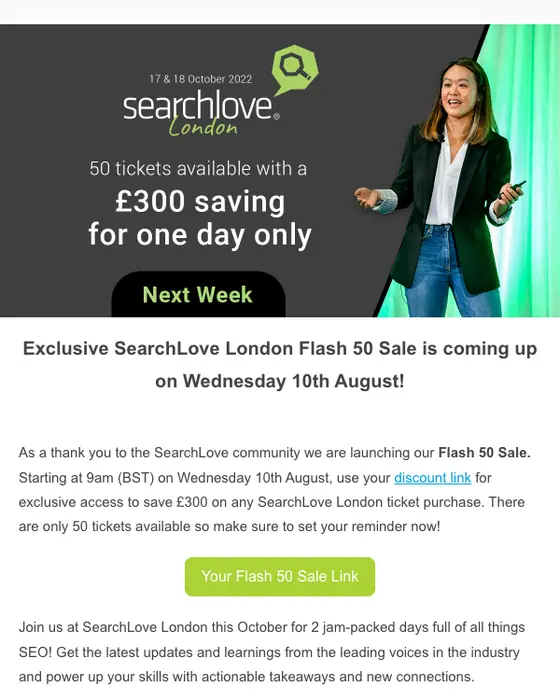
SearchLove
Set your reminder! SearchLove London 1-day ⚡FLASH 50 SALE ⚡ is next week
One real example of each kind
The set splits into a few jobs. Here is one email for each, picked from the grid.
Pure Zone sale email
Boxing Day SALE // Up to 70% OFF RRP Today (2025). The discount and the day are both in the subject line, so the offer is clear before the email is opened.
Bunnings seasonal email
Father's Day gifts for every budget (2025). Father's Day gifts are sorted into price bands, with gifts under $20, $50 and $100.
Frontier Touring event invite
🌀 Foreverafter: The Presets, Cut Copy, Bag Raiders, Ladyhawke + more! (2026). The subject line announces a multi-artist line-up, and the artist names are the hook.
Dropout Merch product launch
Make Some Noise for these PJs and new Jogger Sets in the Holiday Drop (2025). A short note on the 2025 Holiday Drop, then product tiles that each carry a Shop Now button.
Junior Engineers promotional email
These holidays are long , but so is our list of coding and robotics classes! (2024). A holiday-class promotion that lists its coding and robotics classes by level: beginner, intermediate and online.
How this set differs from the acquisition and retention stages
Promotional stage against acquisition and retention
76, 1,932 and 4,853 emails from the same two inboxes, stages assigned by our classifier| What we measured | Promotional stage (76) | Acquisition (1,932) | Retention (4,853) |
|---|---|---|---|
| Event invites | 29 (38%) | 294 (15%) | 47 (1%) |
| Promotional emails | 14 (18%) | 1,094 (57%) | 1,411 (29%) |
| Sales and discount offers | 12 (16%) | 98 (5%) | 645 (13%) |
| Seasonal emails | 9 (12%) | 7 (<1%) | 96 (2%) |
| Product launches | 9 (12%) | 136 (7%) | 170 (4%) |
| Newsletters | 2 (3%) | 48 (2%) | 1,420 (29%) |
| Entertainment and events senders | 24 (32%) | 159 (8%) | 229 (5%) |
| Australian senders | 45 (59%) | 711 (37%) | 2,029 (42%) |
| Sent to a business audience | 5 (7%) | 765 (40%) | 968 (20%) |
| Subject line has an emoji | 10 (13%) | 94 (5%) | 376 (8%) |
| Subject line leads with a discount | 14 (18%) | 303 (16%) | 950 (20%) |
| Urgent tone | 18 (24%) | 382 (20%) | 769 (16%) |
| Greets the reader by first name | 12 (16%) | 622 (32%) | 1,490 (31%) |
| Plain-text layout | 23 (30%) | 692 (36%) | 885 (18%) |
| Exactly one call to action | 24 (32%) | 676 (35%) | 1,318 (27%) |
| Median calls to action | 2 | 2 | 3 |
This stage is mostly tickets and occasions. Event invites make up 38% of it, against 15% of acquisition email and 1% of retention email, and seasonal sends make up 12%, against 7 of 1,932 acquisition emails and 2% of retention. Entertainment and events brands send 32% of it. Only 5 of the 76 go to a business audience.
It greets the reader by first name least often of the three: 16%, against 32% and 31%. 13% put an emoji in the subject line. With 76 emails, each one moves a percentage by more than a point, so read the counts beside them.
What is in the collected set
By type
all 76 promotional-stage emails collected| Type | Emails | Share of the set |
|---|---|---|
| Event invite | 29 emails | 38% of the set |
| Promotional | 14 emails | 18% of the set |
| Sale | 10 emails | 13% of the set |
| Seasonal | 9 emails | 12% of the set |
| Product launch | 9 emails | 12% of the set |
| Newsletter | 2 emails | 3% of the set |
| Discount offer | 2 emails | 3% of the set |
| Delivery | 1 email | 1% of the set |
By industry, entertainment sends the most at 20 emails, then retail and fashion at 10 and ecommerce at 8. In the grid, 24 of the 26 were sent in 2023 or later, 9 are event invites and 6 are seasonal.
Next to this one
Most promotions in the library are on the promotional email examples page. By stage, see acquisition, retention and re-engagement. By the job the email does, see event invites, seasonal emails, sale emails and product launches.
Questions about the collection
A promo email is a marketing email that pushes one offer or occasion to buy, book or attend, such as a ticket on-sale, a seasonal gift range, a sale or a new product. In the 76 promotional-stage emails we collected, 29 are event invites, 14 are general promotions, 10 are sales and 9 are seasonal.
Bunnings sorted its Father's Day gifts by budget, from gifts under $20 up (2025). Pure Zone ran a Boxing Day sale of up to 70% off (2025). Frontier Touring announced a multi-artist line-up (2026), and Junior Engineers listed holiday coding classes by level (2024). All four are in the grid above.
Our promotional email guide covers it step by step. In this set, 32% carry exactly one call to action, the median is two, and only 16% use the reader's first name. As 38% are invites, the event email marketing guide is the closer match for many of them.
37 of the 76 have been rendered for the library, and 26 passed our checks for this page. The other 39 count in every percentage. This page holds only the 76 tagged promotional stage. Of 2,799 promotional emails collected, 14 carry that tag, so the promotional examples page is the main collection.