
![Bamboozld thank you email: Hi [NAME], thank you for your purchase!](/email-examples/img/19b8b073ecc220ff-t.webp)
![Atolea Jewelry thank you email: Thanks for your order, [NAME]! Here's a special surprise...](/email-examples/img/19b879b12547e30f-t.webp)
What a thank you email is
A thank you email is a message a business sends to thank someone for something they just did: a purchase, a signup, a donation, a vote, a visit or coming to an event.
We collected 88 from 82 brands in two ordinary inboxes, sent between 2016 and 2026, and show 35 of them here, from 34 brands. The percentages describe all 88. No brand sent more than two, and 50 of the 88 come from Australian brands.
Browse 35 thank you emails
Filter by industry, or search a brand or subject line. Open any email to see it full length, with its subject line, notes on what it is doing, and a prompt that rebuilds it.
Atolea Jewelry
Thanks for your order, [NAME]! Here's a special surprise...
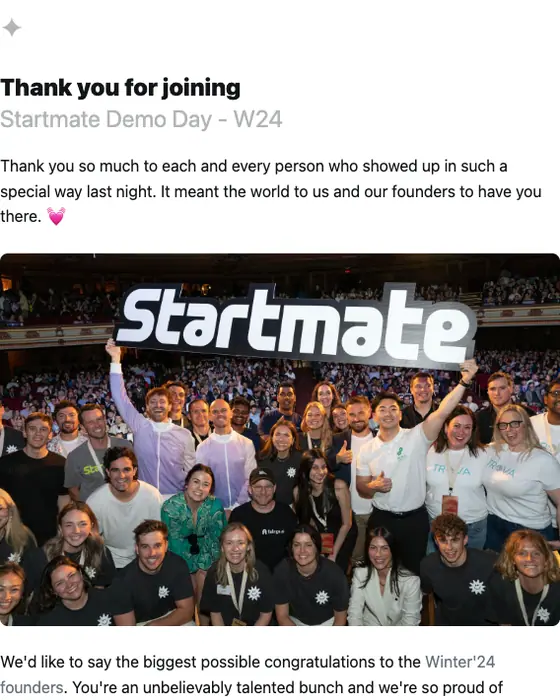
Startmate
Thanks for coming to Demo Day ✨
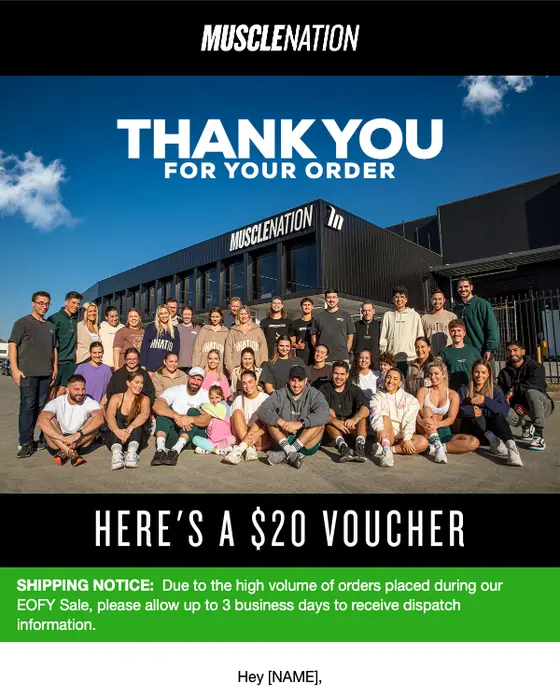
Muscle Nation
Thank you for your first order [NAME] 💗
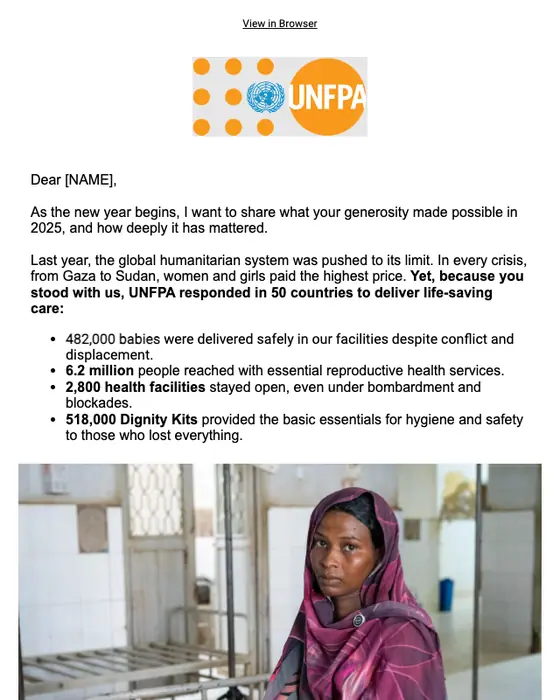
UNFPA
Your 2025 impact: 6.2M reached and 482,000 safe births
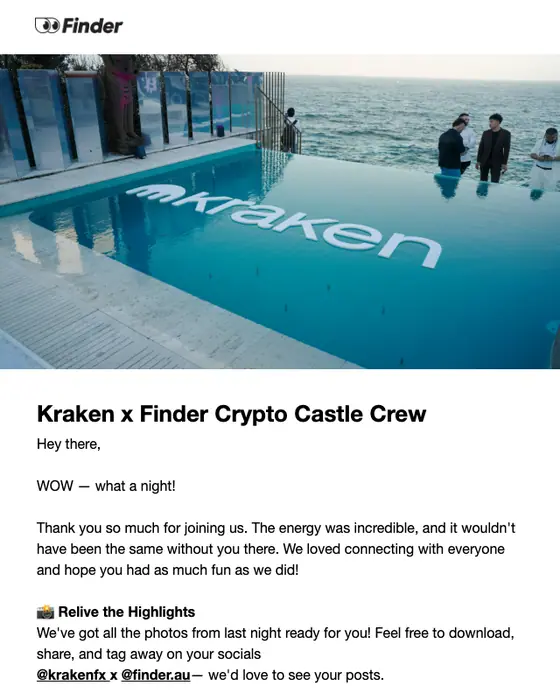
Kraken x Finder
Last Night Was Amazing! 🎉 Your Photos Inside 🚀
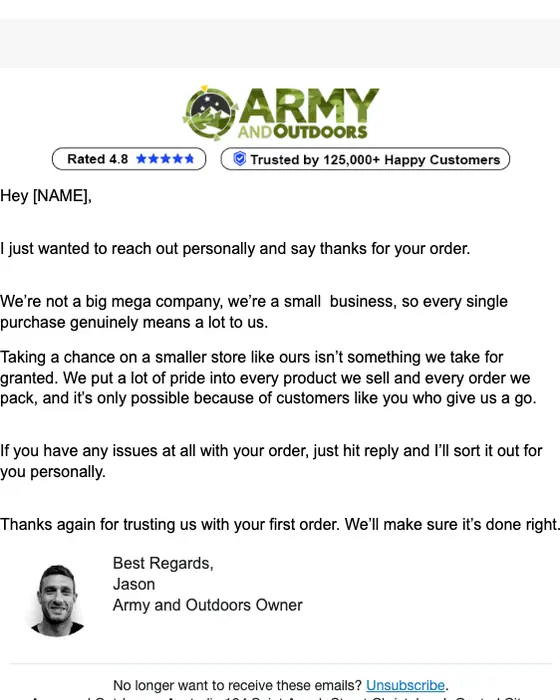
Army & Outdoors
Thanks for giving us a shot
Bamboozld
Hi [NAME], thank you for your purchase!
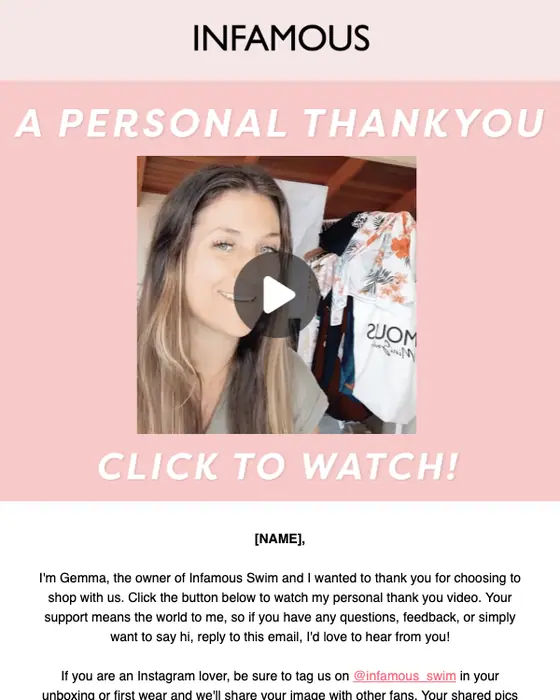
Infamous Swim
[NAME] , thank you! ❤️
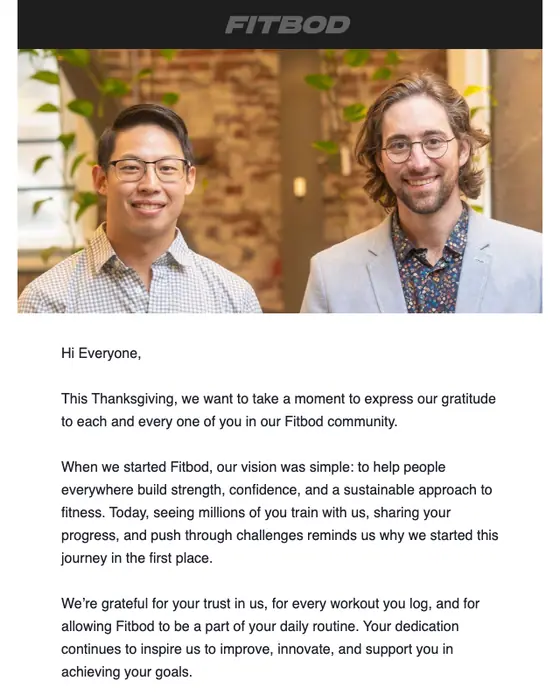
Fitbod
A note of thanks from the Fitbod Founders
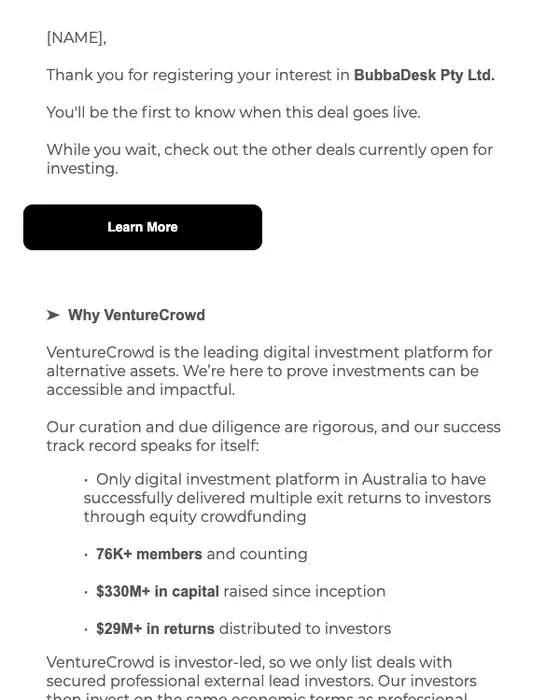
VentureCrowd
Thanks For Registering Your Interest in BubbaDesk Pty Ltd
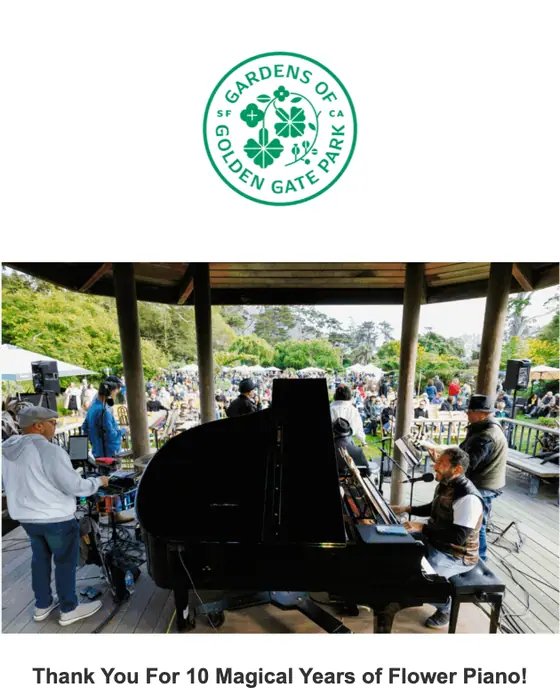
Gardens of Golden Gate Park
🌸🎹 Thank You for Celebrating Flower Piano with Us! 🎹🌸
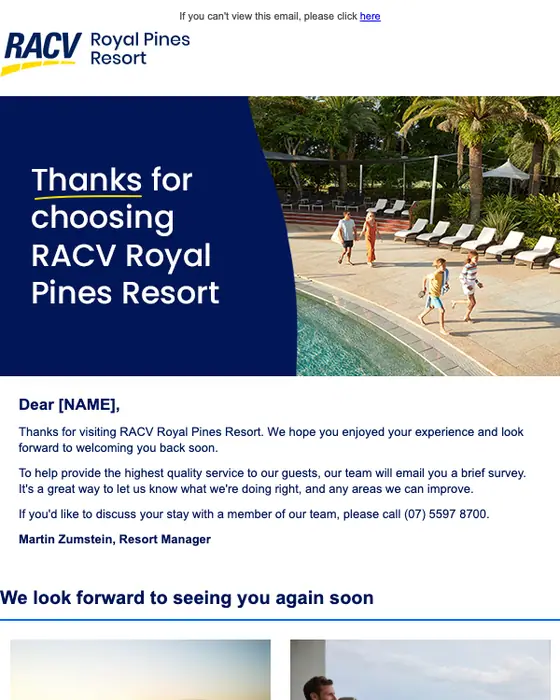
RACV Royal Pines Resort
Thank you for choosing RACV Royal Pines Resort
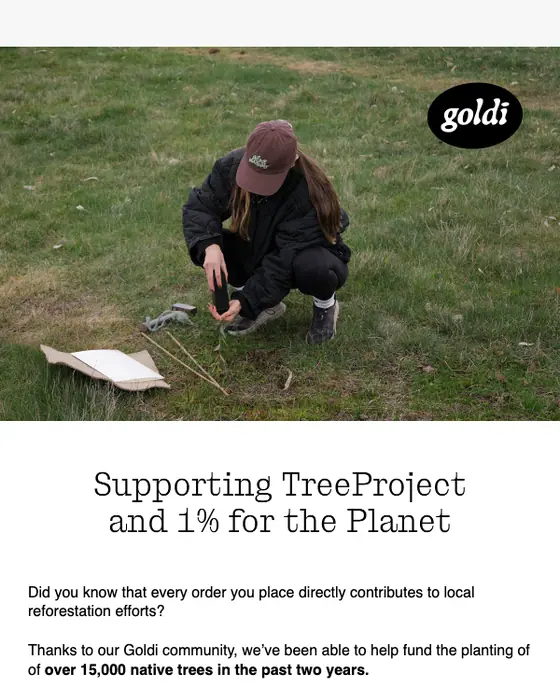
Goldi
15,000 trees planted and counting, all thanks to you
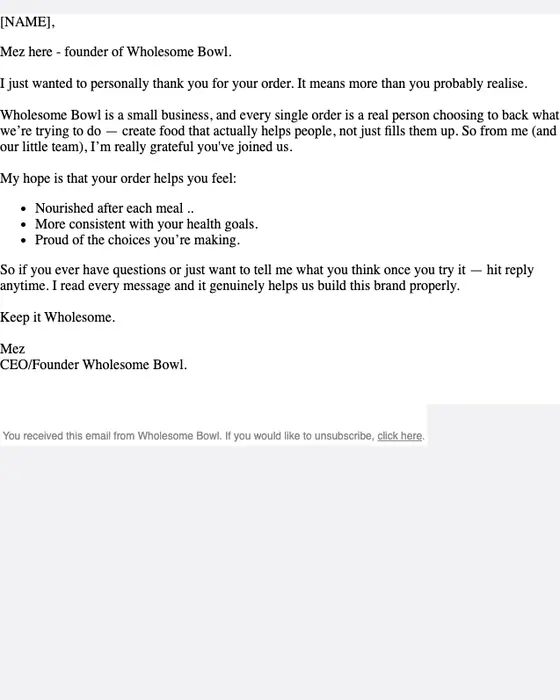
Wholesome Bowl
Your Order Means A lot.
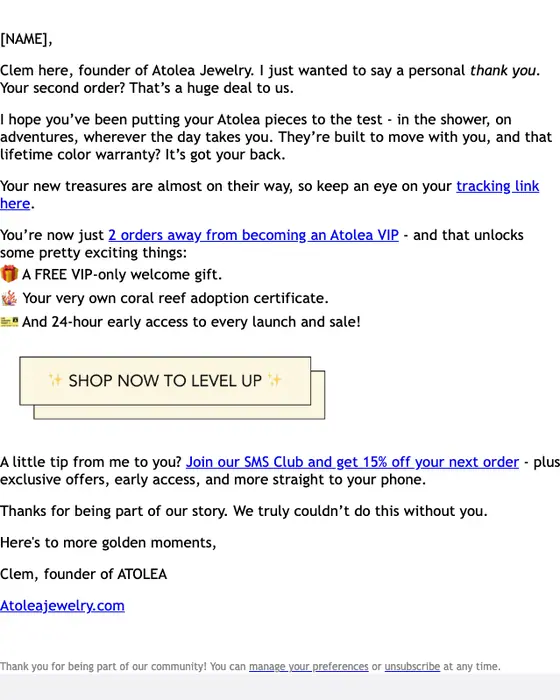
Atolea Jewelry
So grateful you came back, [NAME]
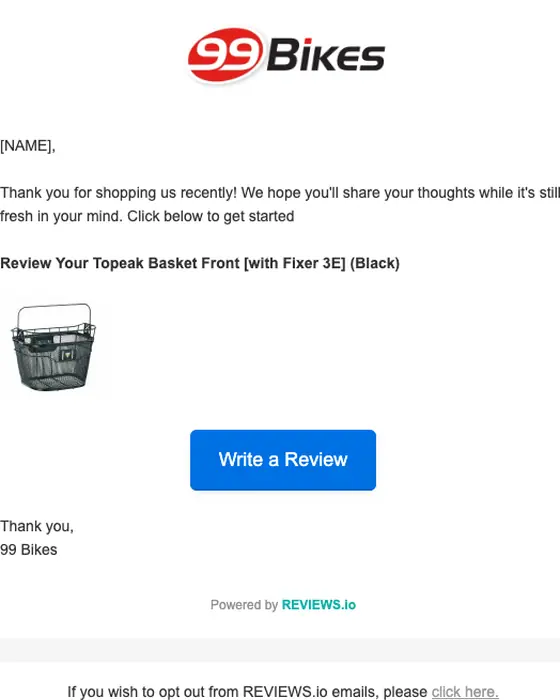
99 Bikes
Thanks for your recent purchase
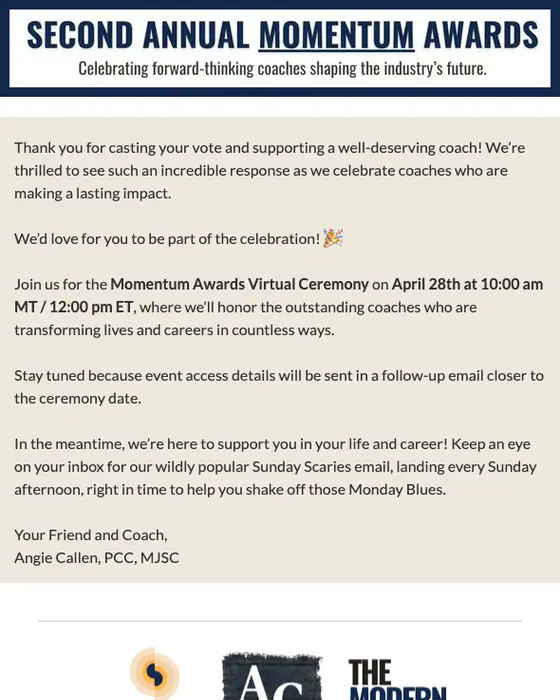
Career Benders
Thank you for voting in the Momentum Awards!!
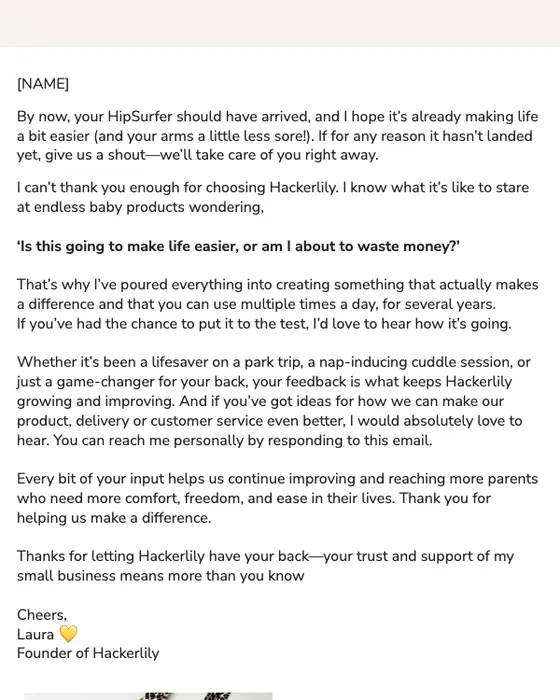
Hackerlily
From one parent to another- thank you!
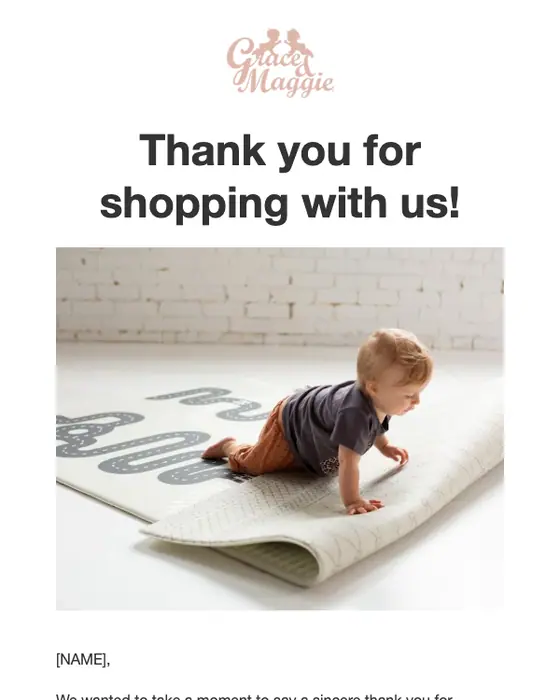
Grace & Maggie
Thank you!
C3 Training Alexandria
We hope you enjoyed your workout!
Yona
[NAME], Thanks for Supporting Aussie Innovation at Yona! 🇦🇺
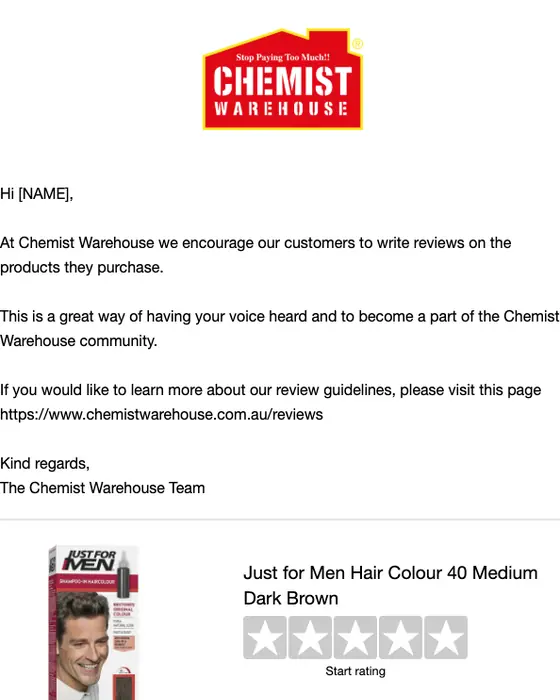
Chemist Warehouse
Thanks for your recent purchase
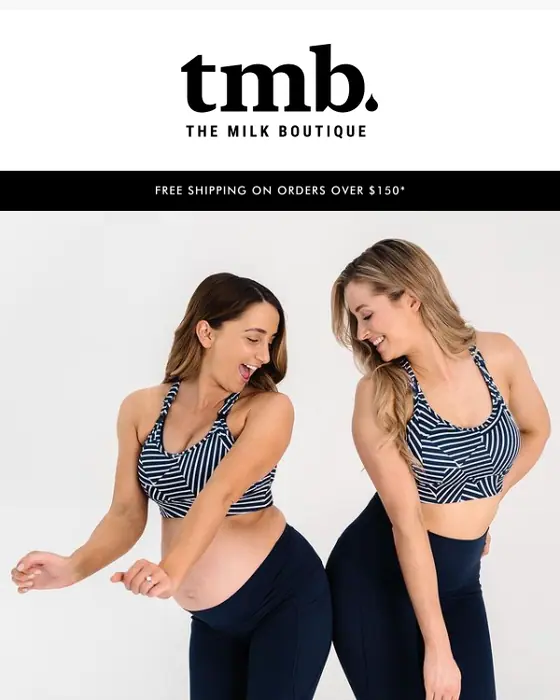
The Milk Boutique
Thank you from the bottom of my heart 💖
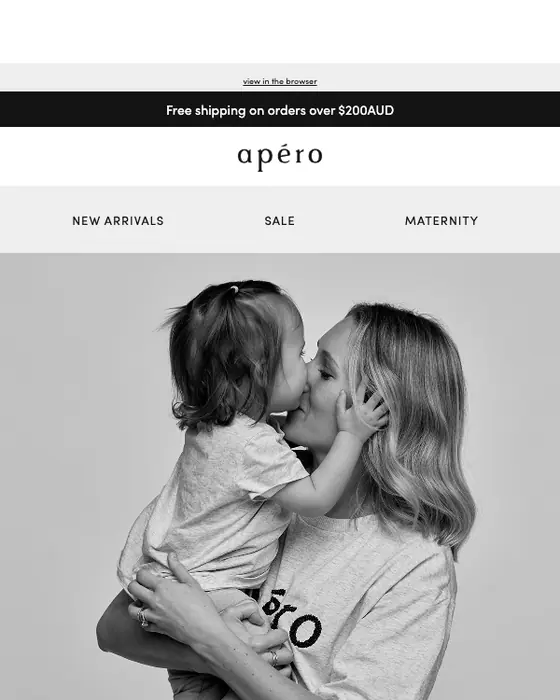
Apéro Label
Wow, thank you again!
How a thank you differs from an order confirmation
Thank you emails against order confirmations and every other email
88 thank you emails, 471 order confirmations and the 12,623 other emails (the 471 order confirmations among them) from the same two inboxes| What we measured | Thank you | Order confirmation | Everything else |
|---|---|---|---|
| Warm tone | 73% | 15% | 15% |
| Says thank you in the subject line | 83% | 10% | 1% |
| Puts the reader's name in the subject line | 19% | 4% | 6% |
| Greets the reader by first name | 67% | 70% | 40% |
| Short or very short | 63% | 41% | 53% |
| Plain-text layout | 41% | 24% | 32% |
| Text heavy | 66% | 51% | 60% |
| Opens with a hero image | 10% | 1% | 12% |
| Promotional subject line | 2% | 0% | 11% |
| Exactly one call to action | 30% | 20% | 30% |
| No call to action at all | 8% | 7% | 5% |
| Median calls to action | 2 | 2 | 2 |
The order confirmation is the email people most often mean by a thank you after a purchase, so it gets its own column. Both greet the reader by first name about as often, 67% and 70%. The difference is tone. 73% of thank you emails are warm, against 15% of order confirmations, and 19% put the reader's name in the subject line, against 4%. An order confirmation lists what was bought. A thank you is shorter: 63% are short or very short, against 41%.
Thank you emails rarely sell from the subject line. 2 of the 88 lead the subject with an offer (a gift and a free funnel), against 11% of other email. Some still carry an offer in the body: Atolea Jewelry follows a thank you for an order with a special surprise.
Thank you email subject lines
73 of the 88 say thank in the subject line, against 10% of order confirmations. These are real subject lines from emails in the grid, with the year each was sent.
Subject lines from the thank you emails in the grid
8 of the 35 shown| Subject line | Sent by | Year |
|---|---|---|
| Hi [NAME], thank you for your purchase! | Bamboozld | 2026 |
| Thanks for your recent purchase | 99 Bikes | 2026 |
| 15,000 trees planted and counting, all thanks to you | Goldi | 2025 |
| Thanks for coming to Demo Day ✨ | Startmate | 2024 |
| Thank you for voting in the Momentum Awards!! | Career Benders | 2026 |
| A note of thanks from the Fitbod Founders | Fitbod | 2025 |
| Wow, thank you again! | Apéro Label | 2025 |
| Thank you! | Grace & Maggie | 2025 |
What is in the collected set
By the job the email does
all 88 thank you emails collected| Stage | Emails | Share of the set |
|---|---|---|
| Keeping customers (retention) | 23 emails | 26% of the set |
| After an order or booking | 22 emails | 25% of the set |
| Asking for a review, vote or share | 20 emails | 23% of the set |
| Activation | 9 emails | 10% of the set |
| Onboarding | 7 emails | 8% of the set |
| Acquisition | 6 emails | 7% of the set |
| Account admin | 1 email | 1% of the set |
Most thank yous follow one of three moments: keeping a customer who already buys, following up an order or booking, and asking for something back, such as a review, a vote or a share. Chemist Warehouse, 99 Bikes and Connor thank a buyer and ask for a review in the same email.
In the grid, 31 of the 35 were sent in 2023 or later, 27 are warm and 9 use a plain-text layout, against 41% of all 88. 8 of those 9 are short or very short, and 7 are signed by a founder or owner, like Fitbod's note from its founders. Long plain-text letters were taken off this page.
Next to this one
The same library, cut a different way: order confirmation emails, receipt emails, welcome emails and survey and review request emails by the job they do, or nonprofit emails and ecommerce emails by industry.
Questions about the collection
Short is normal here: 63% of the 88 thank you emails we collected are short or very short. Several on this page lead with only a few words: Grace & Maggie with "Thank you!", Jamiroquai with "Thank You!" and Apéro Label with "Wow, thank you again!". Open any of them to see the full email under the subject line.
In the 88 we collected, the common pattern is a warm tone (73%), the reader's first name (67%) and the words thank you in the subject line, which 83% use. 46 of the 88 then add one or two next steps, and the median is two calls to action.
Not in our inboxes. Order confirmations are mostly plain records: 15% are warm and 10% say thank you in the subject line. Thank you emails are 73% warm and 83% say it in the subject. They are shorter too: 63% are short or very short, against 41% of order confirmations.
50 of the 88 have been rendered full length so far. We took 15 of those off this page: repeats, private details, long letters, a tribute, a download, other people's tweets and emails that render badly. The other 38 count in every percentage.