
What an education newsletter is
An education newsletter is the regular email a school, tutor, college or course provider sends to the people learning with it, or to their parents: what is being taught, what is coming up, and something worth reading in between.
We collected 123 emails that our classifier tagged as education newsletters, from 63 brands, out of two ordinary inboxes, sent between 2016 and 2026. Nothing here is a mockup. The set includes some personal and consultant newsletters the classifier filed as education, and the figures below count all 123 as filed. None came from a school, a principal or a school district. The two inboxes were subscribed to tutoring services, training colleges, online learning platforms and university programs, so that is what this page shows.
Collected 123, showing 19 from 18 senders, 16 of them sent in 2023 or later. The last question on this page says what was left out.
Browse all 19 education newsletters
Tap who sends it to narrow the grid. Open any email to see it full length, with its subject line, notes on what it is doing, and a prompt that rebuilds it, which gives you a starting point for your own education newsletter template.
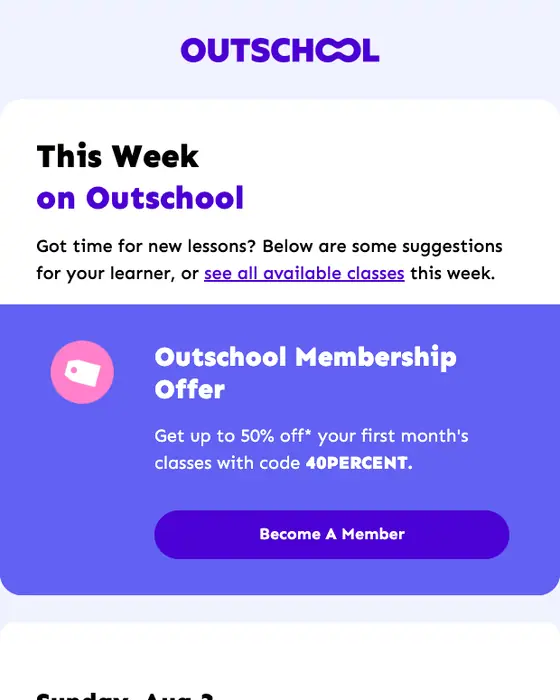
Outschool
This week on Outschool: Classes your learner may like
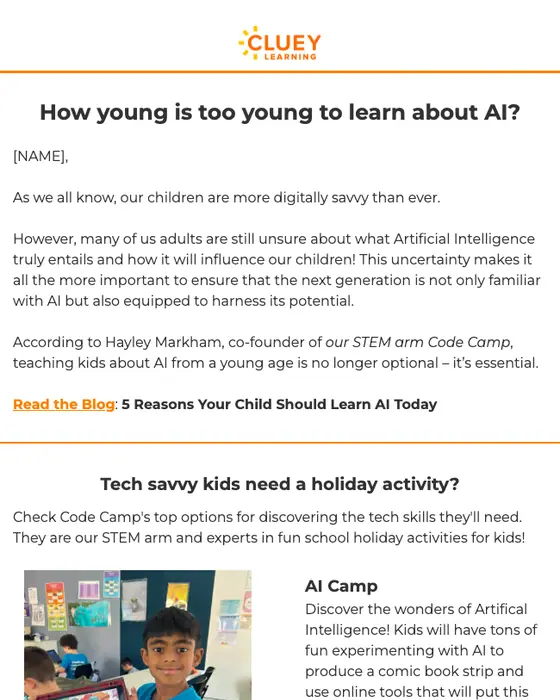
Cluey Learning
Should your kids be using AI?
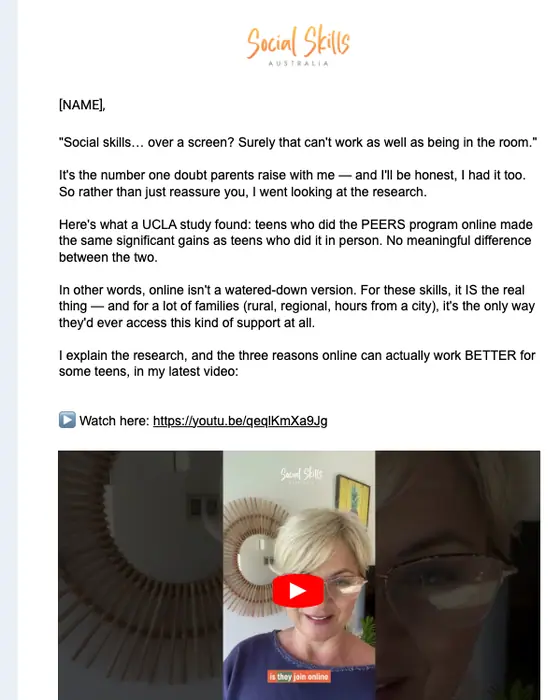
Social Skills Australia
Can social skills really be taught online?
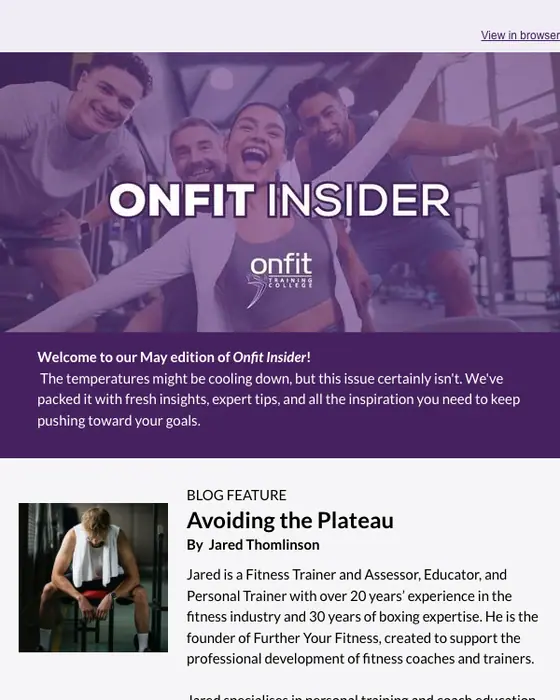
Onfit Training College
Onfit Insider (Onfit Training College Newsletter)
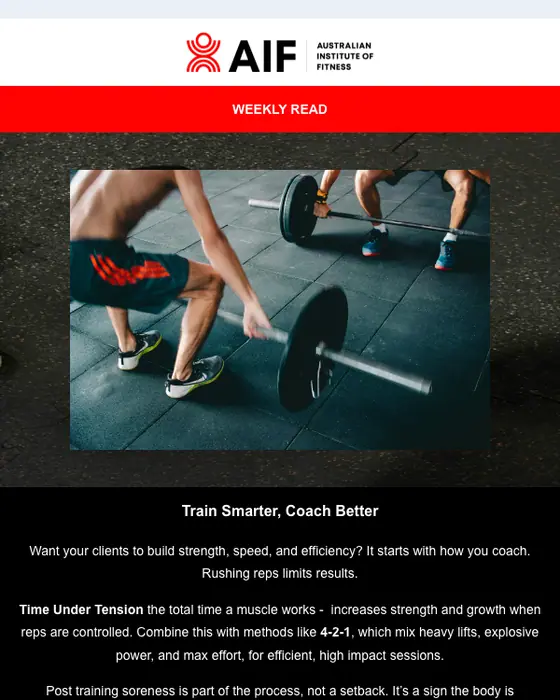
Australian Institute of Fitness
Help Your Clients Train Better
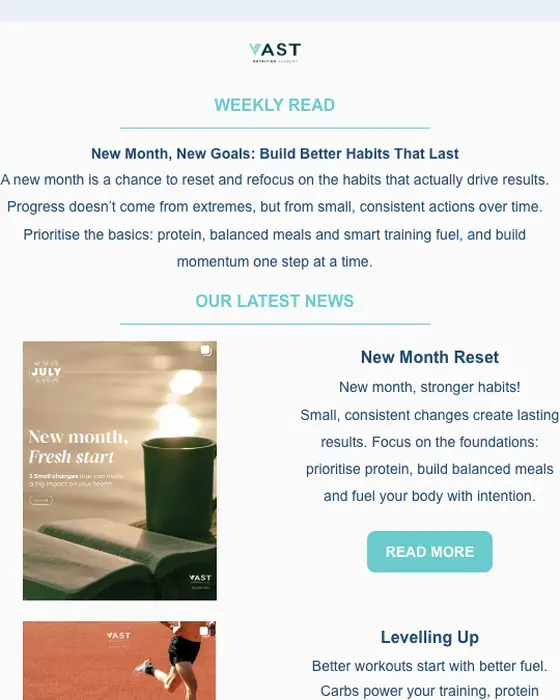
Vast Nutrition Academy
Reset your routine this month

Australia Wide First Aid
New year, new you (a first aid hero)!
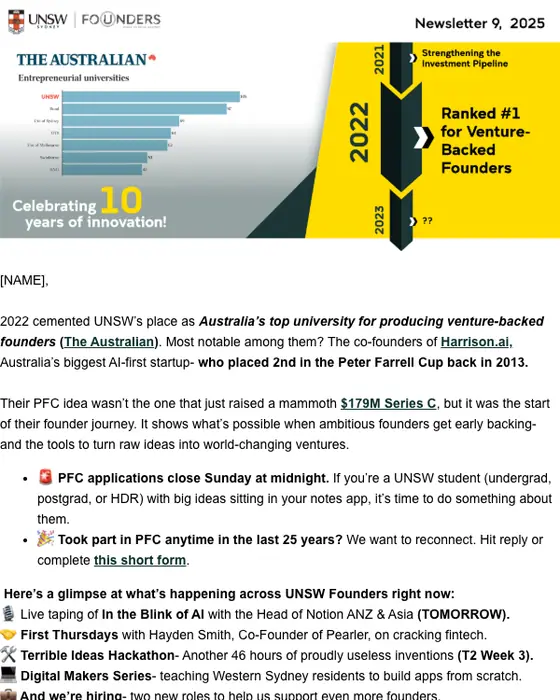
UNSW Founders
From PFC to a $179M Series C. Just Saying
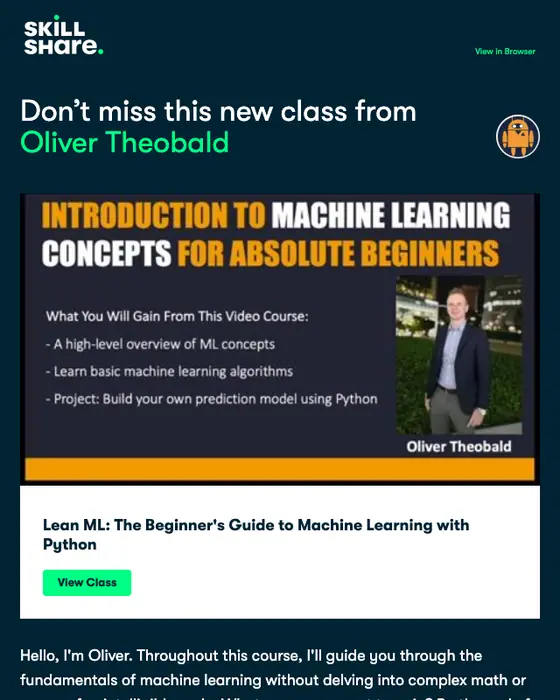
Skillshare
Oliver Theobald published a new class!
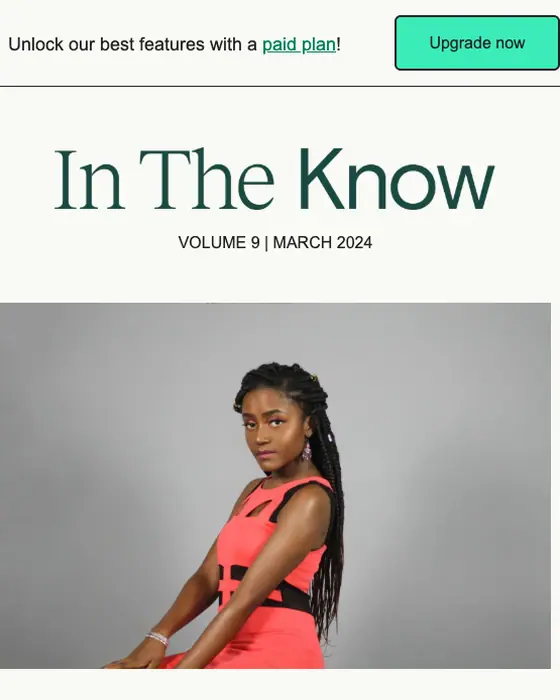
Teachable
She's bridging the achievement gap 🎓
![VAST powered by Clean Health newsletter email: Welcome to your first Weekly Read, [NAME]! ✨](/email-examples/img/18e6dc3f13021553-t.webp)
VAST powered by Clean Health
Welcome to your first Weekly Read, [NAME]! ✨
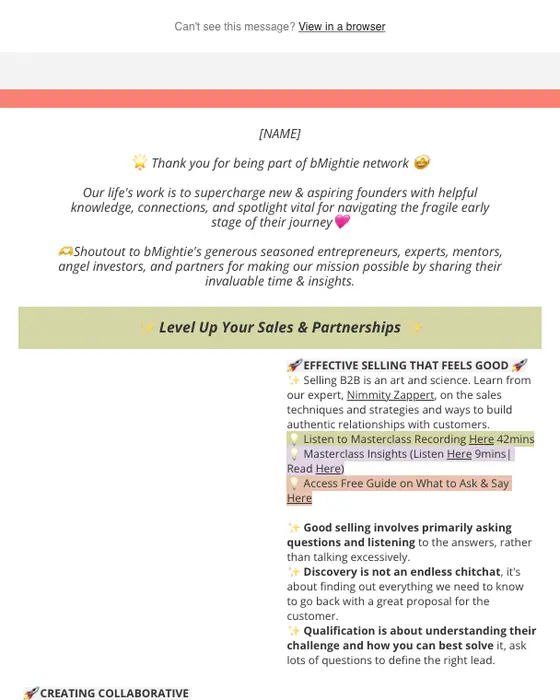
bMightie Newsletter
Masterclass Replays, MVP2Customer Challenge & Upcoming Events
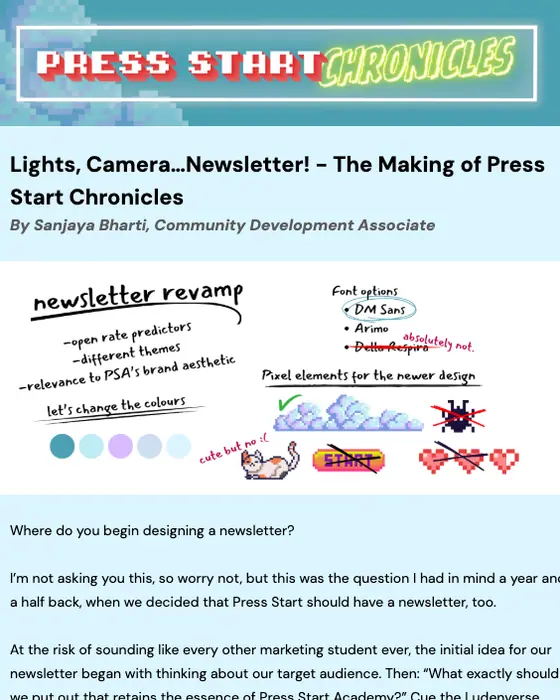
Press Start Academy
If our newsletter had a concert, you would have VIP passes😌
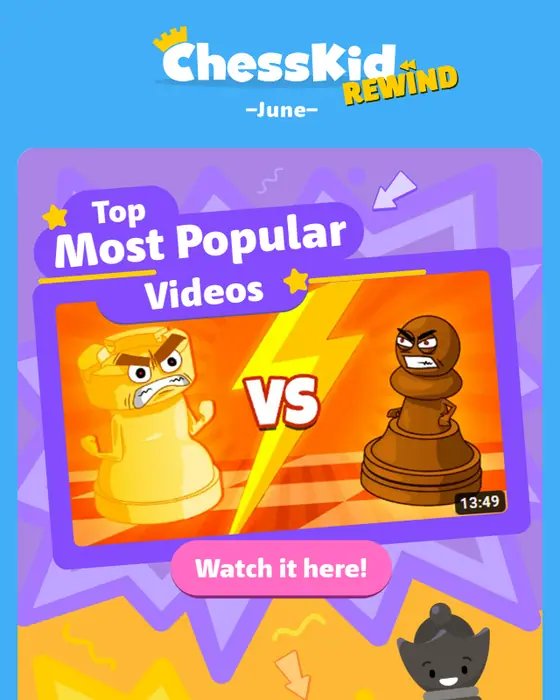
ChessKid
⏪ChessKid Rewind! June Highlights
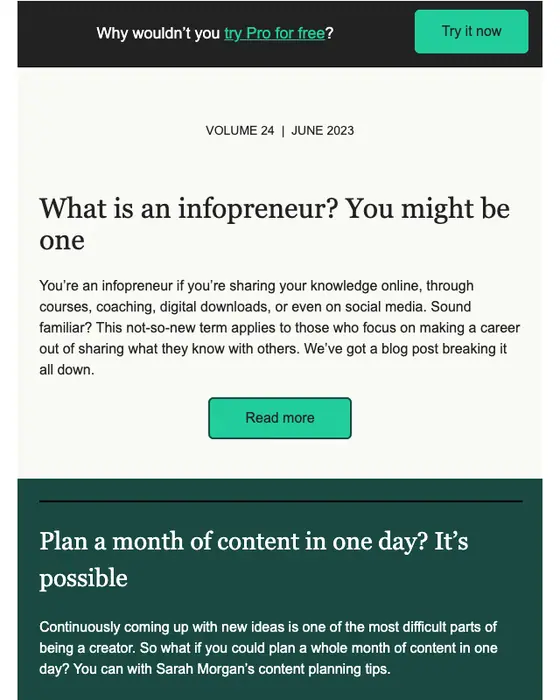
Teachable
Should you add “infopreneur” to your list of titles?
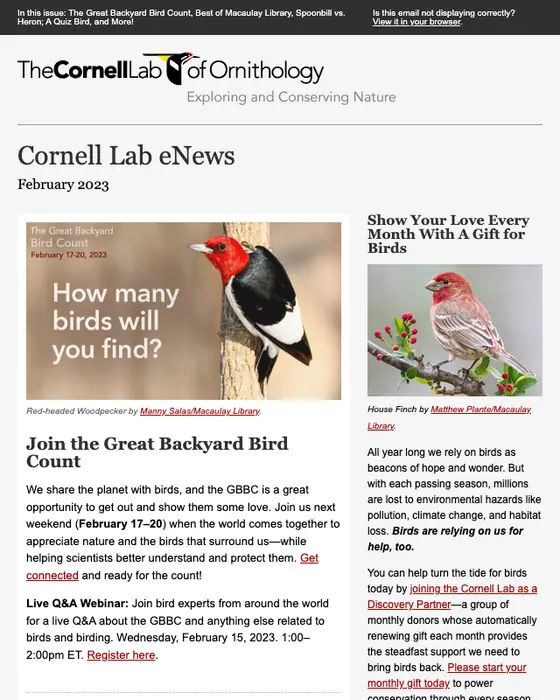
Cornell Lab of Ornithology
eNews: How Many Birds Will You Find Next Weekend? Get Ready for the Great Backyard Bird Count! 🐦🐤🐦🐤🐦🐤🐦
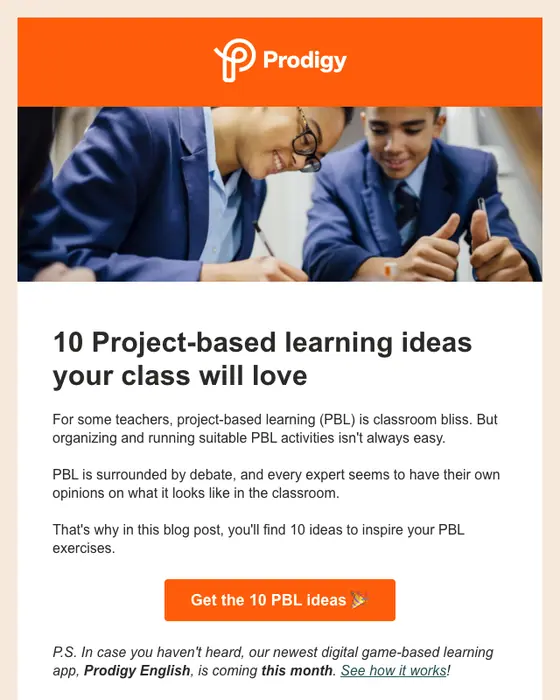
Prodigy Blog
Your Favorite Teacher Newsletter Has Arrived 💌
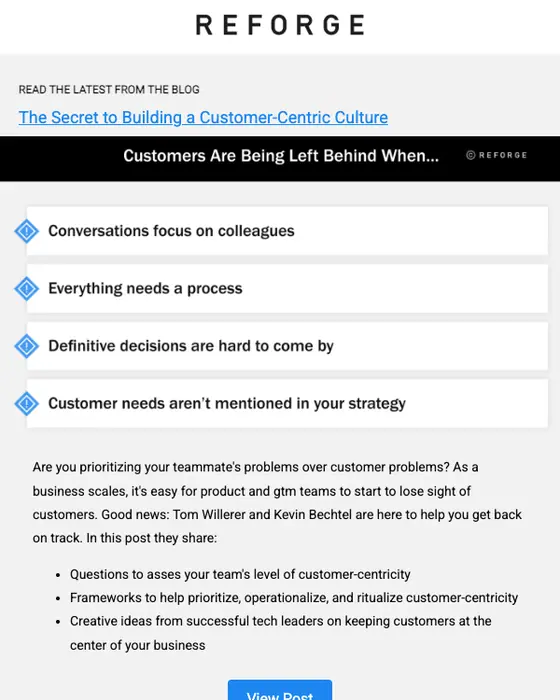
Reforge
Here's what's new on the Reforge blog - November 22, 2022
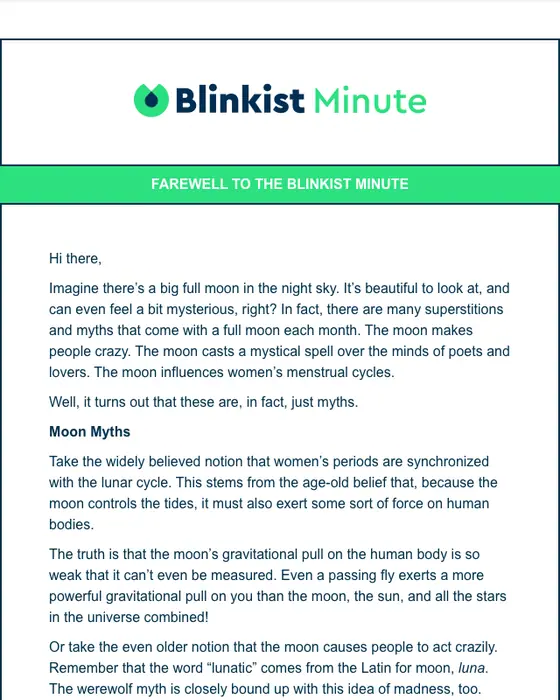
Blinkist
Goodbye Minute: Does a full moon really make you crazy?
Who sends the education newsletters shown here
By who sends it
the 19 shown on this page, sorted by hand| Who sends it | Emails | Senders shown |
|---|---|---|
| Kids, parents and teachers | 5 emails | Outschool, Cluey Learning, Social Skills Australia, ChessKid, Prodigy Blog |
| Training colleges | 5 emails | Onfit Training College, Australian Institute of Fitness, Vast Nutrition Academy, Australia Wide First Aid, VAST powered by Clean Health |
| Online learning platforms | 5 emails | Skillshare, Teachable, Reforge, Blinkist |
| Universities and programs | 4 emails | UNSW Founders, bMightie Newsletter, Press Start Academy, Cornell Lab of Ornithology |
We read each of the 19 and sorted it by who sends it. Five are written for children, their parents or their teachers. Outschool lists a week of classes day by day, each with its age range. Cluey Learning, a tutoring service, asks parents whether their kids should be using AI and links to a blog post with its answer. Prodigy sends the one teacher newsletter here: ten project-based learning ideas for a class, then a mention of its new English app.
Five come from training colleges. Onfit Training College sends a monthly edition, the Onfit Insider, that opens on a blog feature. Australian Institute of Fitness, Vast Nutrition Academy and VAST powered by Clean Health each call theirs the Weekly Read. Australia Wide First Aid's January 2026 issue of On The Pulse asks whether your first aid is due for a refresh, then runs a competition to win a free online course.
Among the online learning platforms, Teachable numbers its volumes, Reforge sends a short list of what is new on its blog, and Skillshare announces a single new class. UNSW Founders and the Cornell Lab of Ornithology carry the most calls to action of the 19. More from the same senders, beyond newsletters, is in education email examples.
How education newsletters compare with other newsletters, same two inboxes
Education newsletters, all newsletters and all email, same two inboxes
123 emails tagged education + newsletter, 1,532 newsletters, 12,711 emails| What we measured | Education newsletter | All newsletters | All email |
|---|---|---|---|
| Instructional in tone | 85% | 72% | 37% |
| Written for a business audience | 19% | 38% | 19% |
| Greets the reader by first name | 31% | 24% | 40% |
| Descriptive subject line | 71% | 75% | 31% |
| Median calls to action | 4 | 5 | 2 |
| Five or more calls to action | 43% | 51% | 23% |
| Asks for one thing only | 15% | 15% | 30% |
| Long | 45% | 47% | 16% |
| Text heavy | 63% | 64% | 60% |
| Plain-text layout | 19% | 19% | 32% |
| Has a hero image | 5% | 5% | 12% |
On layout and length an education newsletter looks like any other newsletter. 19% use a plain-text layout, 15% ask for one thing only and 5% open on a hero image, the same shares as all newsletters, and 45% run long against 47%.
The differences are in voice and audience. 85% are instructional in tone, against 72% of all newsletters. 19% are written for a business audience, against 38%. 31% greet the reader by first name, against 24%. They also carry slightly fewer links: a median of 4 calls to action against 5, and 43% have five or more against 51%. Every figure is a share of emails, not of brands, and a count of what was sent, not of what worked.
By length
all 123 education newsletters collected| Length | Emails | Share of the set |
|---|---|---|
| Long | 55 emails | 45% of the set |
| Medium | 44 emails | 36% of the set |
| Short | 13 emails | 11% of the set |
| Very short | 11 emails | 9% of the set |
The set is not all recent: 59 of the 123 were sent in 2023 or later and 42 in 2020 or earlier. The full newsletter collection, every industry, is in newsletter email examples.
Next to this one
The same library, cut a different way: every education email, education promotions, and newsletters from health and fitness brands, SaaS companies and professional services firms.
Questions about education newsletters
The closest examples here are Prodigy's teacher newsletter, with ten project-based learning ideas for a class, and Outschool's day-by-day class list with an age range for each. None of the 123 emails tagged education and newsletter came from a school, so read these as tutor and course-provider sends.
One send on this page is written for teachers. Prodigy's 2022 issue, with the subject line "Your Favorite Teacher Newsletter Has Arrived", leads with ten project-based learning ideas for a class, then mentions its new English app and links to more reading. It is 1 of the 19 shown, so read it as an example and not a pattern.
Start from real sends. Of the 19 on this page, Outschool lists a week of classes day by day with the age range for each, Cluey Learning asks parents whether their kids should be using AI and links to its answer, and Onfit Training College sends a monthly edition that opens on a blog feature. Each one opens full length.
We can count what is common, not what works. Five things recur across the 123 emails tagged education and newsletter: a descriptive subject line (71%), an instructional tone (85%), a single-column layout (81%), a medium or long body (80%) and several links, with a median of 4 calls to action.
43 of the 123 are published as images in this library so far. We took 24 of those off this page: 11 that are not education newsletters, 6 repeats of a brand's template, 6 with broken images or a person's details in view, and 1 weak send. The percentages still describe all 123.
Send one like it
Simple pricing. Unlimited contacts.
Every plan includes full stack emailing: Flows, Newsletter Campaigns and Transactional Email, plus our NitroWheel LLM and all agent integrations (Claude, ChatGPT, Codex, Cursor and others). Pay for what you send, not who you store.
- Emails 8,000then 500/mo
- Email types Transactional & Marketing
- AI actions 20/mo
- Contacts Free & Unlimited
- Brands 3 · Custom domain 1
- Seats 1
- Recipients / rolling 24h 100–5,000
- Email validation Prepaid only
- Emails 20,000/month
- NitroWheel LLM Included
- Brands 5 · Domains 3
- AI actions 1,000/mo
- Contacts Free & Unlimited
- BYO sending and AI keys Yes
- Seats 3
- Recipients / rolling 24h 1,000–100,000
- Email validation Prepaid only
- Emails 125,000/month
- AI actions 5,000/mo
- Brands 10 · Domains 10
- Seats 10
- Frontier AI Included
- Dedicated IP Available
- Recipients / rolling 24h 1,000–625,000
- Email validation Prepaid only
- AI actions Unlimited
- Unlimited brands & domains Included
- SSO / SAML Included
- 99.9% SLA Included
- Recipients / rolling 24h Contracted
- Email validation Prepaid only
Daily allowances depend on your plan and sender standing. Strong list, domain and delivery evidence can raise standing, including on day one. Trusted receives the full plan allowance; available email credits, safety checks and delivery pacing still apply.
Free forever. No credit card required. See full comparison →