
What an ecommerce order confirmation email is
An ecommerce order confirmation email is the message an online store sends straight after a customer pays. It confirms the order went through and records what was bought, what it cost, where it is going and what happens next.
We collected 211 ecommerce order confirmations from 176 brands in two ordinary inboxes, 205 sent in 2023 or later. The 10 shown here are 9 of those plus the order confirmation from Koala, an online store our tagging filed under furniture. The percentages describe all 211.
Browse all 10 ecommerce order confirmation emails
Filter by tone or length, or search a brand or subject line. Open any email to see it full length, with its subject line, notes on what it is doing, and a prompt that rebuilds it.
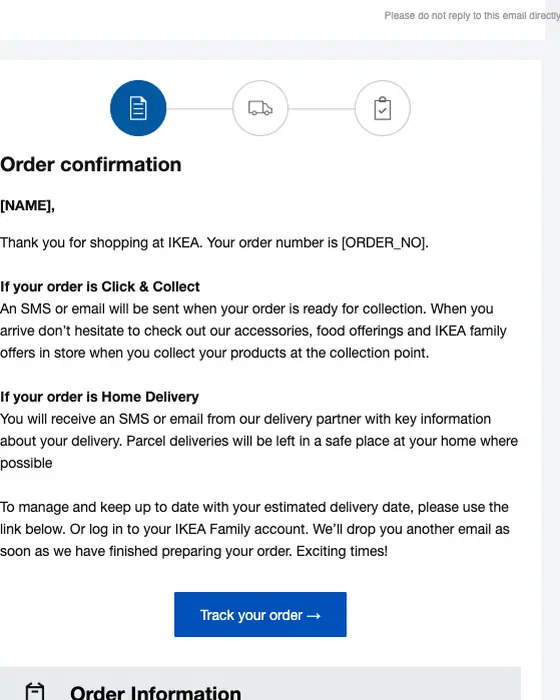
IKEA
Order confirmation
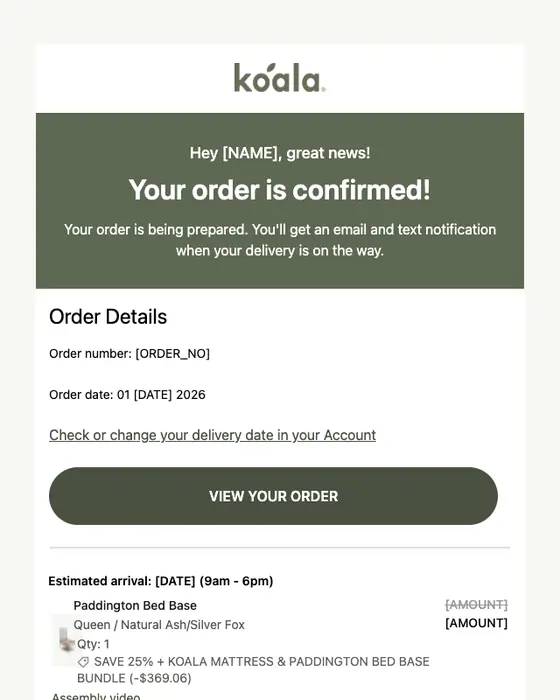
Koala AU
Order [REF] confirmed
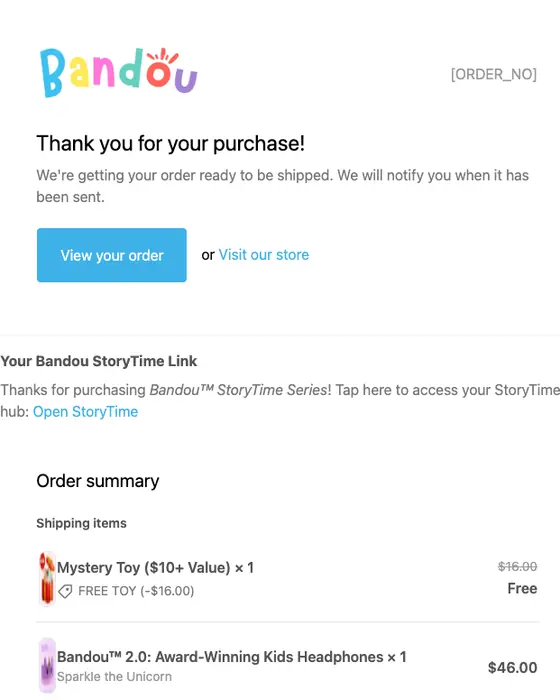
Bandou™
Order [REF] confirmed
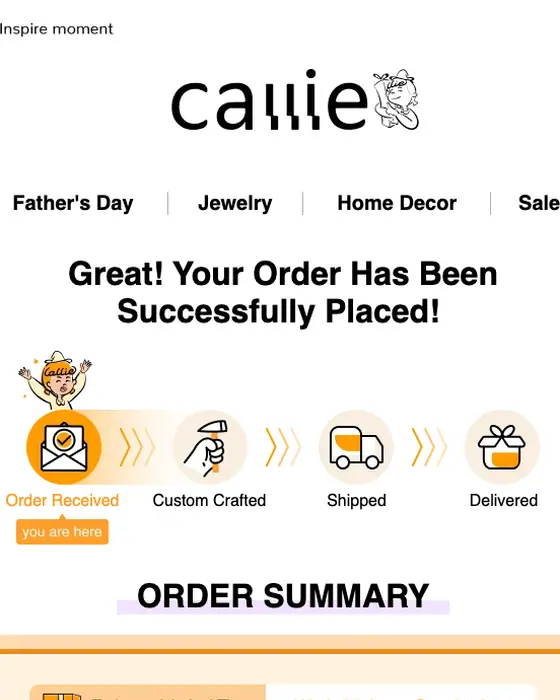
Callie
Callie Order Confirmation - Your Payment Is Successful!
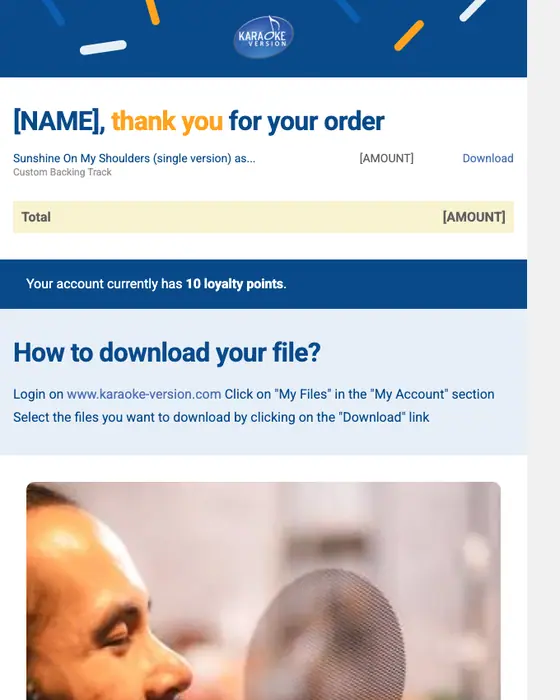
Karaoke Version
♫ Order confirmation [REF]
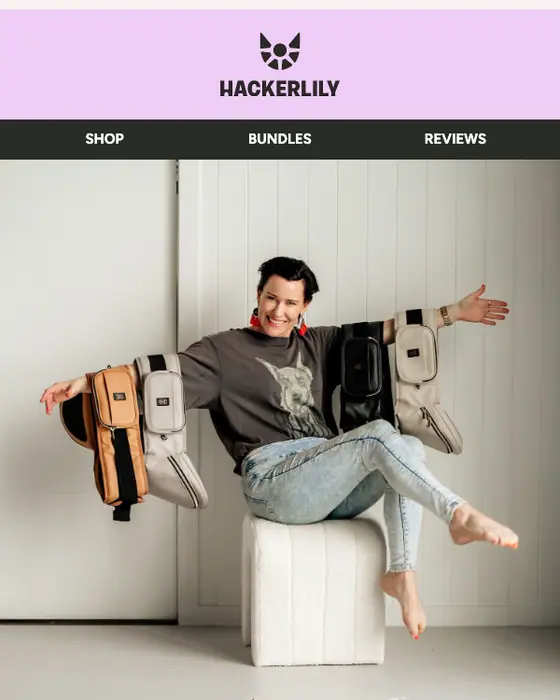
Hackerlily
We've received your order 💞
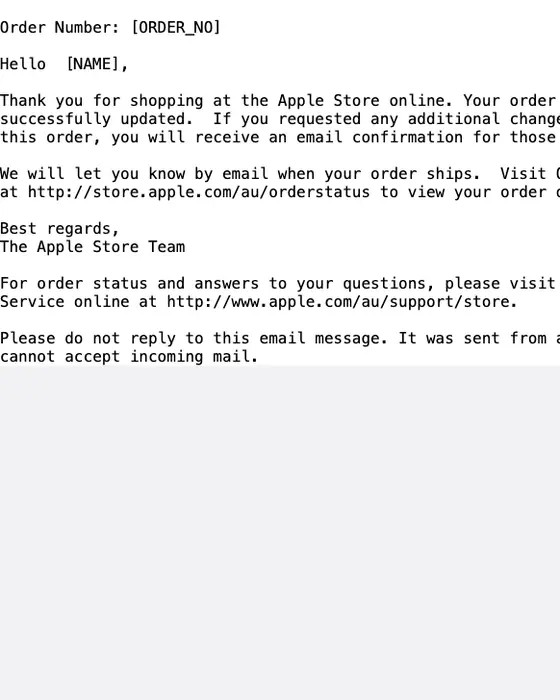
APPLE STORE
Apple Store Order Change Confirmation [REF]
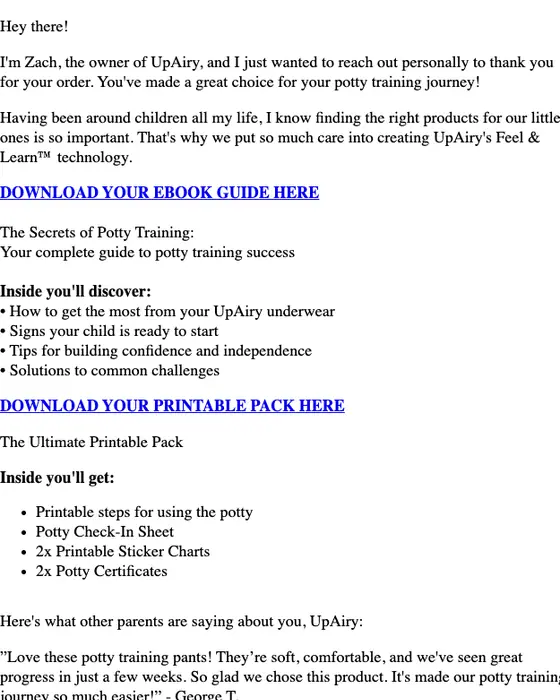
UpAiry
[NAME], Thank You For Your Order!
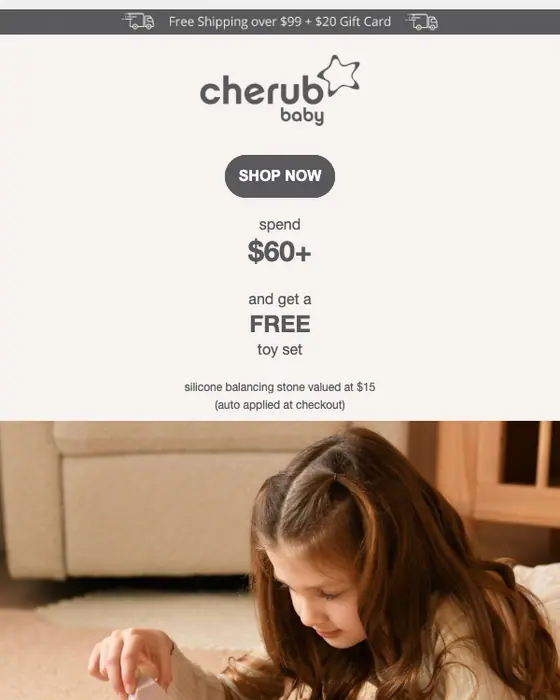
Cherub Baby
Your Cherub Order is Ready! 🎉😍

Gumbies Australia
Thank You For Your Order!
What ecommerce order confirmations include
Ecommerce order confirmations against every other industry
211 tagged ecommerce and 260 from every other industry, led by fashion, food and drink, marketplaces and events, same two inboxes| What we measured | Ecommerce | Every other industry |
|---|---|---|
| Order number in the subject line | 73% | 45% |
| Order number in the email | 84% | 80% |
| Prices in the email | 80% | 70% |
| A postal address | 88% | 54% |
| Card or account number, masked | 35% | 21% |
| Main button opens or tracks the order | 64% | 31% |
| Main button says “track” | 10 of 211 | 10 of 260 |
| Items laid out in a table | 32% | 28% |
| Greets by first name | 69% | 71% |
| Plain-text layout | 17% | 31% |
| Hero image | 2 of 211 | 4 of 260 |
| Median calls to action | 2 | 2 |
Guides to this email list the same parts: the order number, the items and prices, the delivery address and a “Track your order” button. Ecommerce sends do most of that, and more often than order confirmations from other industries. The address appears in 88% against 54%. The button is where stores differ from the guides. 64% point the main button at the order, but only 10 of 211 label it “track”. The most common label, on 74 of them, is “View your order”. Tracking links are the job of the shipping email. The order number, address, price and card rows count the emails where our copy had that detail removed for privacy, so they are floors.
What is in the collected set
The set leans Australian, because both inboxes are: 190 (90%) came from Australian senders and 10 from US ones. By year, 51 were sent in 2026, 73 in 2025, 52 in 2024, 29 in 2023 and 6 earlier. No store dominates. The most frequent senders are Amazon, with 6 from amazon.com and 4 from amazon.com.au, and Dick Smith with 4. At least 30 of the 211 have been removed from the whole library because they showed personal details.
Shopify order confirmation emails
114 of the 211 (54%) load their images from Shopify’s file servers, so more than half of the set appear to come from Shopify stores. 65 of those contain the same sentence word for word, “We’re getting your order ready to be shipped”, so a store that never touched the wording sends the same line as dozens of others. Bandou and Cherub Baby in the grid are two of the Shopify stores. Shopify’s help center says store email notifications are managed from the Notifications page in the admin, and that their templates can be customized with Liquid variables: customer notifications in Shopify’s help center.
A stock confirmation is a missed chance rather than a safe default. It is the email a customer expects the moment they pay, so it is the cheapest place to sound like the brand. The opening line and the note on what happens next are worth rewriting. The order number, items, prices and address are the record of the sale and stay as they are. For the same reason Nitrosend’s plain transactional mode asks for the transaction details and a way to reach support, and leaves marketing copy out.
What the shown emails do
IKEA and Koala are the complete version. IKEA opens with a three-step tracker, splits its instructions for click and collect and home delivery, then lists every item with its article number, the totals with GST and a “Track your order” button. Koala gives each item its own estimated arrival with a delivery window, puts assembly video and instruction links under the bed base and mattress, and adds a note to unbox the mattress within a few days.
Callie shows a four-stage tracker, from order received through custom crafted and shipped to delivered, with an estimated arrival window. Bandou splits the order into items that ship and items that do not, a digital story series among them, and Karaoke Version, selling downloads, replaces the delivery details with steps for downloading the file and the account’s loyalty points. Apple Store confirms a change to an order in plain text.
Some write like a small business. Hackerlily warns that its stock sits in a shared warehouse, so orders usually take one to four business days to pack and ship. UpAiry’s is a letter from its owner with download links and a 10% code for the next order. Cherub Baby leads with products to shop instead of order details, and Gumbies drops the order details for delivery, returns and contact links and a note on its tree planting.
Next to this one
All industries together are on the order confirmation email examples page. The emails either side of this one are receipt emails, tracking emails and abandoned cart emails, and every type of ecommerce email is under ecommerce email examples.
Questions about ecommerce order confirmation emails
Put the order number in the subject line, as 73% of the 211 ecommerce order confirmations we collected do. In the body, give the items and prices, the total, the delivery address and one button to view the order. A full template is in our order confirmation email guide.
The 10 above are real ones. IKEA and Koala show the complete version, with itemized orders, totals and delivery details. Callie adds a progress tracker, Karaoke Version handles a digital download, Apple Store’s is plain text, and Hackerlily and UpAiry write warmly, like a small business.
Let your store send it the moment payment clears. Of the 211 we collected, 114 appear to be Shopify stores, and 65 of those use the same sentence, so an unedited confirmation looks like many others. Edit the wording, keep the order number in the subject, and link the button to the order.
Make it easy to check. 88% of the 211 ecommerce confirmations we collected show a postal address and 80% show prices, so the customer can spot a mistake. Keep one clear next step: 64% point the main button at the order. Only 2 of the 211 use a hero image.
The library shows emails we have rendered full length, and only 10 tagged ecommerce had been. We removed 1 that printed the customer’s ZIP codes and its order number, leaving 9, and added Koala, filed under furniture, to make 10. Another 30 of the 211 were removed from the library for personal details. The percentages describe all 211.
In your Shopify admin, open the Notifications page, where Shopify says store email notifications are managed, and customize the order confirmation template with Liquid variables. Rewrite the stock sentence, which 65 of the 114 Shopify-style confirmations we collected share, and keep the order number in the subject.