
What an ecommerce promotional email is
An ecommerce promotional email is one an online store sends to sell: a flash sale or other deadline, a seasonal event such as Black Friday, a discount, or a product it wants you to see.
We collected 198 of them from 96 online stores out of two ordinary inboxes, 2016 to 2026, 113 of them sent in 2023 or later. Of those, 32 have a full-length render in the library. This page shows 30, one per store, all sent in 2025 or 2026: 15 from that set and 15 sale, discount and seasonal emails from other stores in the same inboxes. We left out broken renders, repeats of one store's template, emails with personal details, and long text with no offer.
Browse 30 ecommerce promotional emails: flash sale, seasonal and discount
Tap a chip to sort by what the subject line leads with: a deadline, a seasonal sale, a discount, or no offer at all. Each email sits under one chip. Open any one to see it full length, with its subject line and a prompt that rebuilds it.
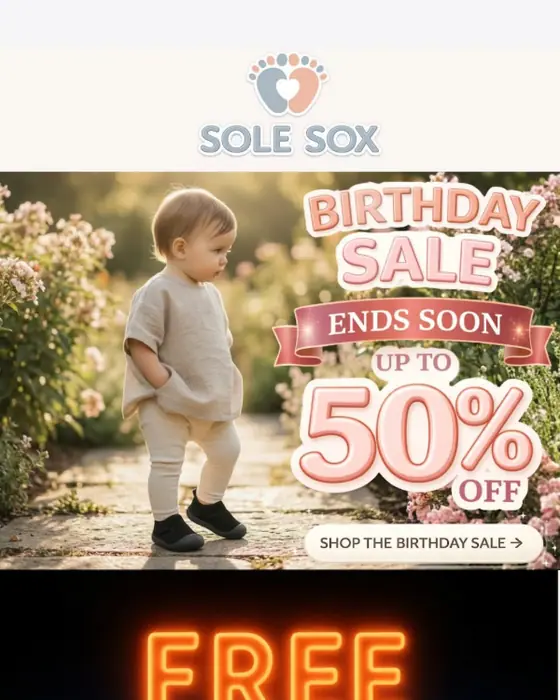
Sole Sox Australia
24 hours only: Free Shipping is LIVE 🚚
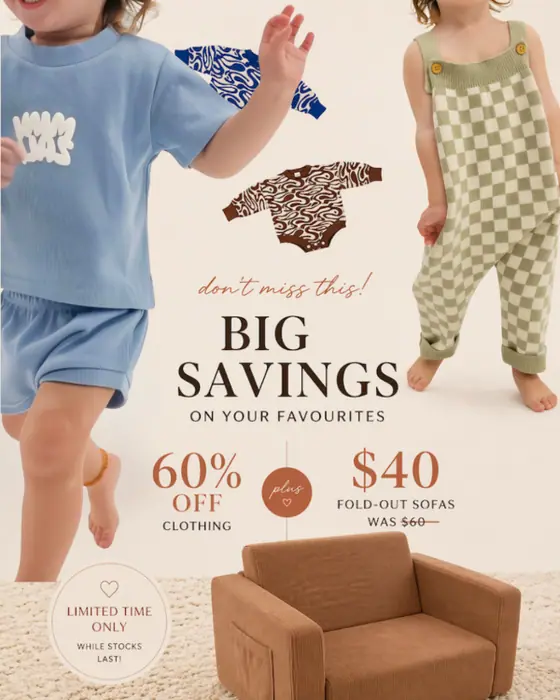
Mini Zali
60% OFF Clothing + $40 sofas 😳
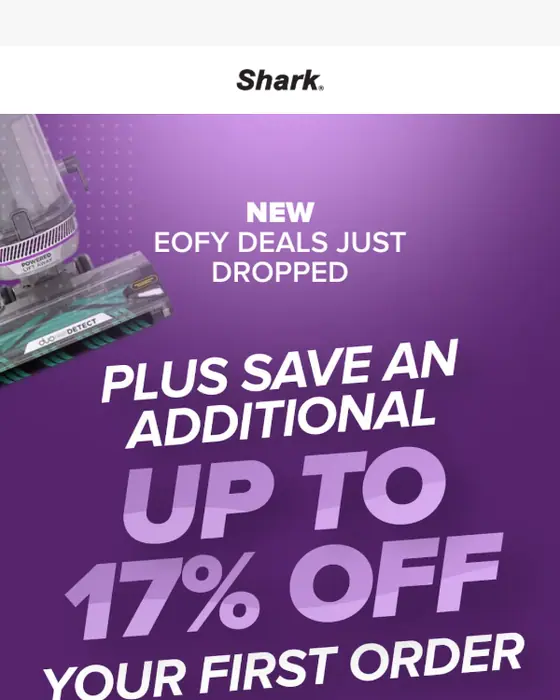
Shark Australia
New EOFY deals + 17% off your first order 👀
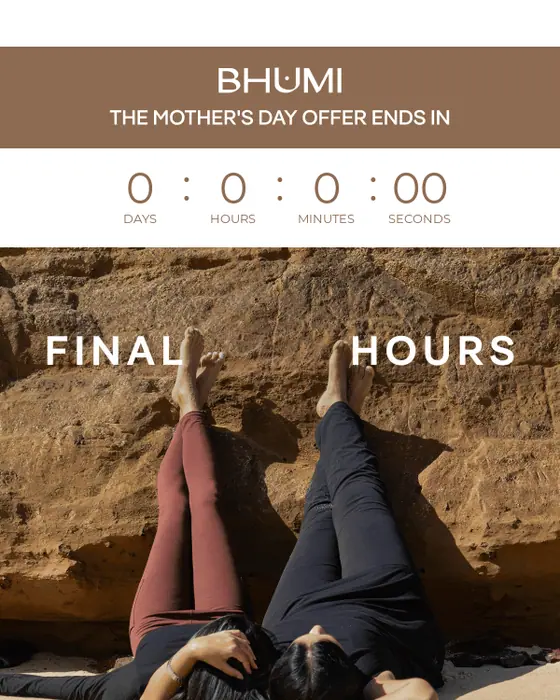
Bhumi Organic Cotton
🚨 Final Hours. 50% OFF Everything.
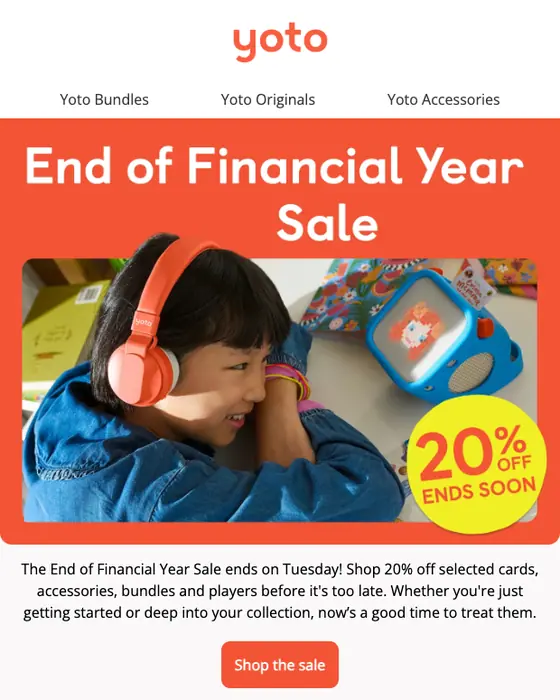
Yoto
20% off ends soon 🚨
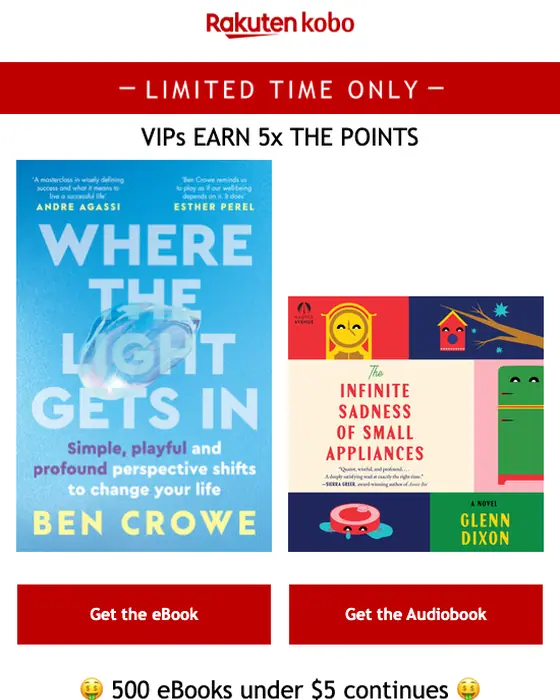
Kobo
Today, Where the Light Gets In can be yours for only $5.99
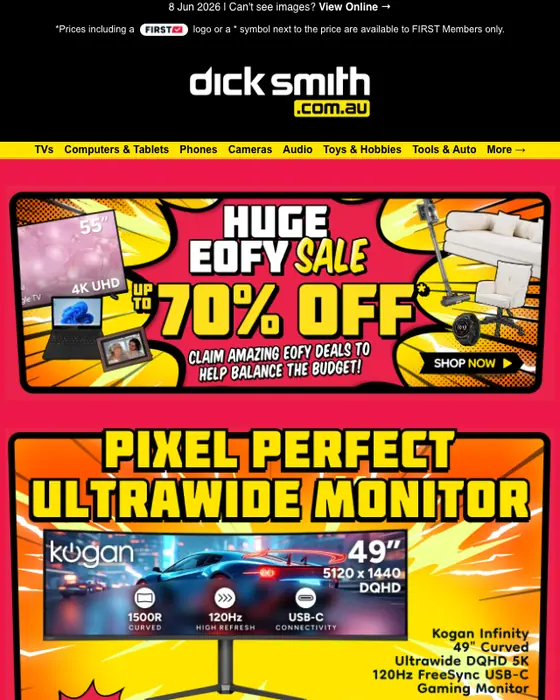
Dick Smith
ULTRA-Low $499 for This Kogan 49" DQHD 120Hz Ultrawide Monitor
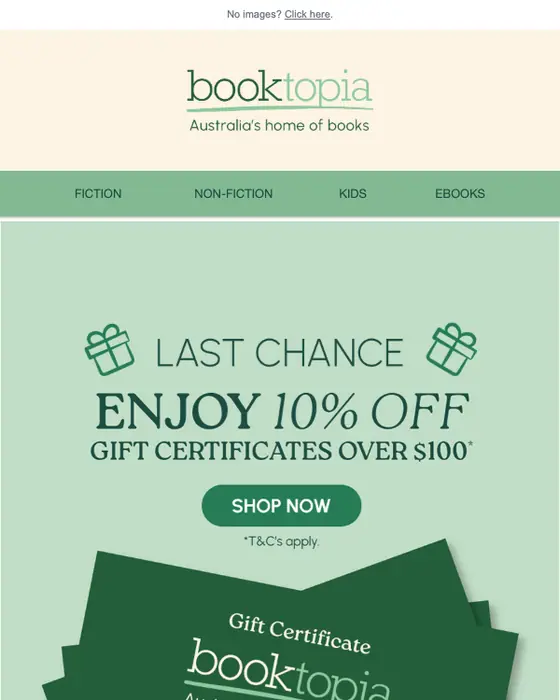
Booktopia
One day left for 10% off Gift Certificates!*
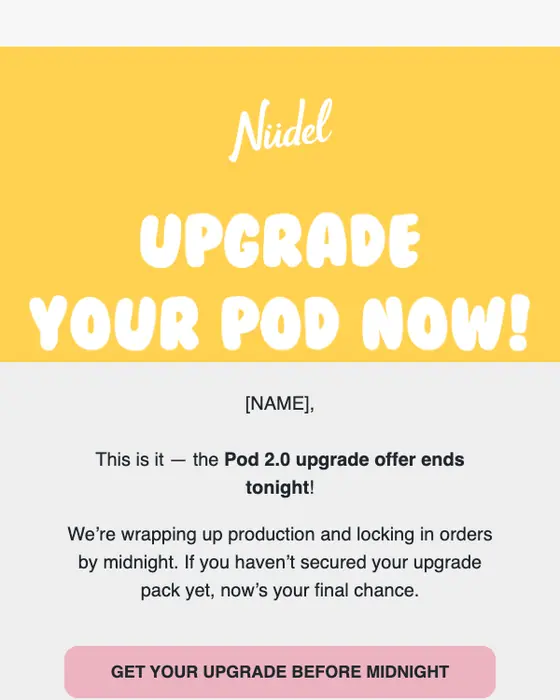
Nüdel Pod
🚨 Ends Tonight – Last Chance to Upgrade Your Pod!
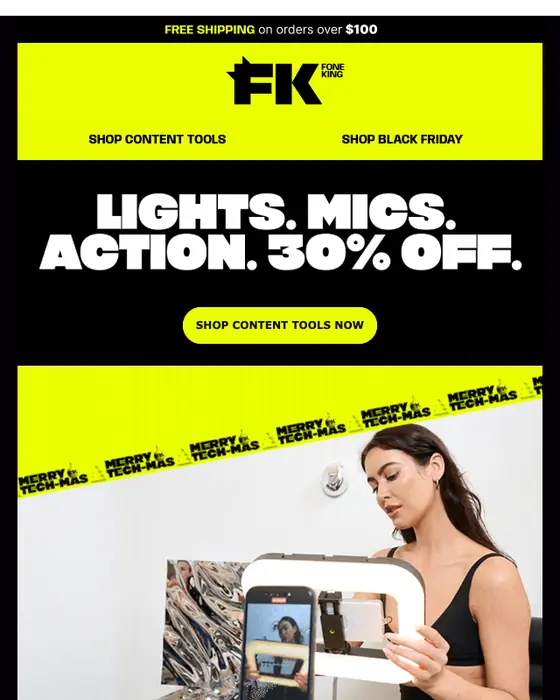
Fone King
💅 Content tools that go viral (Now 30% Off) 💅

EB Games
Cheap Tuesday is Back! Deep Discounts on Video Games & Accessories
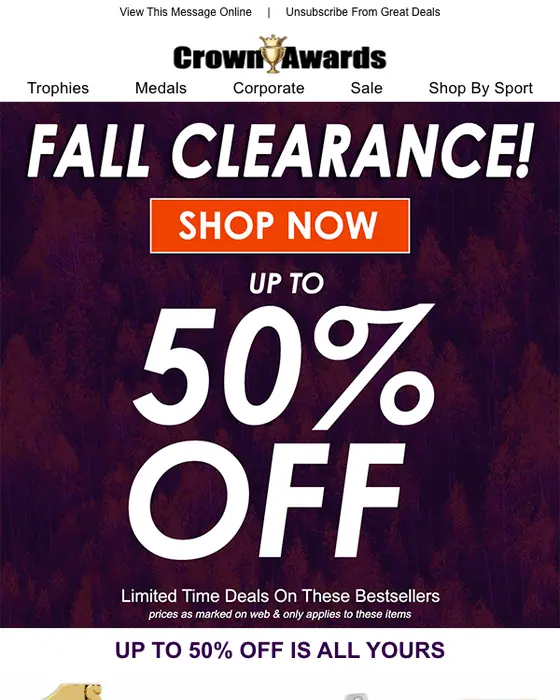
Crown Awards
🍂 Fall Clearance Is On – Save Up to 50% Now!
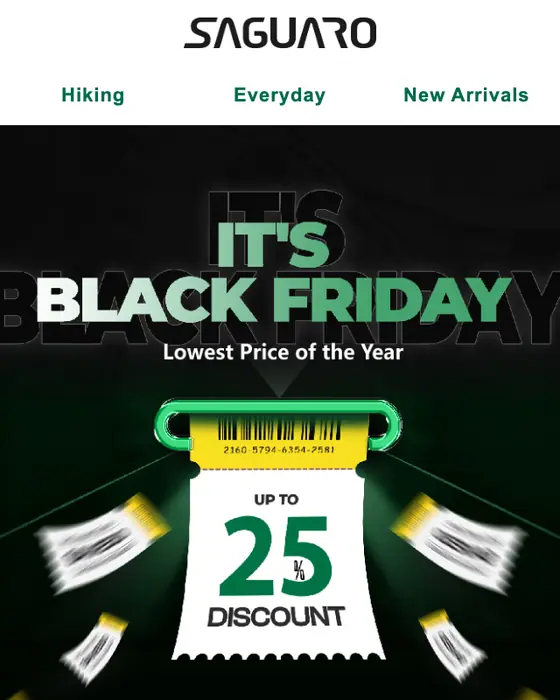
Saguaro
It’s Here: Black Friday Deals Start Now!
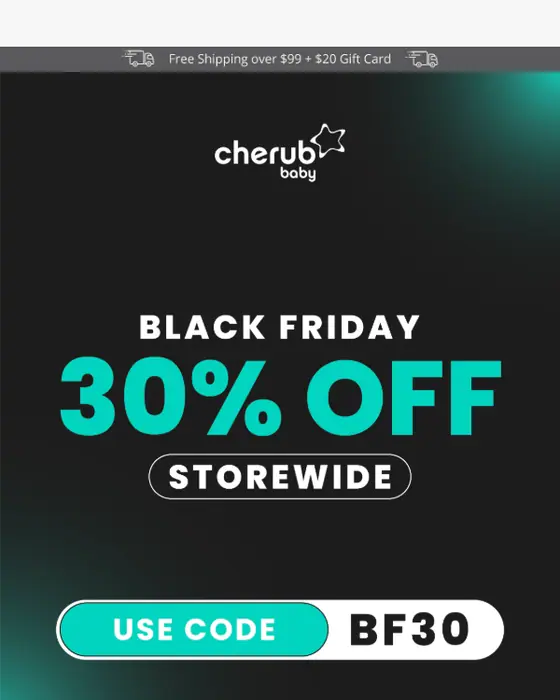
Cherub Baby
Why Wait? Save 30% on Bundles Today!🎁
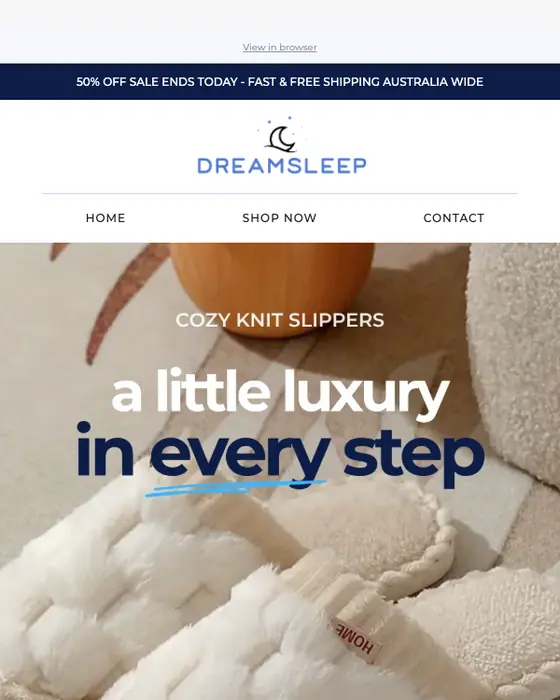
DREAMSLEEP AUSTRALIA
40% OFF ends tonight – your coziest upgrade awaits 🩶
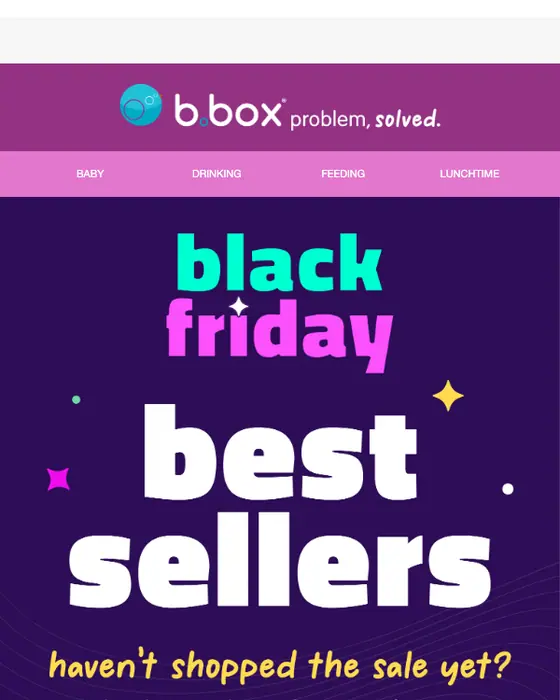
b.box for kids
Only 48 hours left to shop top faves! ⏰
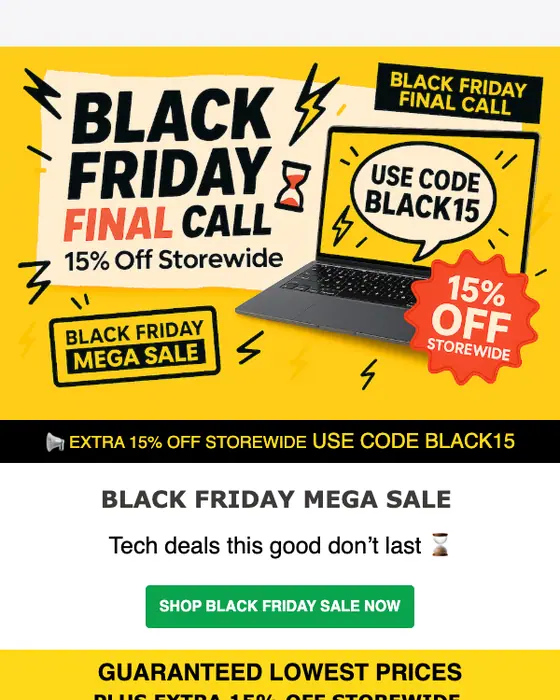
ManlyLaptops.Com.Au
Black Friday Final Call ⏳15% OFF Storewide
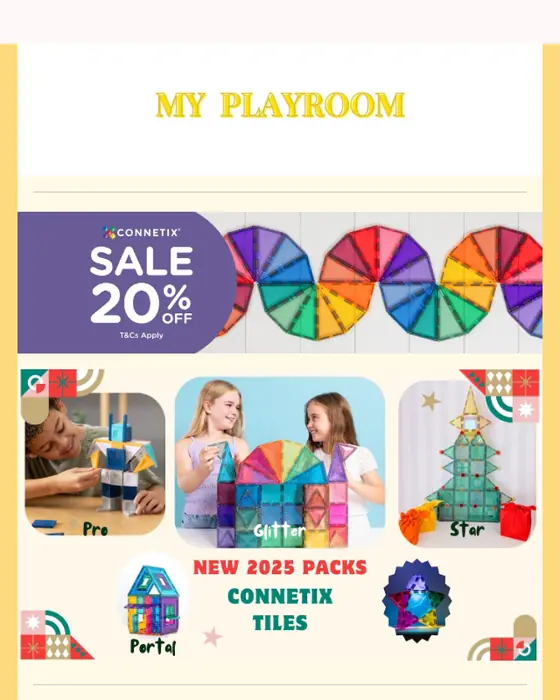
My Playroom
The Epic Mega Savings of 2025
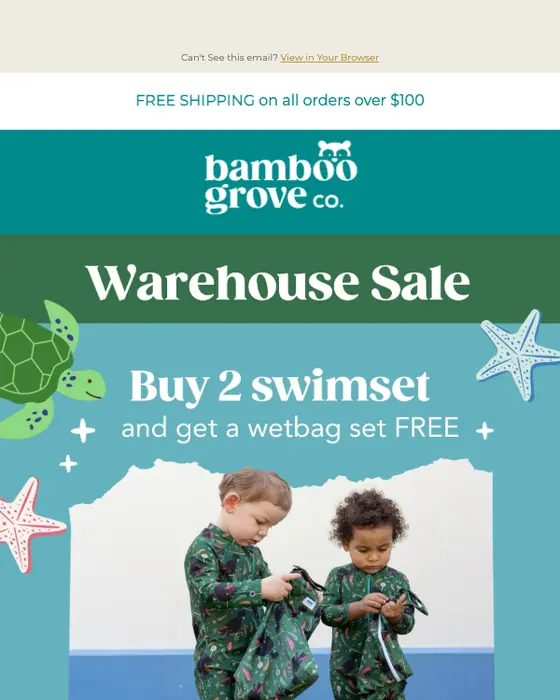
Bamboo Grove Co
Splash into Easter with a Free Gift 🐣
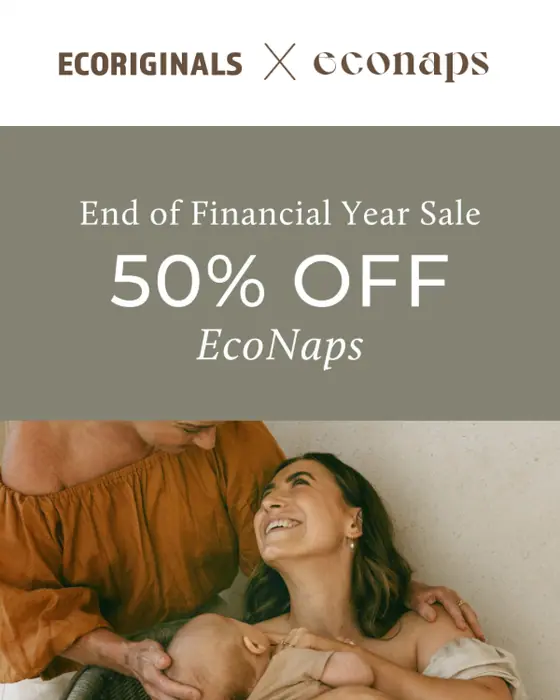
Ecoriginals
50% Off EcoNaps Reusables!
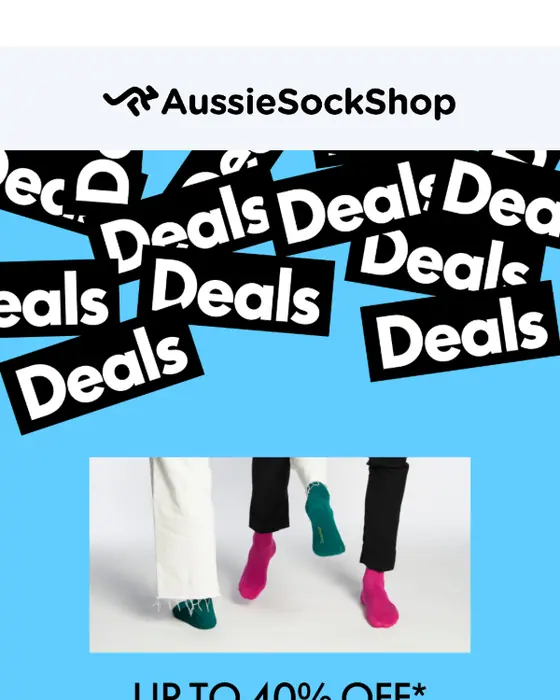
Aussie Sock Shop
STARTS NOW 🚀
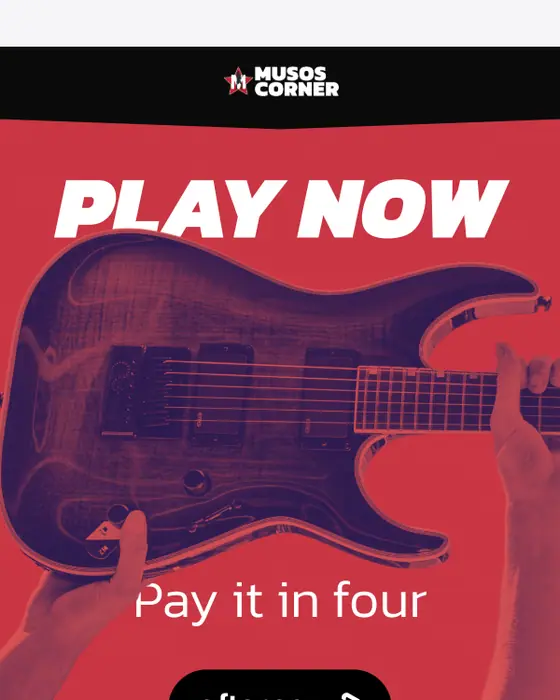
Musos Corner
📢 Afterpay Available Online Now at Musos!
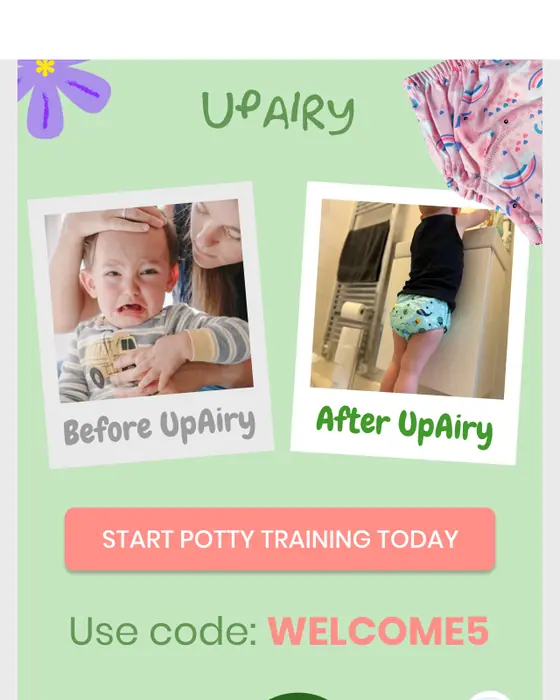
UpAiry
The Secret to Faster Potty Training
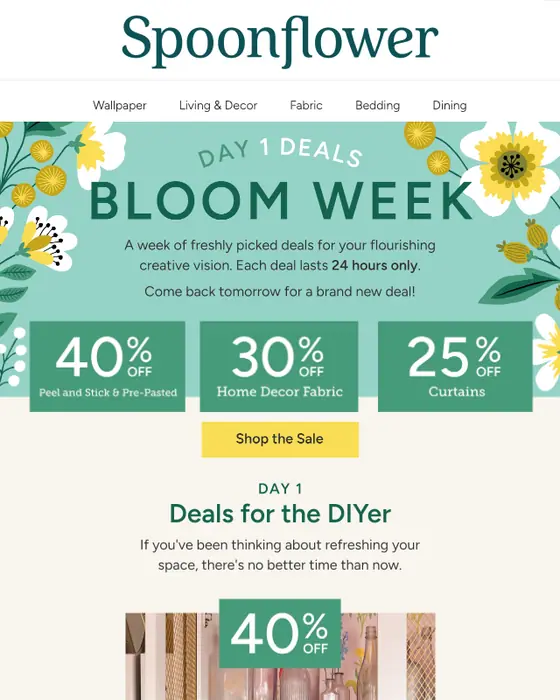
Spoonflower
Bloom Week is here!
How ecommerce promotions differ from other promotional email
Ecommerce promotional email against promotional email from every other industry
198 ecommerce and 2,601 other promotional emails, same two inboxes| What we measured | Ecommerce | Every other industry |
|---|---|---|
| Shows a grid of products | 30% | 4% |
| Opens with a hero image | 45% | 22% |
| Image heavy | 32% | 11% |
| Subject line leads with a discount | 43% | 21% |
| Puts a percentage or price in the subject | 22% | 11% |
| Written in an urgent tone | 22% | 19% |
| Sent to existing customers | 81% | 48% |
| Greets the reader by first name | 18% | 30% |
| Plain-text layout | 9% | 26% |
| Single-column layout | 74% | 69% |
| Exactly one call to action | 28% | 30% |
| Median calls to action | 3 | 2 |
Stores sell with the product in view. 30% of ecommerce promotions carry a product grid and 45% open with a hero image, against 4% and 22% of promotional email from every other industry, and only 9% are plain text against 26%. The offer goes in the subject: 43% lead with a discount, against 21%. And they go to people who have bought before, 81% against 48%, yet greet them by first name less often, 18% against 30%. These describe what was sent, not how well it sold.
What is on this page
What the subject line leads with
the 30 emails on this page| Filter | Emails | The subject line names |
|---|---|---|
| Deadline | 9 emails | a time limit: hours, today, tonight, ends, final or left |
| Seasonal sale | 5 emails | a named event: Black Friday, EOFY, Easter, fall clearance |
| Discount | 6 emails | a percentage, a price or the word discount or savings |
| No offer in subject | 10 emails | a product, a story or a launch; the offer sits inside |
Ten of the 30 put no offer in the subject at all and keep it for the body or skip it, which is why the page keeps them: a store story or a product launch is still a promotion. Every one is from an online store and all 30 are from different stores. Australian stores send 21 of them, which is where the inboxes are.
Who gets the promotion
81% of the ecommerce promotions we collected went to existing customers, so who receives a promotion matters as much as how it looks. A store that sends five promotions in the run-up to Black Friday to a list it has not mailed for years is likely to collect spam complaints, and that damages the deliverability of every later email. The safer plan is to leave that list out and promote to people who have bought or recently signed up.
Next to this one
The same library, cut a different way: every promotional email, sale emails, discount emails, seasonal campaigns, welcome offers, abandoned cart emails, and everything online stores send, from receipts to reviews.
Questions about these emails
Yes. This page shows 30 full-length emails from online stores: deadline sends such as a 24-hour free shipping offer, Black Friday and Easter sales, straight percentage discounts, and product or brand stories with no offer in the subject. All 30 landed in two real inboxes.
They show the product more and greet the reader less. 30% carry a grid of products against 4% of promotional email from other industries, and 45% open with a hero image against 22%. 43% of subject lines lead with a discount, against 21%. 18% use the reader's first name, against 30%.
Of the 198 ecommerce promotional emails collected, 32 have a full-length render in the library, and this page keeps 15 of those, one per store. It leaves out broken renders, repeats of one store's template, emails with personal details and long text with no offer. It adds 15 sale, discount and seasonal emails from other stores. The percentages describe all 198.
Nitrosend, if you want promotional email written and sent from an AI assistant such as Claude or ChatGPT instead of a drag-and-drop editor. You run the whole email and SMS stack from the assistant, a human approves each send, and it connects to Shopify.