
What a healthcare email is
A healthcare email is a message a clinic, hospital, lab, insurer or health brand sends to its patients and customers. Most are appointment confirmations and reminders, account and billing notices, health newsletters, and promotions for tests, treatments and products.
We collected 295 from 98 healthcare brands in two ordinary inboxes, sent between 2016 and 2026, and show 40 of them here from 31 brands. The percentages describe all 295. 224 of the 295 came from Australian senders, so the set leans Australian.
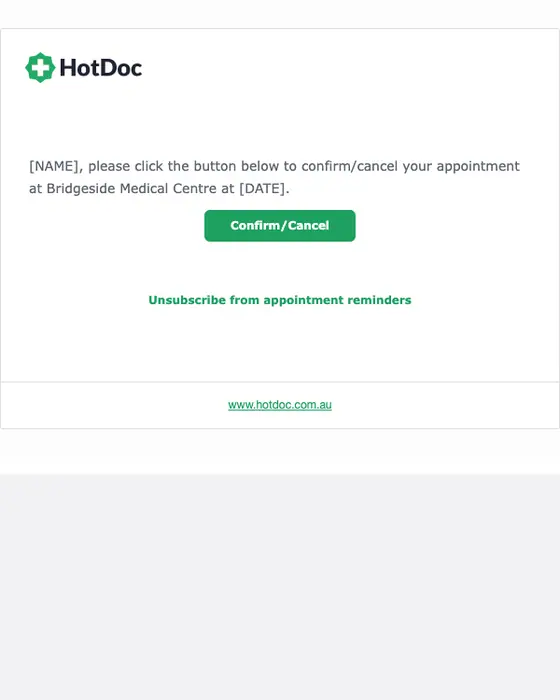
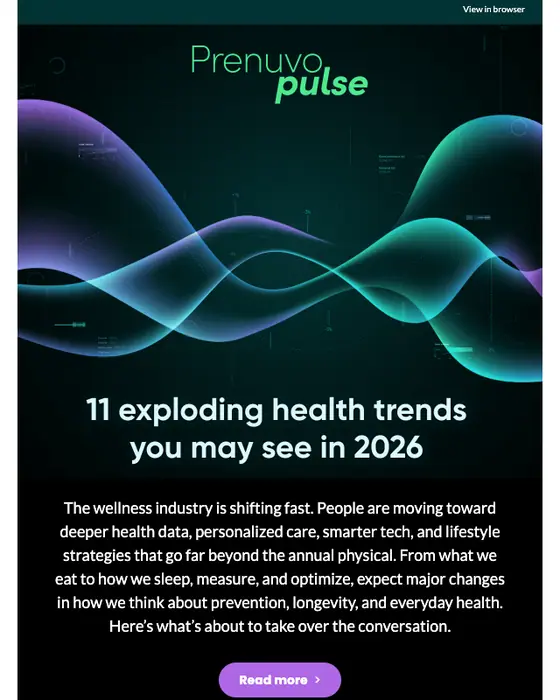
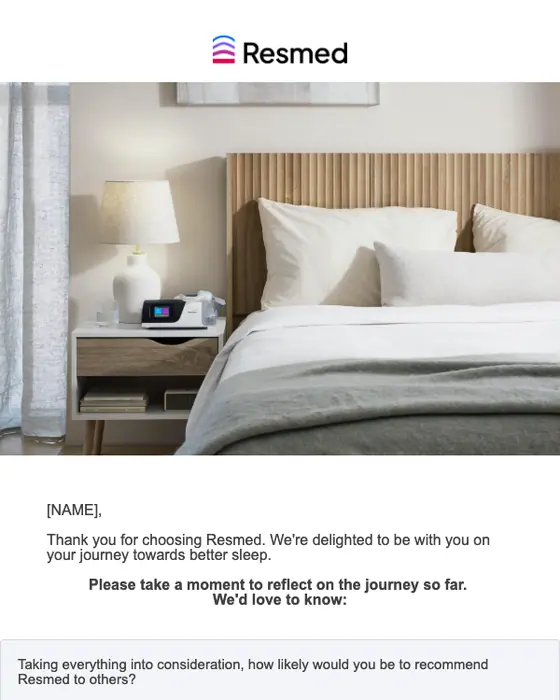
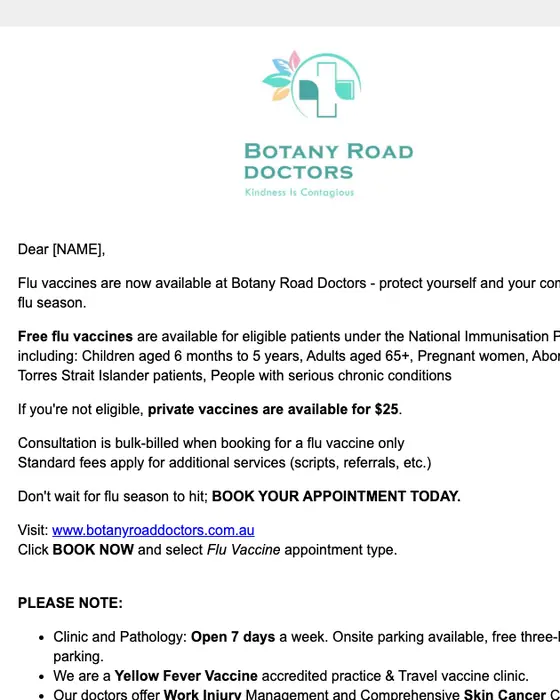
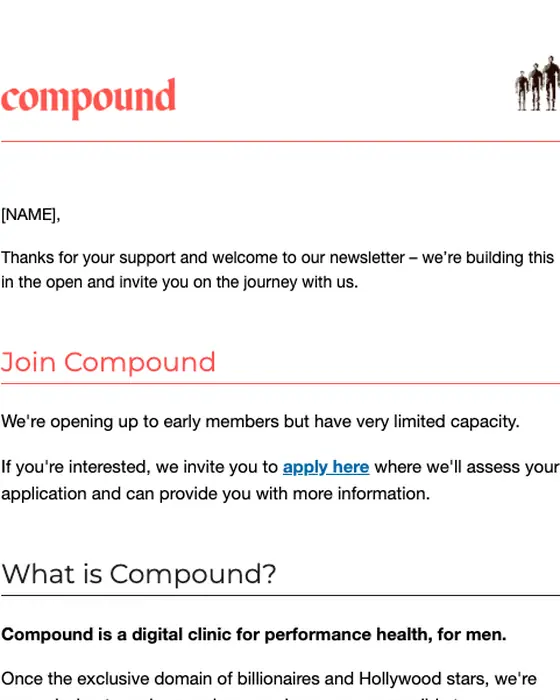
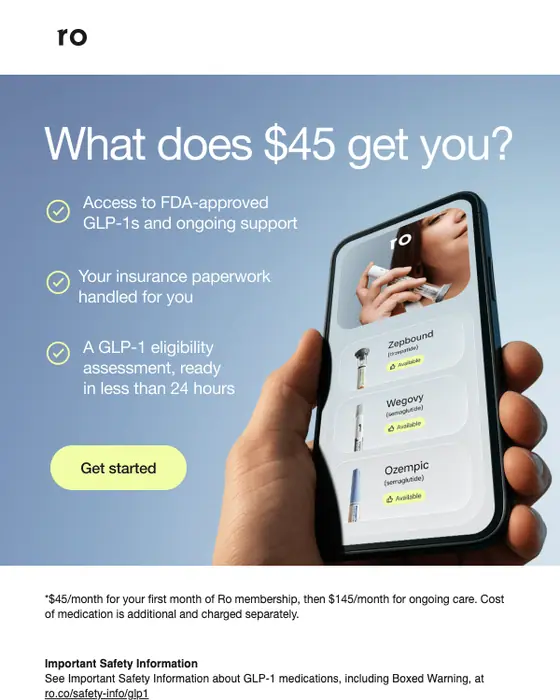
The kinds you will meet most each have one on this page: appointment emails (Bridgeside Medical Centre's confirm-or-cancel note), health newsletters (Prenuvo Pulse), post-visit surveys (Resmed's feedback request), welcome emails (Compound's), seasonal reminders (Botany Road Doctors' flu vaccine notice) and telehealth offers (Ro).
Browse all 40 healthcare emails
Filter by the kind of email, or search a brand or subject line. Open any email to see it full length, with its subject line, notes on what it is doing, and a prompt that rebuilds it.
The grid leans more promotional than the collection. 19 of the 40 shown (48%) are promotions, sales or discount offers, against 21% of all 295. Most of the appointment and billing emails are not published yet.
Bridgeside Medical Centre
[NAME], please confirm your upcoming appointment at Bridgeside Medical Centre
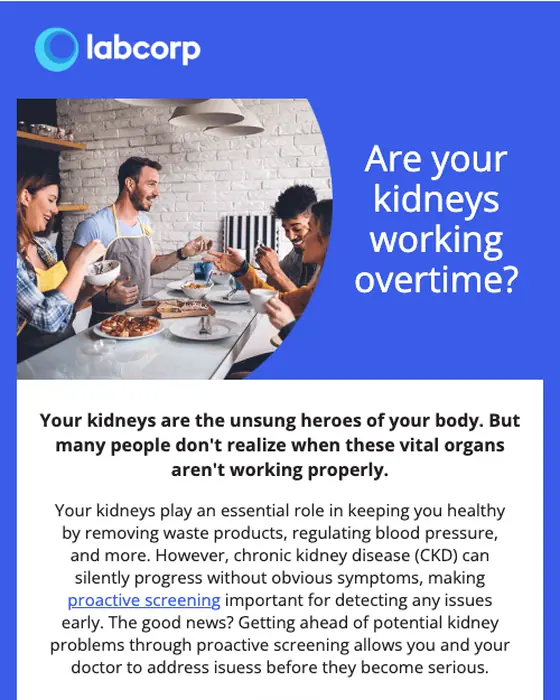
Labcorp
Your kidneys: Small organs, big impact
Prenuvo
What's new: December 2025 | Prenuvo Pulse
Resmed
[NAME], please share your feedback
Delight Dental Spa
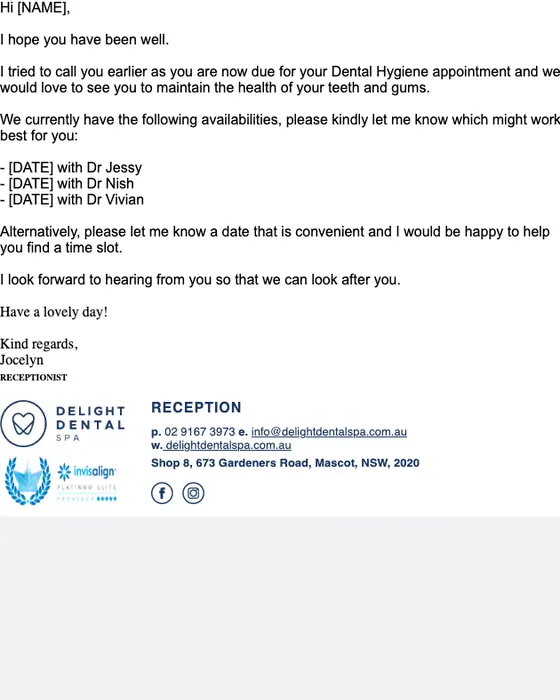
Dental Hygiene Appointment
Botany Road Doctors
Flu vaccines are now available at Botany Road Doctors
Compound
Welcome to Compound
Ro
Get started on Ro for just $45
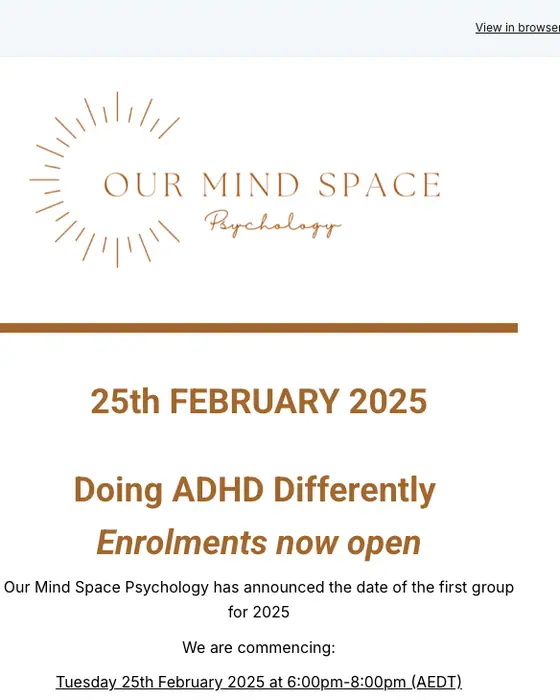
Our Mind Space Psychology
Enrolments now open for 25th February 2025 "Doing ADHD Differently" group
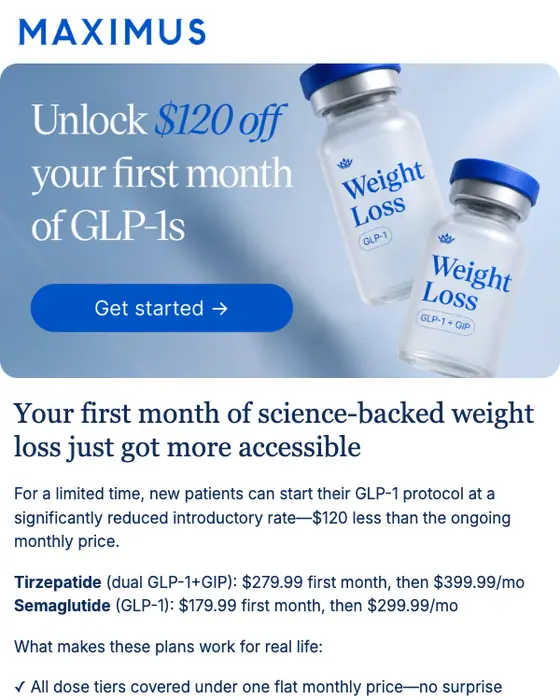
Maximus
Unlock $120 off your first month
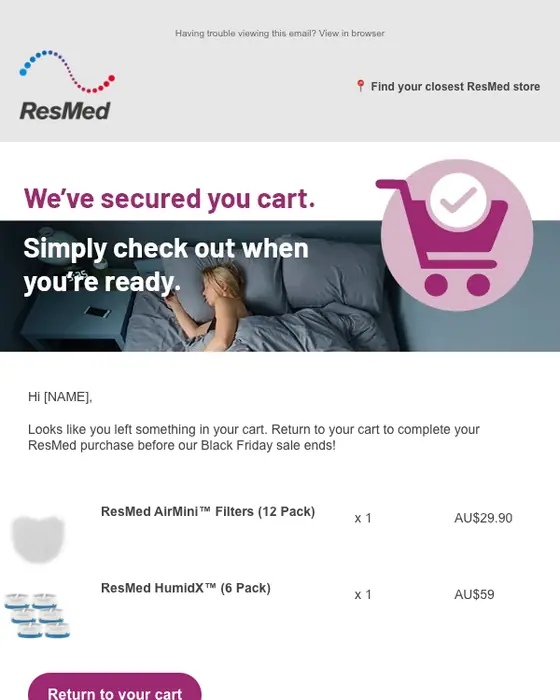
ResMed
You've forgotten something in your cart
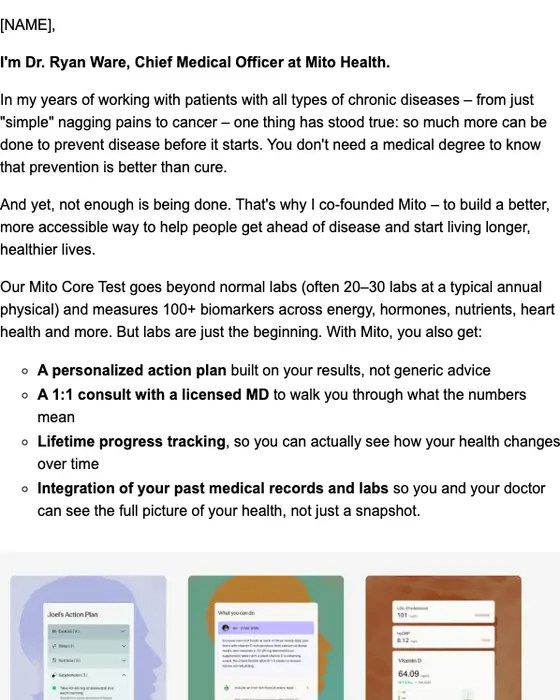
Mito Health
A deeper dive into your health (and $50 off)
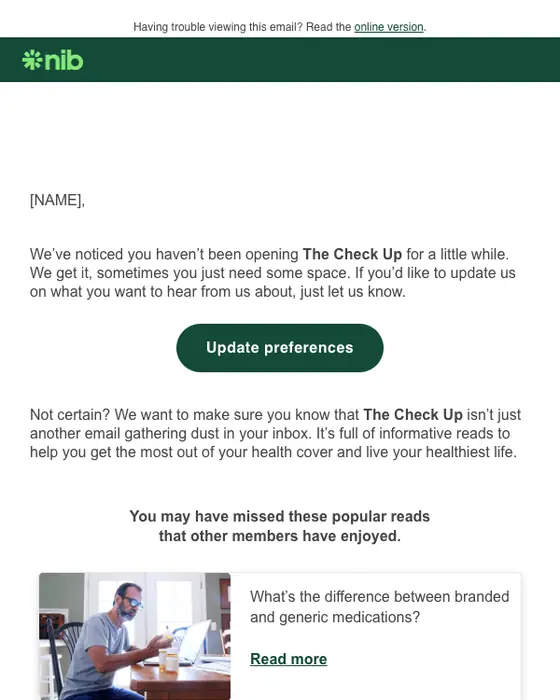
nib Insurance
[NAME], do you still want to hear from us?
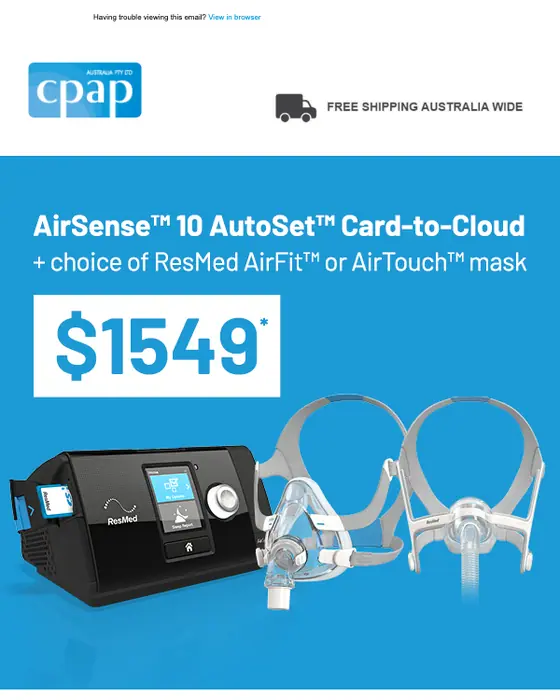
CPAP Australia
Our May offer: ResMed machine & mask special!
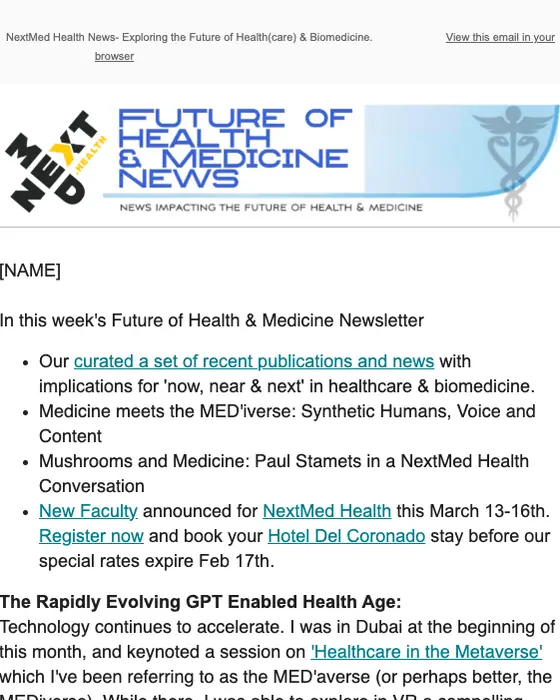
NextMed Health
NextMed: The Med'iverse meets GPT and Synthetic Humans
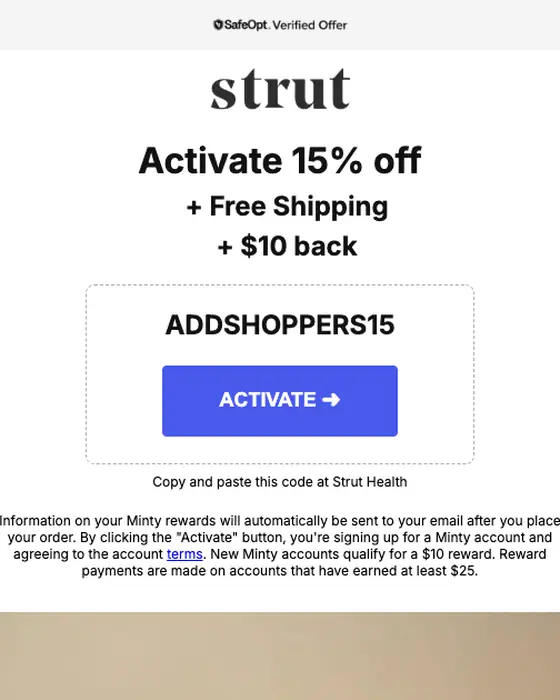
Strut Health
Your recent visit earned a new offer.
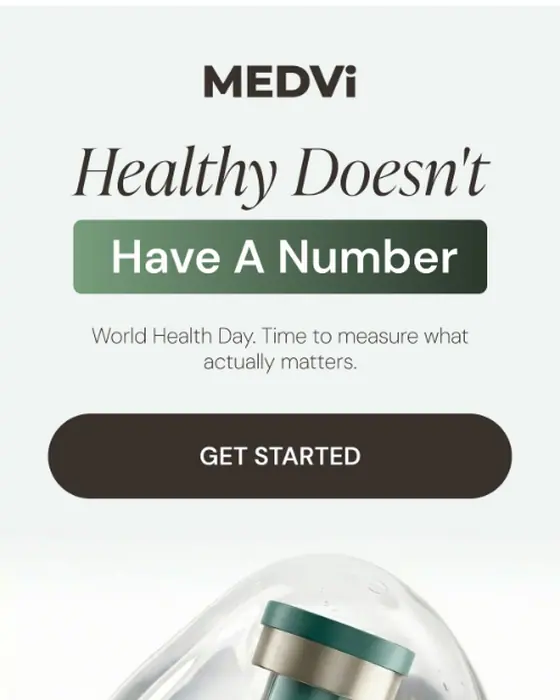
MEDVi
Feel Like Yourself Again ✨
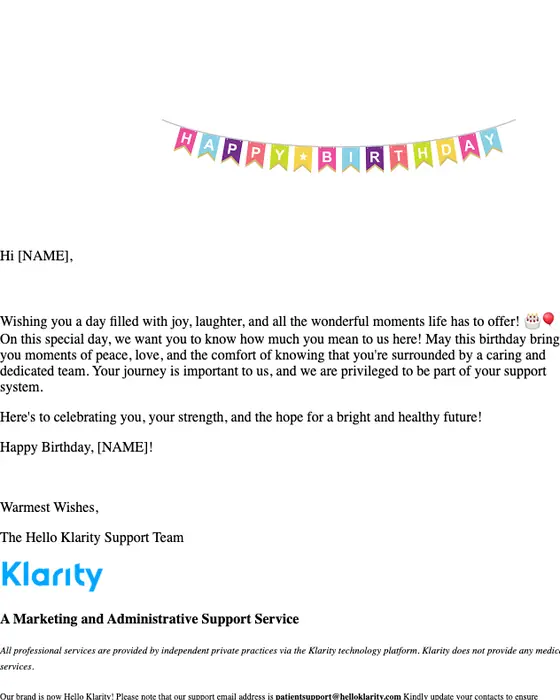
Klarity
Wishing you a Happy Birthday!
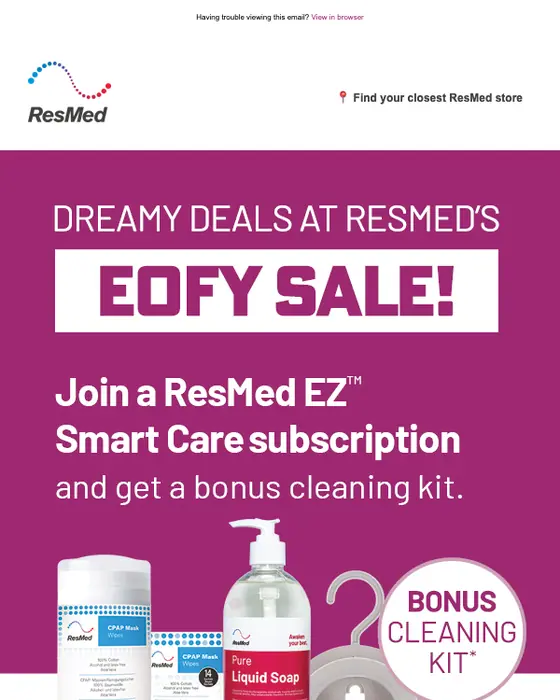
ResMed
Simplify CPAP resupply with this great deal on ResMed EZ Smart Care
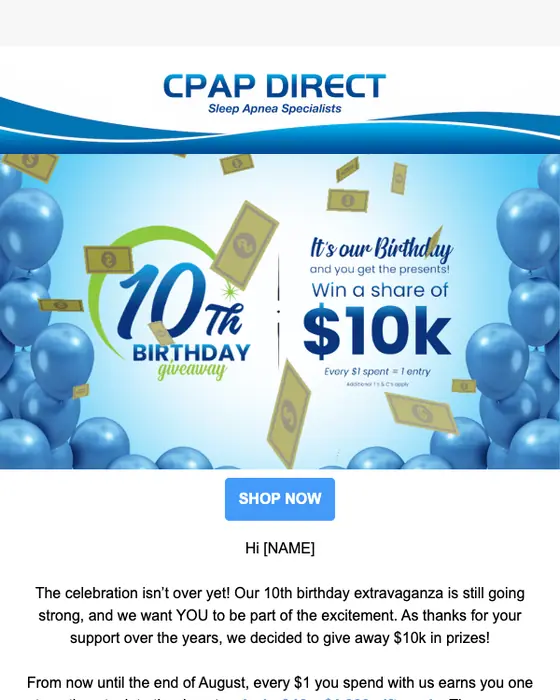
CPAP Direct
🎁🎈Win a share of 10k 🎁🎈
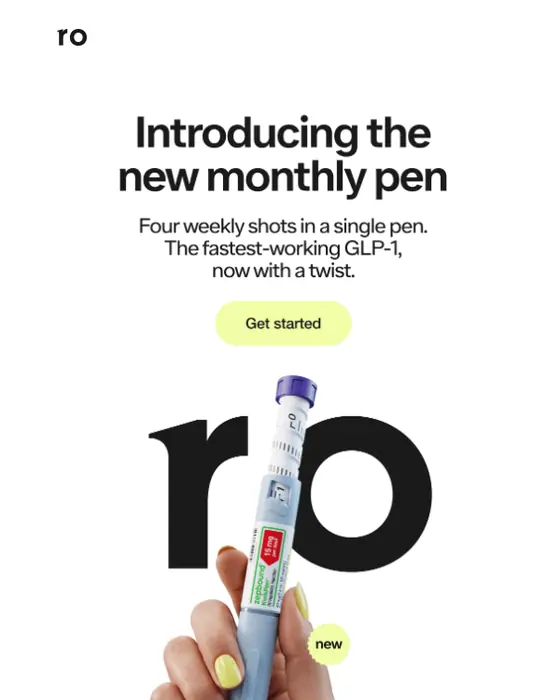
Ro
Introducing the new GLP-1 pen 🎉
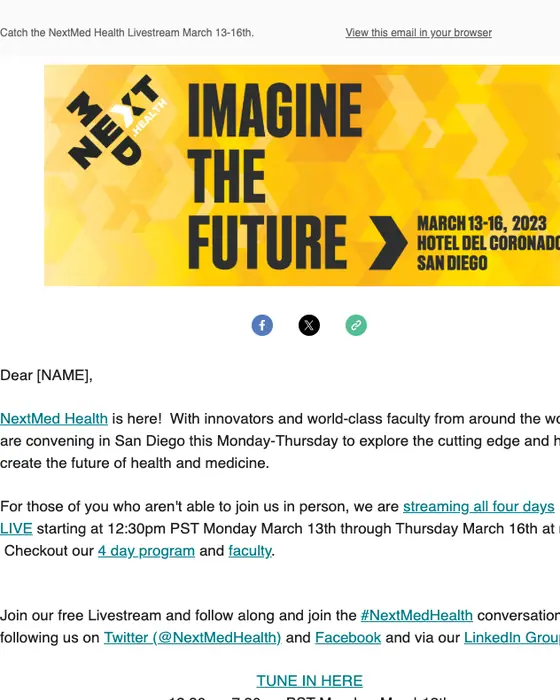
NextMed Health
NextMed Health: Free Livestream this Monday-Thursday
ResMed Shop
Black Friday Sale is Now On!
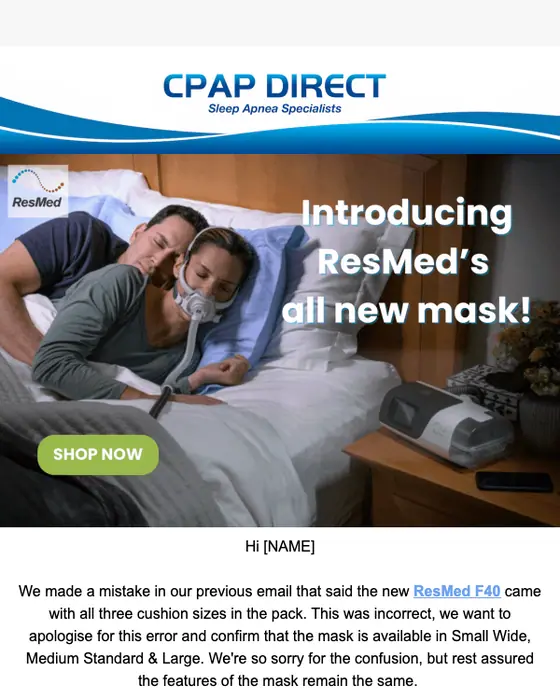
CPAP Direct
🫣Email Correction: F40 Mask
How healthcare email differs from everything else in the same inboxes
Healthcare emails against every other email
295 healthcare and 12,416 other emails| What we measured | Healthcare | Everything else |
|---|---|---|
| Appointment emails | 22% | 1% |
| Sent after a booking or purchase | 45% | 25% |
| Promotions, sales and discount offers | 21% | 28% |
| Plain subject line that says what it is | 55% | 32% |
| Plain-text layout | 46% | 31% |
| Text heavy | 71% | 60% |
| Monochrome color | 73% | 62% |
| Large image at the top | 7% | 12% |
| Greets the reader by first name | 60% | 40% |
| Exactly one call to action | 31% | 30% |
Healthcare email is mostly operational. 22% of it is appointment emails, against 1% of everything else the same inboxes received, and 45% is sent after a booking or purchase, against 25%. Promotions, sales and discount offers are 21%, against 28%. It is plainer too: 55% carry a subject line that says what the email is, against 32%, and 46% use a plain-text layout, against 31%. It is also more personal, with 60% greeting the reader by first name, against 40%.
What is in the collected set
The most common healthcare email types
all 295 collected| Type | Emails | Share |
|---|---|---|
| Appointment | 66 | 22% |
| Promotional | 39 | 13% |
| Account notice | 35 | 12% |
| Invoice | 20 | 7% |
| Newsletter | 17 | 6% |
| Sale | 15 | 5% |
| Order confirmation | 15 | 5% |
Where each email sits in the patient or customer relationship
all 295 collected| Stage | Emails | Share |
|---|---|---|
| After a booking or purchase | 132 | 45% |
| Keeping an existing patient or customer | 74 | 25% |
| Winning a new one | 36 | 12% |
| Account admin | 25 | 8% |
| Activation | 9 | 3% |
| Onboarding | 8 | 3% |
Appointment emails lead by a wide margin, with promotions second and account notices close behind. Appointment emails from every industry have their own page.
Next to this one
The same library, cut by the job the email does: booking confirmations, invoice emails, account notices and survey emails. Gyms, fitness apps and wellness brands are on health and fitness email examples.
Questions about healthcare emails
Labcorp's, from 2025, with the subject "Your kidneys: Small organs, big impact". It opens with "Are your kidneys working overtime?", explains in one paragraph why kidney disease is easy to miss, and puts a "Read More" button above the kidney health test it sells. Promotions, sales and discount offers are 21% of the 295 healthcare emails we collected.
Appointment emails. They are 22% of the 295 we collected, 66 emails, against 1% of everything else in the same inboxes. Account notices are 12% and invoices 7%. Taken by stage, 45% are sent after a booking or purchase. Our transactional email best practices cover the sending side.
Bridgeside Medical Centre's, from 2026, is the shortest kind: the clinic, the date and one Confirm/Cancel button. Delight Dental Spa's reception sends a plain note instead, offering three dates, each with a dentist, and asking which suits. Appointment emails are the largest group in the collection, 66 of the 295. More from every industry are on the appointment email page.
Names, email addresses and account numbers are replaced with placeholders such as [NAME], and an email where something personal still shows is taken off. Appointment emails are the hard case: at least 30 of the 66 we collected name the treating practitioner in full, so we show none of those. For what you may send, see email marketing laws.
83 of the 295 are published so far. Here we took off 21 repeats of a brand template already shown and 22 that showed something personal or did not render, such as a doctor's full name, a prescription, a child's care, a verification code or the recipient's own name. That leaves 40 from 31 brands; the rest count in the percentages.