
![Apple account notice email: Action Required on Apple Order [REF]](/email-examples/img/19cda4a6bc3a1193-t.webp)
What an account notice email is
An account notice email tells a customer that something about their account has changed or needs attention: new terms, a price or plan change, a payment that failed, a move to a new platform, or an account that is about to lapse.
We collected 845 of them from 517 brands in two ordinary inboxes, sent between 2016 and 2026. This page shows 53, from 49 brands: 42 of the 845, plus 11 that the library files as expiration notices or security alerts and that announce an account change. The percentages describe all 845. Sign-in alerts, password resets and verification emails have their own pages: security alert emails, password reset emails and email verification emails.
Browse 53 account notification email examples
Tap an industry to narrow the grid, or search a brand or subject line. Open any email to see it full length, with its subject line, notes on what it is doing, and a prompt that rebuilds it.
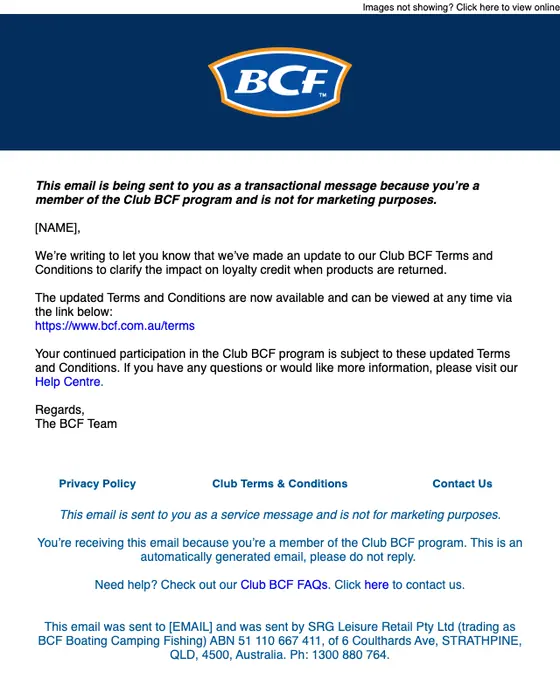
BCF
Update to our Club Terms and Conditions
Wispr Flow
Your [NAME] workspace is ready 🚀
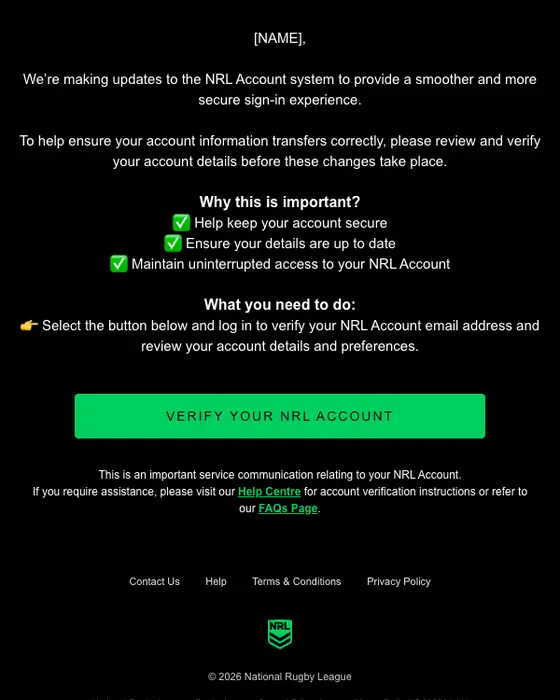
NRL
Important update to your NRL Account.
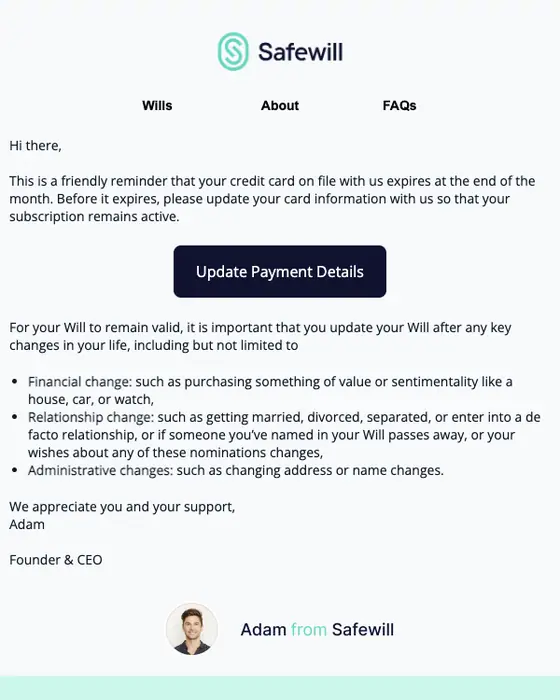
Safewill
[Action Required] Keep Your Will Accessible – Avoid the $80 Unlock Fee
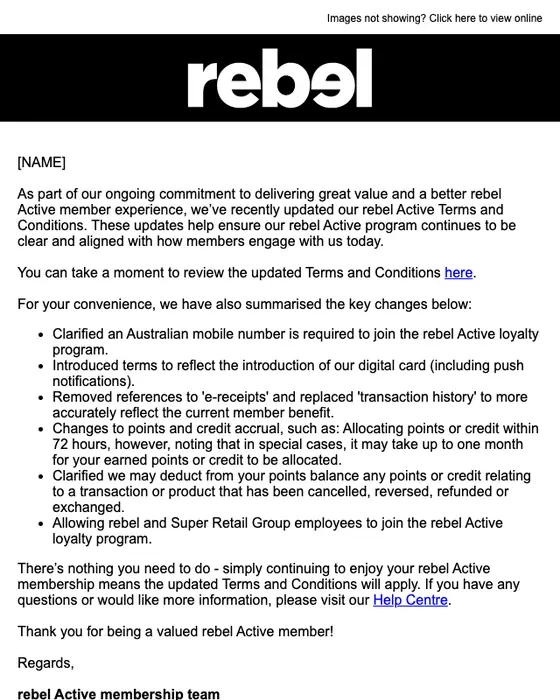
rebel active
Update to our rebel Active Terms and Conditions
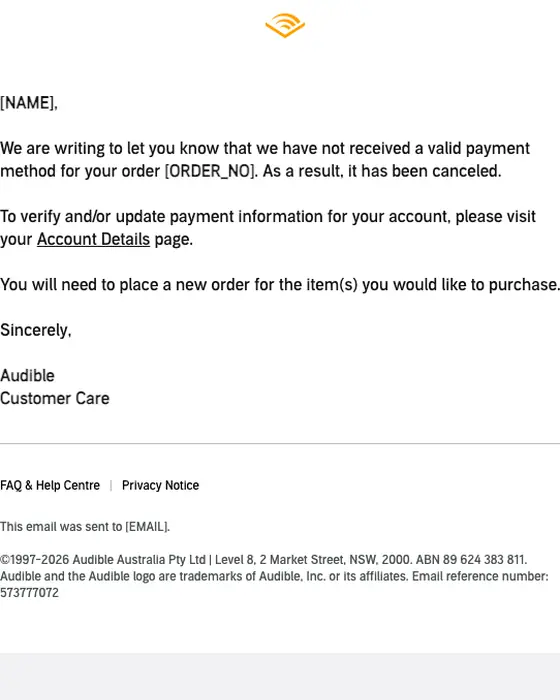
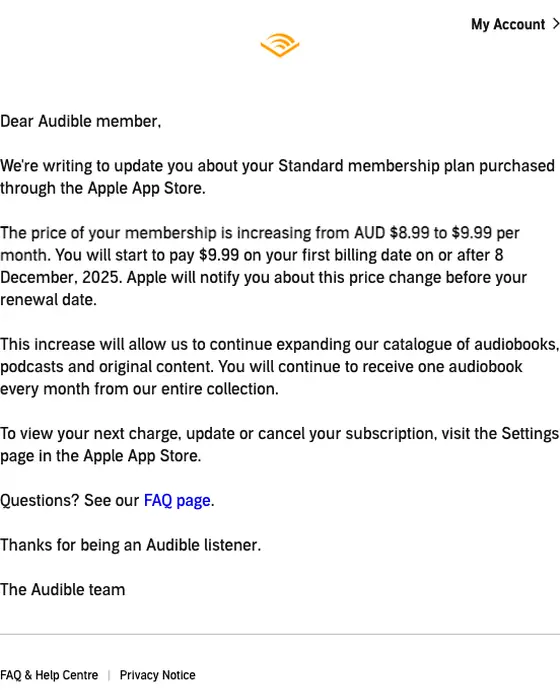
Audible.com.au
Important notice regarding your Audible order
Apple
Action Required on Apple Order [REF]
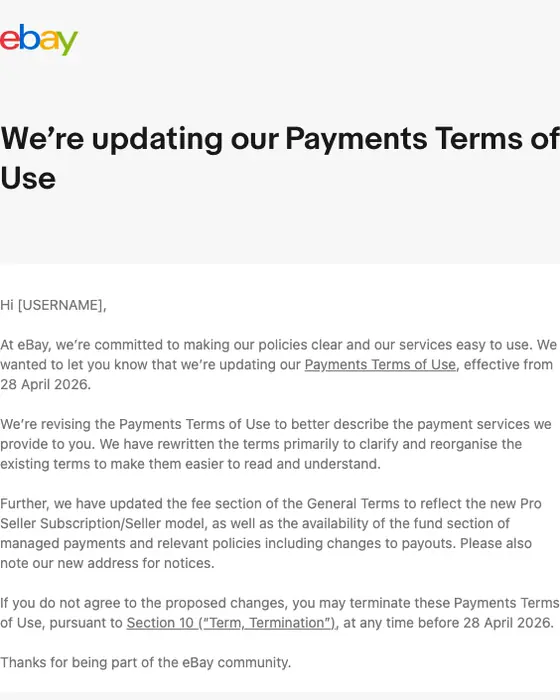
eBay
We’re updating our Payments Terms of Use
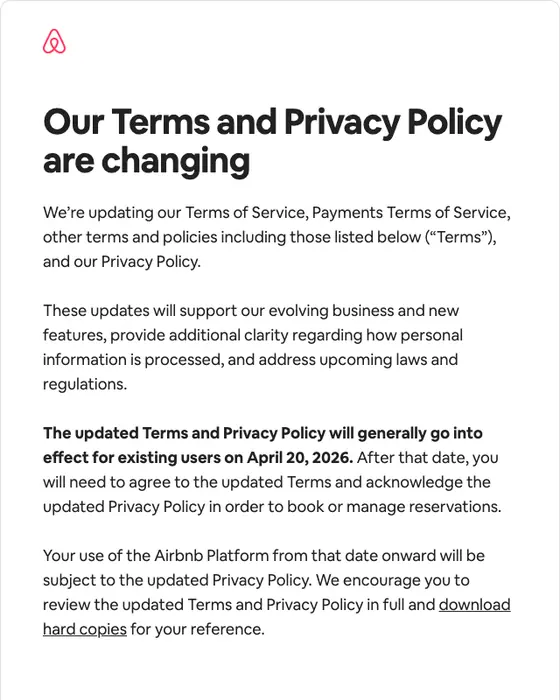
Airbnb
We’re updating our Terms and Privacy Policy
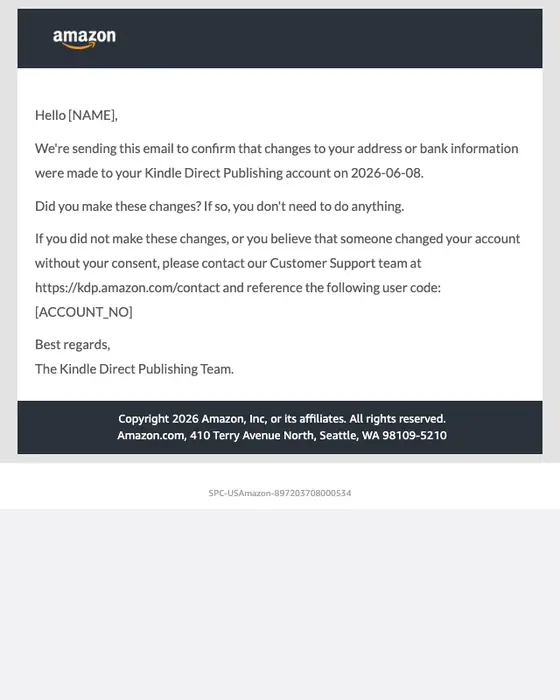
Amazon Kindle Direct Publishing
Recent update to your Kindle Direct Publishing account
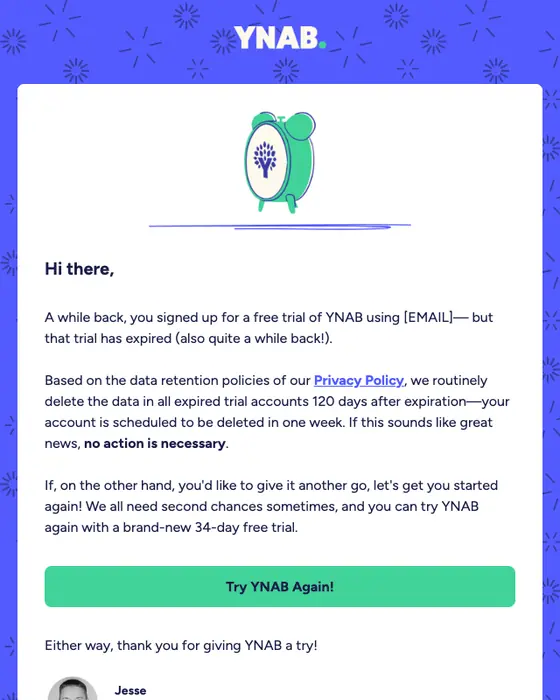
YNAB
Your YNAB Trial Account
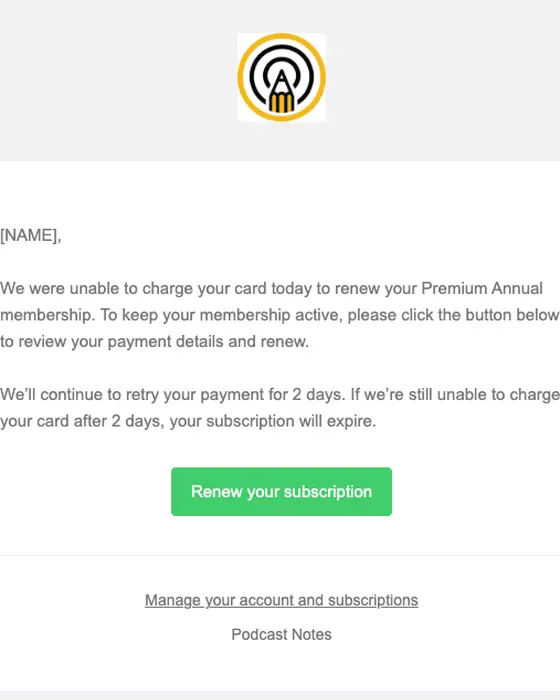
Podcast Notes
Your Podcast Notes subscription renewal is late!
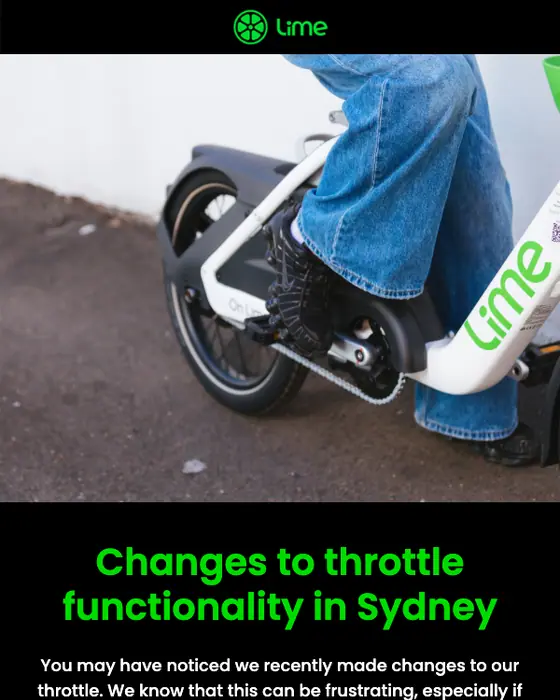
Lime
Update to your throttle experience
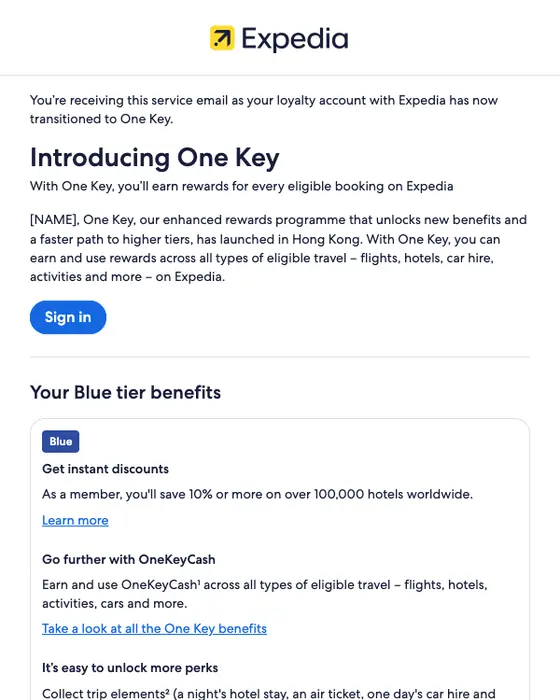
Expedia
Important update: Expedia Rewards is becoming One Key
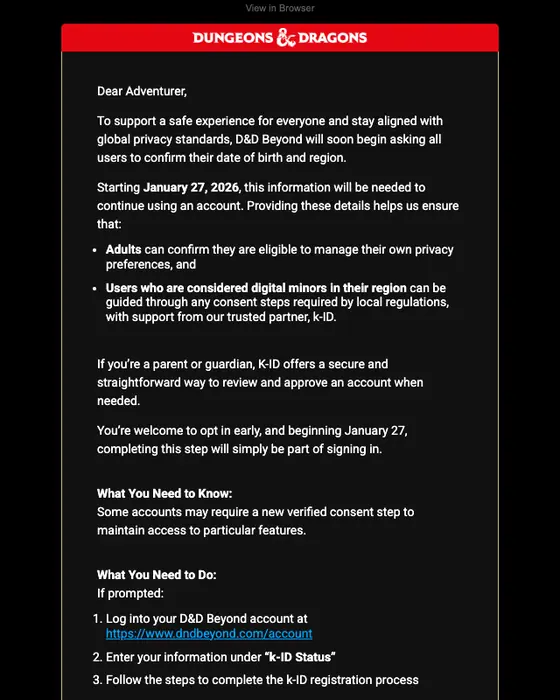
D&D Beyond
Upcoming Update to Account Consent Process
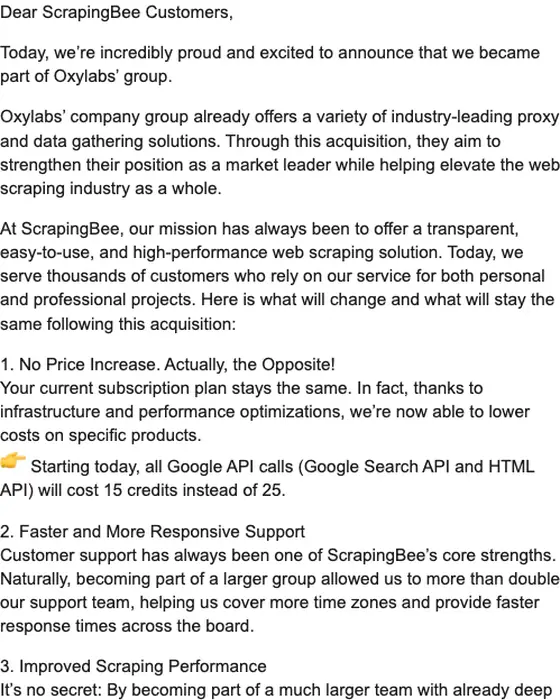
ScrapingBee
ScrapingBee is joining forces with Oxylabs' group
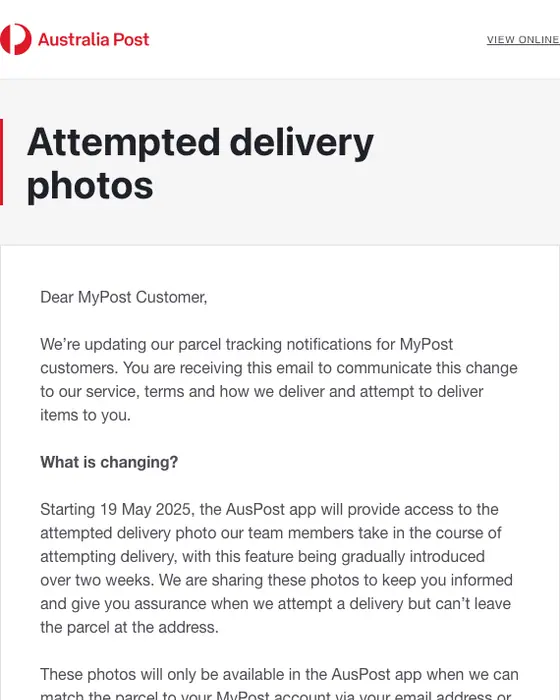
Australia Post
Update to our parcel tracking notifications
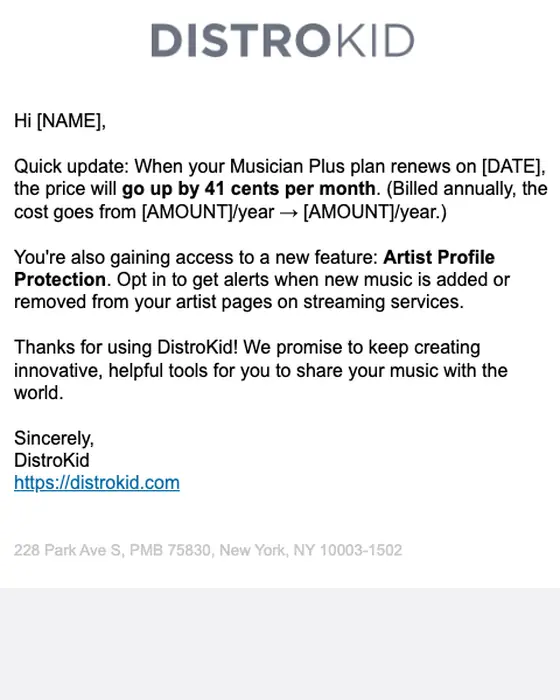
DistroKid
Small price increase (and a new feature)
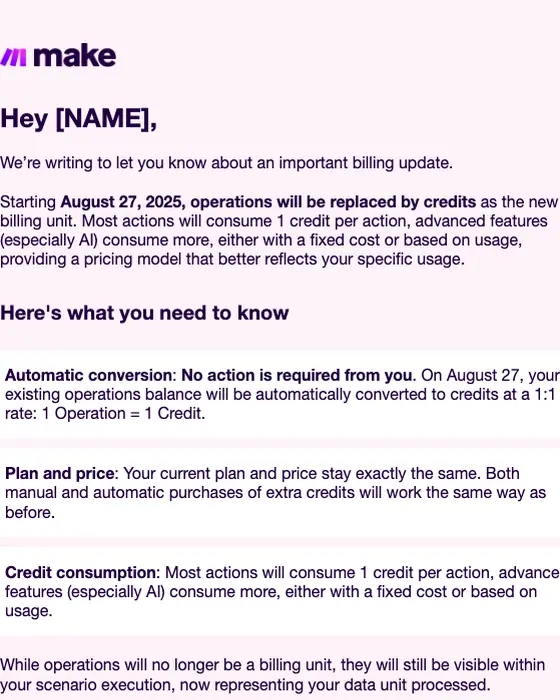
Make
Important update: Introducing Credits as our new billing unit
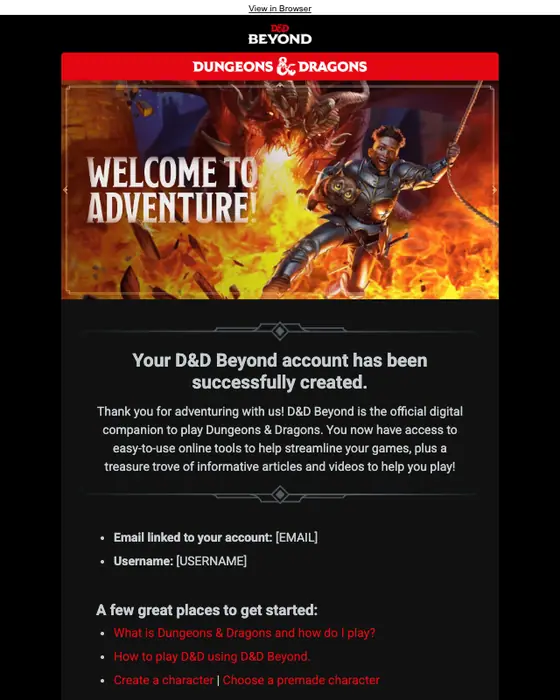
D&D Beyond
Your D&D Beyond account has been successfully created
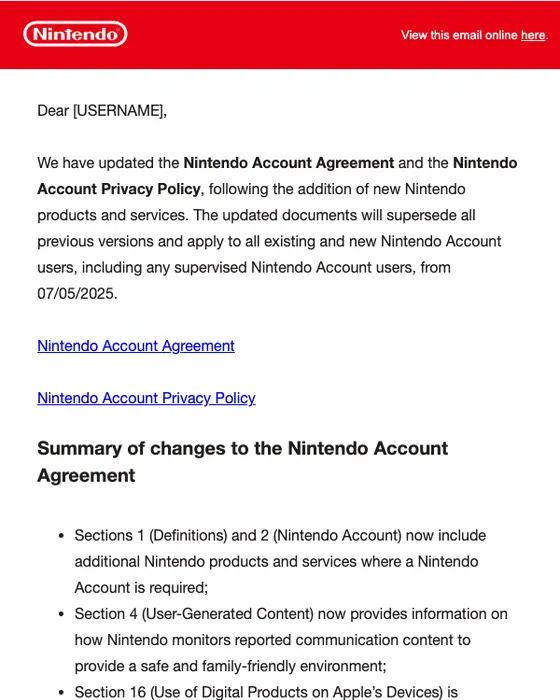
Nintendo Australia & New Zealand
Updates to the Account Agreement and the Privacy Policy
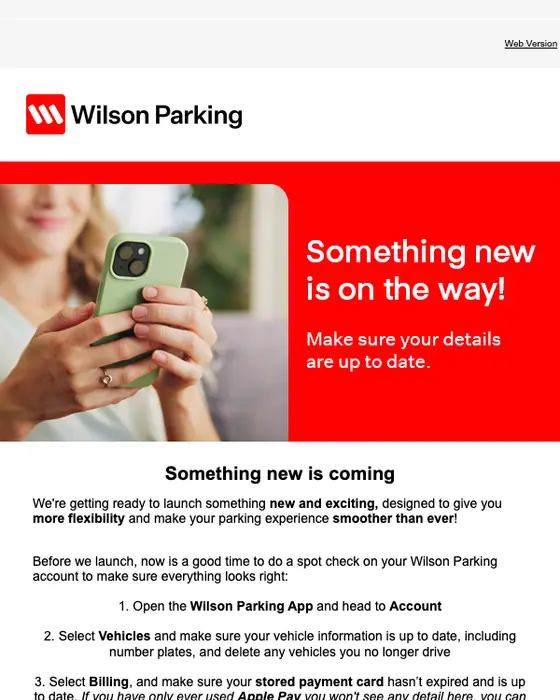
Wilson Parking Australia
Something new is coming, [NAME]
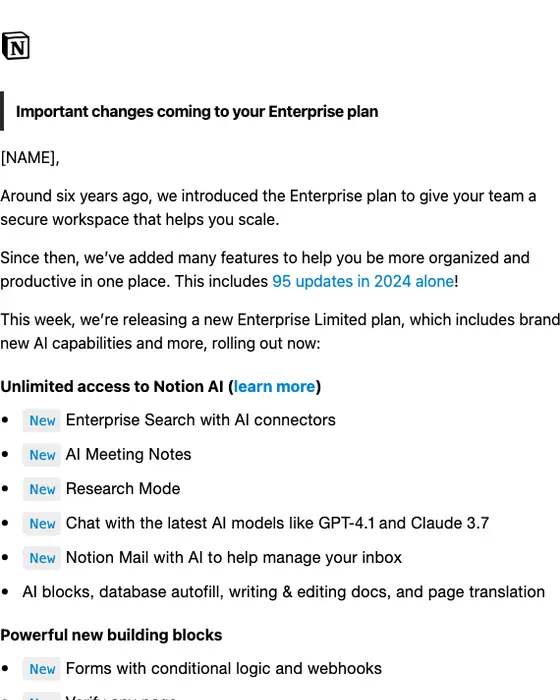
Notion
Important changes coming to your Enterprise plan
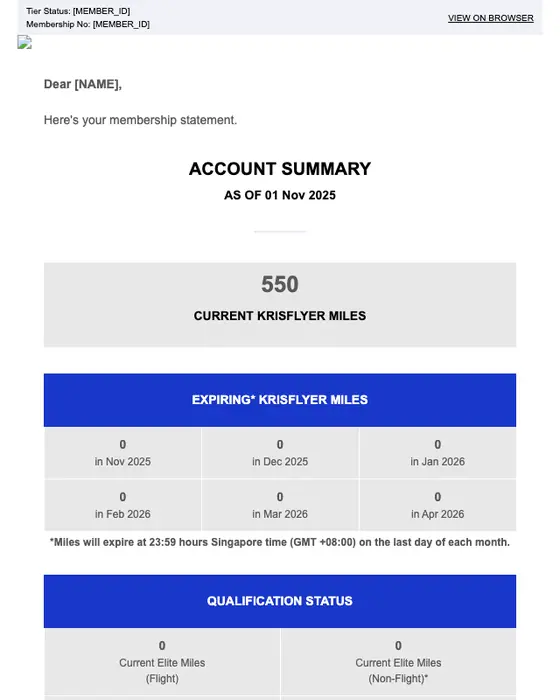
KrisFlyer
Your KrisFlyer Account Statement
What the 53 on this page announce
The 53 emails shown, by what the notice announces
our grouping, from each subject line and our notes on the email| What the notice announces | Emails | Brands on this page |
|---|---|---|
| A service, program or platform is changing | 13 emails | NRL, Bankwest, Crunchyroll, IFTTT, Expedia |
| Terms or privacy policy update | 12 emails | Airbnb, eBay, Vimeo, Strava, Hulu |
| Price or plan change | 6 emails | Notion, Audible, Make, DistroKid, Xero, Heroku |
| Unused account or expiring trial | 6 emails | Miro, HubSpot, UptimeRobot, Google Photos, SBS On Demand, YNAB |
| Payment or renewal problem | 5 emails | Apple, Audible, Safewill, Podcast Notes, Videoleap |
| Security details changed | 4 emails | Microsoft, Pinterest, Amazon Kindle Direct Publishing, Service NSW |
| Outage or correction | 3 emails | Loom, Shockbyte, Employment Hero |
| New account or workspace | 3 emails | Wispr Flow, D&D Beyond, Spriggy |
| Account statement | 1 email | KrisFlyer |
The largest group, 13 of the 53, tells customers that the service itself is changing: a new sign-in system, a loyalty program being renamed, a move to a new platform. Terms and privacy updates are next with 12. Notices about money, meaning price and plan changes and payment problems, make up 11.
Grouped more coarsely, the 4 security details notices are security alerts, the 9 about unused accounts, expiring trials and outages sit closer to usage and activity updates, and the other 40 are account changes.
Some account email has a page of its own. Renewal reminders and trial endings are in expiration notice emails, closed accounts in cancellation emails, and billing in subscription emails and payment confirmation emails.
How account notices differ from other email, same two inboxes
Account notices against every other email in the same two inboxes
845 account notices and 11,866 other emails| What we measured | Account notices | All other email |
|---|---|---|
| Plain-text layout | 53% | 30% |
| Text heavy | 80% | 59% |
| Monochrome | 82% | 60% |
| Opens with a hero image | 3% | 12% |
| Subject line is a plain label | 52% | 31% |
| Subject line describes the change | 38% | 31% |
| Uses the reader's first name | 54% | 39% |
| No call to action at all | 14% | 4% |
| Uses a button | 20% | 41% |
| Median calls to action | 2 | 2 |
Account notices are much plainer than the rest of these inboxes. 53% use a plain-text layout, against 30% of everything else, 80% are text heavy against 59%, and 3% open with a hero image against 12%.
The subject line names the event. 52% are a plain label such as "Updates to our Terms of Service", against 31% of other email. The body asks for less: 14% have no call to action at all, against 4%, and 20% use a button, against 41%. They are also more likely to use the reader's first name somewhere in the email, 54% against 39%.
What is in the collected set
By lifecycle stage
all 845 account notices collected| Stage | Emails | Share of the set |
|---|---|---|
| Account admin | 394 emails | 47% of the set |
| Retention | 166 emails | 20% of the set |
| Fulfillment | 160 emails | 19% of the set |
| Activation | 67 emails | 8% of the set |
| Onboarding | 33 emails | 4% of the set |
| Other stages | 25 emails | 3% of the set |
The collected set is broader than the grid. 19% of the 845 sit in the fulfillment stage, which is mostly messages about an order or a booking, and those are not shown here. The grid holds 53 emails from 49 brands, 45 of them sent in 2023 or later. Audible, Best Buy, D&D Beyond and Nintendo appear twice, each time for a different event.
Next to this one
The same library, cut a different way: SaaS account notices on their own, every account admin email by lifecycle stage, and the account emails with their own page: security alerts, password resets, email verification and expiration notices.
Questions about the collection
It is an email a company sends because something about your account changed or needs attention, not to sell: new terms, a price or plan change, a failed payment, a platform move, or an account about to lapse. Of the 845 we collected, 47% sit in the account admin stage.
A notification email is an automated message triggered by an event, such as a sign-in, a payment, a shipped order or a change to an account. An account notice is one kind. Of 12,711 emails collected in two inboxes, 845 (7%) are account notices, sent by 517 brands.
On this page, by what they announce: a service or platform change (13 of 53), a terms or privacy update (12), a price or plan change (6), a payment or renewal problem (5), an unused account or expiring trial (6), a security change (4), then outages, new accounts and statements. Sign-in alerts and password resets have separate pages.
Name the event. 52% of the 845 account notices we collected use a plain label such as "Updates to our Terms of Service", and 38% describe the change in a sentence. 7% personalize the subject line. Other email uses a plain label 31% of the time.
163 of the 845 are in the library index. We took 121 of those off this page: promotions, order confirmations and booking messages, activity nudges, clipped renders, emails showing personal details and repeat templates. That leaves 42, plus 11 expiration and security notices that announce an account change. Every percentage still describes all 845.