
What a multi column email is
A multi column email puts two or more blocks of content side by side in the body, such as a row of products, a grid of portfolio tiles, or a photo beside its offer. Responsive versions often stack the blocks into a single column on a phone.
We collected 30 multi column emails from 18 brands out of two ordinary inboxes, among 12,711 emails in total, so the layout is rare: about 0.2% of everything collected. This page shows 10 of the 30, one per brand. Fourteen of the rest were never added to the published library, and six were taken off this page after a check of the full images: three Pinterest emails show the inbox owner's own profile photo, two have product images that failed to load, and one was a delivery notice whose only product row is cut off. Nothing here is a mockup, and the percentages on this page describe all 30.
All 10 multi column emails
Search a brand or subject line, or open any email to see it full length, with its subject line, notes on what it is doing, and a prompt that rebuilds it.
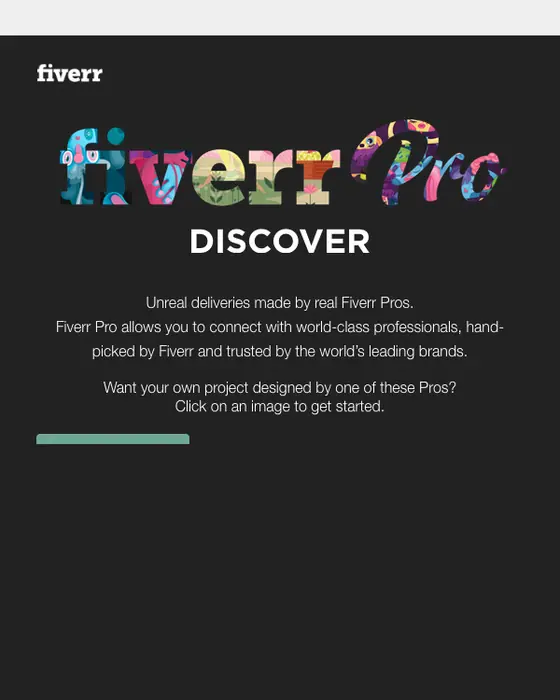
Fiverr
Check out these stunning works made by Fiverr Pros! 🎨
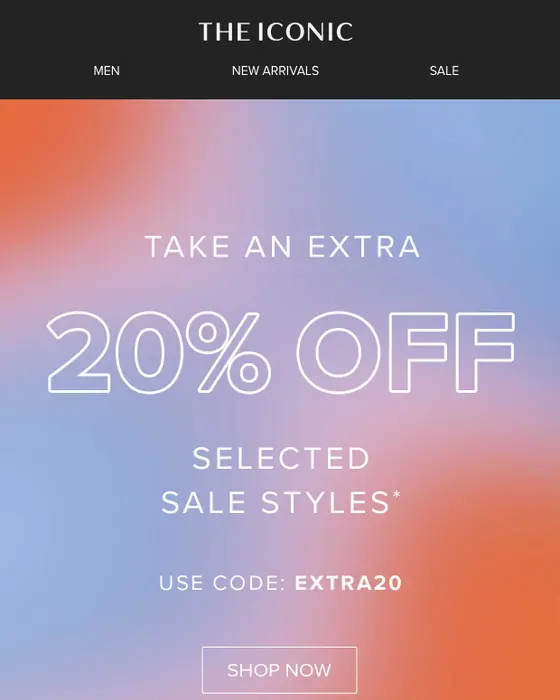
THE ICONIC
Taking even more off... Have an extra 20%
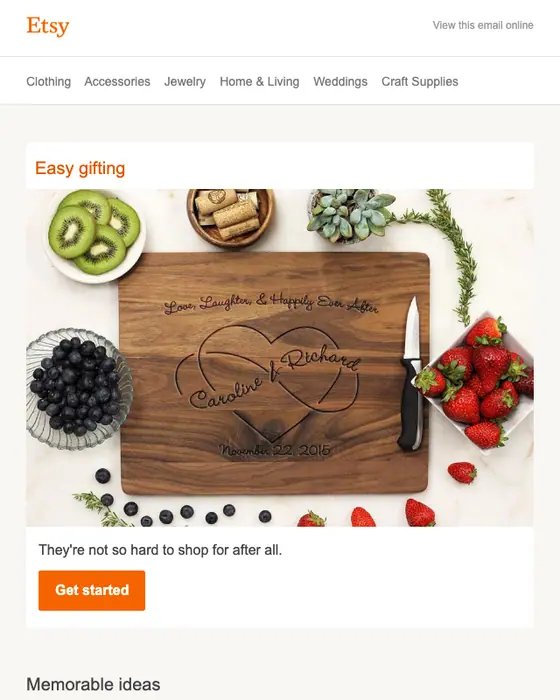
Etsy
Easy gifting
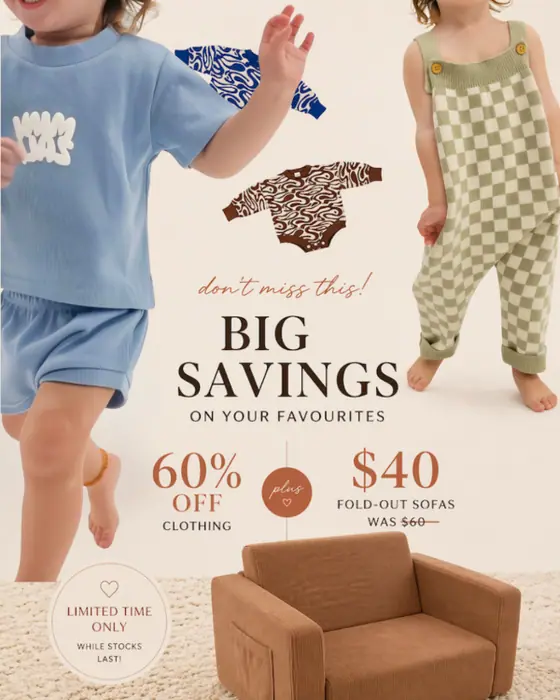
Mini Zali
60% OFF Clothing + $40 sofas 😳
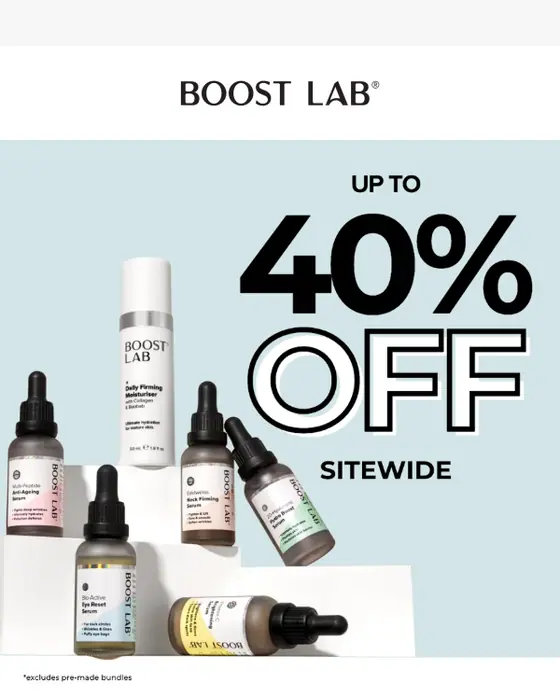
BOOST LAB
Up to 40% off + free gifts inside
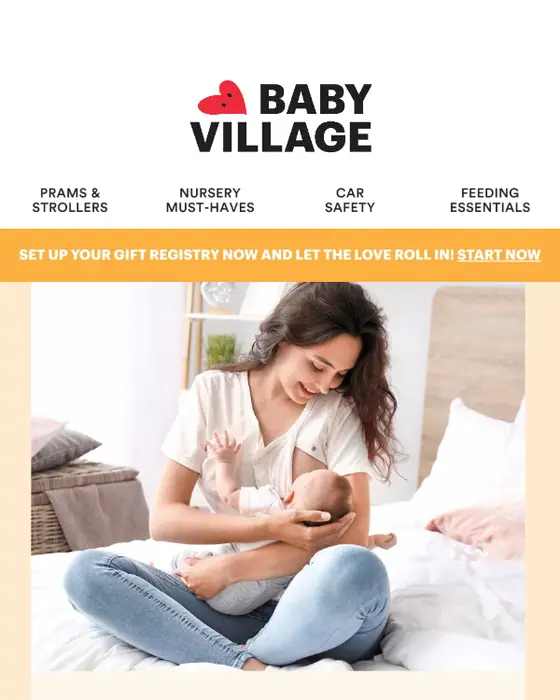
Baby Village
Celebrating World Breastfeeding Week 🤱
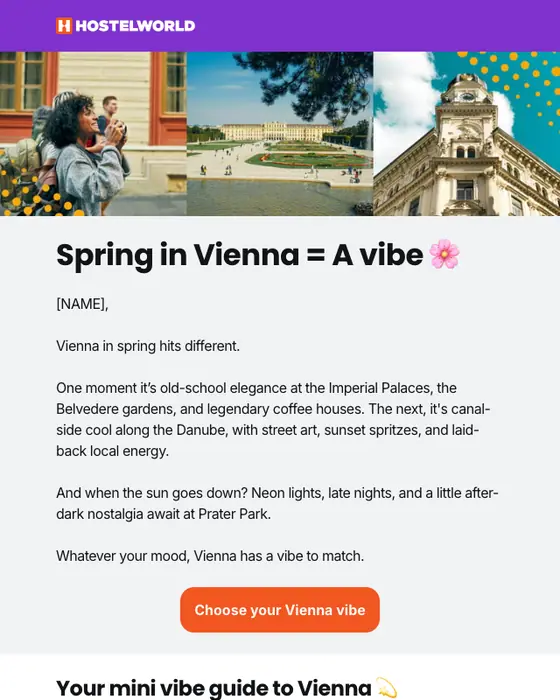
Hostelworld
Choose your Vienna aesthetic ✨
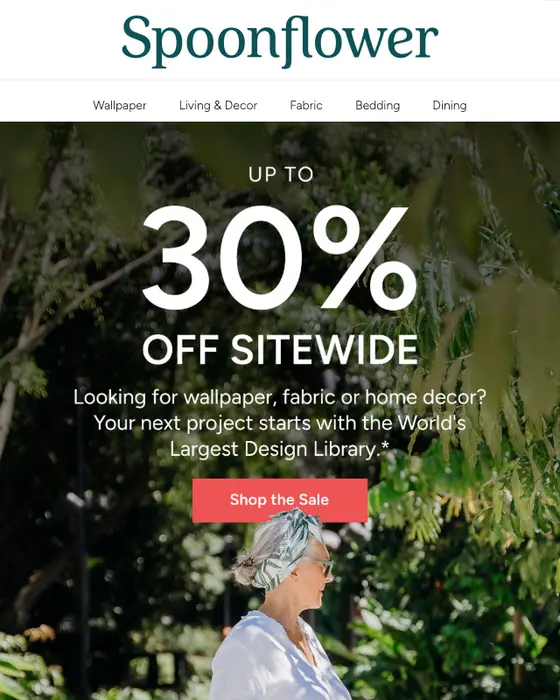
Spoonflower
Get up to 30% off everything
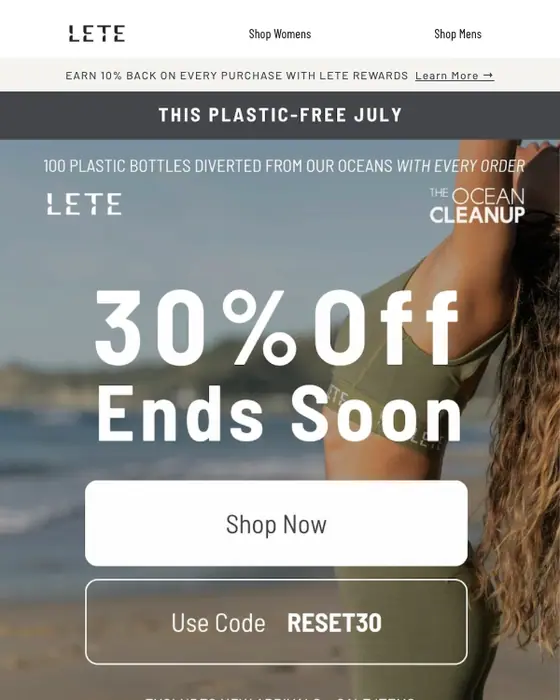
LETE ACTIVE
Don't Miss 30% Off 🌿 🌊
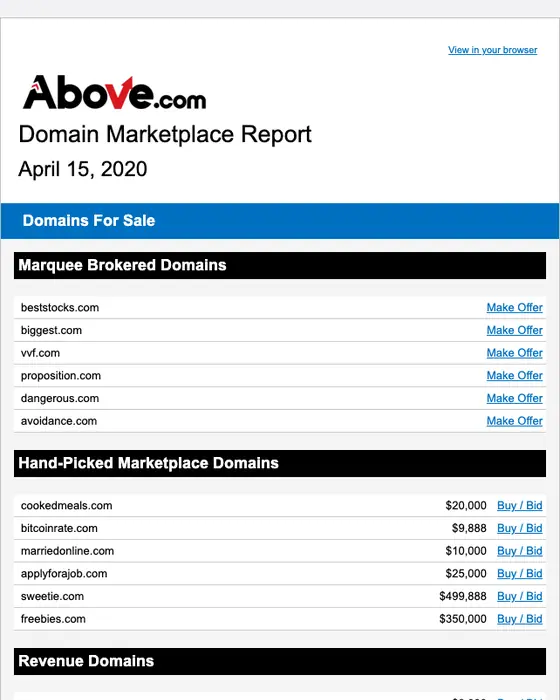
Above.com
Above Marketplace Report
The columns sit inside a single column email
None of the 10 emails here is built in columns from top to bottom. Every one opens full width, with a logo, a hero image or a headline, and switches to columns only for one or more modules further down, between two and four blocks across. That is the useful thing to copy: a single column frame that a reader scrolls, with a grid where there are several things of equal weight to choose from.
THE ICONIC runs two four-across product grids, each under its own extra 20% off banner. Fiverr opens with one centered column of copy, then a grid of portfolio tiles, each labeled with the Pro service behind it. Spoonflower alternates a photo and an offer side by side for wallpaper, fabric and home decor. Hostelworld sets each of its three Vienna styles as a photo beside its text, then puts two tip cards side by side.
Nitrosend's own rules for AI-drafted email set the same default, a single column no wider than 600 pixels, so a multi column block is a choice made inside that frame.
Multi column vs single column email, same two inboxes
Multi column and single column email, same two inboxes
| What we measured | Multi column (30) | Multi column without Pinterest (18) | Single column (8,259) |
|---|---|---|---|
| Promotional emails | 43% | 56% | 23% |
| Has a product grid | 67% | 78% | 5% |
| Opens with a hero image | 17% | 28% | 17% |
| Exactly one call to action | 23% | 22% | 27% |
| Greets by first name | 37% | 22% | 37% |
Pinterest sent 12 of the 30 multi column emails, so the middle column sets those aside. Either way, multi column is a selling layout: 67% carry a product grid, 78% without Pinterest, against 5% of single column emails. Without Pinterest, 56% are promotional, against 23% of single column email. All 7 of the re-engagement emails in the set are Pinterest's pin recommendations, and so are 7 of the 11 that greet the reader by first name, which is why first-name greetings drop to 22% once Pinterest is set aside.
The single column set is on our single column email examples page, and emails with exactly two columns are on two column email examples.
Next to this one
The same library, cut by layout: single column, two column, modular grid and plain text. By type, the largest share is promotional emails (13 of the 30); ecommerce emails are 4 of the 30, level with marketplace.
Questions people ask
A multi column email layout puts two or more blocks of content side by side in the body, such as a row of products or a photo beside its offer. It is rare: of 12,711 emails collected from two real inboxes, 30 are multi column, about 0.2%, while 8,259 use a single column.
When an email has several things of equal weight to show, most often products. Of the 30 multi column emails we collected, 67% carry a product grid, against 5% of single column emails. Leaving out Pinterest's 12 emails, 56% of the rest are promotional.
Neither wins everywhere, and most email picks single column: 65% of the 12,711 emails we collected use one. The multi column ones still keep a single column frame. All 10 shown here open full width and switch to columns only for a product grid, a price list or a row of cards further down.
Two ordinary inboxes that signed up to products and newsletters the way any customer would. Nothing is a mockup, and nothing is taken from another email gallery. This page shows 10 of the 30 multi column emails collected, one from each of 10 brands. The percentages on the page describe all 30.