
![Simple Ceremonies review request email: [NAME], Quick question about](/email-examples/img/18dcfd5a849cc3c5-t.webp)
What an advocacy email is
An advocacy email, or email advocacy, asks people who already back a brand or a cause to act on its behalf: give, vote, leave a review, refer a friend, share a win or turn up. The letters people send their own lawmakers go by the same name, and none of those are here.
We collected 137 advocacy emails from 95 brands out of two ordinary inboxes, sent between 2017 and 2026. Nothing here is a mockup. Nonprofits sent 36 of them, government and political senders 24 and schools and universities 15. 48 have been published as images so far, and this page shows 25 from 24 brands. We left off 23: 13 that show personal details or fail to render, 3 repeats of a template the same brand already has here, and 7 that ask nothing of the reader. 20 of the 25 were sent in 2023 or later.
Browse all 25 advocacy emails
Tap a type to narrow the grid: 7 thank-yous, 4 supporter updates, 5 asking for a review, a vote or a story, and 4 campaigns and appeals. Open any email to see it full length, with its subject line, notes on what it is doing, and a prompt that rebuilds it.
Simple Ceremonies
[NAME], Quick question about
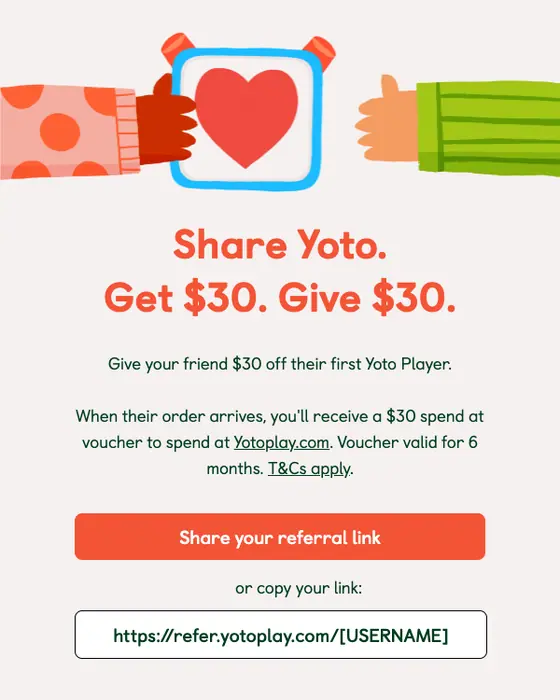
Yoto
You’re in! Start earning Yoto rewards today
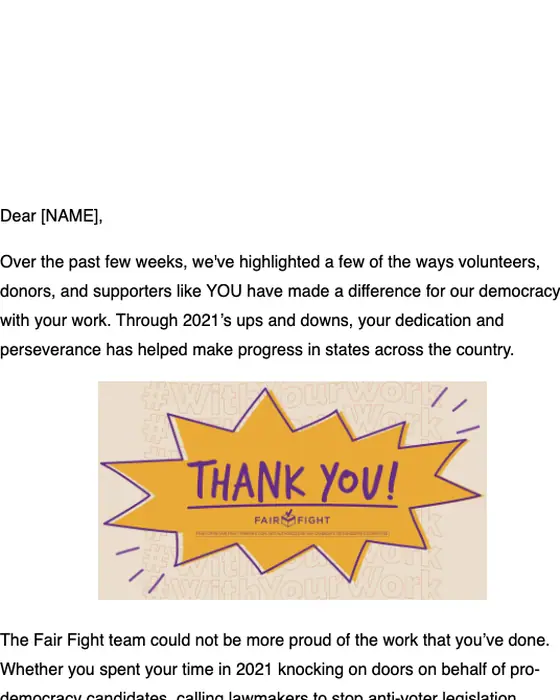
Fair Fight
THANK YOU for your voting rights advocacy in 2021!
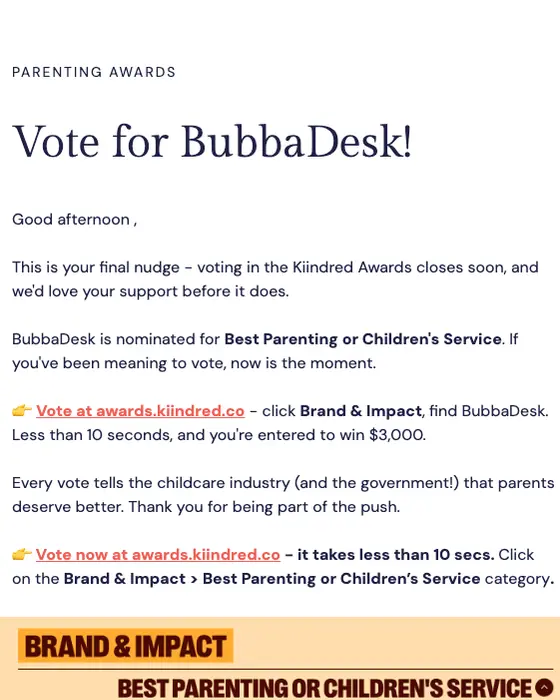
BubbaDesk
BubbaDesk has been nominated 🏆 Cast your vote (and win $3k)
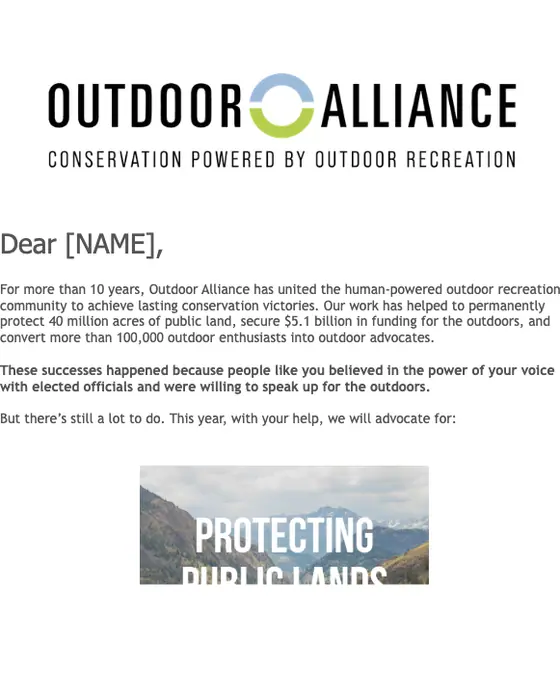
Outdoor Alliance
Four ways to make a difference for the outdoors today
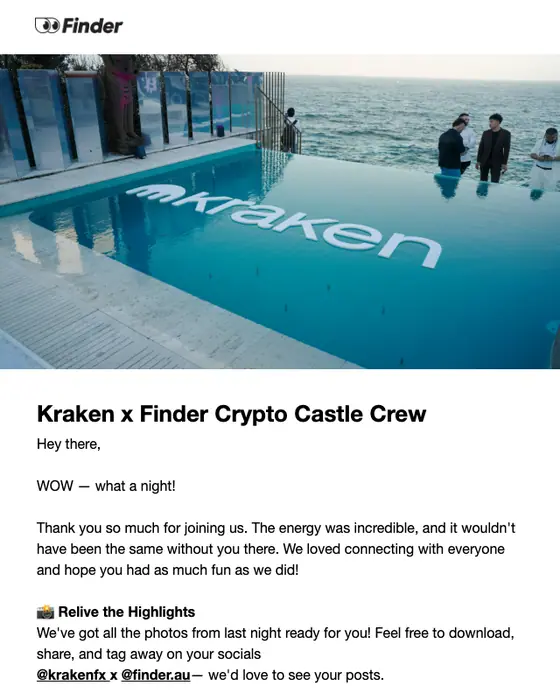
Kraken x Finder
Last Night Was Amazing! 🎉 Your Photos Inside 🚀
inbound.org
Call to action: An inbounder needs your help with a budget!
Career Benders
Thank you for voting in the Momentum Awards!!
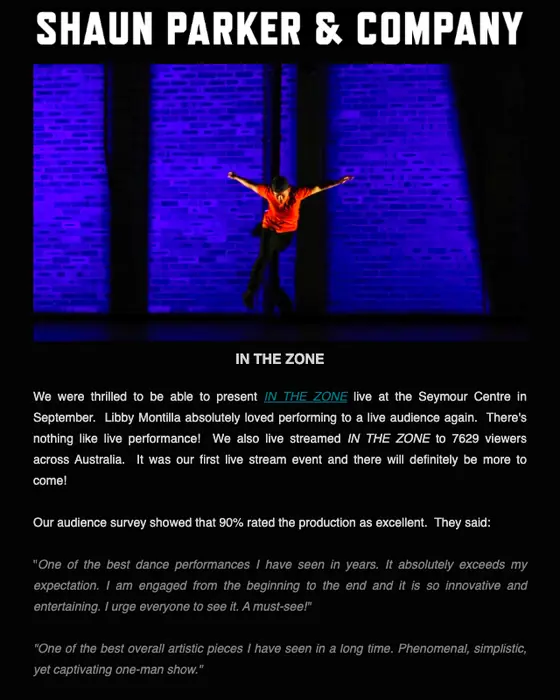
Shaun Parker & Company
Want to know what our audiences said about IN THE ZONE?
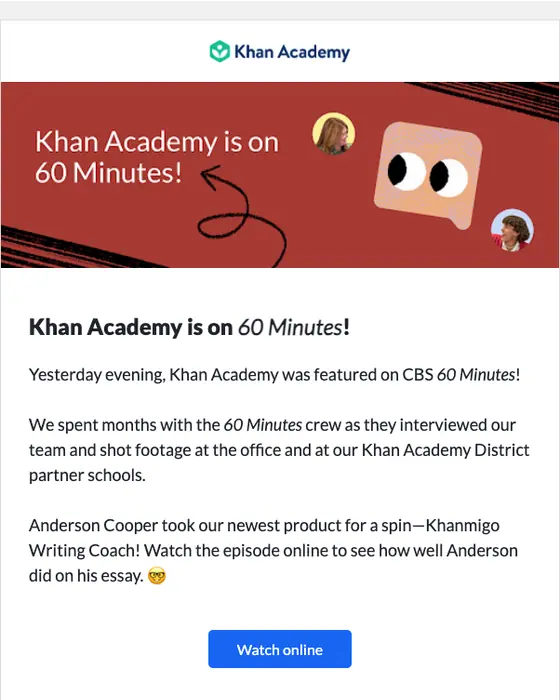
Khan Academy
60 Minutes Featured Khan Academy yesterday 🥺
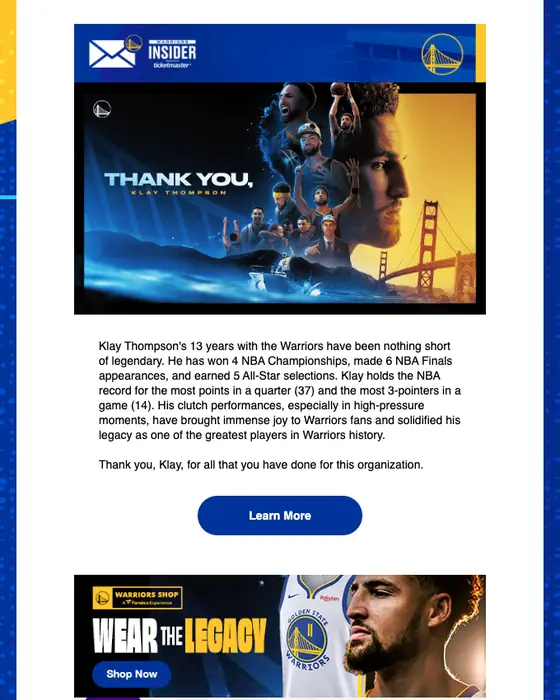
Golden State Warriors
Thank You For Everything, Klay Thompson 💙
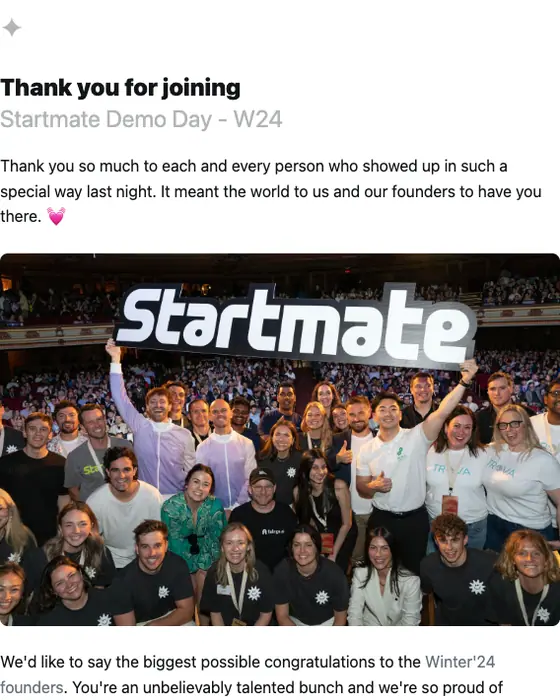
Startmate
Thanks for coming to Demo Day ✨
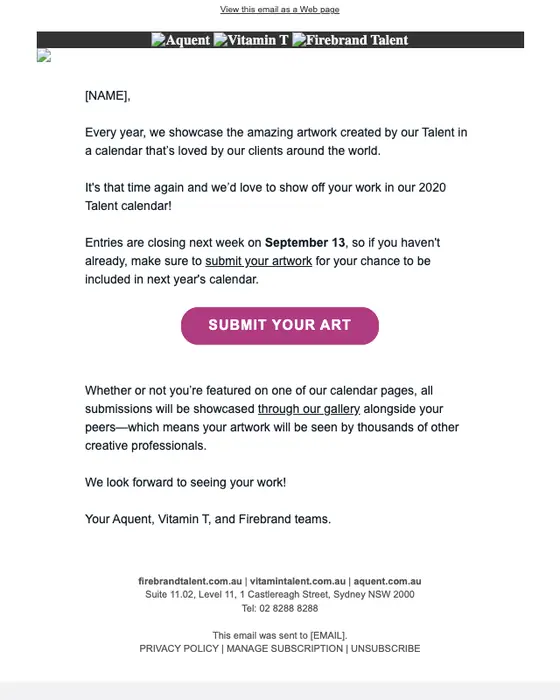
Aquent
One week left to show off your creative work in our Talent Calendar! 🎨
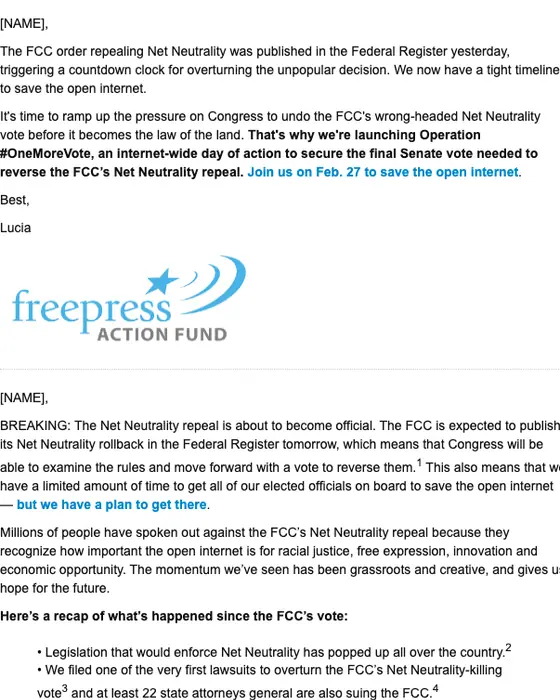
FreePress.net
Net Neutrality update
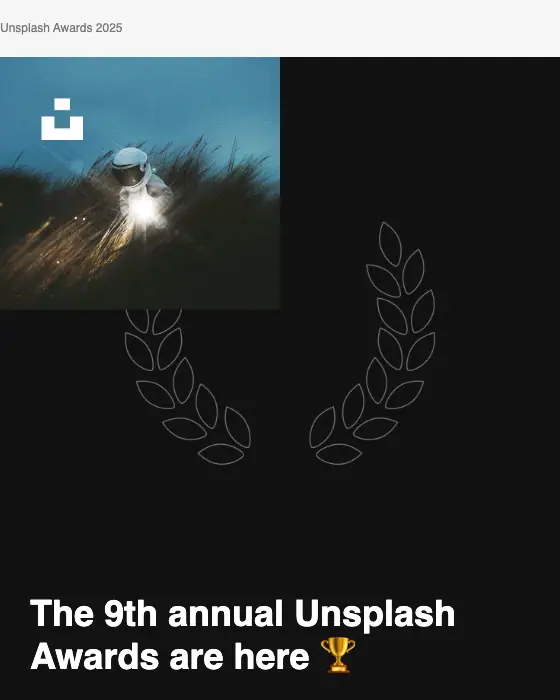
Unsplash
Unsplash Awards 2025 🏆

Glenaeon Foundation
One Week Left to Make a Difference – Support our Annual Giving Campaign 2026
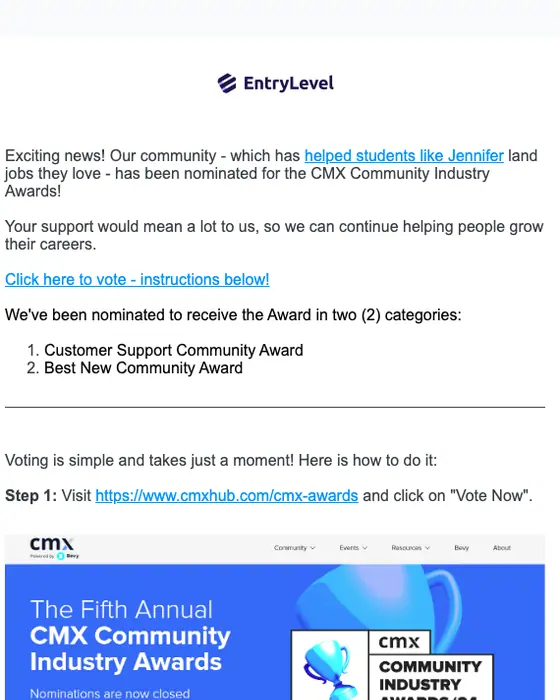
EntryLevel
Vote for EntryLevel!
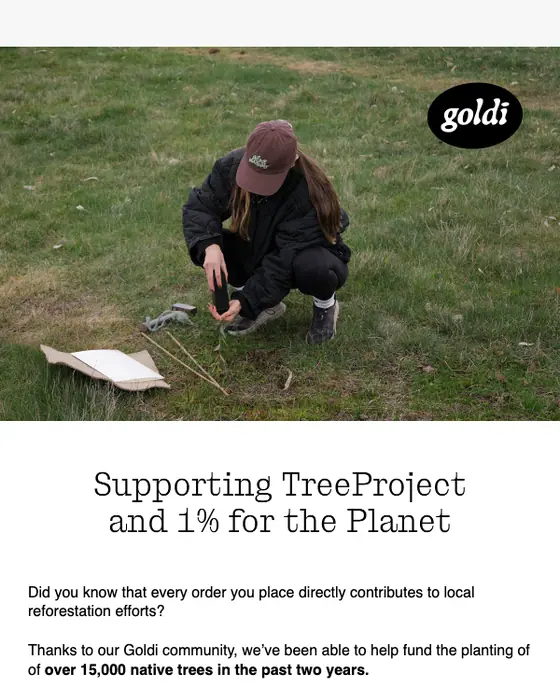
Goldi
15,000 trees planted and counting, all thanks to you
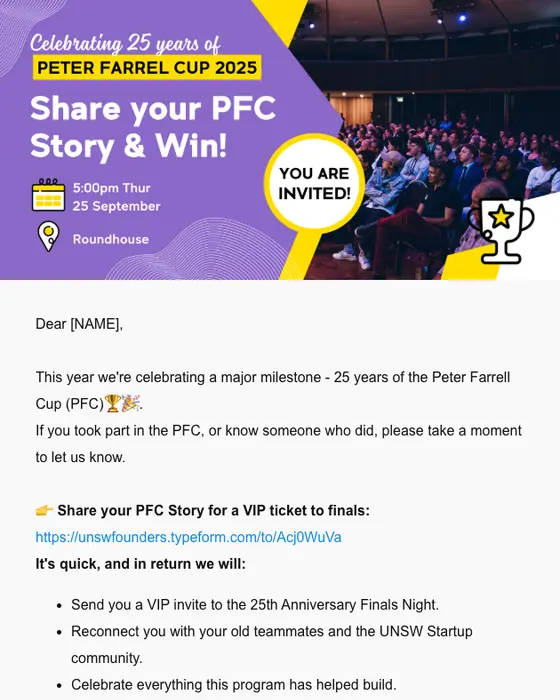
UNSW Founders
Share Your Peter Farrell Cup Story and Win
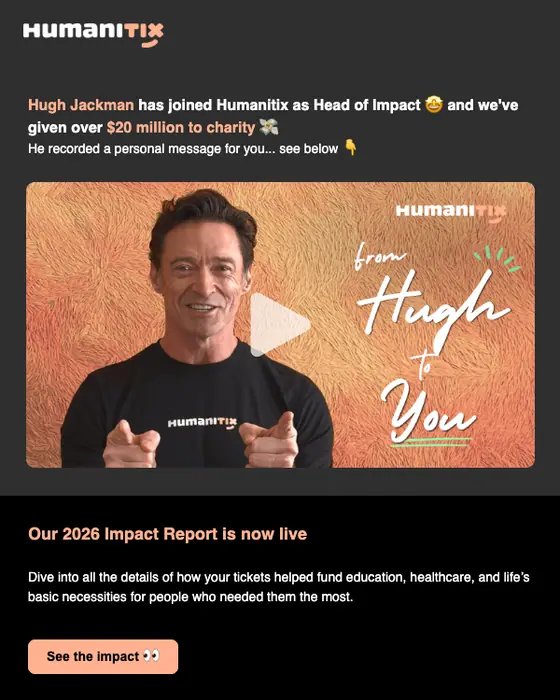
Humanitix
Hugh Jackman. $20 million. It’s real.
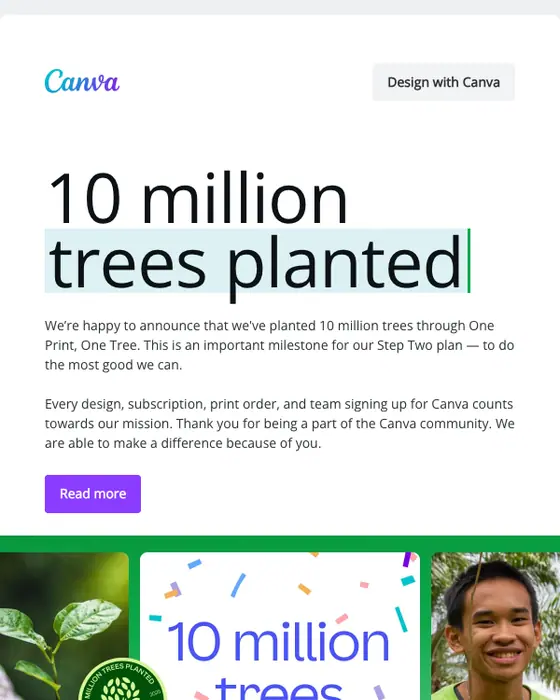
Canva
We’ve planted 10 million trees! 🥳

Sydney Film Festival
🏆 Your Audience Award winners 🏆
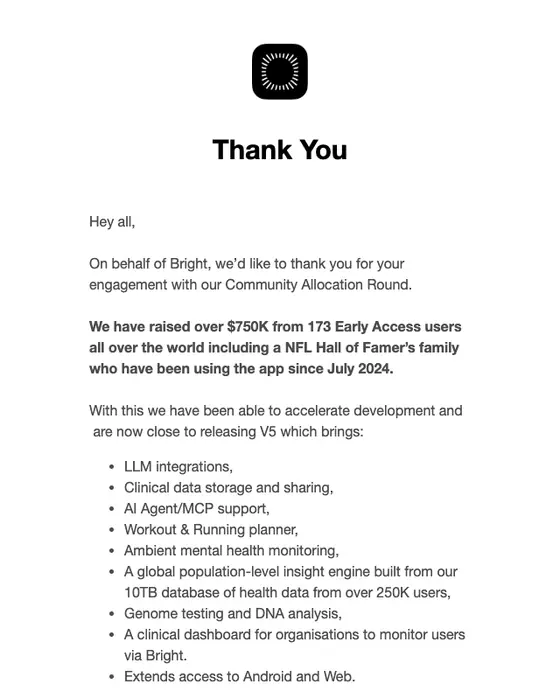
Bright OS
$750K raised from our Community Round Allocation.
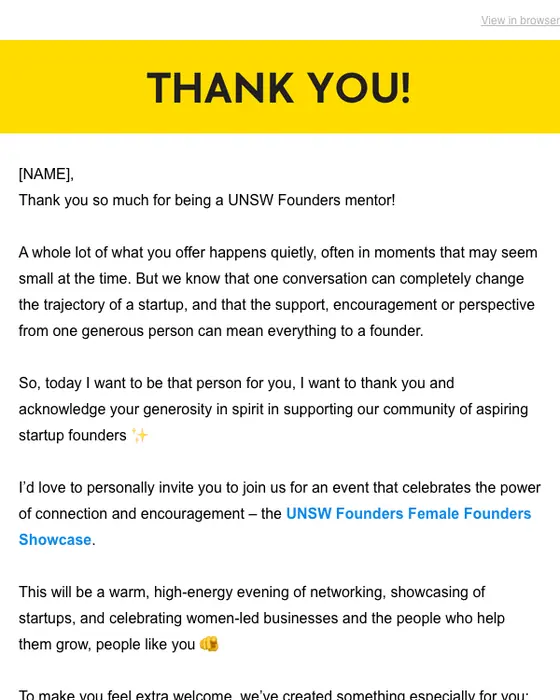
UNSW Founders
A special invitation for our mentor community.
How advocacy emails differ from other email
Advocacy emails and all email, same two inboxes
137 advocacy emails, 12,711 emails| What we measured | Advocacy | All email |
|---|---|---|
| Warm in tone | 35% | 15% |
| Text heavy | 75% | 60% |
| Plain-text layout | 41% | 32% |
| Calls to action as text links only, no button | 69% | 55% |
| Greets the reader by first name | 45% | 40% |
| Personalized subject line | 12% | 7% |
| Subject line leads with a discount | 3% | 11% |
| Has a hero image | 10% | 12% |
| Short or very short | 44% | 53% |
| Asks for one thing only | 28% | 30% |
| Median calls to action | 2 | 2 |
Advocacy email reads like a letter. It is more than twice as likely to be warm in tone as email in general, 35% against 15%, more of it is plain text (41% against 32%), and 69% carry their calls to action as text links with no button, against 55% of all email. It almost never sells on price: 3% lead with a discount in the subject line, against 11%.
What it does not do is ask for less. 28% of advocacy emails ask for one thing only, about the same as email overall (30%), and the median carries 2 calls to action. Outdoor Alliance's "Four ways to make a difference for the outdoors today" is typical: a letter to supporters, a button to its action center, a link to message your lawmaker, and a P.S. naming one bill to back.
What the set looks like
By type of email
all 137 advocacy emails collected| Type | Emails | Share of the set | Warm in tone | Ask for one thing |
|---|---|---|---|---|
| Newsletter or supporter update | 43 | 31% | 14% | 12% |
| Campaign or appeal | 25 | 18% | 24% | 24% |
| Thank you | 20 | 15% | 75% | 25% |
| Event invite | 19 | 14% | 32% | 53% |
| Survey, review or vote request | 15 | 11% | 47% | 40% |
| Referral | 7 | 5% | 86% | 43% |
| Other (account notice, seasonal, re-engagement, launch) | 8 | 6% | 25% | 50% |
Updates and appeals make up about half the set, and supporter updates are the least focused: only 12% ask for one thing only. Surveys and referrals are the shortest types, with 87% and 86% short or very short. Yoto's "You're in! Start earning Yoto rewards today" gives a friend $30 off and the sender a $30 voucher, with one button to share a referral link. BubbaDesk's "Cast your vote (and win $3k)" says the vote takes less than 10 seconds and enters the voter in a $3,000 draw.
Simple Ceremonies' review request ("Quick question about") offers two buttons, a Google review or a video testimonial, and a third route for anyone unhappy: contact us directly. 22 of the 24 government emails we collected come from US politicians, campaigns and parties. None of those is published here yet; government email examples holds what is.
Next to this one
The same library, cut a different way: thank-you emails, referral emails and survey and review requests from every stage, every nonprofit email in the library, and the stages before this one: retention and fulfillment.
Questions about advocacy emails
Here it means an email that asks people who already back a brand or cause to act for it: give, vote, review, refer a friend or turn up. Of the 137 we collected, 31% are supporter updates and 15% are thank-yous. A letter a constituent sends a lawmaker shares the name, and none of those are here.
Mostly one or two things. The median email we collected carries 2 calls to action and 28% ask for one thing only. Event invites are the most focused, 53% with a single ask. Simple Ceremonies asks for a Google review or a video testimonial, and BubbaDesk asks for a vote in an awards category.
The 20 thank-yous we collected are among the warmest emails in the set: 75% are warm in tone, against 15% of all email. Fair Fight's end-of-year thank-you lists what its supporters achieved, one line per win, with share links after each, so the thanks doubles as something to pass on.
Outdoor Alliance's "Four ways to make a difference for the outdoors today" is a good one. It opens with the group's record, shows four priorities, and gives two routes to act: a button to its action center and a link to message your lawmaker. A P.S. then names one bill to back, so the reader leaves with a single next step.
48 of the 137 have been published as images in this library so far, and we took 23 of those off this page: 13 showing personal details or failing to render, 3 repeats of a template the same brand already has here, and 7 that ask nothing of the reader, such as a venture firm's portfolio news. The percentages on this page still describe all 137.
Send one like it
Simple pricing. Unlimited contacts.
Every plan includes full stack emailing: Flows, Newsletter Campaigns and Transactional Email, plus our NitroWheel LLM and all agent integrations (Claude, ChatGPT, Codex, Cursor and others). Pay for what you send, not who you store.
- Emails 8,000then 500/mo
- Email types Transactional & Marketing
- AI actions 20/mo
- Contacts Free & Unlimited
- Brands 3 · Custom domain 1
- Seats 1
- Recipients / rolling 24h 100–5,000
- Email validation Prepaid only
- Emails 20,000/month
- NitroWheel LLM Included
- Brands 5 · Domains 3
- AI actions 1,000/mo
- Contacts Free & Unlimited
- BYO sending and AI keys Yes
- Seats 3
- Recipients / rolling 24h 1,000–100,000
- Email validation Prepaid only
- Emails 125,000/month
- AI actions 5,000/mo
- Brands 10 · Domains 10
- Seats 10
- Frontier AI Included
- Dedicated IP Available
- Recipients / rolling 24h 1,000–625,000
- Email validation Prepaid only
- AI actions Unlimited
- Unlimited brands & domains Included
- SSO / SAML Included
- 99.9% SLA Included
- Recipients / rolling 24h Contracted
- Email validation Prepaid only
Daily allowances depend on your plan and sender standing. Strong list, domain and delivery evidence can raise standing, including on day one. Trusted receives the full plan allowance; available email credits, safety checks and delivery pacing still apply.
Free forever. No credit card required. See full comparison →