
What a winback email is
A winback email (also written win-back or win back) is one a business sends to a customer or subscriber who has stopped buying, canceled or gone quiet, to bring them back: a we-miss-you note, a discount to return, a warning that a trial or account is about to lapse.
We collected 179 of them from 125 brands out of two ordinary inboxes, 2016 to 2026, alongside 12,532 other emails from the same inboxes. Nothing here is a mockup. This page shows the 42 worth studying, from 36 brands, and 28 of them were sent in 2023 or later. We left out broken renders, emails that showed someone's personal details, near-copies of one template and the weaker sends. It is one slice of the Nitrosend email library.
Browse all 42 winback emails
Tap a type to narrow the grid, or search a brand or subject line. Open any email to see it full length, with its subject line, notes on what it is doing, and a prompt that rebuilds it.
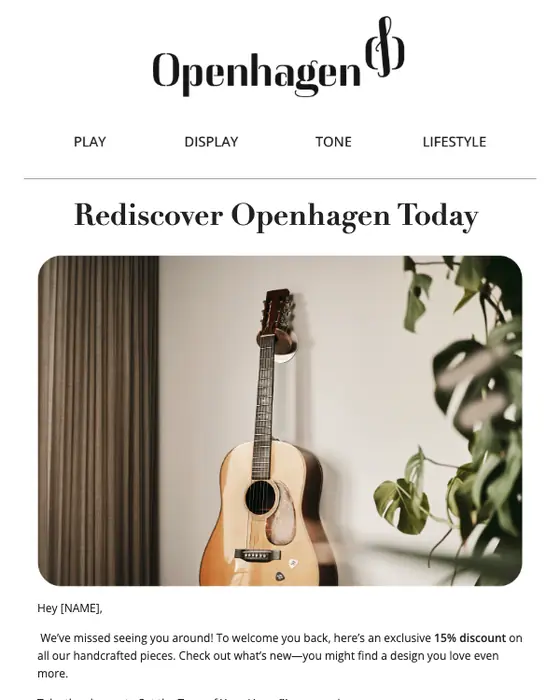
Openhagen
🎸 We Miss You! Come back for an exclusive 15% OFF!
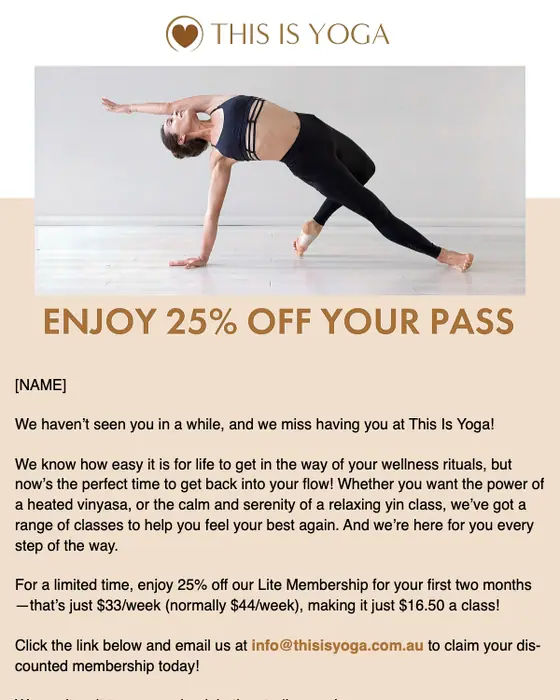
This is Yoga | Randwick
We Miss You! Come Back & Enjoy 25% Off! 💛
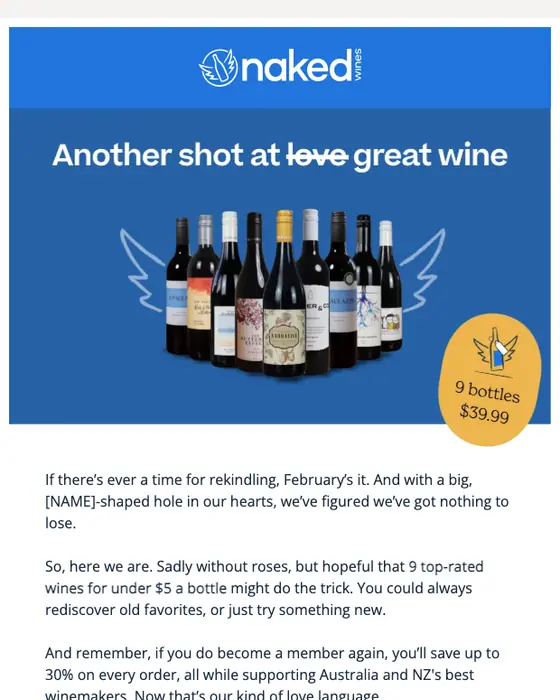
Naked Wines
Make amends with 9 wines for $39.99
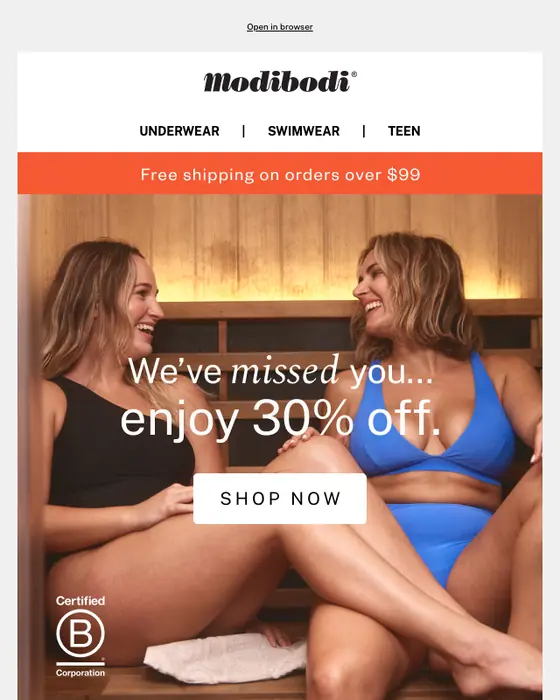
Modibodi
Where’d you go?
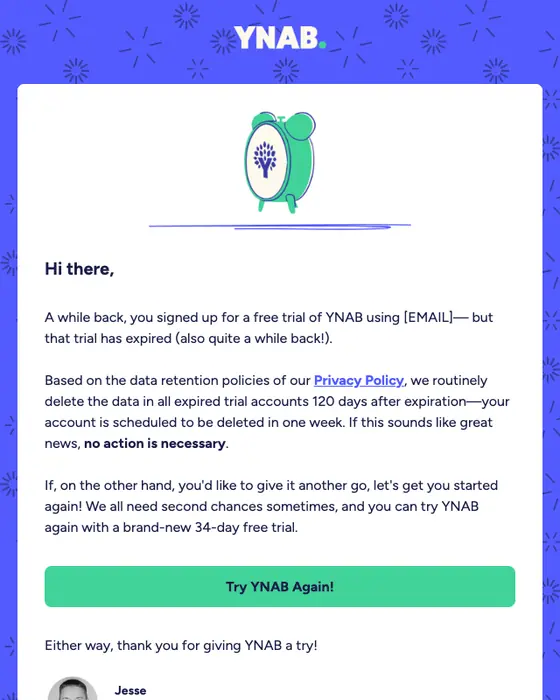
YNAB
Your YNAB Trial Account
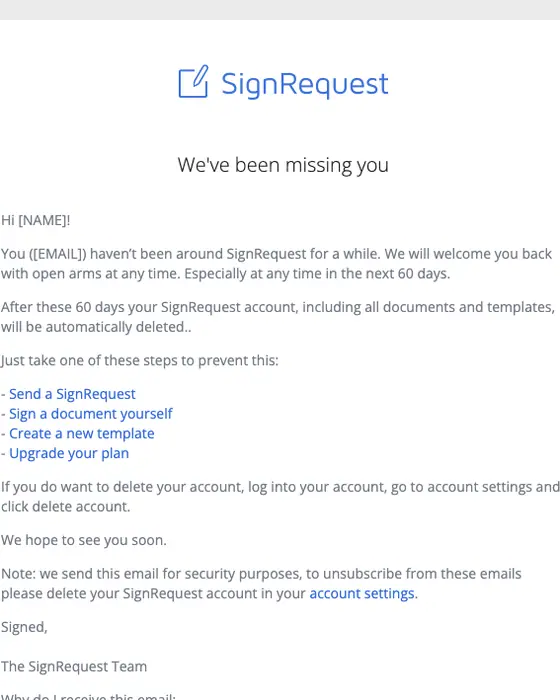
SignRequest
We've been missing you
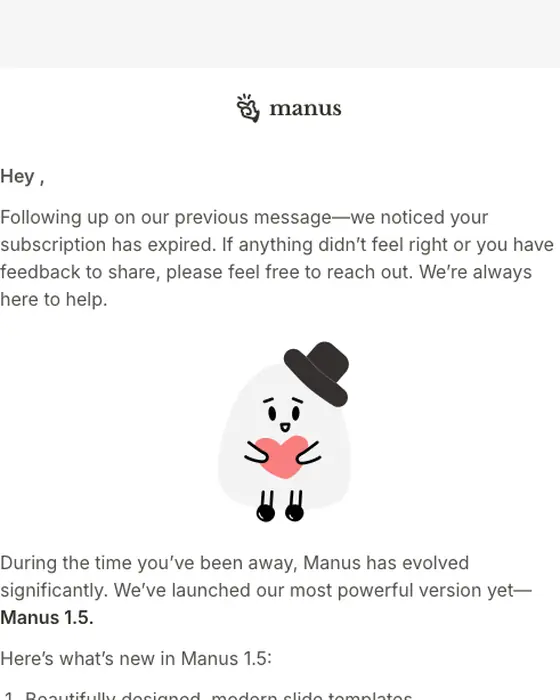
Manus
Return to Manus and Try the Upgraded 1.5 for Free (7 Days)
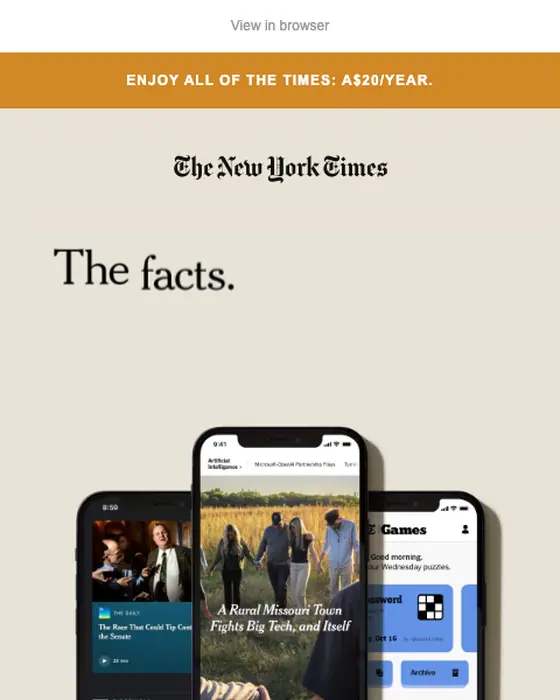
The New York Times
Save on The Times when you resubscribe.
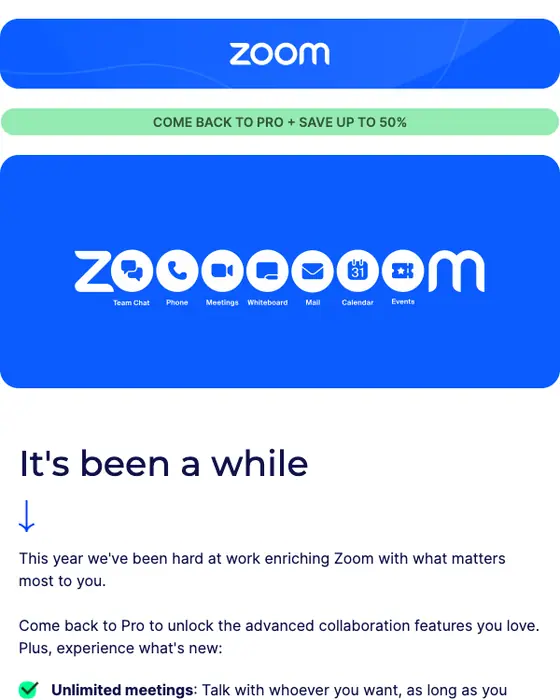
Zoom
📣 Come back to Pro + save up to 50% off
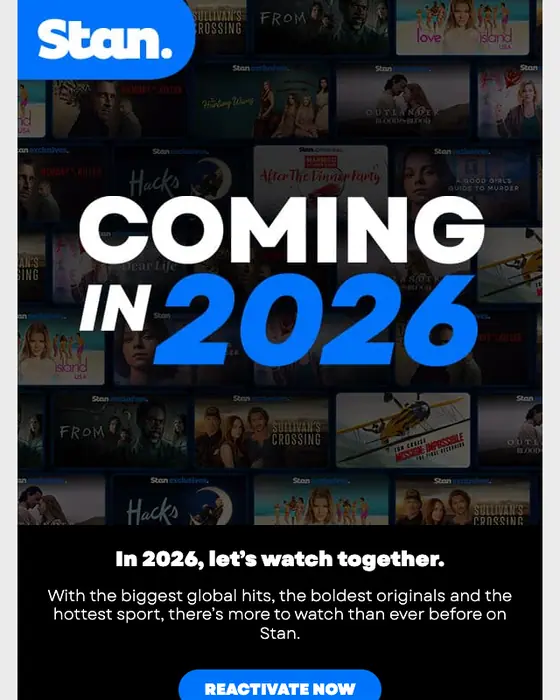
Stan.
Coming in 2026

Audible.com
Get 2 free audiobooks with your 30-day trial
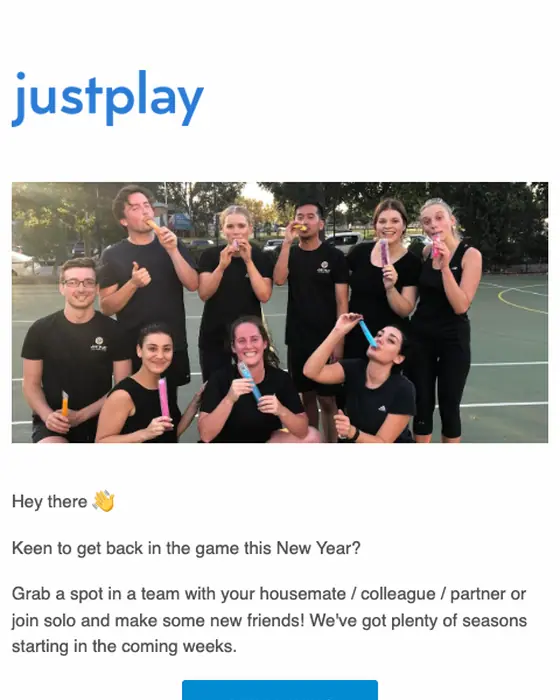
Just Play
Get back playing social sport in 2025 🏆
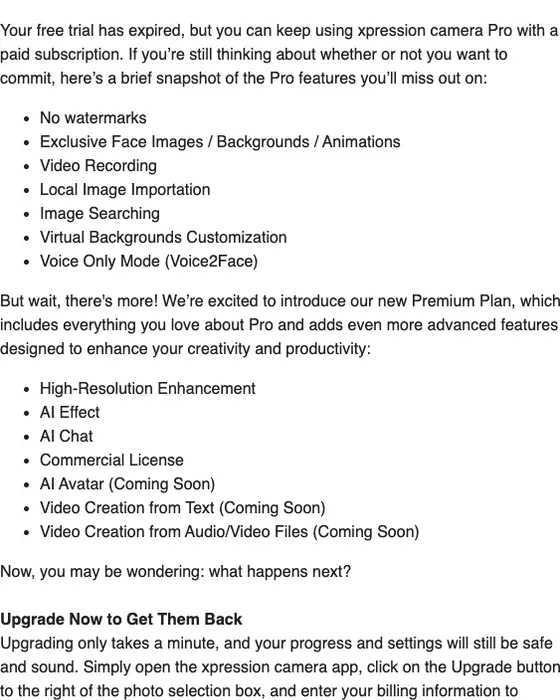
xpression camera
Your xpression camera free trial has expired/ upgrade to continue
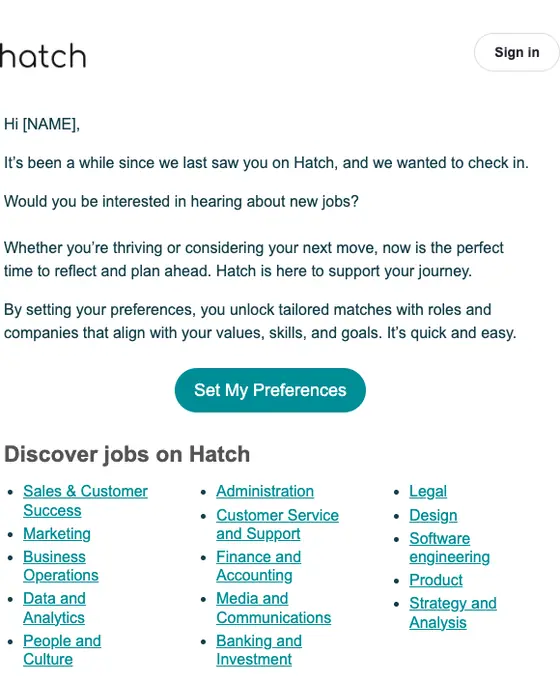
Hatch
[NAME], are you open to hearing about job opportunities?
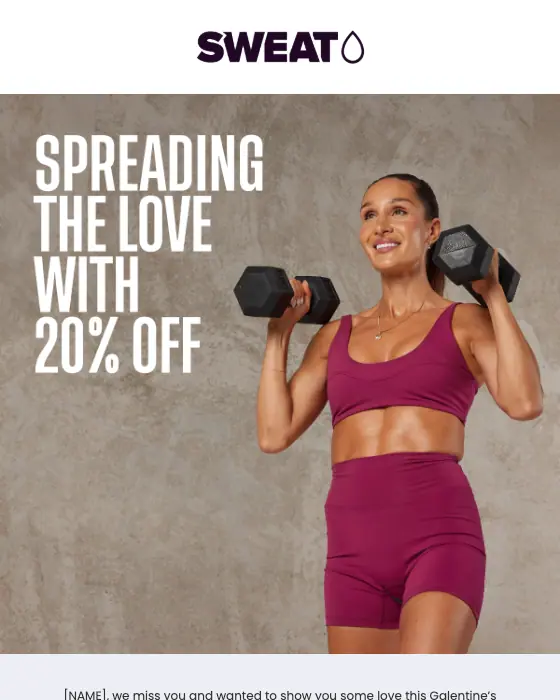
Sweat
Your Galentine’s gift: 20% off Sweat 😍🌹
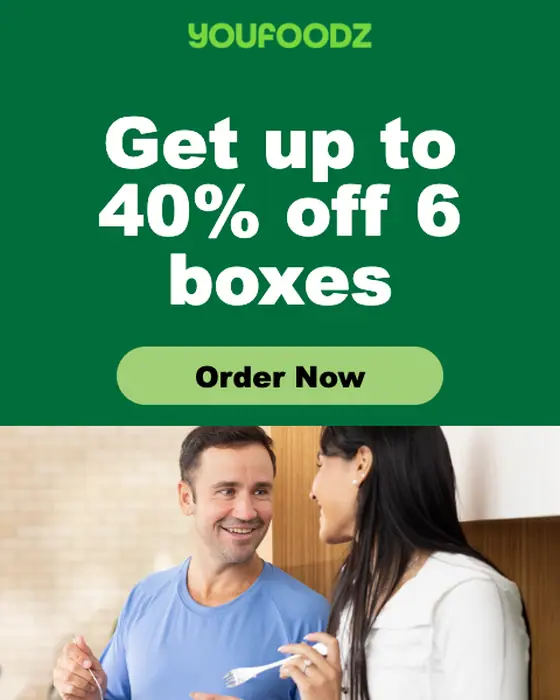
Youfoodz
🤩 You've scored up to 40% off!
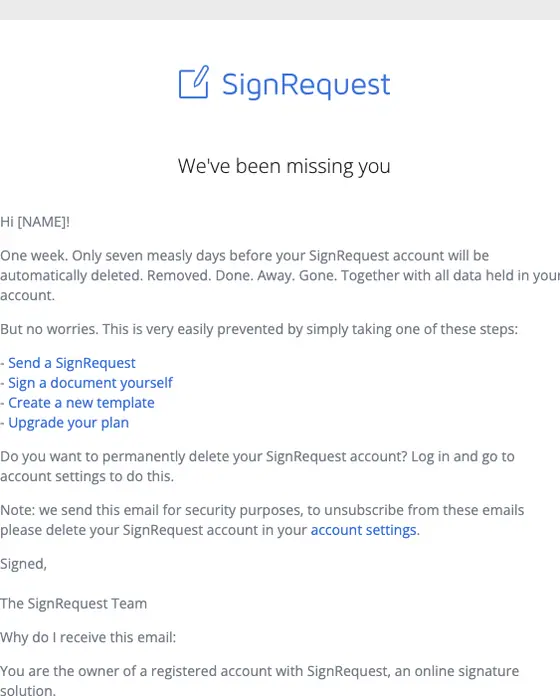
SignRequest
One week to save your account
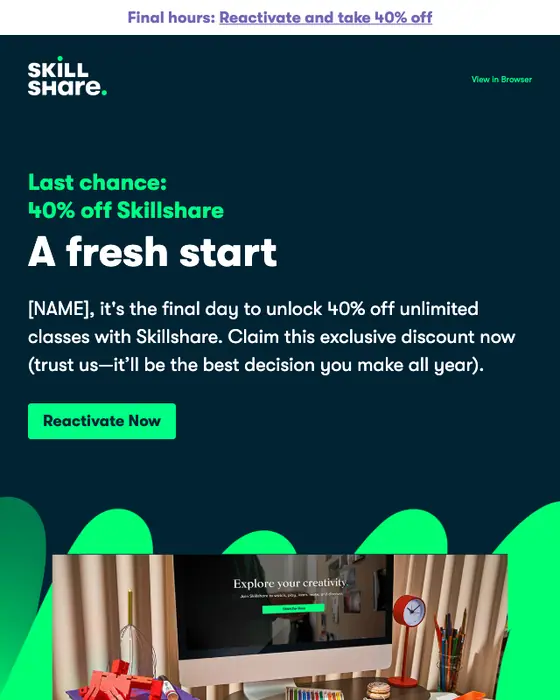
Skillshare
Final hours: take 40% off your membership
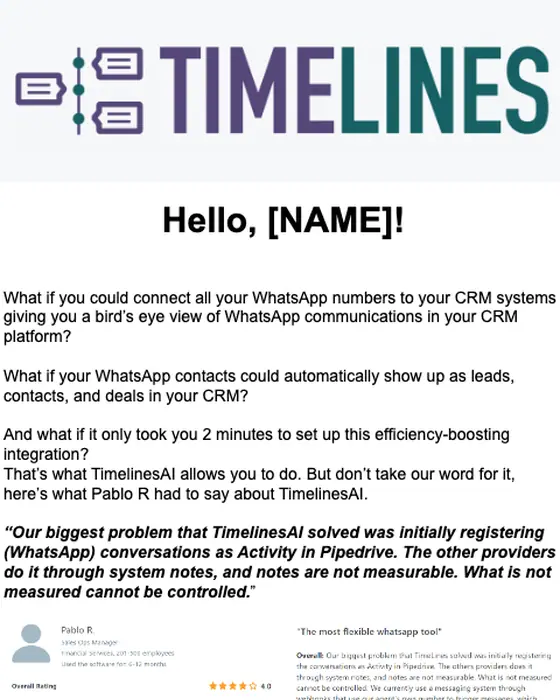
TimelinesAI
The most flexible WhatsApp tool
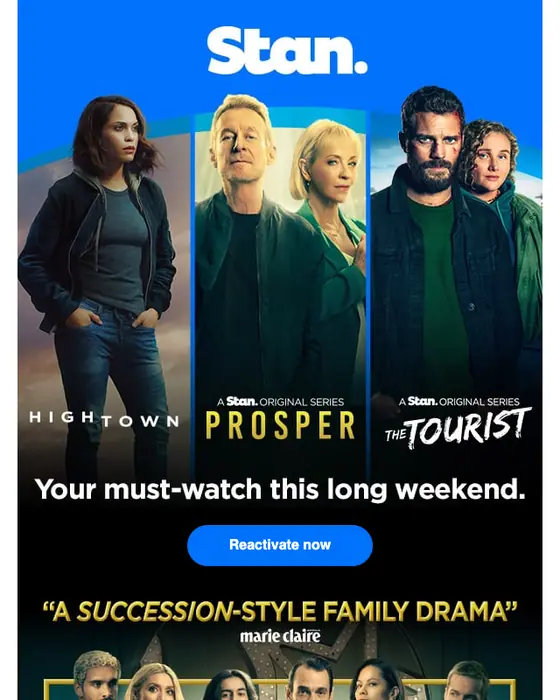
Stan.
[NAME], here's your must-watch this long weekend.
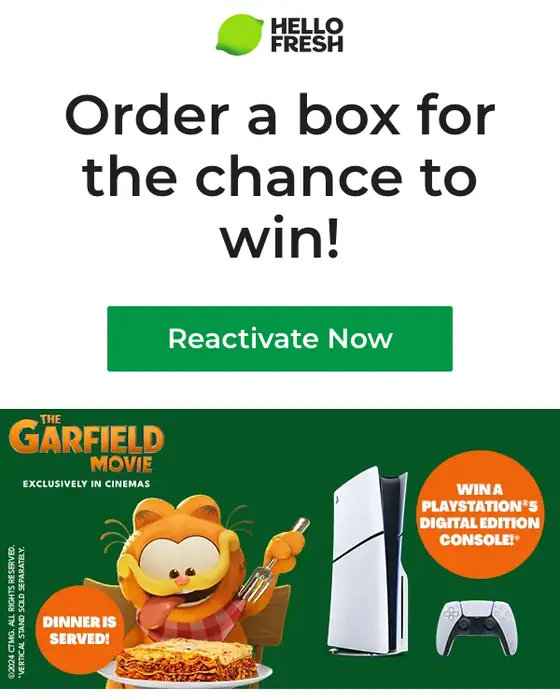
HelloFresh
Last chance to win BIG! 🙀
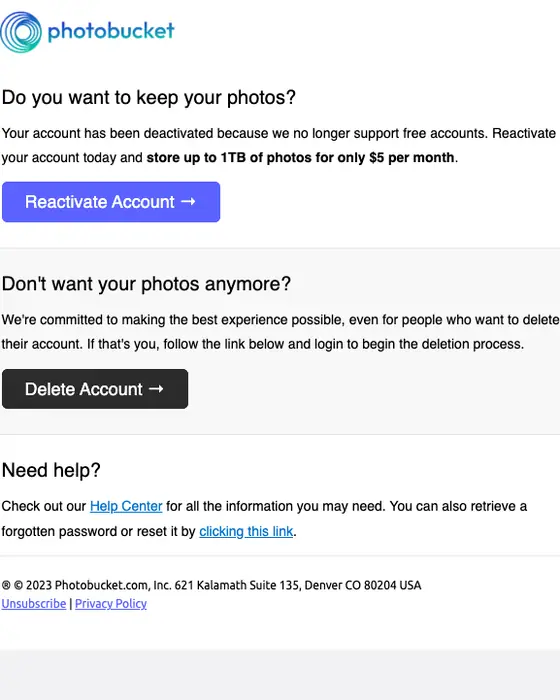
Photobucket
Warning: Your account has been deactivated. Do you want to keep your photos?
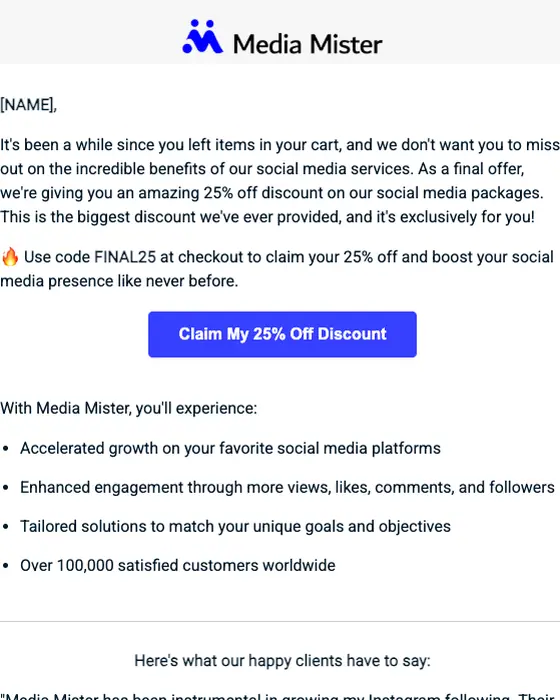
Media Mister
⏳ Last Chance: Unlock 25% Off to Skyrocket Your Social Media - Ends Soon!
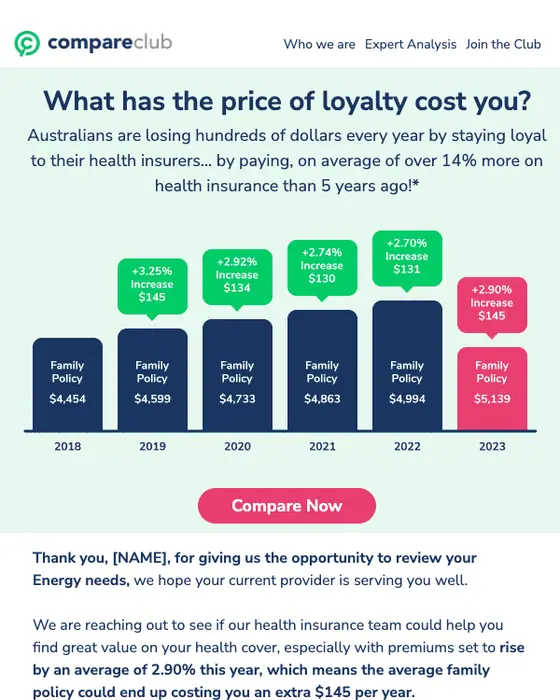
Compare Club
Is loyalty to your health fund worth the price you're paying?
How winback email differs from everything else in the same inboxes
Winback email and everything else, same two inboxes
179 winback and 12,532 other emails| What we measured | Winback | All other email |
|---|---|---|
| Urgent tone | 37% | 12% |
| Warm tone | 36% | 15% |
| Discount in the subject line | 27% | 11% |
| Discount or sale emails | 18% | 6% |
| Short | 69% | 53% |
| Exactly one call to action | 41% | 30% |
| Plain-text layout | 42% | 32% |
| Greets by first name | 50% | 40% |
| Opens with a hero image | 15% | 12% |
| Median calls to action | 2 | 2 |
Tone is the largest gap. 37% of winback emails are urgent and 36% are warm, against 12% and 15% of the other 12,532 emails from the same two inboxes. Discounts come next: 27% put one in the subject line against 11%, and 18% are discount or sale emails against 6%. They are also shorter, 69% short against 53%, and 41% carry exactly one call to action against 30%. Hero images and the median of two calls to action barely differ.
What to do with those numbers is in our guide to the re-engagement campaign and its sunset rule.
What is in the collected set
By type
179 winback emails collected, 42 shown| Type | Collected | Share of the collected set | Shown on this page |
|---|---|---|---|
| Re-engagement (the we-miss-you note) | 111 emails | 62% | 24 |
| Discount offer | 29 emails | 16% | 9 |
| Expiration notice (the last-chance warning) | 22 emails | 12% | 5 |
| Promotional | 9 emails | 5% | 4 |
| Sale | 4 emails | 2% | 0 |
| Survey | 2 emails | 1% | 0 |
| Other | 2 emails | 1% | 0 |
By industry the collected set is mostly SaaS (47%) and media and publishing (15%). In the grid, re-engagement emails, the we-miss-you note, include Modibodi, Hatch and The New York Times, discount offers include Skillshare, The Athletic and Zoom, and expiration notices, the last-chance warning, include YNAB, SignRequest and Miro. 6 of the 42 use a plain-text layout. A request for feedback is often listed as a kind of winback email, and it is rare in these inboxes: 2 of the 179 are surveys, and neither is in the grid. The percentages on this page describe everything collected.
Next to this one
The same library, cut by type: re-engagement emails, discount offers and expiration notices. And by stage: the re-engagement stage and retention emails.
Questions people ask
A winback email is one a business sends to a customer or subscriber who has stopped buying, canceled or gone quiet, to bring them back. Of the 179 collected here, 62% are re-engagement messages, 18% are discount or sale emails, and 12% warn that a trial or account is about to expire.
This page shows 42, from 36 brands. They include Modibodi's “Where’d you go?” (2024), Skillshare's “Final hours: take 40% off your membership” (2024), SignRequest's “One week to save your account” (2024) and The New York Times's “Save on The Times when you resubscribe.” (2024). Open any of them to read the whole email.
Of the 179 collected, 27% put a discount in the subject line, against 11% of every other email in the same inboxes. Another 16% are personalized and 15% lean on curiosity, such as DigitalMarketer's “Was it something I said?” (2018). Under More filters, Subject line sorts the 42 shown the same way.
The winback emails collected here are urgent or warm far more often than other email: 37% urgent and 36% warm, against 12% and 15%. They are also short (69%, against 53%), and 41% carry exactly one call to action. How to run the campaign itself is covered in our guide to running a re-engagement campaign.
Two ordinary inboxes that signed up to products and newsletters the way any customer would. Nothing is a mockup, and nothing is taken from another email gallery. Of the 179 winback emails collected, we left out broken renders, emails that showed someone's personal details, near-copies of one template and the weaker sends. The percentages on the page describe all 179.