
What a niche email is
A niche email is one written for a specific, well-defined audience, such as family historians, music producers or gallery members, rather than for everyone.
In this library, niche means the senders that fit none of our named industries, so the set includes specialist and hobby businesses: family history (Ancestry, MyHeritage), Scottish souvenir land (Highland Titles), music software and gear (Focusrite, Arturia, XLN Audio), galleries and zoos (Art Gallery of NSW, Zoos Victoria) and event photos (Sportograf). A few large senders land here because they carry no named industry: TAB for betting, and the account-code emails from TP-Link, Home Connect and Shokz. We collected 241 of these emails from 138 senders in two ordinary inboxes, sent between 2016 and 2026, and show 42 of them here. 103 of the 241 are Australian and 76 American.
Browse 42 niche emails
Filter by type, or search a sender or subject line. Open any email to see it full length, with its subject line, notes on what it is doing, and a prompt that rebuilds it.
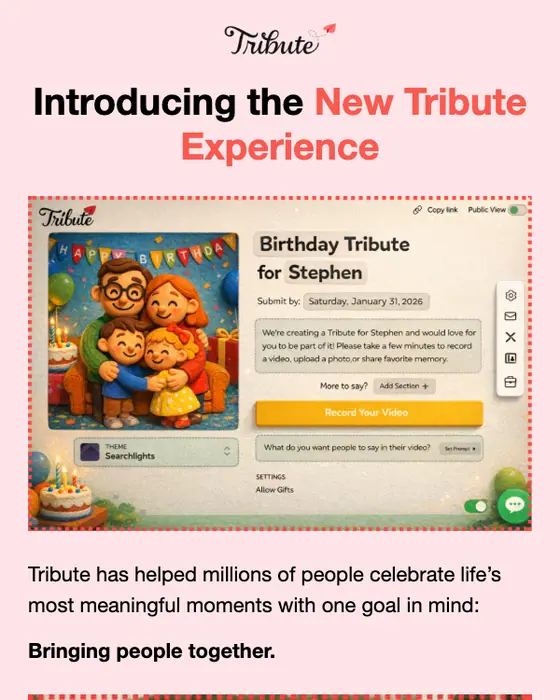
Tribute
🎉 A Fun New Way to Create a Tribute
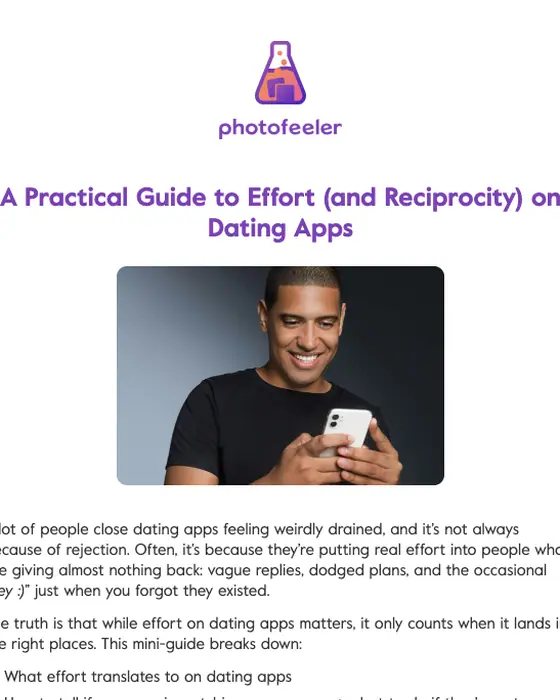
Photofeeler
Are You Wasting Effort on Dating Apps?
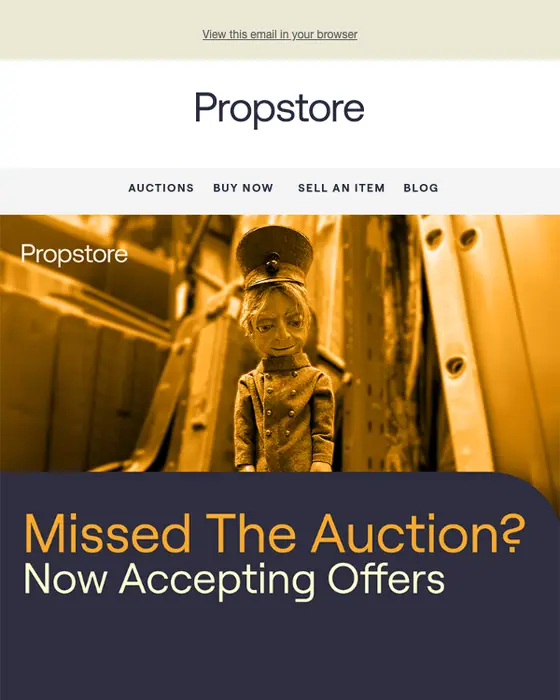
Propstore
Missed the Auction? Now Accepting Offers
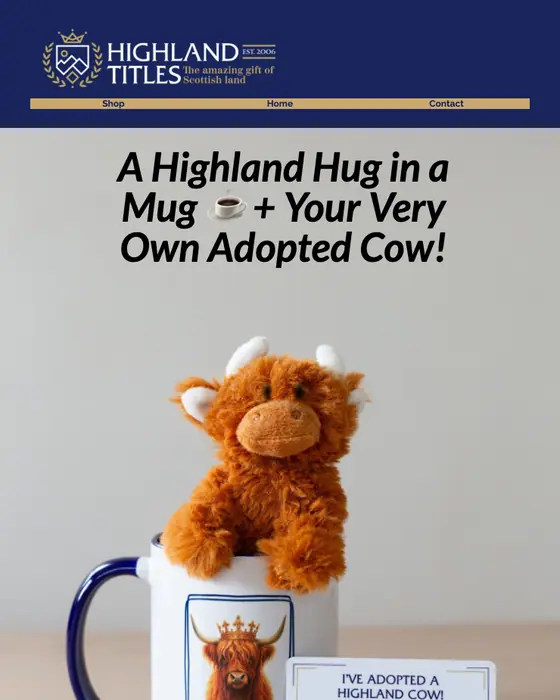
Highland Titles
New Season, New Arrival!
TAB
🏉 [NAME], Rugby League is back with a BANG!
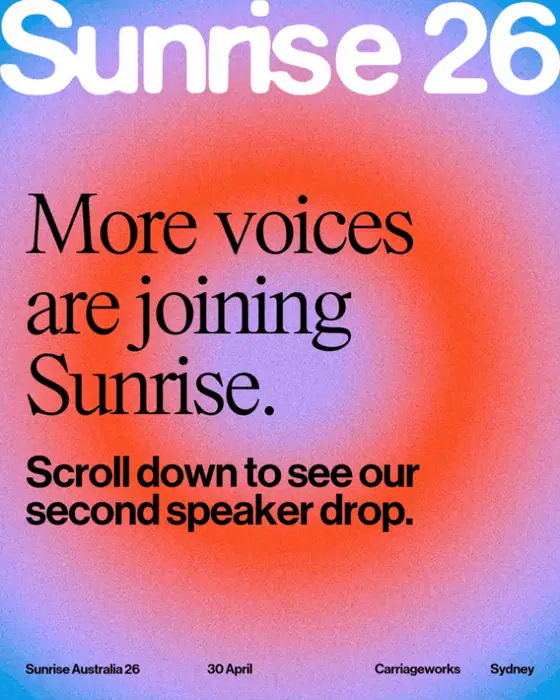
Sunrise by Blackbird
🌅 New Speakers Just Announced 📣
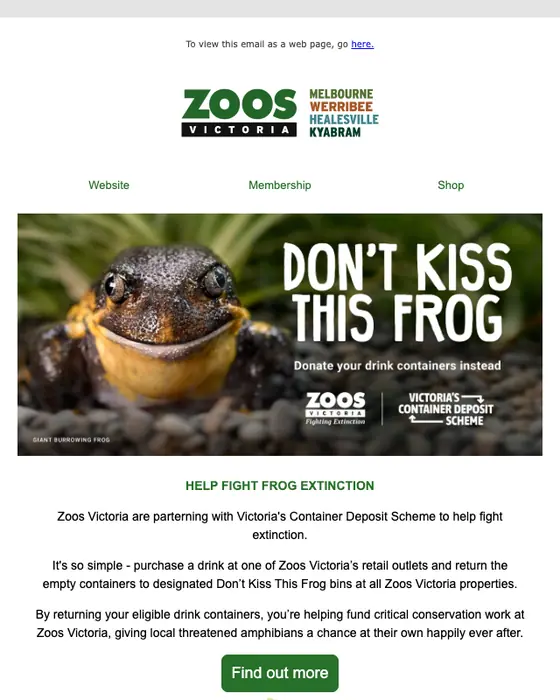
Zoos Victoria
Don't kiss this frog!
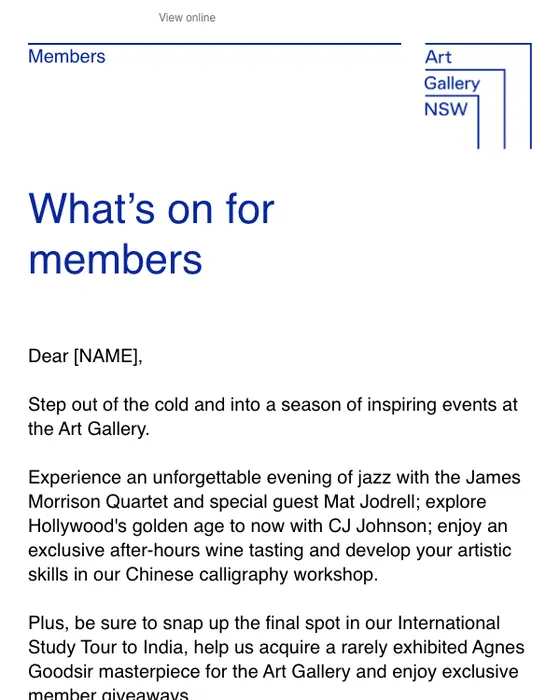
Art Gallery of NSW Members
Warm up this winter with jazz, wine tasting, drawing workshops and more
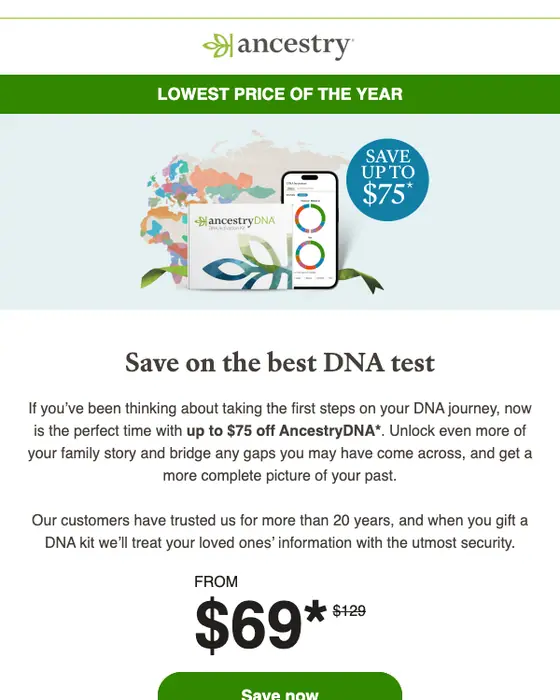
Ancestry
Save up to $75 on AncestryDNA
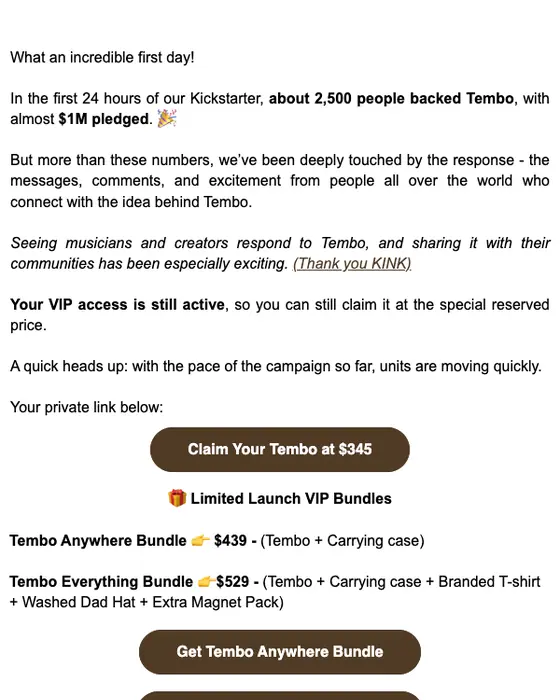
Musical Beings Inc.
2,500 backers in the first 24 hrs
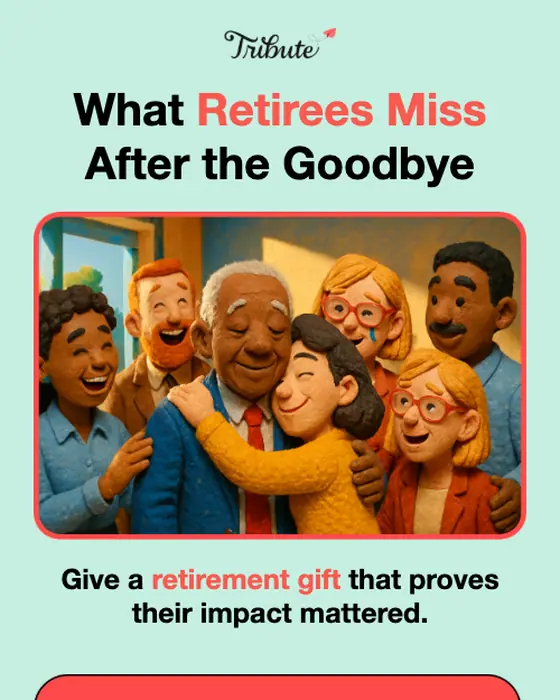
Tribute
👋 What Retirees Miss After the Goodbye
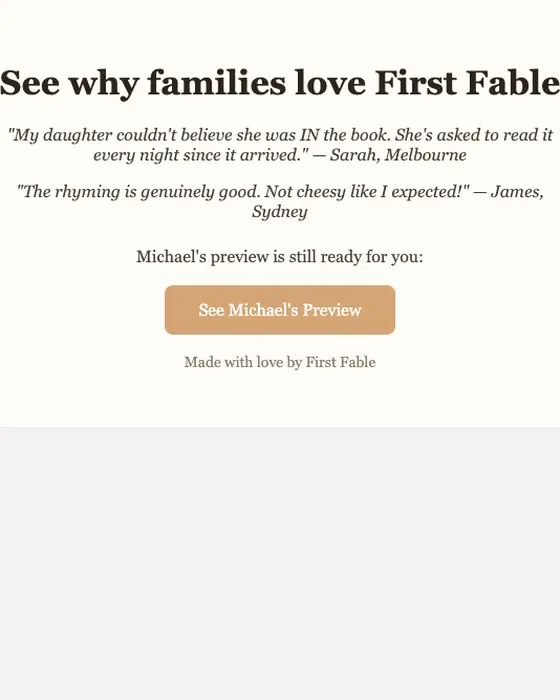
First Fable
Parents are loving First Fable
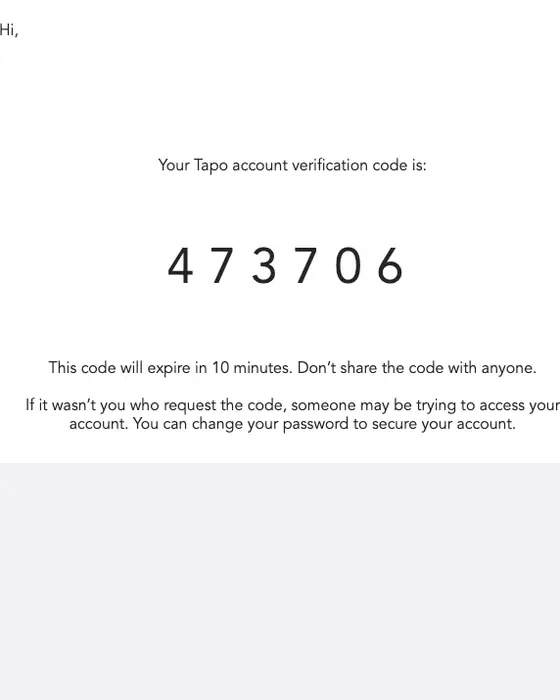
TP-Link
Tapo Account Verification Code
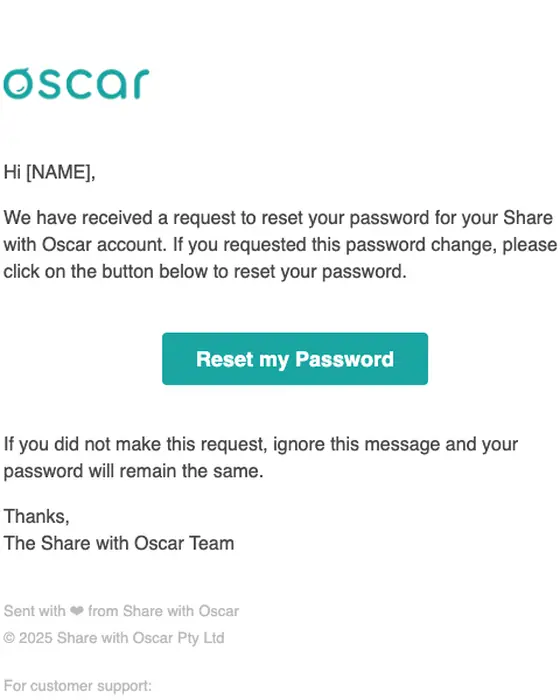
Share with Oscar
Reset password: Reset Password Request
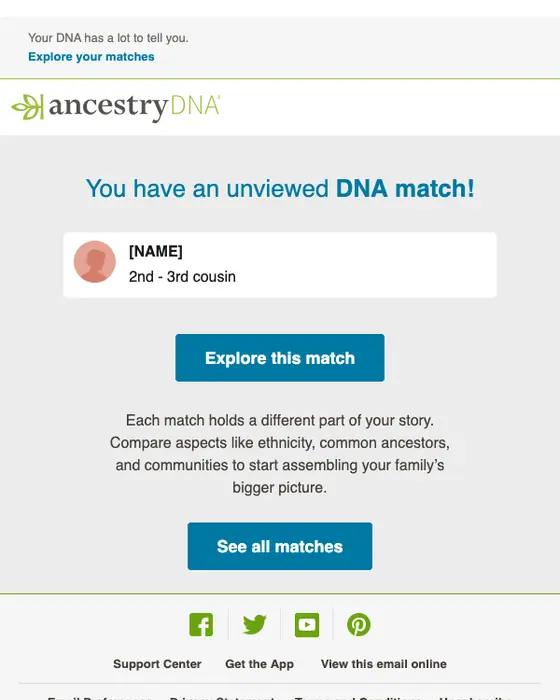
Ancestry
[NAME], you have a DNA match to explore
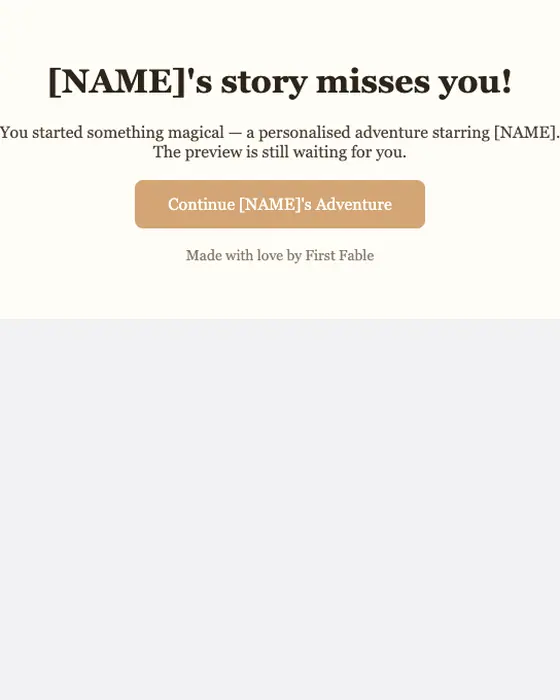
First Fable
[NAME]'s adventure is still waiting...
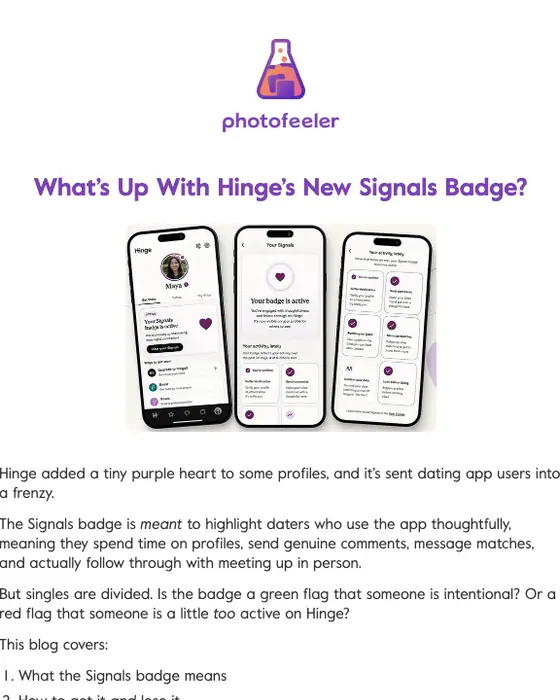
Photofeeler
What’s up with Hinge’s new Signals badge?
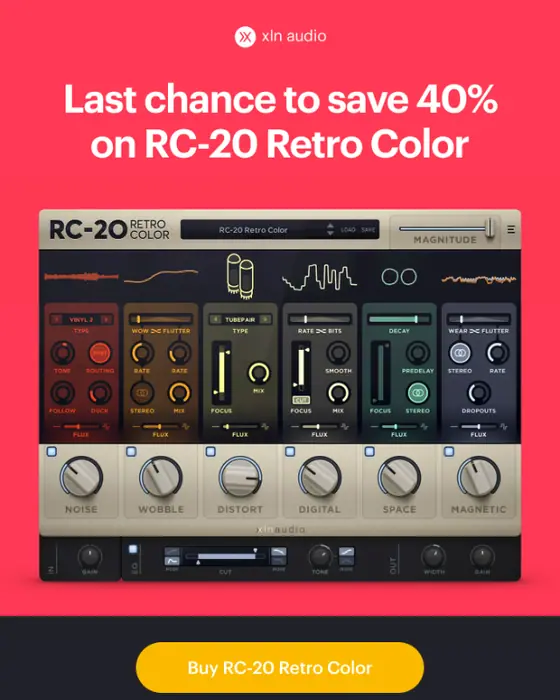
XLN Audio
Last chance to save on RC-20 Retro Color
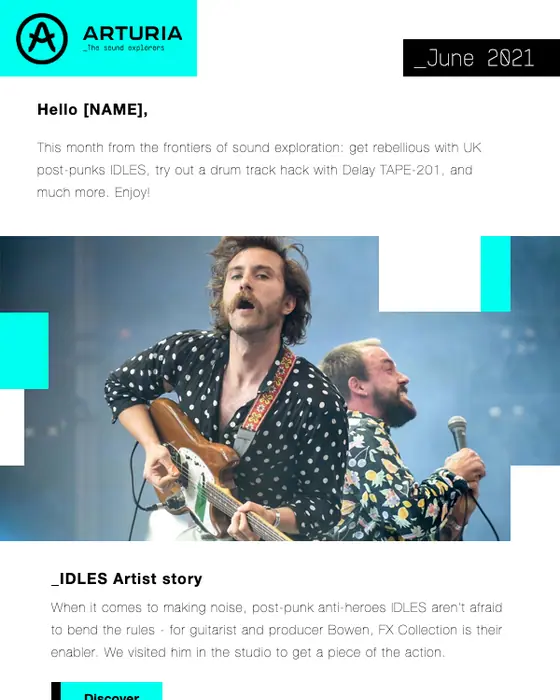
Arturia
Arturia Chronicle #4
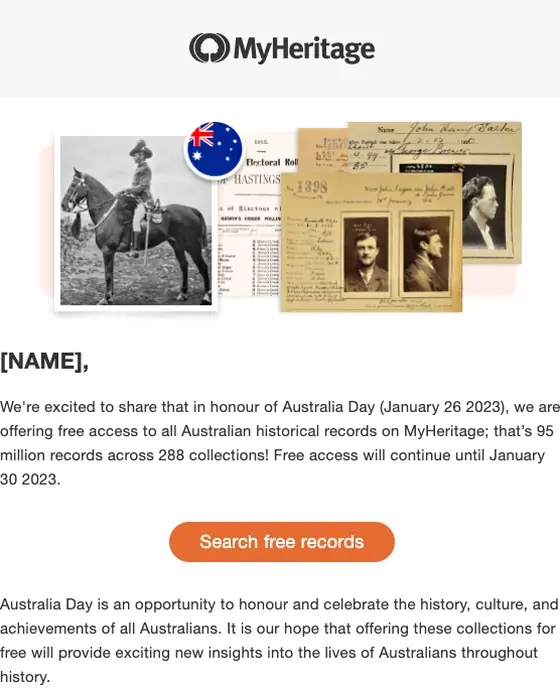
MyHeritage
Celebrate Australia Day with free records from MyHeritage!
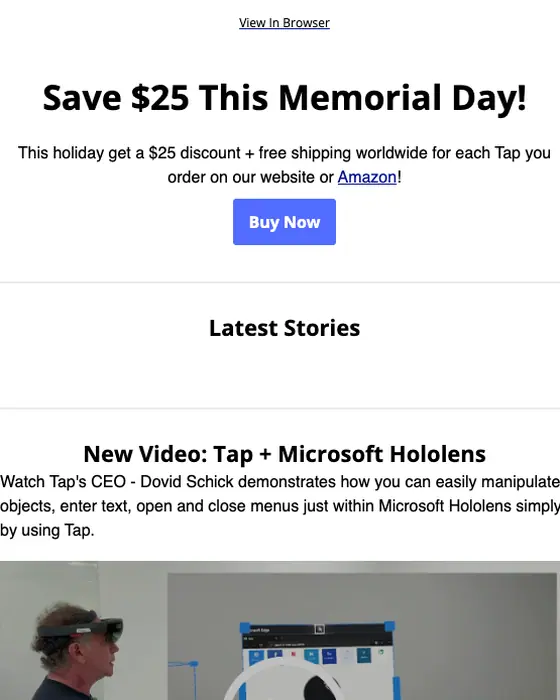
Tap
Last Day: Get $25 Off Tap Today!
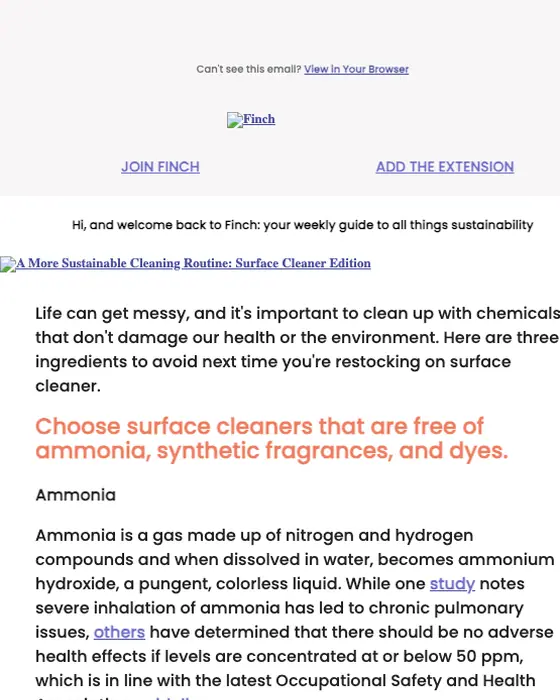
Finch
A More Sustainable Cleaning Routine: Surface Cleaners Edition
Wildfire Engraving
Confirm Your Subscription
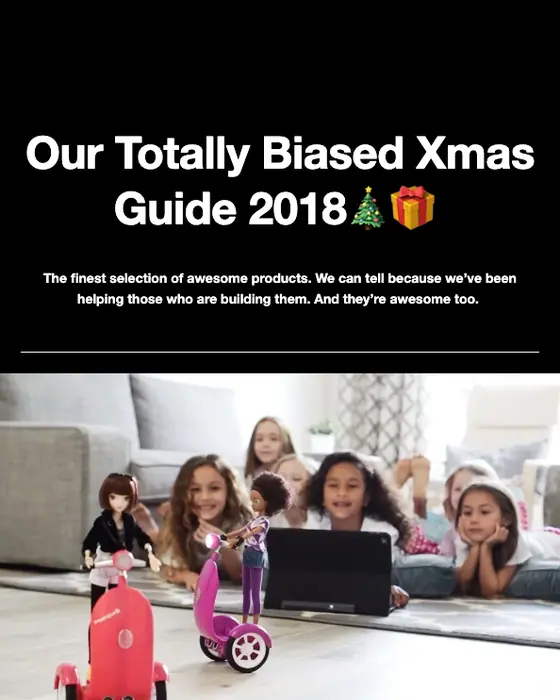
The Growth Concierge
The Concierge Memo #20181205
How niche email differs from everything else
Niche senders against every other email
241 emails from senders outside our named industries against the other 12,470 emails collected in the same two inboxes| What we measured | Niche senders | Everything else |
|---|---|---|
| Plain-text layout | 48% | 31% |
| Text heavy | 73% | 60% |
| Short or very short | 68% | 53% |
| Black, white and gray only | 71% | 62% |
| Opens with a hero image | 10% | 12% |
| Promotional email | 28% | 22% |
| Newsletters | 6% | 12% |
| Codes, verification, password resets and security alerts | 8% | 3% |
| Urgent tone | 20% | 12% |
| Instructional tone | 22% | 37% |
| Subject line leads with a discount | 16% | 11% |
| Greets the reader by first name | 32% | 40% |
| Exactly one link or button to act on | 40% | 30% |
| No link or button at all | 12% | 5% |
| Has a button | 32% | 40% |
| Sent to businesses rather than consumers | 2% | 19% |
| Median calls to action | 1 | 2 |
Niche senders write shorter and plainer. 48% of niche email uses a plain-text layout, against 31% of everything else, 68% is short or very short, against 53%, and the median email asks the reader to do one thing, where other email asks for two. 40% carry exactly one link or button, against 30%. Hero images are about as common as anywhere else, at 10% against 12%.
When these senders sell, they push harder. 20% of niche email is urgent in tone, against 12%, most of it in promotional sends, and 16% of subject lines lead with a discount, against 11%. They greet the reader by first name less often, 32% against 40%, and almost none of it goes to businesses: 2%, against 19% of other email.
What is in the collected set
By type
the 241 emails from niche senders| Type | Emails | Share of the set |
|---|---|---|
| Promotional | 67 emails | 28% of the set |
| Account notice | 26 emails | 11% of the set |
| Newsletter | 15 emails | 6% of the set |
| Re-engagement | 13 emails | 5% of the set |
| Receipt | 12 emails | 5% of the set |
| Email verification | 11 emails | 5% of the set |
| Invoice | 9 emails | 4% of the set |
| Welcome | 9 emails | 4% of the set |
| 23 other types | 79 emails | 33% of the set |
The grid shows 42 emails from 31 senders, 37 of them sent in 2023 or later. It runs a little heavy on seasonal and launch sends: 3 seasonal emails (7% of the grid, against 3% of the 241) and 2 product launches (5%, against 2%). 6 of the 42 use a plain-text layout (14%), against 48% of the 241 collected, because the 38 account notices and receipts in the set, 28 of them plain text, are barely represented: 2 of them have been rendered for the library so far. Only 71 of the 241 have been rendered in total.
Next to this one
The same library, cut a different way: entertainment emails, event emails and ecommerce emails by industry, or by the job the email does: promotional emails, seasonal emails, re-engagement emails, account notices, email verification emails and subscription confirmation emails.
Questions about the collection
A niche is a specific, well-defined audience a business serves, such as family historians, music producers or gallery members. Of our 241 emails from senders outside our named industries, 48% use a plain-text layout and the median email asks for one action, against 31% and two for all other email. 68% are short or very short.
Ancestry's DNA match notice says one thing, that you have an unviewed match, with a button to explore it. Highland Titles runs a tartan-pattern Tartan Tuesday sale at 30% off. Zoos Victoria opens with a frog under the line "Don't kiss this frog!". Across all 241 we collected, 40% carry exactly one link or button.
Email from senders outside our named industries is plainer and pushier. Across the 241, 48% use a plain-text layout, against 31% of other email, and 68% are short or very short. 20% are urgent in tone, against 12%, and 16% of subject lines lead with a discount, against 11%.
71 of the 241 have been rendered full length for the library so far. We took 29 of those off this page: 15 repeat sends of a template already shown, five showing personal details, three with a dash in the subject line, four from one sender we chose not to feature, one broken and one weak.