
![Tally Forms welcome email: Welcome to Tally, [NAME]!](/email-examples/img/195f91f2d53c10c5-t.webp)
What an onboarding email is
An onboarding email is a message a product or service sends a new user in the first days after sign-up, to confirm the account and get them to the first useful thing they can do with it. Emails an employer sends a new hire share the name, and none of those are here.
We collected 656 onboarding emails from 508 brands out of two ordinary inboxes, sent between 2016 and 2026. Nothing here is a mockup. 250 of them have been published as images so far, and this page shows 205 from 189 brands, recent ones first. The questions below say why the rest are not shown. The split that matters most for anyone writing one: 63% of confirm-your-email messages ask for one thing, against 32% of welcome emails.
Browse all 205 onboarding emails
Tap a type to narrow the grid: 166 welcome emails, 25 asking you to confirm your email address, 7 account notices and 4 setup tips. Open any email to see it full length, with its subject line, notes on what it is doing, and a prompt that rebuilds it.
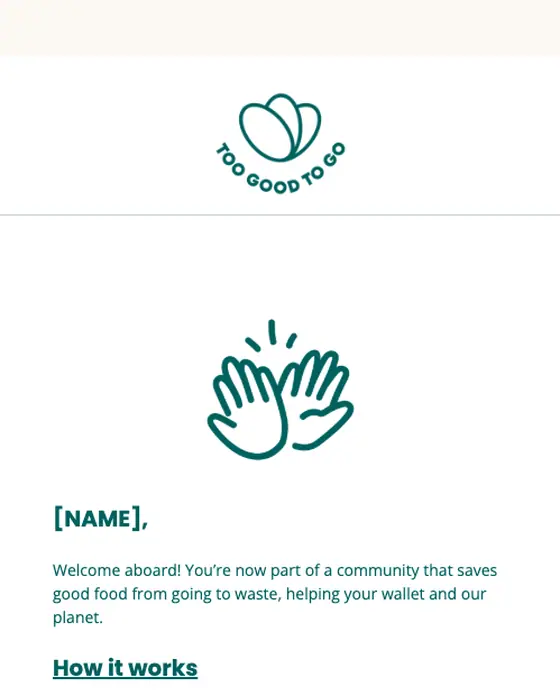
Too Good To Go
Welcome to Too Good To Go!
Too Good To Go
Pro tip #1
Tally Forms
Welcome to Tally, [NAME]!
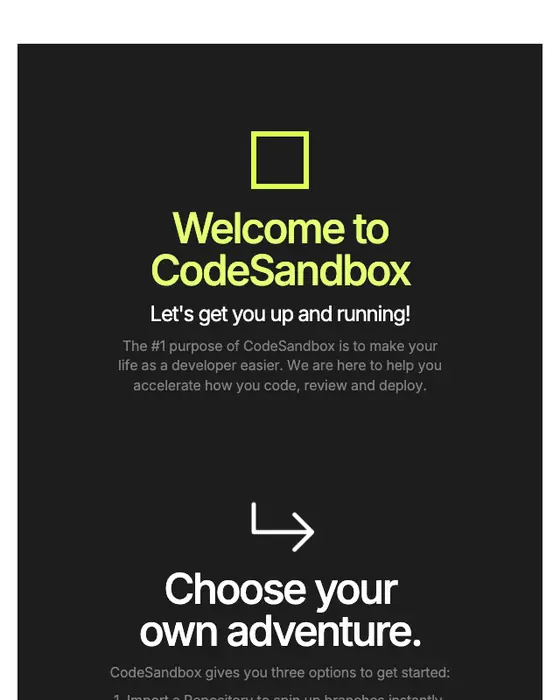
CodeSandbox
Get the most out of CodeSandbox
CodeSandbox
Set up your project in minutes
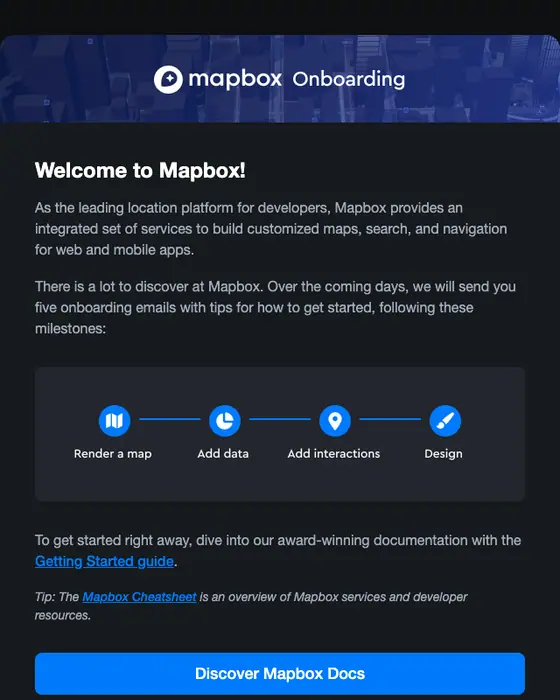
Mapbox
Welcome to Mapbox!
Mapbox
Best practices as you build with Mapbox
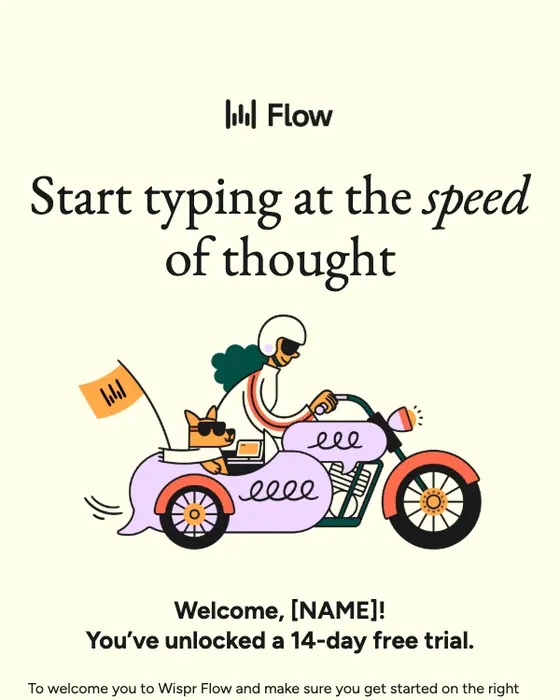
Wispr Flow
Welcome to Wispr Flow 💜
Wispr Flow
Your [NAME] workspace is ready 🚀
Claude Code
Welcome to Claude Code
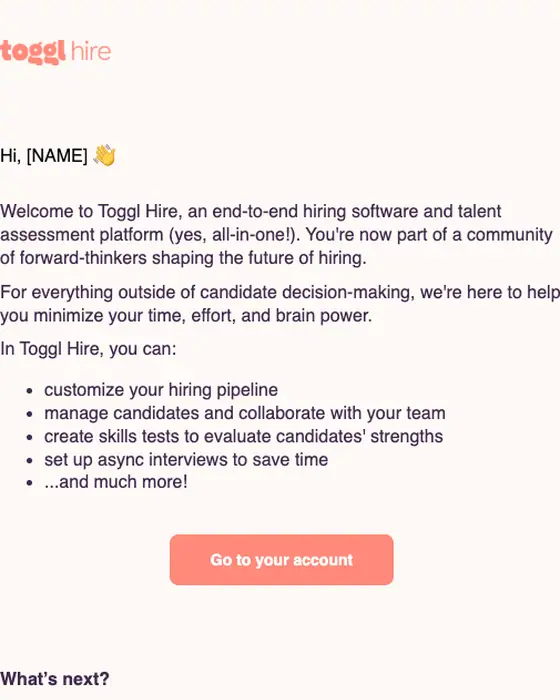
Toggl Hire
Welcome to Toggl Hire! (1/5)
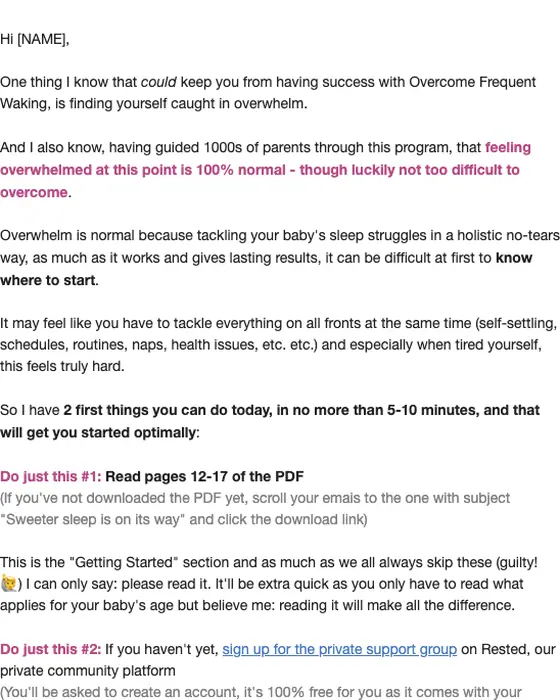
Baby Sleep Advice
[Overcome Frequent Waking] 2 first things to do (5-10 minutes)
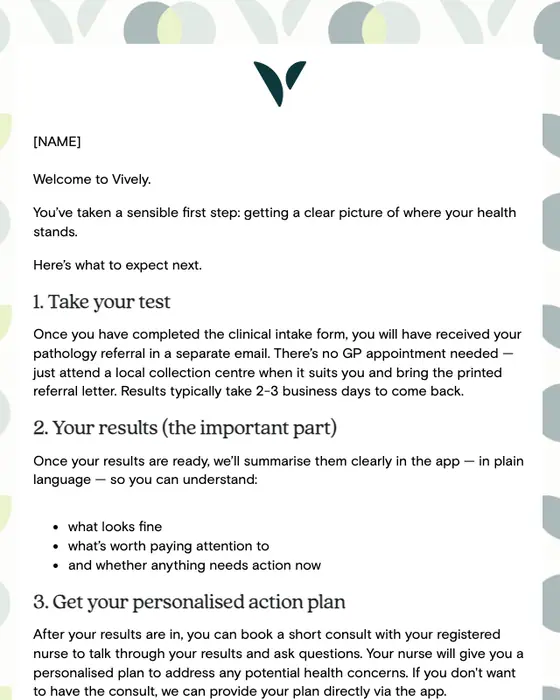
Vively
Welcome to Vively - here's what happens next
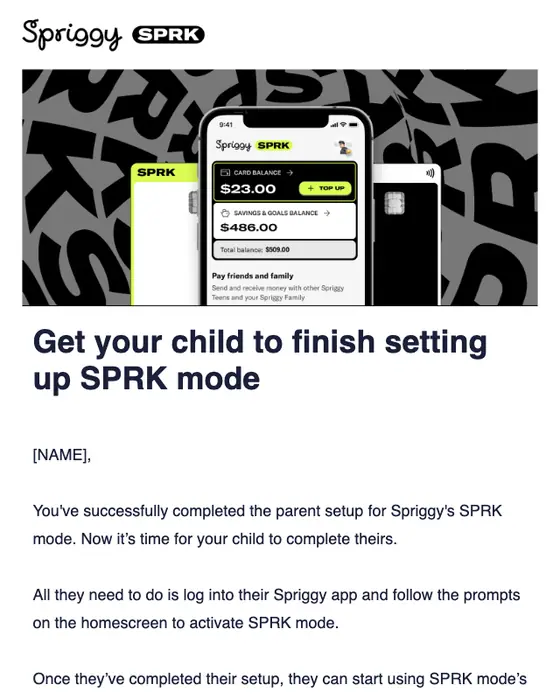
Spriggy SPRK
Welcome to Spriggy’s SPRK mode
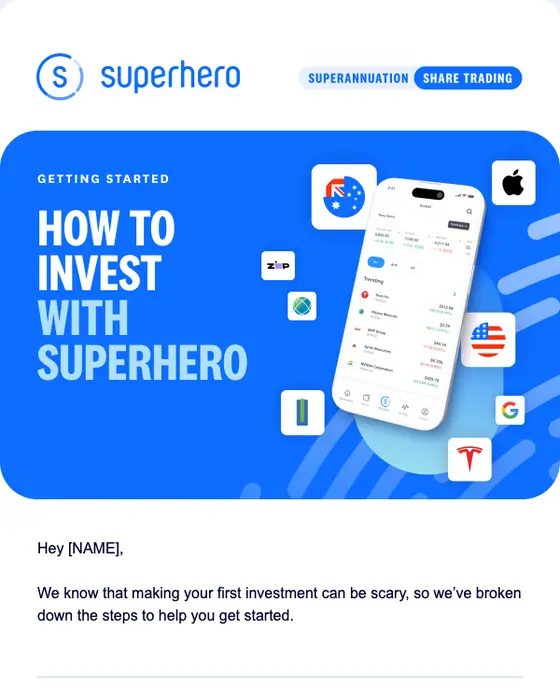
Superhero
How to invest with Superhero
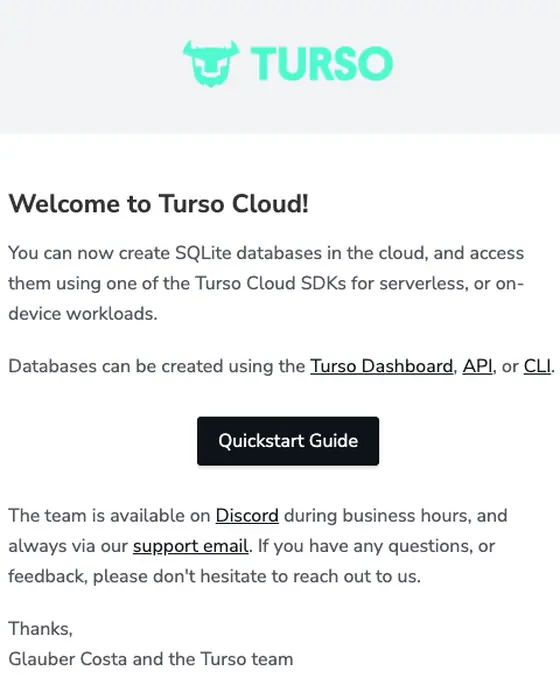
Turso
Welcome to Turso Cloud!
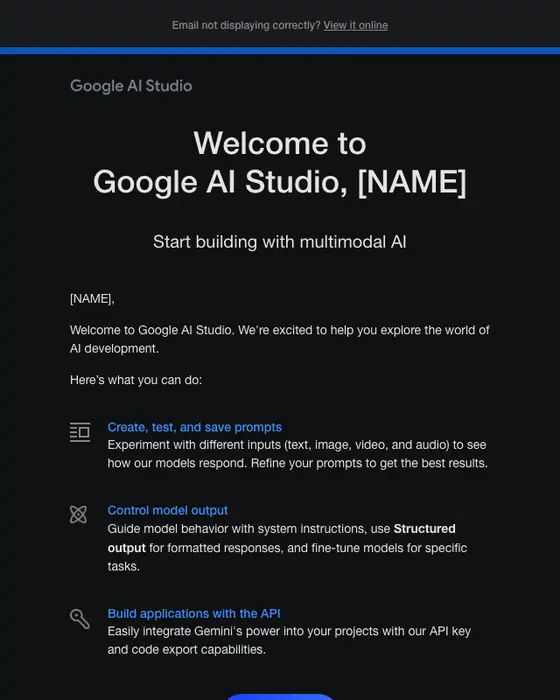
Google AI Studio
[NAME]: Welcome to Google AI Studio
Ramped
REMINDER: Can we help you complete the Onboarding Form?
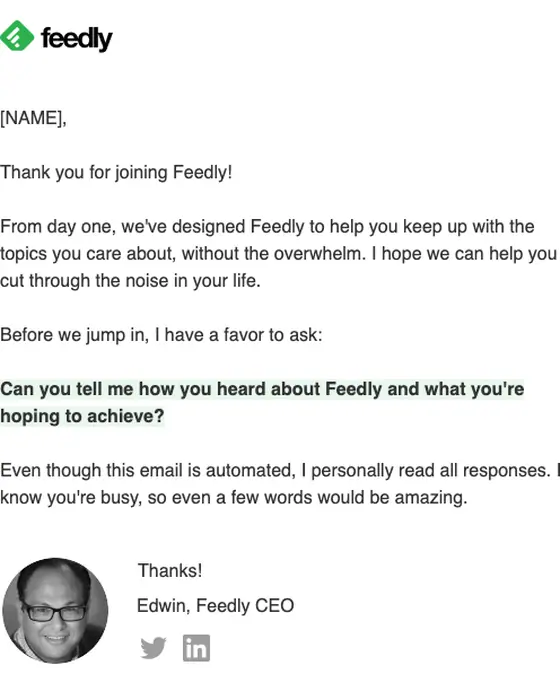
Feedly
A quick hello
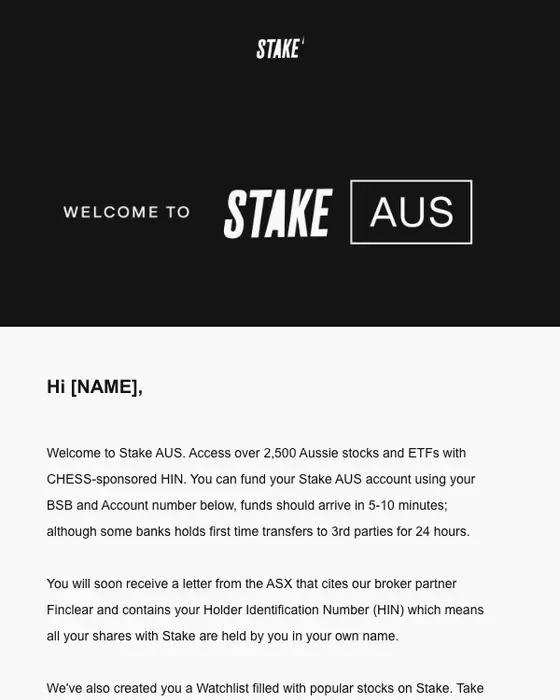
Stake
Welcome to Stake AUS
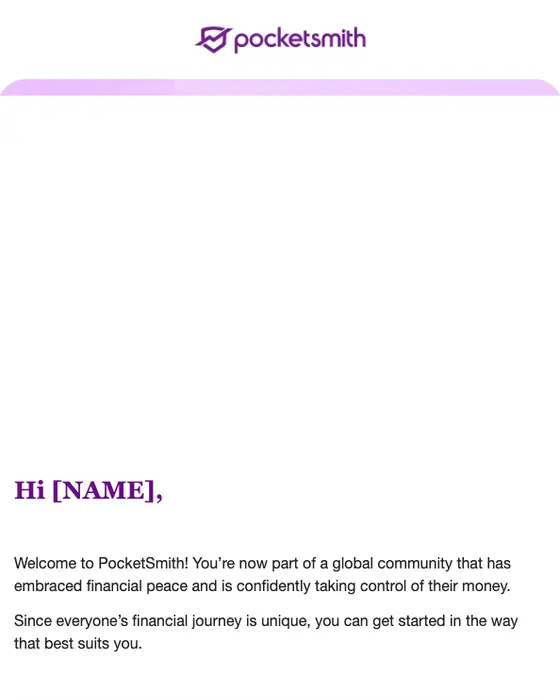
PocketSmith
Welcome to PocketSmith - let's get started, your way
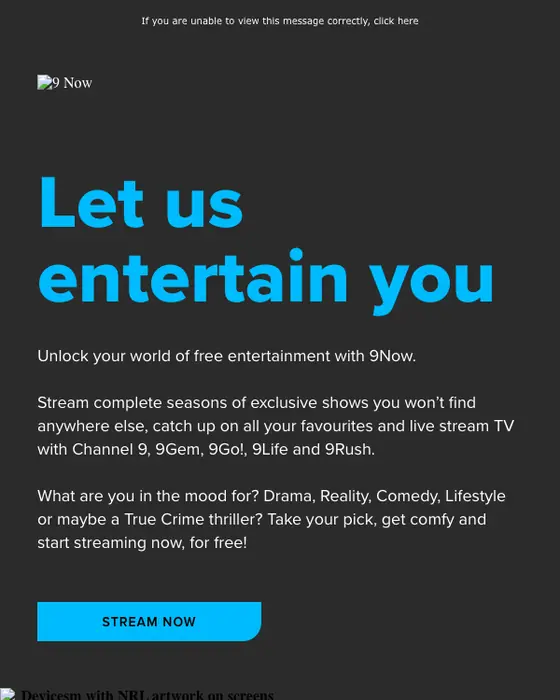
9Now
We're just getting started, [NAME] 🙌
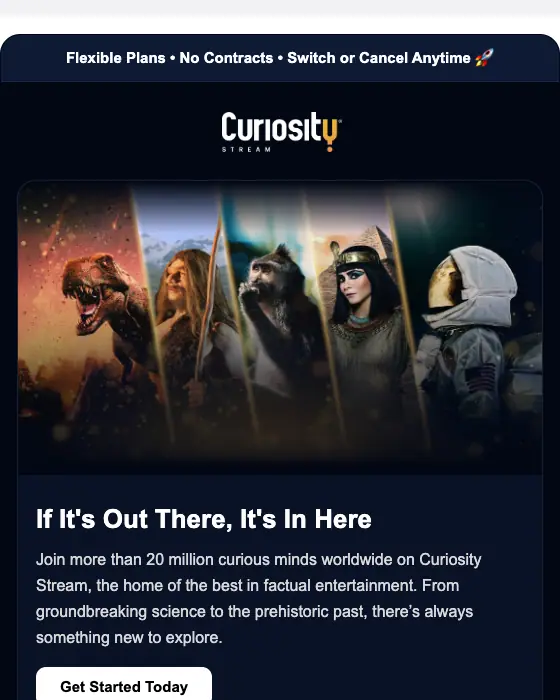
CuriosityStream
Start watching the best in factual entertainment 📺
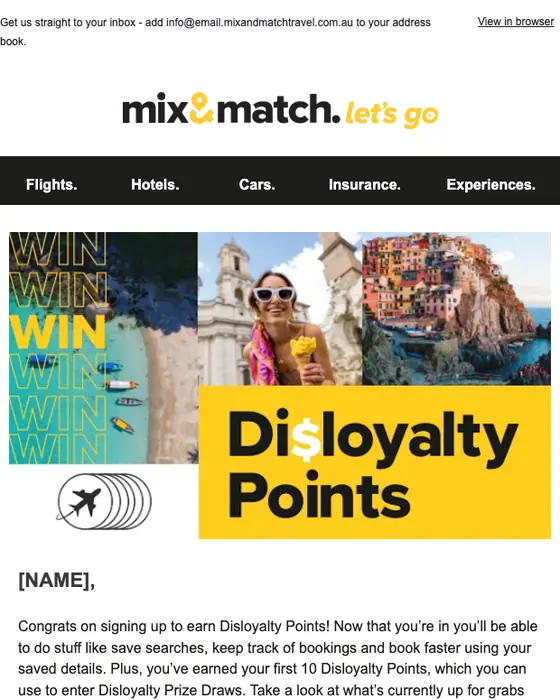
Mix & Match Travel
Welcome to the Points Programme
How onboarding emails differ from other email
Onboarding emails and all email, same two inboxes
656 onboarding emails, 12,711 emails| What we measured | Onboarding | All email |
|---|---|---|
| Warm in tone | 45% | 15% |
| Instructional in tone | 35% | 37% |
| Short or very short | 61% | 53% |
| Plain-text layout | 36% | 32% |
| Greets the reader by first name | 49% | 40% |
| Personalized subject line | 14% | 7% |
| Subject line leads with a discount | 3% | 11% |
| Has a hero image | 11% | 12% |
| Asks for one thing only | 37% | 30% |
| Median calls to action | 2 | 2 |
Onboarding email is three times as likely to be warm in tone as email in general, 45% against 15%, and twice as likely to personalize the subject line, 14% against 7%. It rarely sells: 3% lead with a discount in the subject line, against 11% of all email. It is shorter too, with 61% short or very short against 53%. Pictures are no more common than anywhere else, and 11% open on a hero image.
The usual advice is one clear next step per email. 37% of the onboarding emails we collected ask for one thing, more than email overall (30%), and the median carries 2 calls to action. Which email it is matters more than that average: 63% of confirm-your-email messages ask for one thing, against 32% of welcome emails. Every industry's welcome emails are in welcome email examples.
What the set looks like
By type of email
all 656 onboarding emails collected| Type | Emails | Share of the set | Ask for one thing | Instructional in tone |
|---|---|---|---|---|
| Welcome | 459 | 70% | 32% | 32% |
| Confirm your email | 111 | 17% | 63% | 36% |
| Account notice | 33 | 5% | 30% | 70% |
| Setup tips | 15 | 2% | 20% | 93% |
| Other (subscription, confirm subscription, thank you and more) | 38 | 6% | 45% | 26% |
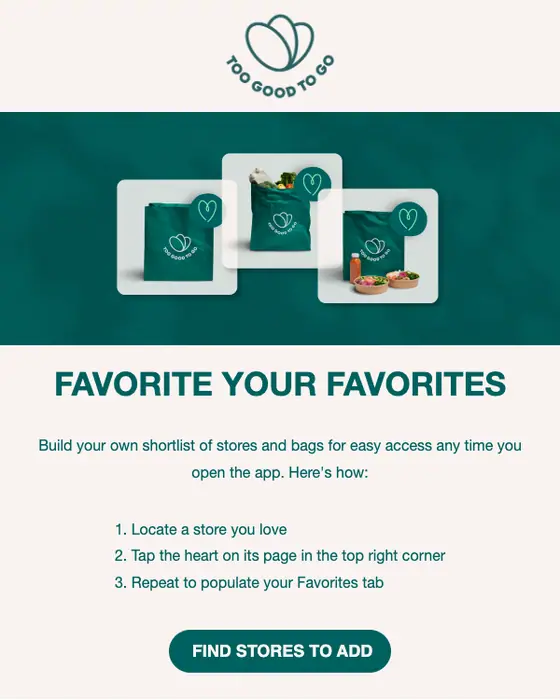
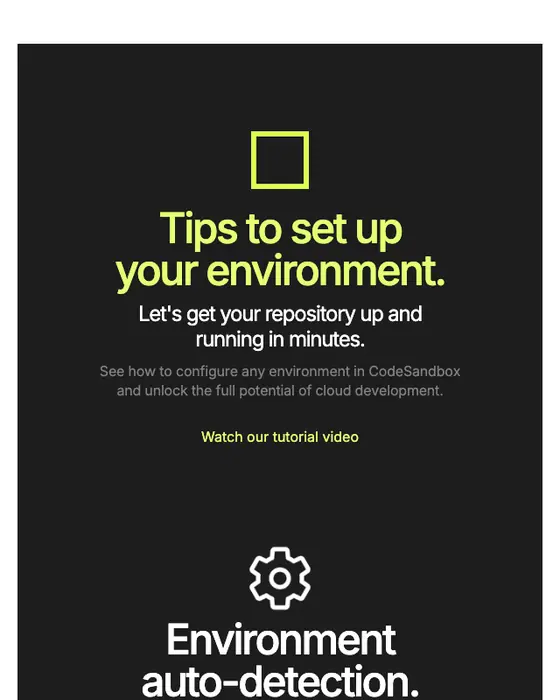
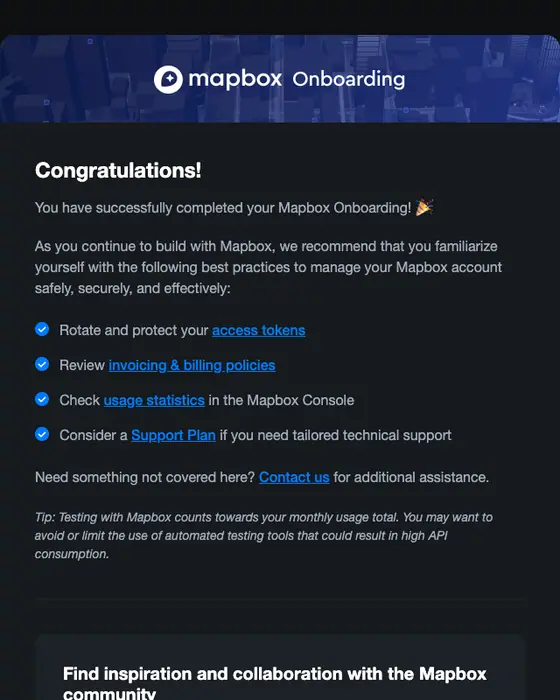
Welcome emails outnumber everything else that arrives after a sign-up: 459 of the 656, against 48 account notices and setup tips. The setup tips are the most instructional of the set, 14 of 15. Six brands here sent a second onboarding email within a week of their welcome: Superhero and Menulog the next day, CodeSandbox, Too Good To Go and Longevity Daily after five days, and Mapbox after seven. CodeSandbox sent "Set up your project in minutes" and Too Good To Go sent "Pro tip #1", asking the reader to save favorite stores. Mapbox sent "Best practices as you build with Mapbox", congratulating the reader on finishing its onboarding. In the full collection Mapbox sent five onboarding emails between November 9 and 16, 2025, though only two are published as images here. Toggl Hire numbers its welcome "(1/5)", and only the first of the five is here.
In May 2026 Nitrosend rebuilt the onboarding emails for the Email Marketing Bible site in two prompts to Claude: 14 emails, all saved as drafts for review before anything went live. The screen recording is on YouTube.
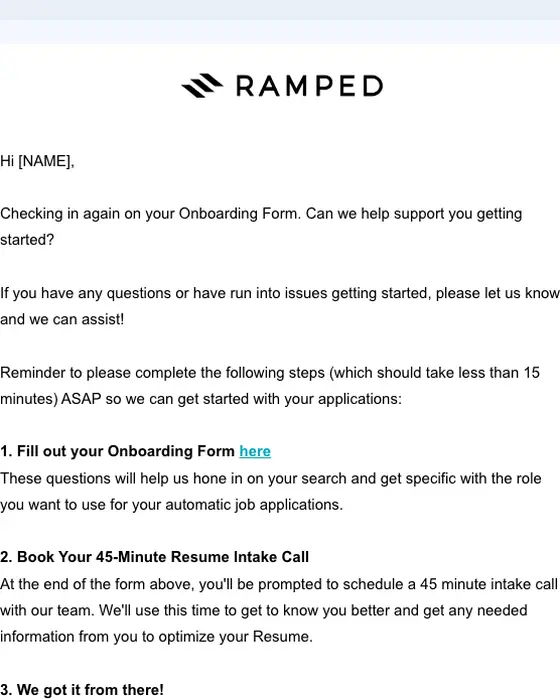
Ramped's email is a nudge rather than a welcome: a reminder to finish an onboarding form, laid out as three numbered steps. More short notes from a named person are collected in plain-text email examples.
Next to this one
The same library, cut a different way: SaaS welcome emails, emails asking a new user to confirm their address and emails confirming a newsletter subscription, which often arrive first, acquisition emails sent before the sign-up, activation emails and retention emails that come after it, and every SaaS email in the library.
Questions about onboarding emails
An onboarding email is a message a product or service sends a new user after sign-up, to confirm the account and get them to a first result. Of the 656 we collected, 70% are welcome emails and 17% ask the reader to confirm their email address. The rest are account notices, setup tips and a few subscription and thank-you notes.
Start from what the 656 we collected have in common: 61% are short or very short, 45% are warm in tone, and 49% greet the reader by first name. Only 3% lead with a discount in the subject line. The follow-ups that teach, like CodeSandbox's setup tips, are nearly all instructional (14 of 15).
The 205 on this page are real ones. Tally's welcome sends one button to build a first form, Ramped reminds new clients to finish an onboarding form in three steps, and Too Good To Go follows its welcome with a first pro tip five days later. 184 of the 205 were sent in 2023 or later.
Advice usually says one. 37% of the onboarding emails we collected ask for one thing, against 30% of all email, and the median carries 2. It depends on the email: 63% of confirm-your-email messages ask for one thing, but only 32% of welcome emails do, and 25% of welcome emails carry five or more.
250 of the 656 have been published as images in this library so far. We left 45 of those off this page: 12 repeats of a template the same brand already has here, 15 that show or may show personal details (a school name, a family member's username, a live account link), 6 broken or cut-off renders, 5 sent after a purchase or a booking rather than a sign-up, 2 test sends, 2 private program emails and 3 whose subject lines we could not reproduce here. The percentages on this page still describe all 656.
Send one like it
Simple pricing. Unlimited contacts.
Every plan includes full stack emailing: Flows, Newsletter Campaigns and Transactional Email, plus our NitroWheel LLM and all agent integrations (Claude, ChatGPT, Codex, Cursor and others). Pay for what you send, not who you store.
- Emails 8,000then 500/mo
- Email types Transactional & Marketing
- AI actions 20/mo
- Contacts Free & Unlimited
- Brands 3 · Custom domain 1
- Seats 1
- Recipients / rolling 24h 100–5,000
- Email validation Prepaid only
- Emails 20,000/month
- NitroWheel LLM Included
- Brands 5 · Domains 3
- AI actions 1,000/mo
- Contacts Free & Unlimited
- BYO sending and AI keys Yes
- Seats 3
- Recipients / rolling 24h 1,000–100,000
- Email validation Prepaid only
- Emails 125,000/month
- AI actions 5,000/mo
- Brands 10 · Domains 10
- Seats 10
- Frontier AI Included
- Dedicated IP Available
- Recipients / rolling 24h 1,000–625,000
- Email validation Prepaid only
- AI actions Unlimited
- Unlimited brands & domains Included
- SSO / SAML Included
- 99.9% SLA Included
- Recipients / rolling 24h Contracted
- Email validation Prepaid only
Daily allowances depend on your plan and sender standing. Strong list, domain and delivery evidence can raise standing, including on day one. Trusted receives the full plan allowance; available email credits, safety checks and delivery pacing still apply.
Free forever. No credit card required. See full comparison →