
What a media promotional email is
A media promotional email is one a streaming service, news publisher, magazine or audio brand sends to sell a subscription, or to get someone to watch, read or listen to something.
We collected 145 promotional emails from 77 senders in media and publishing, out of two ordinary inboxes, sent between 2016 and 2026. Nothing here is a mockup. The label is broad: it covers streaming services, news and magazine publishers, audio and music brands, stock media sites and social platforms. Only 33 of the 145 have been published as images so far.
This page shows 20 emails from 19 senders: 12 from those 33, and the other 8 offers and launches from The New York Times, The Wall Street Journal, The Athletic, National Geographic, HBO Max, Max, Hulu and Audible, which the library files as discount offer, sale, product launch or re-engagement emails. How we chose is in the questions below. Every percentage about media promotions counts the 145, not the 20 shown. 79 of the 145 were sent in 2023 or later, and so were 15 of the 20 shown.
Browse all 20 media promotional emails
Tap who sent it to narrow the grid: streaming services, news and magazines, or audio and music. Open any email to see it full length, with its subject line, notes on what it is doing, and a prompt that rebuilds it.
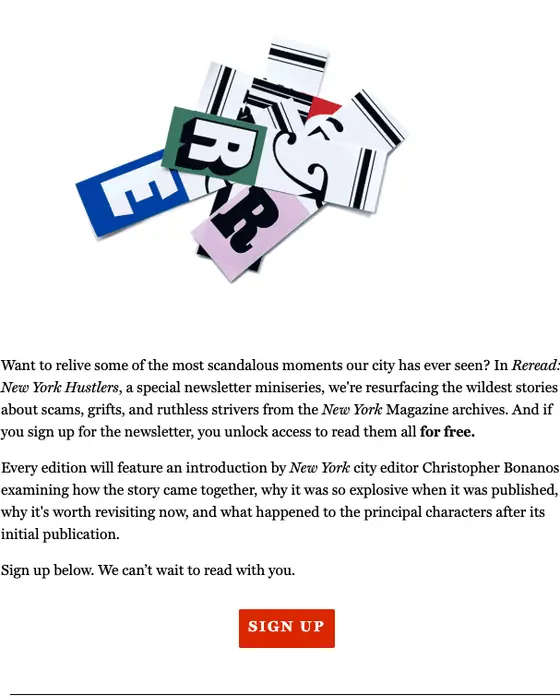
New York Magazine
Read Our Most Scandalous Stories for Free
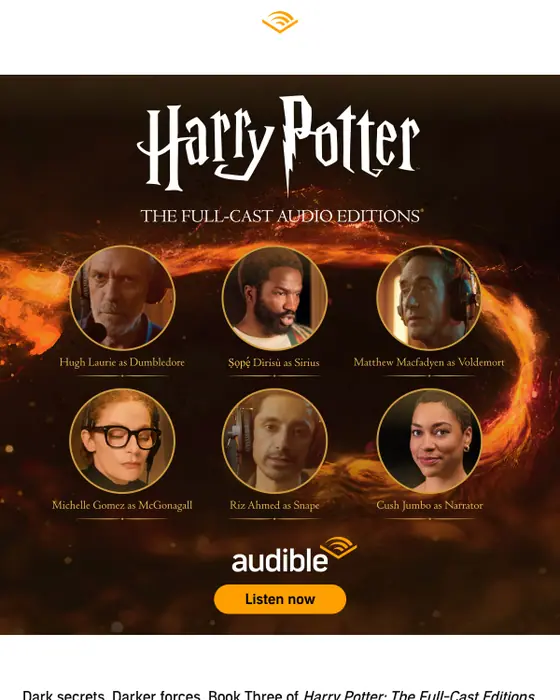
Audible.com
A-list cast. Spectacular performances. Harry Potter: The Full-Cast Editions.
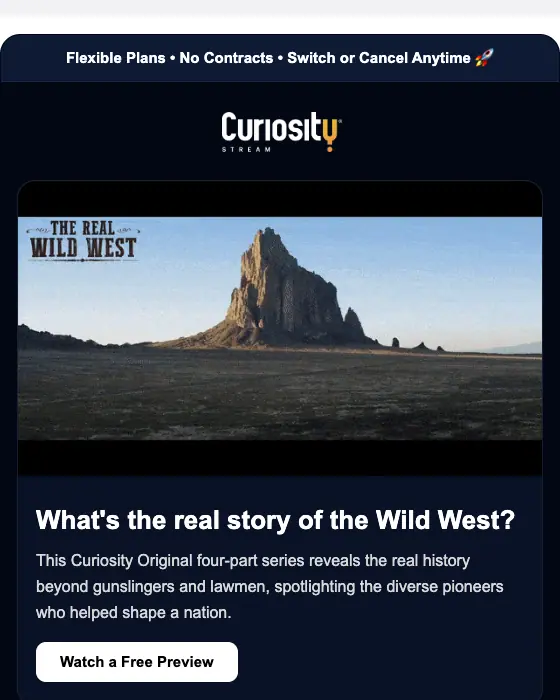
CuriosityStream
🏜️ Get to know The Real Wild West
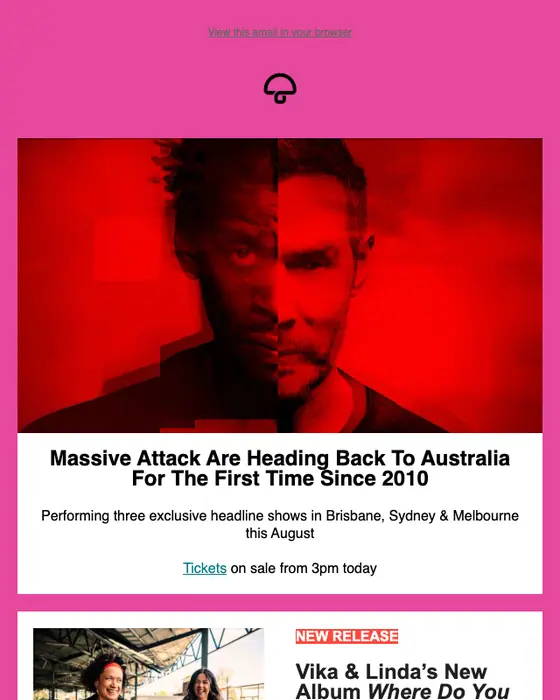
Mushroom Group
Massive news 🎧

Audible.com
Get 2 free audiobooks with your 30-day trial
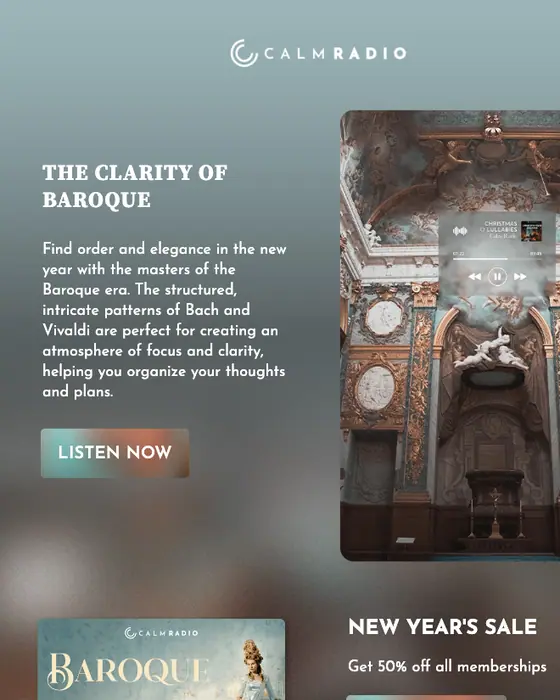
Calm Radio
Your focus soundtrack: Baroque
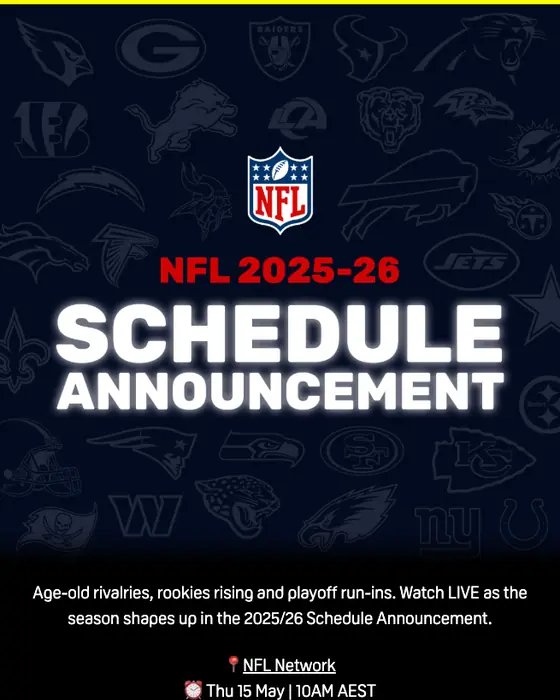
NFL Game Pass from DAZN
🏈🗓️ 25/26 Schedule Announcement
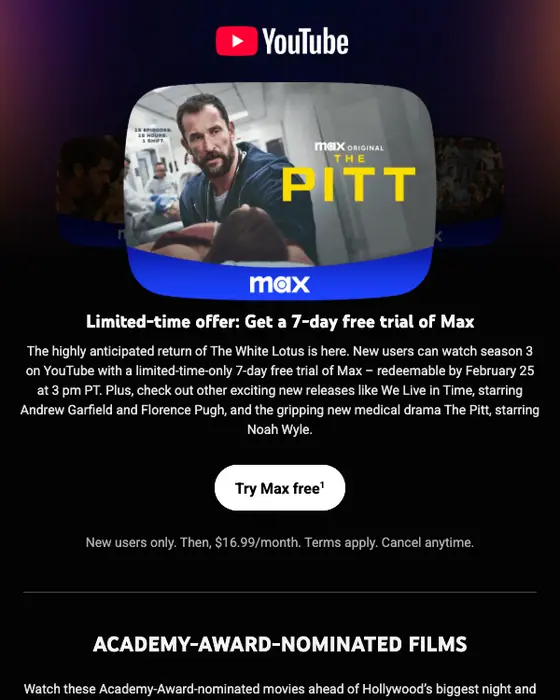
YouTube Primetime
Watch The White Lotus on YouTube with a 7-day limited-time free trial of Max
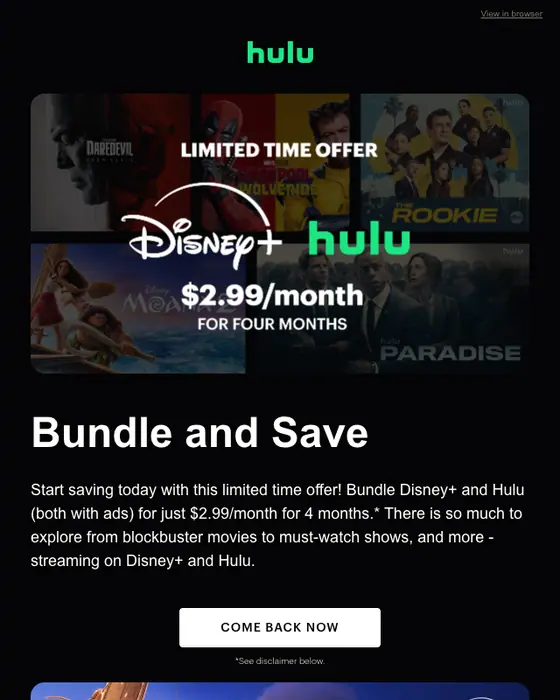
Hulu
Get This Deal and Watch 'Moana 2' on Disney+
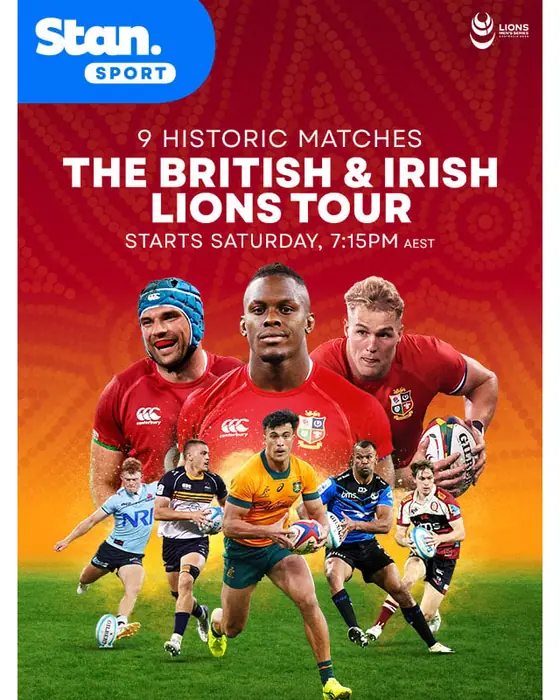
Stan Sport
The British & Irish Lions Tour kicks off Saturday
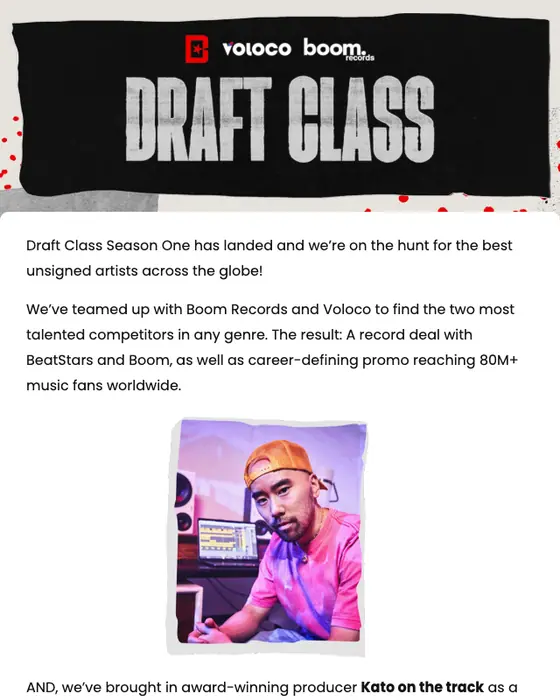
BeatStars
Win a record deal + MASSIVE promo!

Unsplash
Unsplash Awards 2025 🏆
![Stan. promotional email: [NAME], here's your must-watch this long weekend.](/email-examples/img/18d3f98812b6fe66-t.webp)
Stan.
[NAME], here's your must-watch this long weekend.
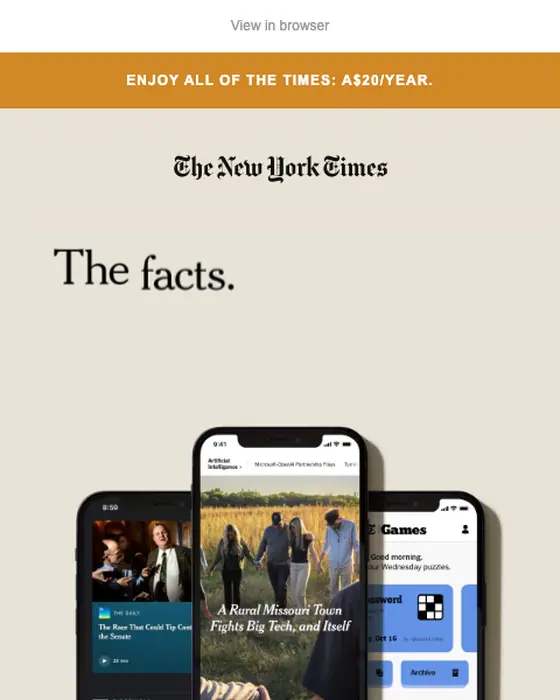
The New York Times
Save on The Times when you resubscribe.
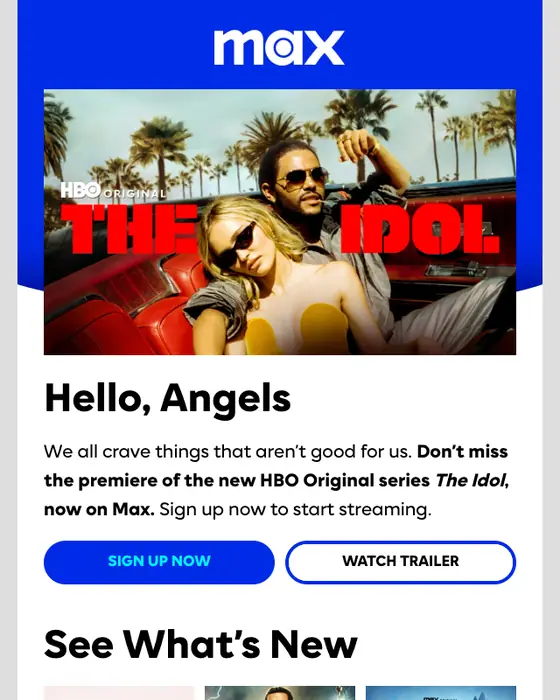
Max
Series Premiere: The Idol
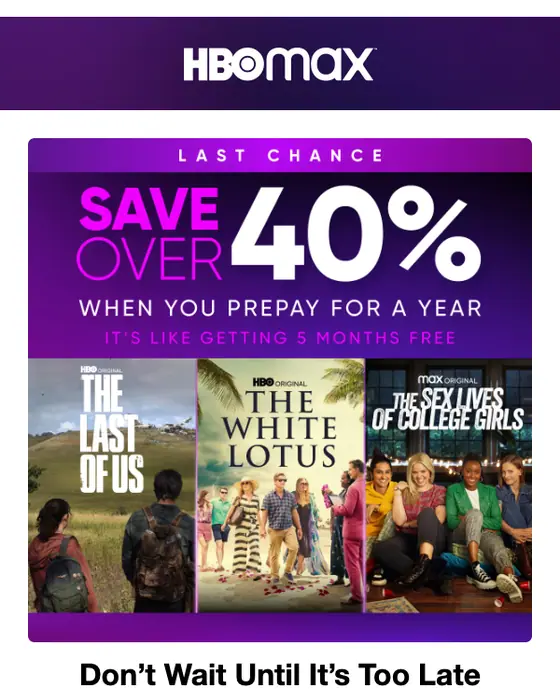
HBO Max
🚨 LAST CHANCE: Save over 40% when you prepay.
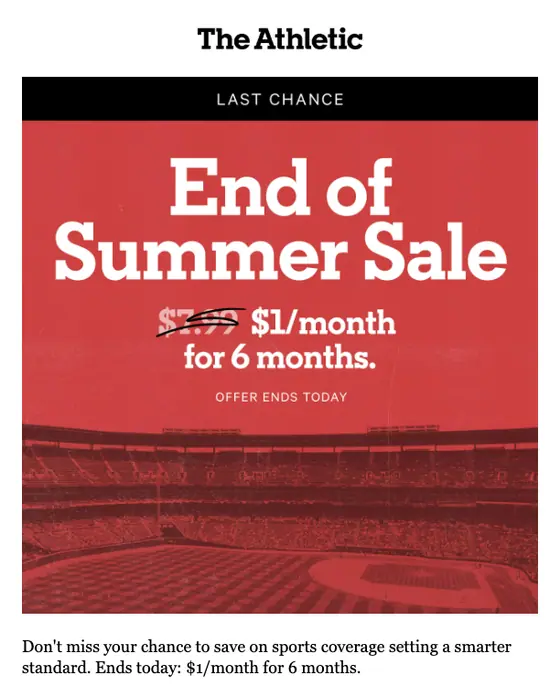
The Athletic
Last chance. $1/month for 6 months.
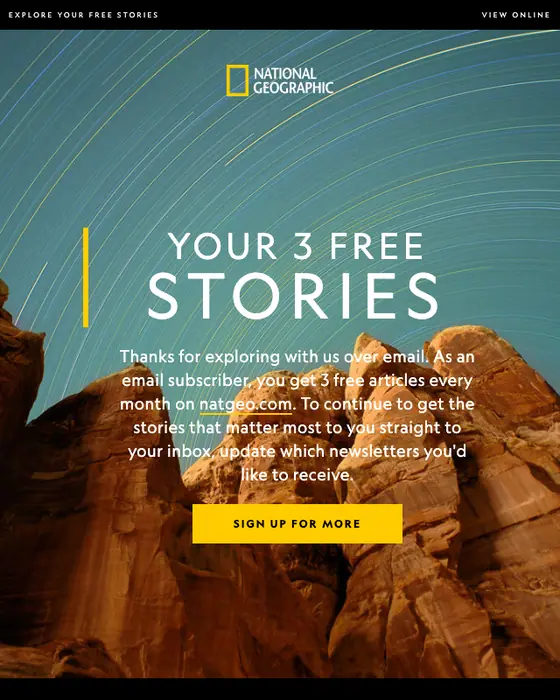
National Geographic
Your free stories are waiting...
![The Wall Street Journal sale email: [ONE-DAY SALE] Final Hours. Subscribe for Only $4 per Month.](/email-examples/img/17b06eada5084429-t.webp)
The Wall Street Journal
[ONE-DAY SALE] Final Hours. Subscribe for Only $4 per Month.
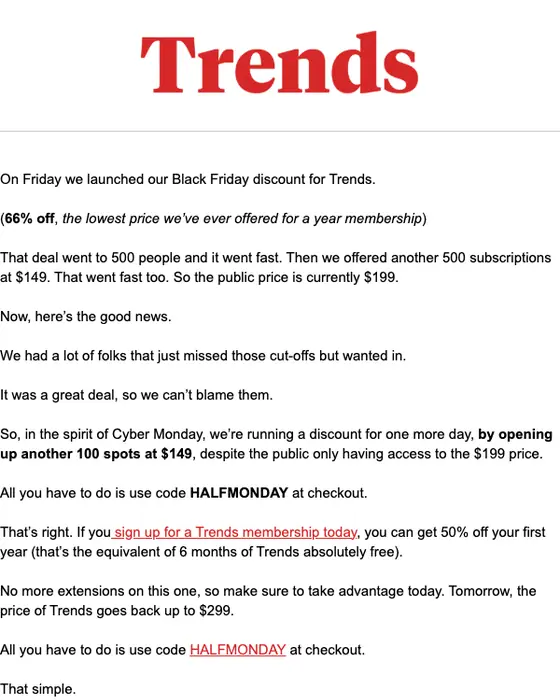
The Hustle
Good news: you still have time
Streaming, news and audio: who sent these and what they promote
Of the 20 emails shown, 8 sell on a price or a free trial and 8 on a show, release or live event.
By who sent it
the 20 shown on this page, sorted by hand| Sender | Emails | Brands |
|---|---|---|
| Streaming services | 8 emails | CuriosityStream, NFL Game Pass from DAZN, YouTube Primetime, Hulu, Stan Sport, Stan., Max, HBO Max |
| News and magazines | 6 emails | New York Magazine, The New York Times, The Athletic, National Geographic, The Wall Street Journal, The Hustle |
| Audio and music | 5 emails | Audible.com (2), Mushroom Group, Calm Radio, BeatStars |
| Other | 1 email | Unsplash |
Five of the eight streaming emails lead with something to watch. Max announces the premiere of The Idol, CuriosityStream a four-part series on the Wild West, Stan Sport the first match of the British and Irish Lions tour, and NFL Game Pass the live reveal of its 2025/26 schedule. Three lead with a price: HBO Max offers over 40% off for paying a year upfront, Hulu a Disney+ and Hulu bundle at $2.99 a month for four months, and YouTube Primetime a 7-day free trial of Max. Stan. greets the reader by first name and puts a "Reactivate now" button above its new shows.
Four of the six news and magazine emails sell a subscription on price. The Wall Street Journal runs a one-day sale at $4 a month, The Athletic offers $1 a month for six months, The New York Times asks a former subscriber back at A$20 for the first year, and The Hustle, in plain text, opens 100 more places on its Trends membership at $149. The other two give something away. New York Magazine unlocks a set of archive stories for anyone who signs up to a newsletter miniseries, and National Geographic reminds email subscribers of their 3 free stories a month and offers more newsletters.
Audible appears twice, with two different emails: the launch of the third Harry Potter full-cast audiobook, and a free 30-day trial with two audiobooks. Calm Radio pairs Baroque music for focus with 50% off memberships. Mushroom Group fits a tour, an album, a film and a single into one send, and BeatStars runs a competition with a record deal as the prize. Unsplash announces its annual awards.
What these media promotions promote: price offers and trials, content launches, competitions and newsletter promos
the 20 shown on this page, sorted by hand| What it promotes | Emails | Brands |
|---|---|---|
| A price or a free trial | 8 emails | HBO Max, Hulu, YouTube Primetime, The Wall Street Journal, The Athletic, The New York Times, The Hustle, Audible.com |
| A show, release or live event | 8 emails | Max, CuriosityStream, Stan., Stan Sport, NFL Game Pass from DAZN, Audible.com, Calm Radio, Mushroom Group |
| Awards and competitions | 2 emails | Unsplash, BeatStars |
| Free stories and newsletters | 2 emails | New York Magazine, National Geographic |
Price-led sends overlap with discount offer emails and sale emails, come-back offers with winback emails, and premieres with product launch emails.
How media promotions differ from other promotional email, same two inboxes
Media promotional email, all promotional email and all email, same two inboxes
145 media promotions, 2,799 promotions, 12,711 emails| What we measured | Media promotions | All promotions | All email |
|---|---|---|---|
| Classed as retention | 59% | 50% | 38% |
| Classed as acquisition | 28% | 39% | 15% |
| Has a hero image | 34% | 24% | 12% |
| Image heavy | 24% | 12% | 6% |
| Text heavy | 35% | 48% | 60% |
| Plain text layout | 19% | 25% | 32% |
| Short or very short | 57% | 46% | 53% |
| Long | 8% | 19% | 16% |
| Median calls to action | 3 | 2 | 2 |
| Asks for one thing only | 31% | 30% | 30% |
| Discount in the subject line | 15% | 22% | 11% |
| Greets the reader by first name | 18% | 29% | 40% |
The library classes more media promotions as retention than other promotional email: 59% of the 145, against 50% of all promotional email, and 28% as acquisition, against 39%. Media promotions also carry more pictures: 34% have a hero image against 24%, and 24% are image heavy, twice the 12% of all promotions. They run shorter, with 8% long against 19%. They lean less on the deal and the name: 15% put a discount in the subject line against 22%, and 18% greet the reader by first name against 29%. On one measure they do not differ: 31% ask for one thing only, against 30%. Each figure is a share of emails, not of brands, and counts what was sent, not what worked.
By lifecycle stage
all 145 media promotions collected| Stage | Emails | Share of the set |
|---|---|---|
| Retention | 86 emails | 59% of the set |
| Acquisition | 41 emails | 28% of the set |
| Activation | 11 emails | 8% of the set |
| Re-engagement | 4 emails | 3% of the set |
| Winback | 2 emails | 1% of the set |
| Advocacy | 1 email | 1% of the set |
The 20 shown are spread differently: 8 retention, 5 acquisition, 4 winback, 2 activation and 1 advocacy. The offers we added include resubscribe and sale emails, which the library files under their own types. More of each stage is in retention email examples and re-engagement email examples. Every kind of promotional email, every industry, is in promotional email examples.
Next to this one
The same library, cut a different way: every media and publishing email, including receipts and account notices, media newsletters, and promotions from entertainment and education brands.
Questions about media promotional emails
This page shows 20 real ones from 19 senders. Eight come from streaming services such as HBO Max, Hulu and Stan., six from news and magazine publishers such as The New York Times and The Wall Street Journal, and five from audio and music brands such as Audible. Open any one to read it full length.
Most of the 145 media promotions we collected keep it simple. 72% are a single column, 57% are short or very short, and 34% have a hero image. The median email carries 3 calls to action, and 31% carry exactly one. These counts show what was sent, not what worked.
Start from a real one. Pick the email on this page closest to what you sell, open it and copy the prompt that rebuilds it. Our promotional email guide covers what goes in one and the rules it has to follow. Of the 145 media promotions collected here, 41% use a subject line that plainly describes what is inside.
Eight of the 20 emails shown here come from streaming services. Max, CuriosityStream and Stan Sport lead with a show or a match, and NFL Game Pass with its schedule announcement. HBO Max and Hulu lead with a price, and YouTube Primetime with a free trial of Max. That is a hand count of this page, not a share of the 145.
Only 33 of the 145 have been published as images so far. We took 21 of those off this page: 10 repeats of a template, 5 that did not render properly, 2 that showed people's details and 4 that do not fit a media page. We then added 8 offers and launches from publishers and streaming services that the library files under other types. The media percentages still describe the 145.
Send one like it
Simple pricing. Unlimited contacts.
Every plan includes full stack emailing: Flows, Newsletter Campaigns and Transactional Email, plus our NitroWheel LLM and all agent integrations (Claude, ChatGPT, Codex, Cursor and others). Pay for what you send, not who you store.
- Emails 8,000then 500/mo
- Email types Transactional & Marketing
- AI actions 20/mo
- Contacts Free & Unlimited
- Brands 3 · Custom domain 1
- Seats 1
- Recipients / rolling 24h 100–5,000
- Email validation Prepaid only
- Emails 20,000/month
- NitroWheel LLM Included
- Brands 5 · Domains 3
- AI actions 1,000/mo
- Contacts Free & Unlimited
- BYO sending and AI keys Yes
- Seats 3
- Recipients / rolling 24h 1,000–100,000
- Email validation Prepaid only
- Emails 125,000/month
- AI actions 5,000/mo
- Brands 10 · Domains 10
- Seats 10
- Frontier AI Included
- Dedicated IP Available
- Recipients / rolling 24h 1,000–625,000
- Email validation Prepaid only
- AI actions Unlimited
- Unlimited brands & domains Included
- SSO / SAML Included
- 99.9% SLA Included
- Recipients / rolling 24h Contracted
- Email validation Prepaid only
Daily allowances depend on your plan and sender standing. Strong list, domain and delivery evidence can raise standing, including on day one. Trusted receives the full plan allowance; available email credits, safety checks and delivery pacing still apply.
Free forever. No credit card required. See full comparison →