

What a corporate email is
Corporate email design, which some people call professional email design, is a company writing in its house style: a logo header, one column of clearly separated sections, the brand's own colors and a businesslike tone that tells the reader what to do next.
We collected 1,361 emails our tagging marked corporate, from 695 brands, sent between 2016 and 2026, out of two real inboxes that are part of the Nitrosend email library. This page shows 125 of them from 122 brands, 80 sent in 2023 or later. We left off emails the tagging called corporate that read as something else (loud consumer sales, posters, playful illustration, a bare letter with no brand frame), repeats of one brand's template, broken renders, emails that showed or could show someone's personal details and a few others. The tables below still count all of them.
Corporate emails are designed HTML, almost never plain text: 91% of them use one column and under 1% use a plain-text layout, against 35% of everything else. For a sparser look, see the minimalist email design examples.
125 corporate emails you can open
The first screen is recent sends, mostly from software and finance brands, starting with Postman, Salesforce, Meta, Xero and Intercom. Of the 125 shown, 27 are promotions, 20 newsletters, 18 event invites and 14 webinar invites, and 115 use a single-column layout. Open any email for its subject line, what it does and the prompt that rebuilds it.
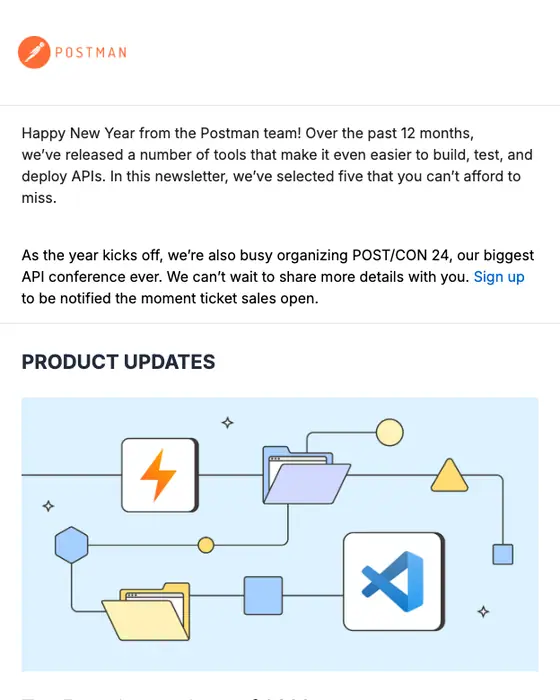
Postman
Greatest hits: Our top 5 product announcements of the past year
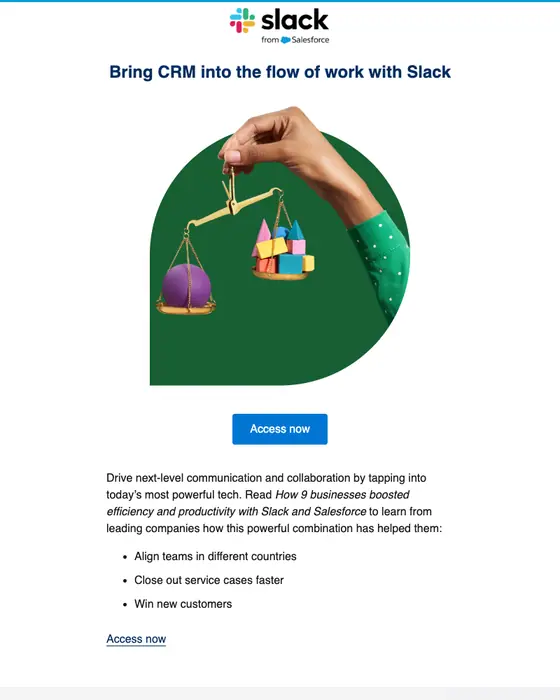
Salesforce
Putting the power of Slack and Salesforce together
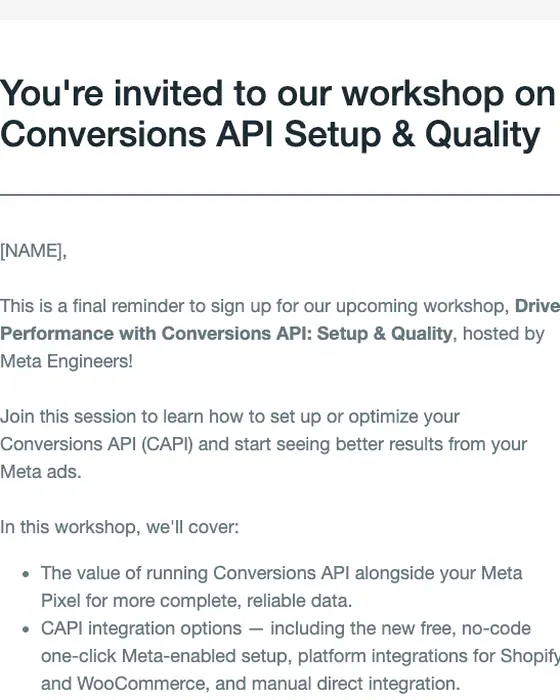
Meta
You're invited to Conversions API Setup & Quality Workshop
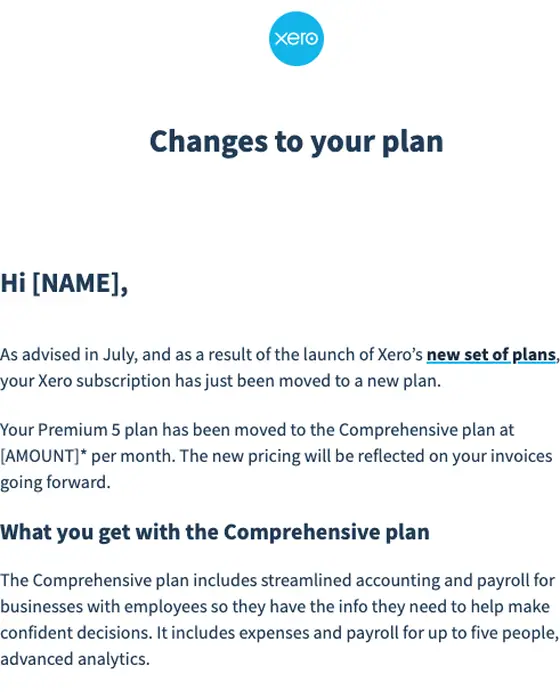
Xero
Welcome to the Xero Comprehensive plan
Intercom
Last chance to register: Customer Service Trends 2024
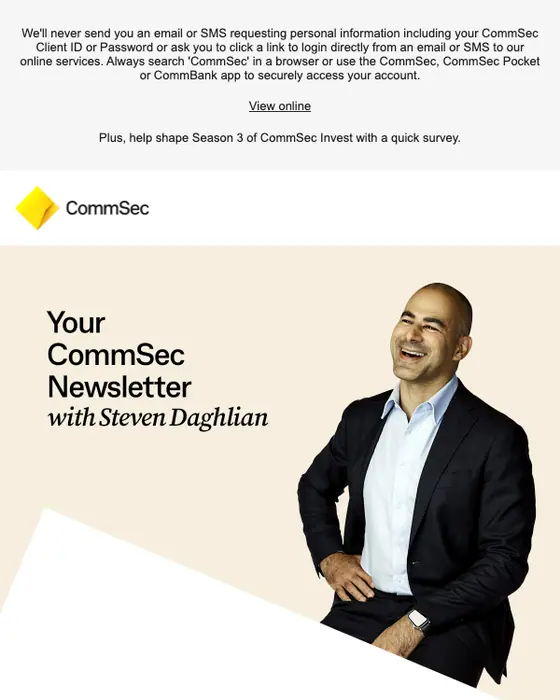
CommSec
[NAME], find out who came on top this Reporting Season!
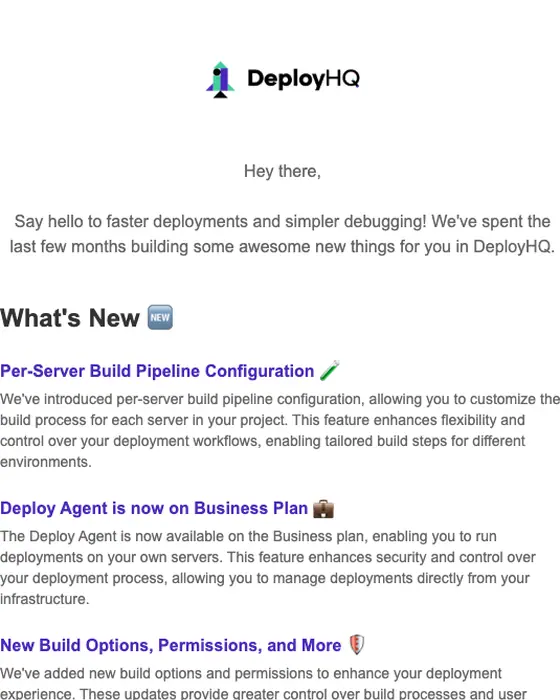
DeployHQ
DeployHQ Newsletter [June 2025]
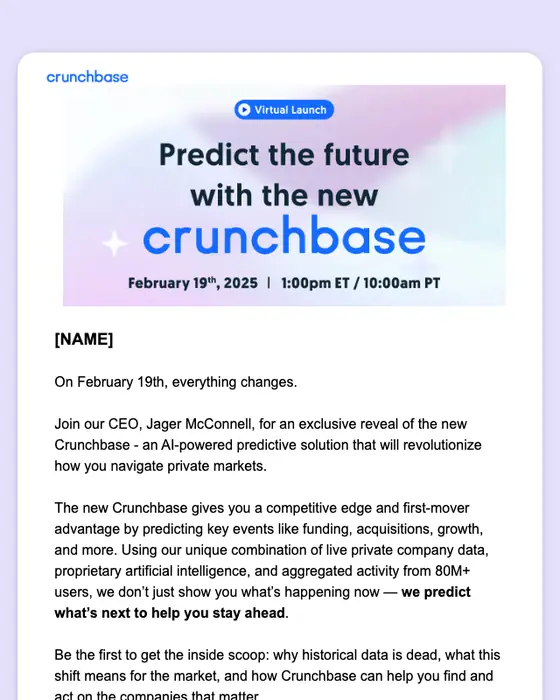
Crunchbase
🔮 You're Invited: Predict the Future with the New Crunchbase
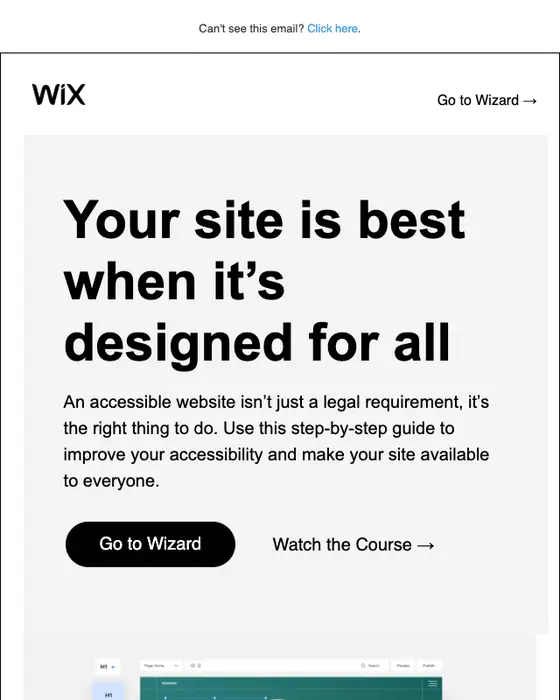
Wix.com
Your site’s getting traffic, now make it accessible to everyone
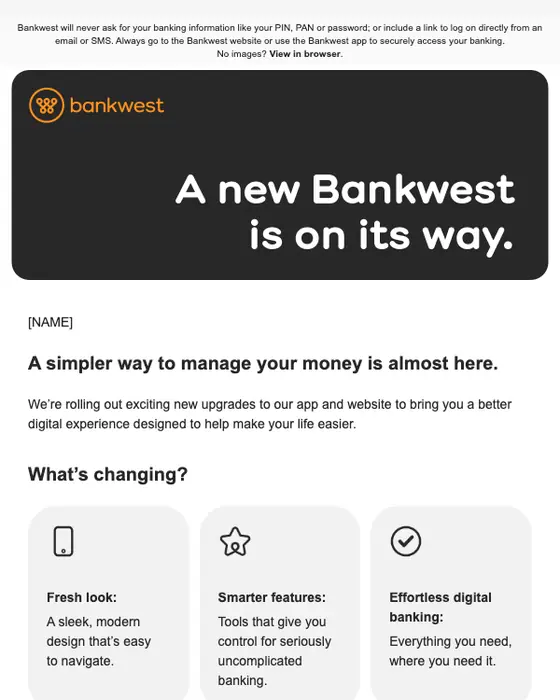
Bankwest
A new Bankwest is on its way
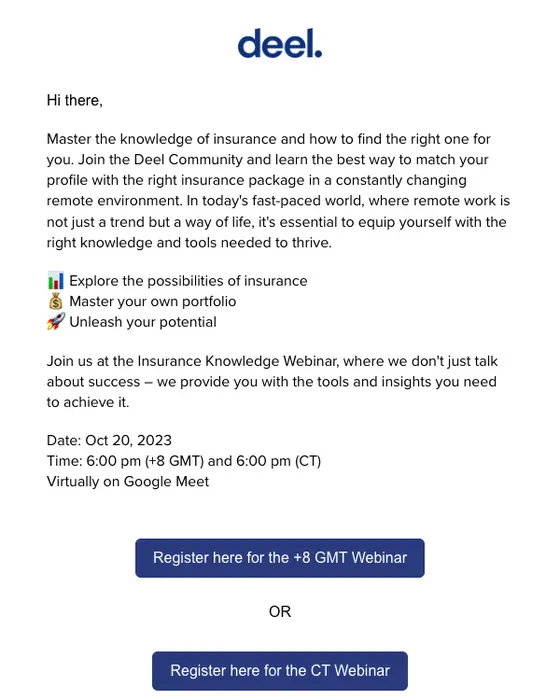
Deel
You’re invited! Join our Insurance Knowledge Webinar!

Reddit for Business
Unlock Reddit’s potential 🔐 Learn how to leverage Reddit Pro in 2025
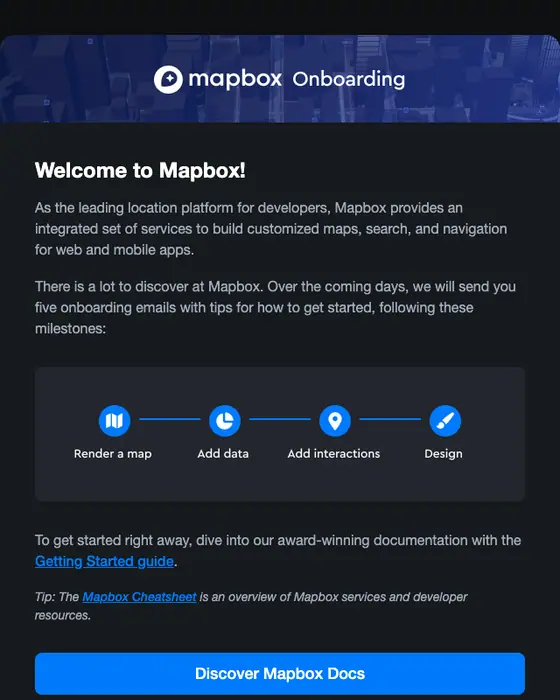
Mapbox
Welcome to Mapbox!
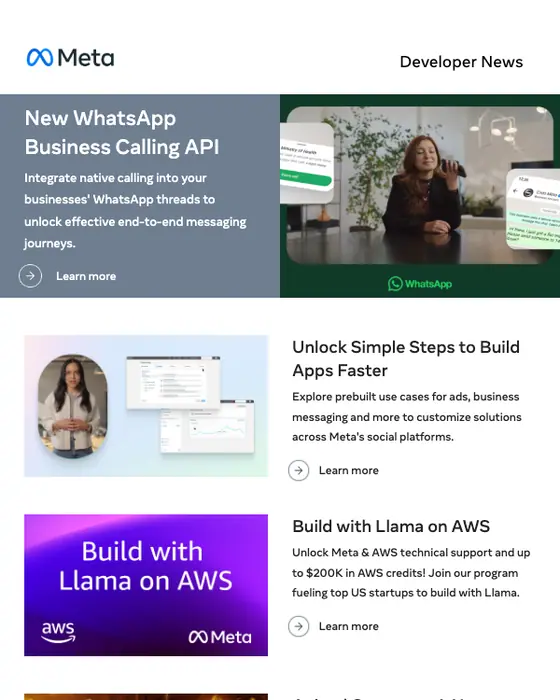
Meta for Developers
July Updates for Meta Developers: New APIs, Pro Tips, and More
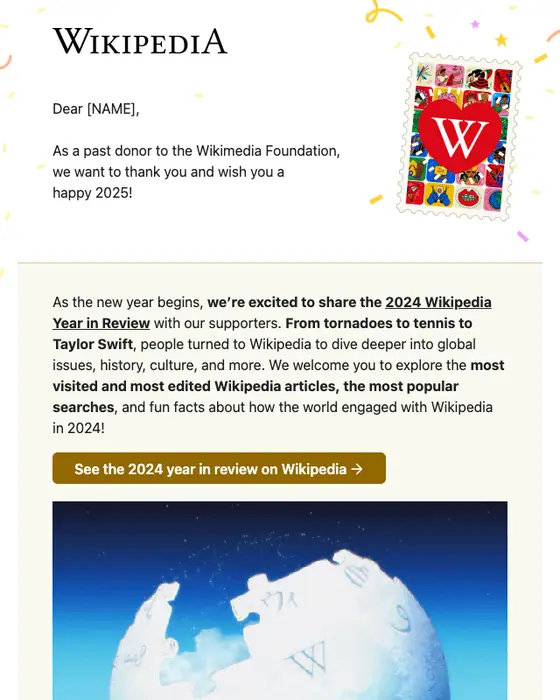
Wikimedia Foundation
And the winners are
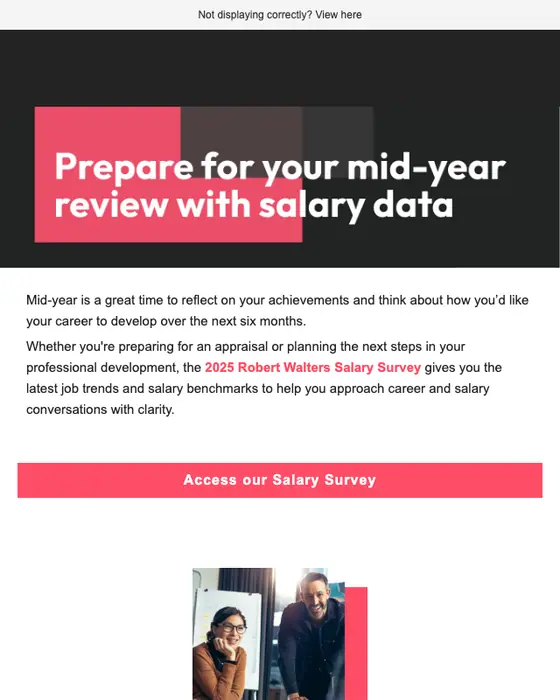
Robert Walters US
Prepare for your mid-year review with the Salary Survey
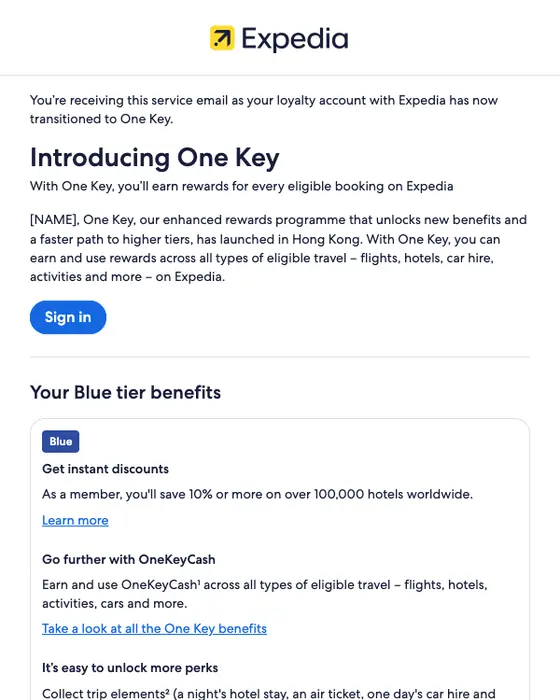
Expedia
Important update: Expedia Rewards is becoming One Key
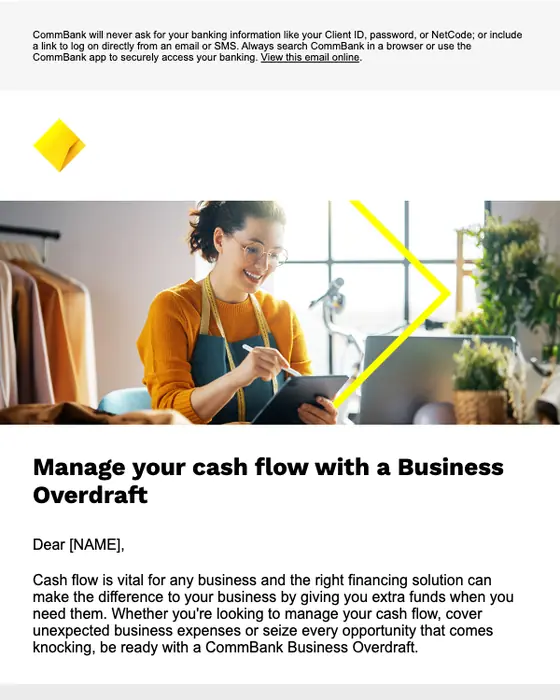
CommBank
You're conditionally approved to borrow up to $10,000
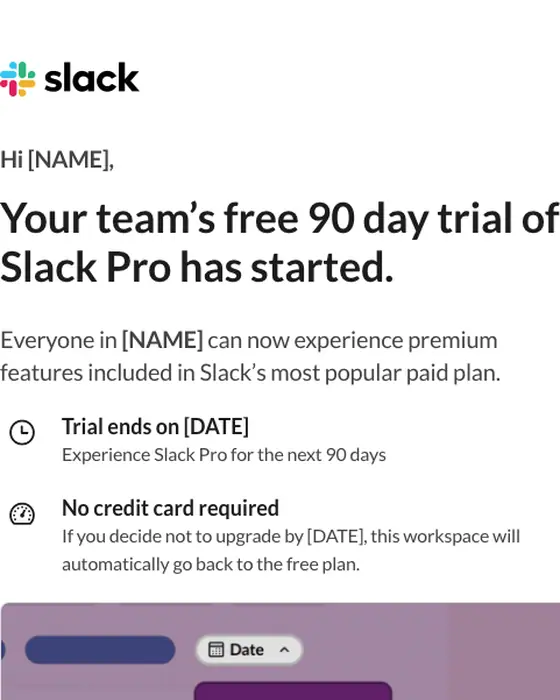
Slack
[NAME] has started a free trial of Slack Pro
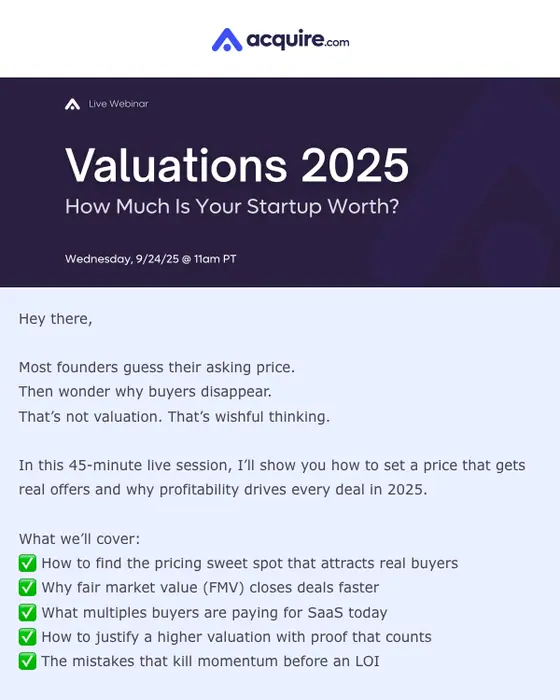
Acquire.com
Want buyers to move? Let's fix your price.
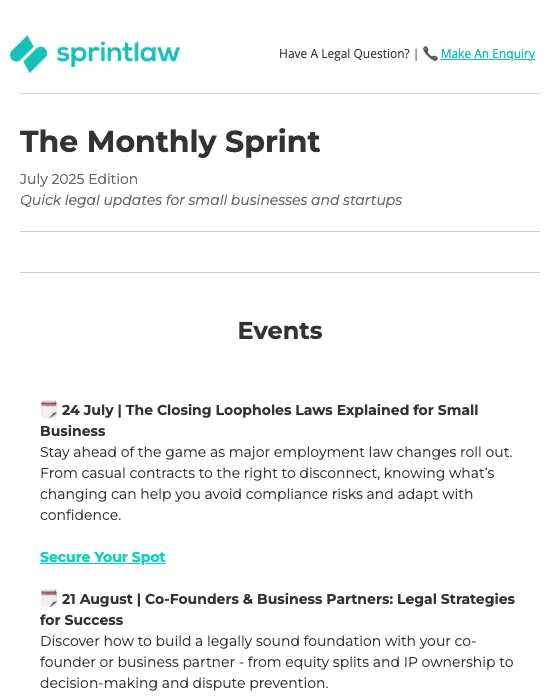
Sprintlaw
Employment Law Mistakes You Didn’t Know You’re Making
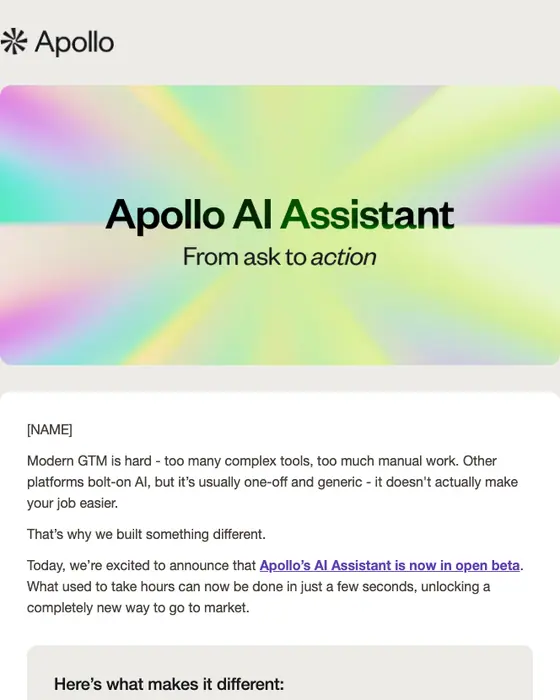
Apollo
The GTM AI Assistant that actually works
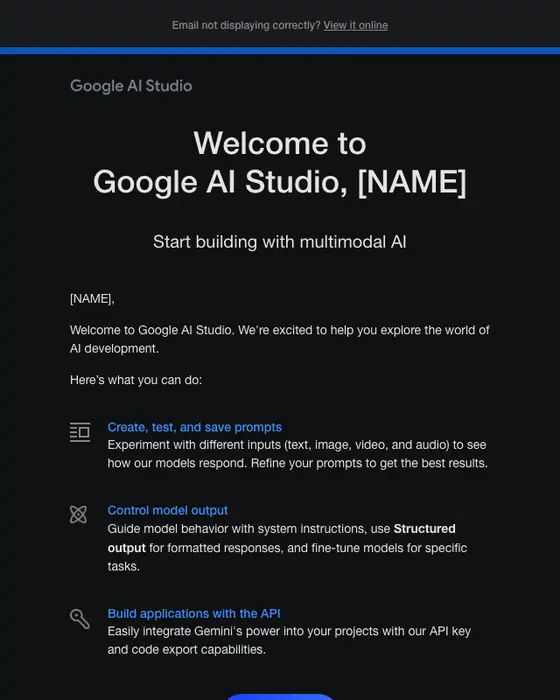
Google AI Studio
[NAME]: Welcome to Google AI Studio
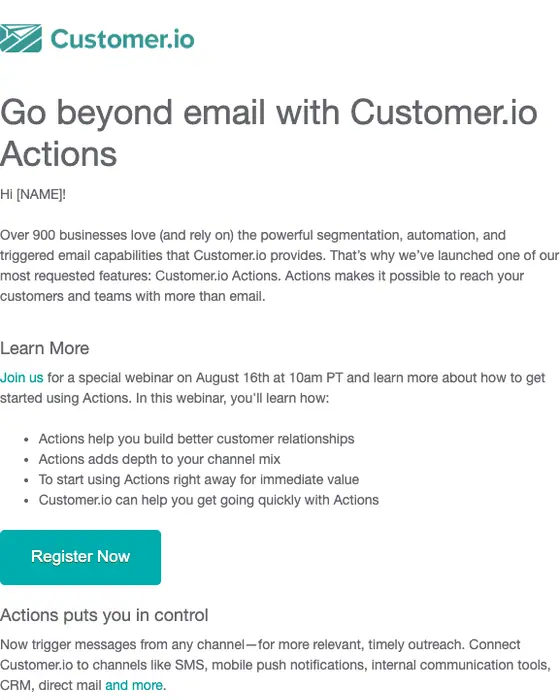
Customer.io
[New Feature Webinar] Announcing Actions: Omni-channel customer experiences
How corporate emails differ from the rest
Corporate emails against every other email in the library
1,361 tagged corporate and 11,350 others, same two inboxes| What we counted | Corporate | Every other email |
|---|---|---|
| Single-column layout | 91% | 62% |
| Plain-text layout | under 1% | 35% |
| Medium or long | 84% | 43% |
| Short | 16% | 43% |
| Even mix of text and images (tagged balanced) | 77% | 28% |
| Mostly text (tagged text heavy) | 22% | 65% |
| Cool colors (blues, grays) | 33% | 5% |
| Black and white (tagged monochrome) | 16% | 67% |
| Instructional tone | 67% | 33% |
| Sent to a business audience | 38% | 17% |
| Exactly one call to action | 17% | 32% |
| Five or more calls to action | 41% | 21% |
| Median calls to action | 4 | 2 |
| Greets the reader by first name | 43% | 40% |
Corporate emails are longer and fuller than the rest of the library. 84% are medium or long, against 43% of everything else, and our tagging marks 77% as an even mix of text and images, against 28%. They also ask for more. The median corporate email has 4 calls to action against 2 for the rest, 41% have five or more (against 21%) and only 17% have exactly one (against 32%); 73% use a button, against 36%. The color is the brand's: 33% are tagged cool (blues and grays), against 5%, and only 16% are black and white, against 67% of the rest (52% of those are plain text). The tone is instructional in 67% (against 33%), and 38% go to a business inbox, more than twice the rest (17%). One thing barely differs: 43% greet the reader by first name, against 40%.
For how designers put these choices together, see our best email designs of 2026.
What is in the corporate collection
What the corporate emails are
1,361 emails, top 8 types| Type | Emails | Share | Share of every other email |
|---|---|---|---|
| Promotional | 429 | 32% | 21% |
| Newsletter | 303 | 22% | 11% |
| Event invite | 112 | 8% | 4% |
| Account notice | 80 | 6% | 7% |
| Welcome | 79 | 6% | 3% |
| Webinar | 65 | 5% | 1% |
| Product launch | 63 | 5% | 4% |
| Sale | 40 | 3% | 3% |
When in the customer's life they arrive
1,361 emails, top 5 stages| Stage | Emails | Share | Share of every other email |
|---|---|---|---|
| Keeping an existing customer | 659 | 48% | 37% |
| Winning a new one | 350 | 26% | 14% |
| Activation | 105 | 8% | 6% |
| Onboarding | 83 | 6% | 5% |
| After a purchase or booking | 81 | 6% | 28% |
Newsletters, event invites and webinars are where corporate shows up most against the rest: newsletters are 22% of corporate emails and 11% of the others, webinars 5% against 1%. Order and booking mail is the opposite: only 6% arrive after a purchase or booking, against 28% of other emails. Software companies sent 29% of them (against 19%), and no single brand sent more than 11 of the 1,361, so no one sender shapes these numbers.
Next to this one
The same library by audience: B2B email examples. By structure: single column email layouts. By style: minimal, utilitarian, editorial, plain text, playful and bold graphic. By the types that most often go out corporate: newsletters, event invites and webinar emails.
Questions people ask
Corporate email design is a company's house style in the inbox: a logo header, one column of separated sections, brand colors and a businesslike tone. In our library 91% of the 1,361 corporate emails use a single column, against 62% of other emails, and 84% are medium or long.
One column, a branded header, then labeled sections that each end in an action. That is what the 1,361 we collected do: 91% are single column, 84% run medium or long against 43% of other emails, and 67% are written in an instructional tone, against 33%.
More than most. The median corporate email in our library has 4 calls to action, against 2 for other emails. 41% have five or more, against 21%, and only 17% have exactly one, against 32%. 73% use a button, against 36% of the rest.
The brand's, usually blues and grays. Our tagging marks 33% of corporate emails as cool, against 5% of other emails, and 16% as black and white, against 67%. 52% of the black-and-white emails elsewhere are plain text, a layout corporate emails almost never use (under 1%).
554 were rendered for this page and we cut 429: 227 tagged corporate that read as another style, 138 repeats of one brand's template, 26 broken renders, 24 that showed or could show personal details and 14 others. The tables count all 1,361.