
What playful email design is
Playful email design uses bright color, illustration or characters and an informal voice to make a marketing email fun to open.
We collected 321 emails tagged playful from 194 brands, sent between 2016 and 2026, out of two real inboxes that are part of the Nitrosend email library. This page shows 70 of them from 64 brands, 65 sent in 2023 or later. Of the 201 rendered for this page we left off 59 that carry the tag but read as calm or plain (photo newsletters, text-only sends), 33 repeats of one brand's template, 26 with missing images, a member barcode, personal details or a personal code, 7 order and account notices, 4 weak sends and 2 others. The tables below still count all 321.
Looking playful and sounding playful are different things. Of the 321, 37% are tagged playful in tone of voice and 39% are tagged warm. What they share is the look: 50% use vivid color, against 2% of every other email we collected.
70 playful emails you can open
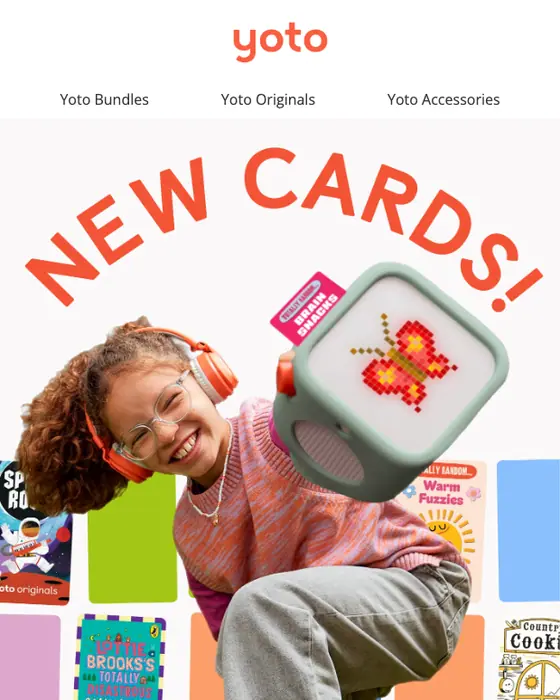
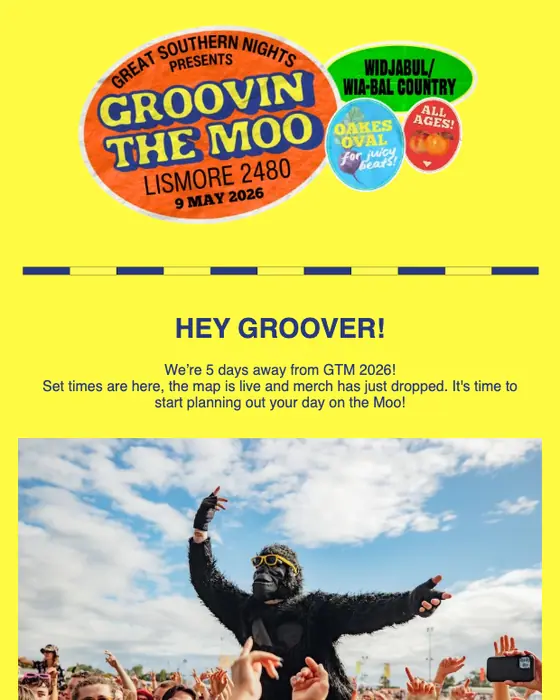
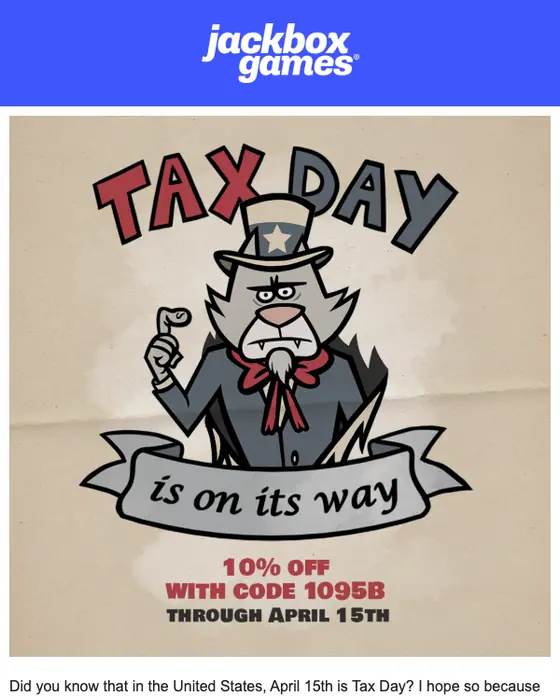
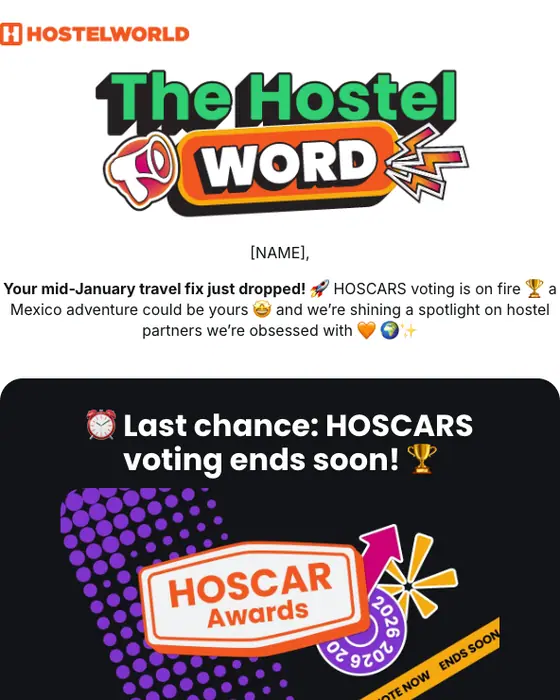
The first screen is marketing sends from 2024 or later, one per brand. Yoto arcs "NEW CARDS!" across a photo in big orange type. Groovin The Moo puts a festival logo, a gorilla-suited crowd surfer and a drawn site map on solid yellow. Jackbox Games sends a cartoon Tax Day poster with a discount code. Hostelworld sets a chunky green "The Hostel Word" masthead above dark and lilac blocks. Of the 70 shown, 30 are promotions, 10 are re-engagement emails, 8 event invites and 3 welcomes. 41 are tagged vivid and 66 use a single-column layout. Open any email for its subject line, what it does and the prompt that rebuilds it.
Yoto
New Yoto cards are here!
Groovin The Moo
GTM 2026 Set Times & Map just dropped 🐮
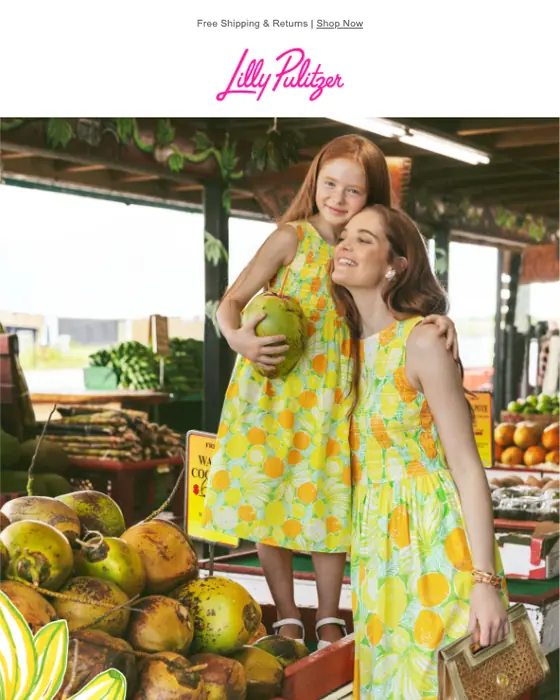
Lilly Pulitzer
New Styles, Sunny Prints
Jackbox Games
A Tax Day Guide By Jackbox Games
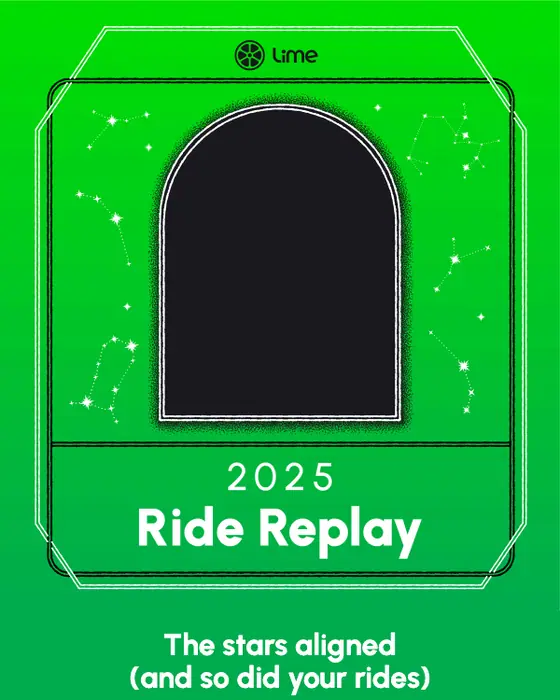
Lime
See what your 2025 rides say about you
Hostelworld
Mid-Jan travel fix: vote, win, explore! 🌍
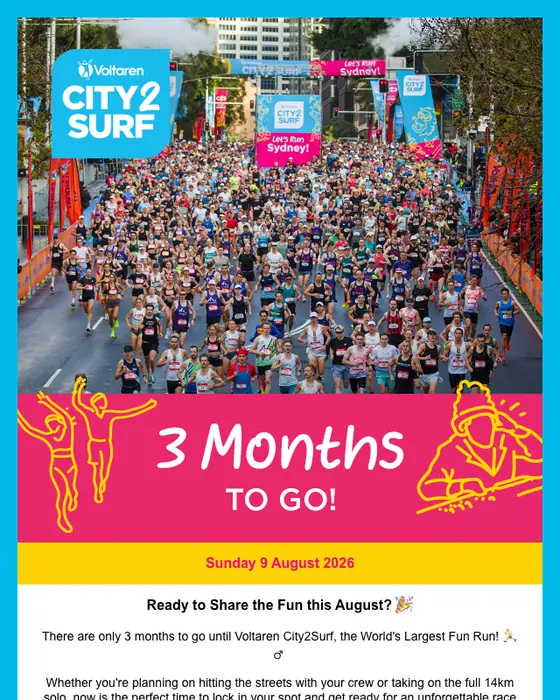
City2Surf
3 Months Until Voltaren City2Surf! 👟
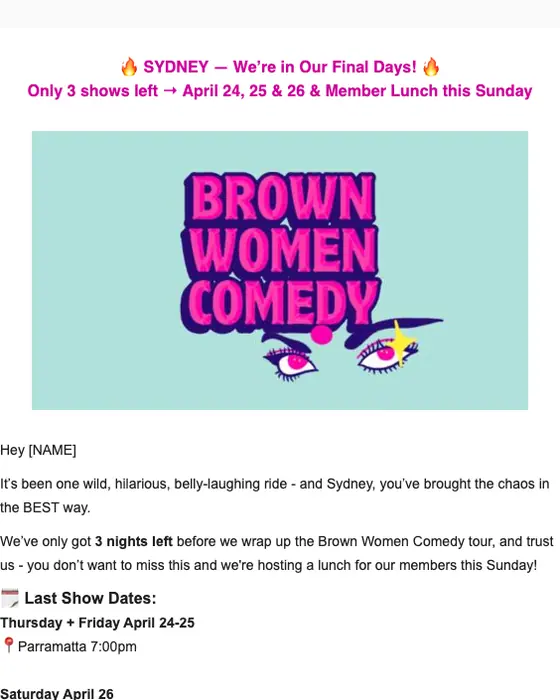
Daizy / Brown Women Comedy
Sydney ONLY 3 More Nights Left & Join us for lunch this Sunday.
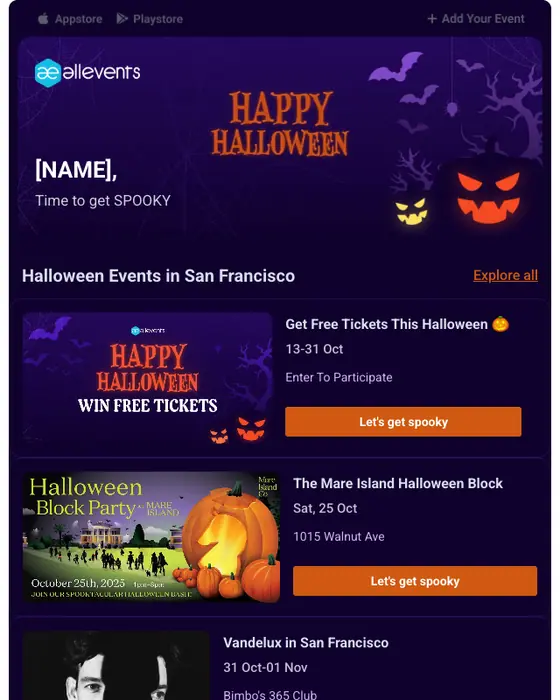
AllEvents
Don't ghost these Halloween plans in San Francisco!💀🔥
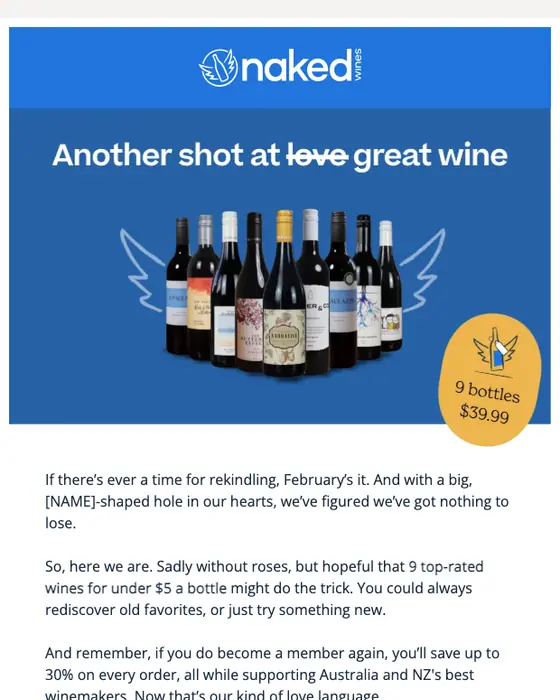
Naked Wines
Make amends with 9 wines for $39.99
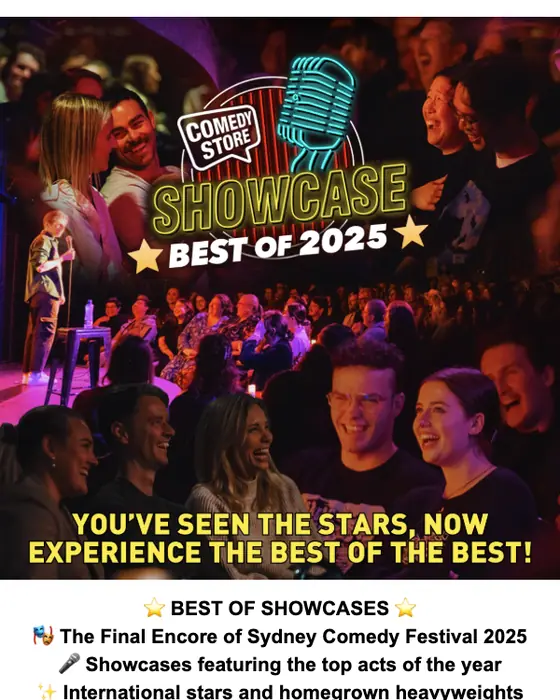
The Comedy Store
BEST OF 2025 SHOWCASES SELLING FAST ⭐️
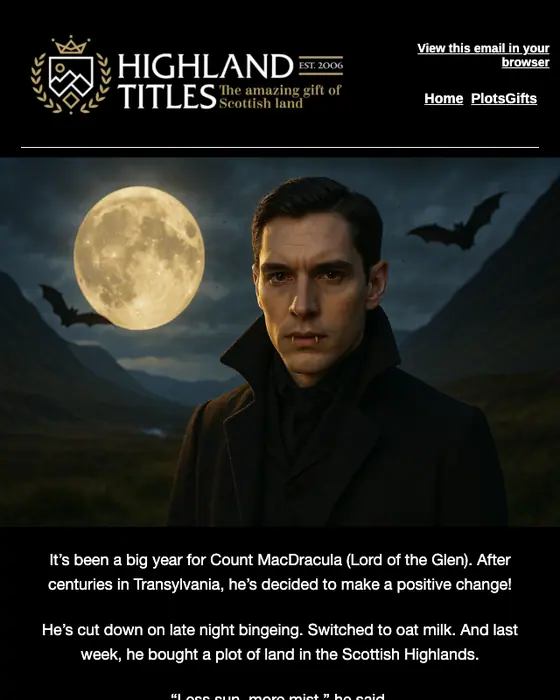
Highland Titles
A Fang-Tastic Highland Offer Awaits
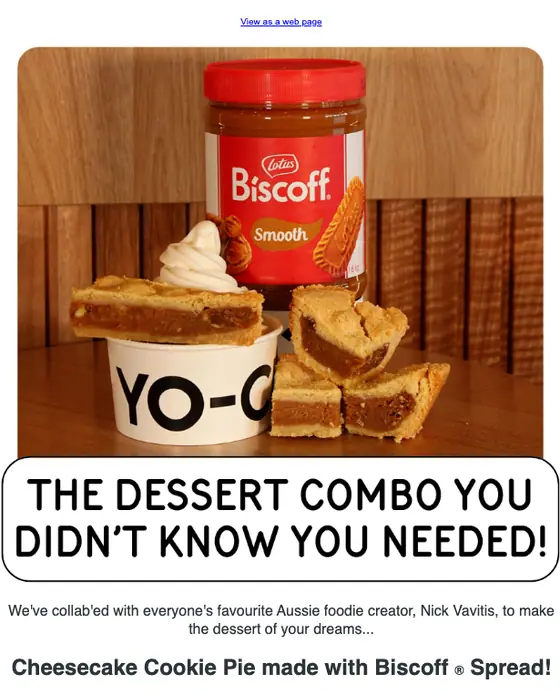
Yo-Chi
NEW SPECIAL CHI!!
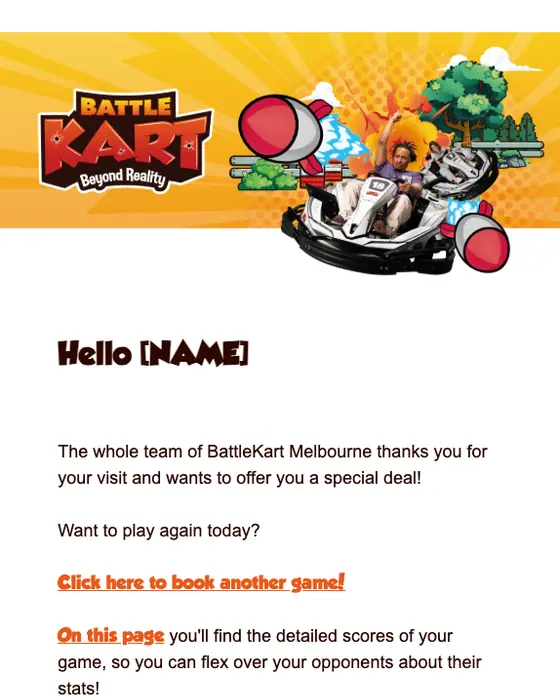
BattleKart Melbourne
Extend your BattleKart experience!
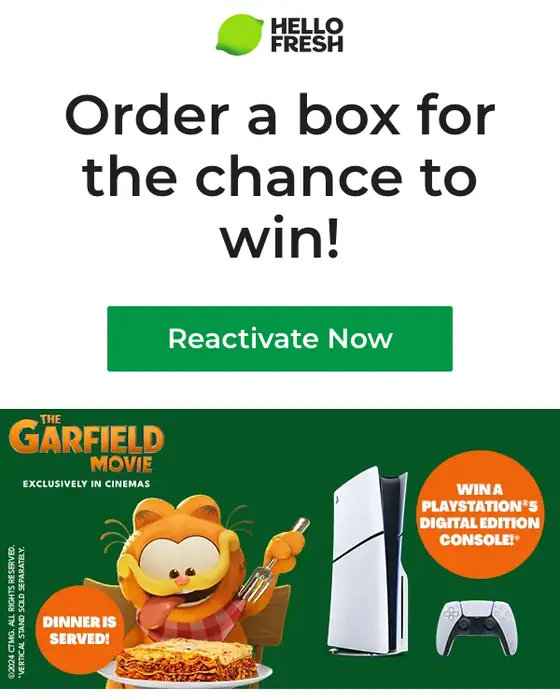
HelloFresh
Last chance to win BIG! 🙀
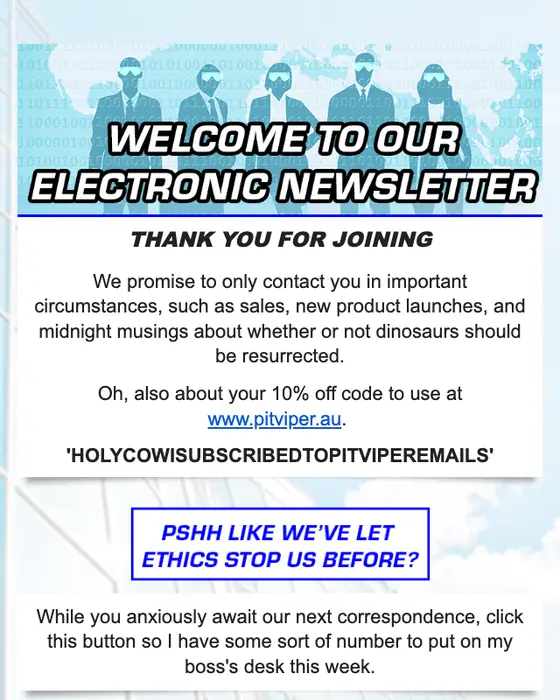
Pit Viper Australia
Welcome to The Pit Viper Electronic Newsletter
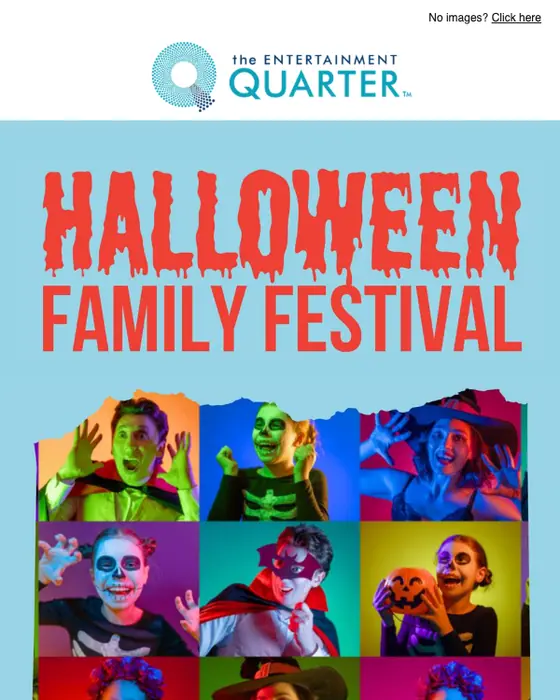
The Entertainment Quarter
Boo! There’s some Halloween fun brewing at the EQ... 👻🎃
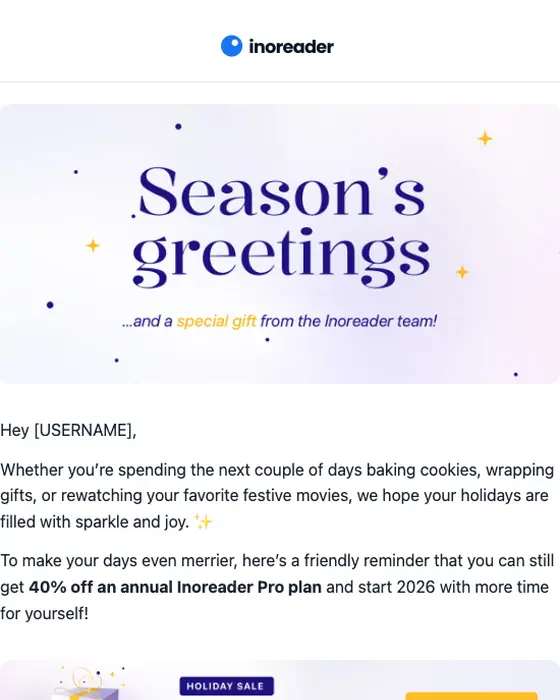
Inoreader
Some extra holiday magic: Get 40% off Inoreader Pro! 🎁
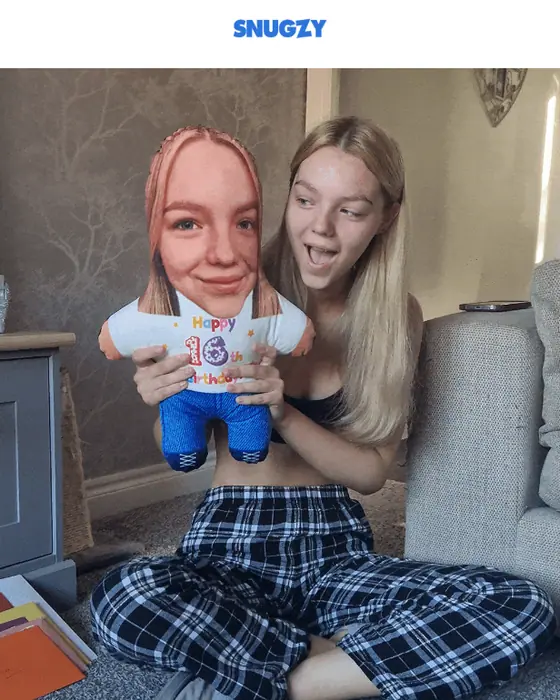
Snugzy
Have You Got a Good Picture?
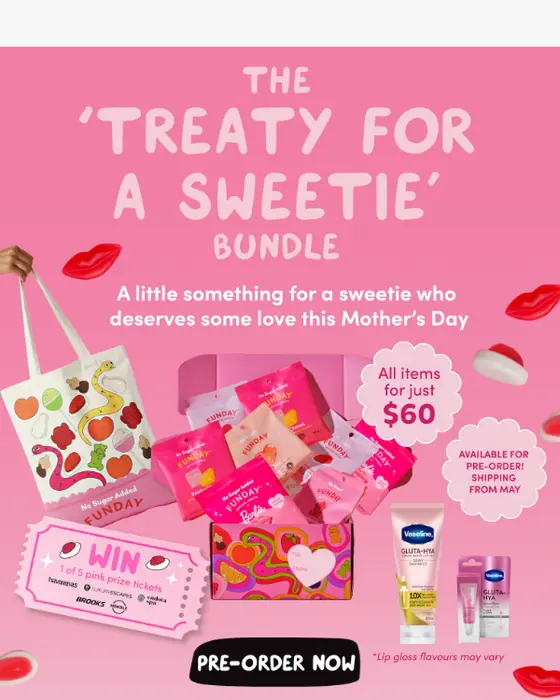
FUNDAY Natural Sweets
Mother’s Day sorted 💕 Plus 5 chances to win BIG
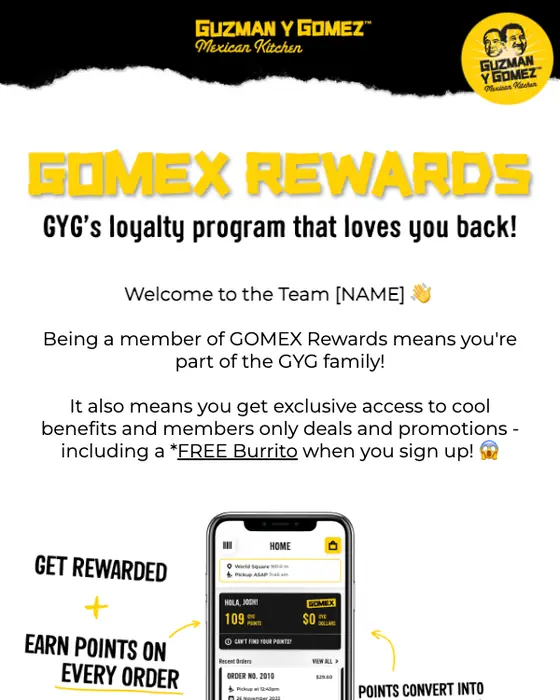
Guzman y Gomez
Hey [NAME] 👋 Welcome to GOMEX Rewards!
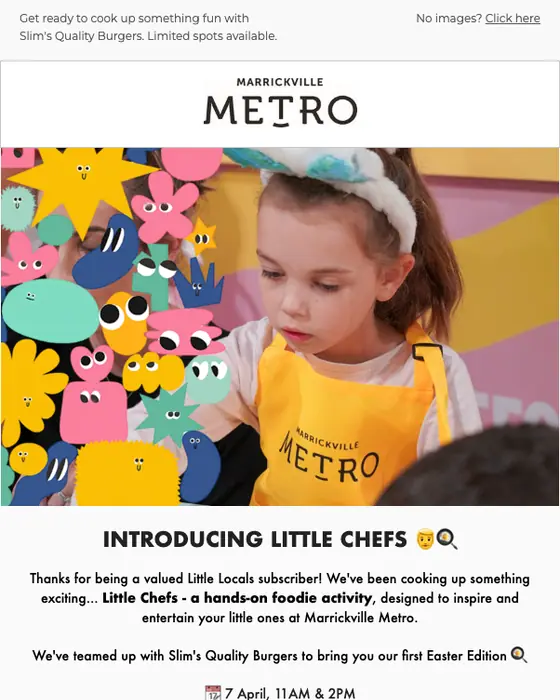
Marrickville Metro
Introducing Little Chefs - a new Little Locals activity! 👨🍳
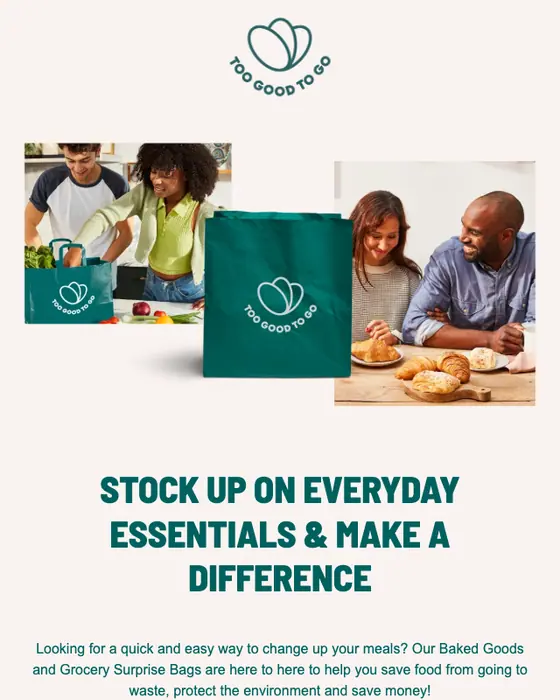
Too Good To Go
Save groceries and pastries at a great price
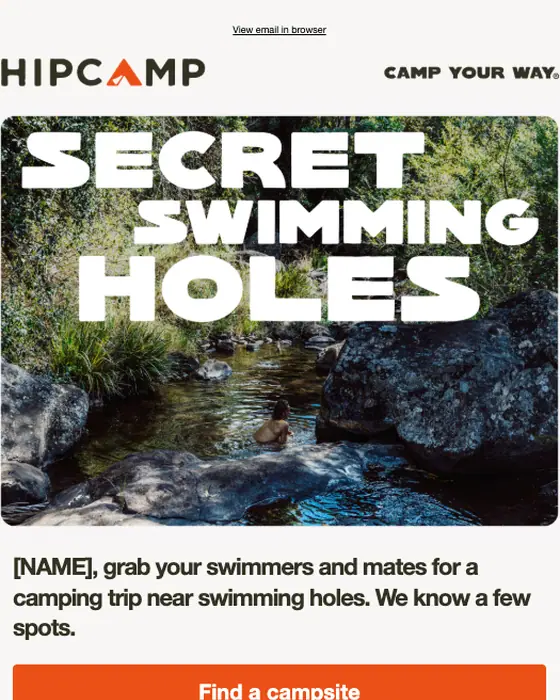
Hipcamp
Stay cool: Camp near secret swimming holes 💦
How playful emails differ from the rest
Playful emails against every other email in the library
321 playful emails and 12,390 others, same two inboxes| What we counted | Playful | Every other email |
|---|---|---|
| Vivid color (tagged vivid) | 50% | 2% |
| Vivid, pastel or warm color | 64% | 3% |
| Monochrome | 7% | 63% |
| Carries an illustration (tagged) | 18% | 2% |
| Playful tone of voice | 37% | 2% |
| Warm tone of voice | 39% | 15% |
| Subject line led by an emoji | 33% | 4% |
| Single-column layout | 93% | 64% |
| Plain-text layout | 2% | 32% |
| Mostly text (tagged text heavy) | 16% | 62% |
| Buttons only, no text links | 40% | 22% |
| Sent to keep an existing customer | 55% | 38% |
| Promotions, sales and discount offers | 45% | 28% |
| Sent to consumers | 93% | 79% |
Color is the clearest difference. 50% of playful emails are tagged vivid, against 2% of everything else, and 64% are vivid, pastel or warm, against 3%. Monochrome runs the other way: 7% against 63%. Our tagging finds an illustration in 18% of them (58 of 321), against 2% of the rest. Animation is not something this library can count: 1 of the 321 is tagged as animated, and the examples here are still images.
The structure underneath is ordinary. 93% use a single column, against 64%, the median is two calls to action for both groups, and 28% have exactly one, against 30%. They greet the reader by first name a little less often (34% against 40%). What changes is how much of the email is words: 16% are tagged mostly text, against 62% of the rest, and only 2% use a plain-text layout.
The subject line carries the tone before the email is opened. 33% lead with an emoji, against 4% of other emails. That is the highest share of the seven design styles this library has a page for; bold graphic is next at 15%. Our guide to email subject lines covers the rest of that decision, and the best email designs of 2026 shows how designers put color, type and illustration together.
Nitrosend's read of the 47 standout 2026 emails in its best email designs collection was that voice beats design, and that personality scales further than budget. The playful emails here show the same gap from the other side. The look is common (50% vivid), but the voice is rarer: 118 of the 321 are tagged playful in tone of voice.
Playful is mostly something brands send to people who already know them. 55% are sent to keep an existing customer, against 38% of other emails, and 93% go to consumers, against 79%.
What is in the playful collection
What the playful emails are
321 emails, top 8 types| Type | Emails | Share of playful | Share of other emails |
|---|---|---|---|
| Promotional | 120 | 37% | 22% |
| Event invite | 26 | 8% | 4% |
| Newsletter | 22 | 7% | 12% |
| Re-engagement | 21 | 7% | 3% |
| Welcome | 20 | 6% | 4% |
| Discount offer | 17 | 5% | 3% |
| Product launch | 17 | 5% | 4% |
| Seasonal | 14 | 4% | 1% |
Who sends them
321 emails from 194 brands, top 8 industries| Industry | Emails | Share of playful | Share of other emails |
|---|---|---|---|
| Ecommerce | 44 | 14% | 11% |
| Food and drink | 40 | 12% | 3% |
| SaaS | 35 | 11% | 20% |
| Education | 32 | 10% | 5% |
| Entertainment | 32 | 10% | 3% |
| Health and fitness | 19 | 6% | 6% |
| Retail and fashion | 19 | 6% | 5% |
| Events | 13 | 4% | 1% |
Promotions make up 37% of playful emails, against 22% of the rest, and event invites are twice as common (8% against 4%). Newsletters are rarer (7% against 12%). By industry, food and drink brands send 12% of playful emails and 3% of everything else, and entertainment 10% against 3%. SaaS goes the other way: 11% against 20%. No single brand moves these tables: the most any one brand sent is 6 of the 321.
Next to this one
The same library by structure: single column email layouts. By style: bold graphic email examples, editorial, minimal, corporate, utilitarian and plain text. By the types that most often go out playful: promotional emails, re-engagement emails, event invite emails and welcome emails. By who sends them: food and drink, entertainment and gaming.
Questions people ask
Playful email design uses bright color, illustration or characters and an informal voice to make a marketing email fun to open. In our library 50% of the 321 playful emails are tagged vivid, against 2% of other emails, and 18% carry an illustration, against 2%.
Start with color. Of the 321 playful emails we collected, 50% are tagged vivid, against 2% of other emails, and only 7% are monochrome, against 63%. Illustration comes next: 18% carry one, against 2%. The layout stays simple, with 93% in a single column.
In this collection the fun starts in the subject line. 33% of the 321 playful emails lead it with an emoji, against 4% of other emails. The body can open on a question: Jackbox Games begins its Tax Day email with "Did you know that in the United States, April 15th is Tax Day?"
Our tagging separates how an email looks from how it talks. All 321 emails here are tagged playful in design, but only 37% (118) are tagged playful in tone of voice. 39% (124) are tagged warm and 11% celebratory, so most of the collection looks playful without writing that way.
201 were rendered for this page and we cut 131: 59 tagged playful that read as calm or plain, 33 repeats of one brand's template, 26 with missing images, a member barcode, personal details or a personal code, 7 order and account notices, 4 weak sends and 2 others. The tables count all 321.